
To protect your Toyota engine from the intense tropical heat of the Philippines, you must select a radiator coolant that matches the precise chemical specifications designated by the manufacturer. The cooling system of a modern Toyota relies on a specialized chemical technology known as Phosphated Organic Acid Technology (P-OAT). This formulation is designed to protect aluminum components from high-temperature corrosion without using abrasive minerals that can damage water pump seals.
When searching for the correct coolant for car radiator toyota vehicles, you will find that choosing the right fluid is not merely a matter of picking a matching color or buying a generic bottle from an auto supply shop. Using an incompatible fluid can lead to rapid cooling system degradation, scale buildup, and localized engine overheating. In the demanding driving conditions of the Philippines—characterized by high ambient temperatures, high humidity, and prolonged stop-and-go traffic in major metropolitan areas—maintaining the integrity of your radiator fluid is one of the most critical aspects of vehicle preventative maintenance.
This guide outlines the essential chemical standards, OEM specifications, and aftermarket selection criteria you need to make an informed decision. By understanding what goes into your radiator, you can prevent costly mechanical failures, preserve your engine’s thermal efficiency, and ensure your Toyota runs reliably for years to come.
Products mentioned in this guide
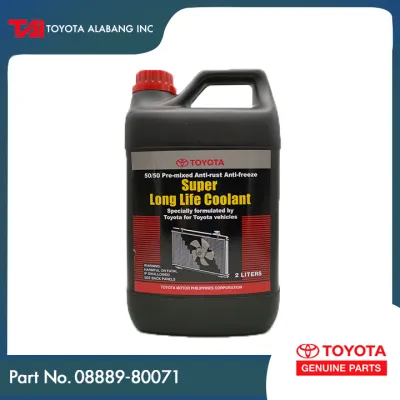
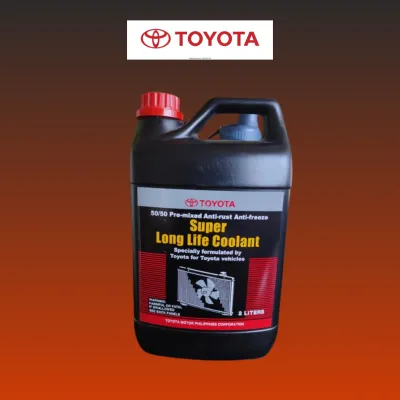
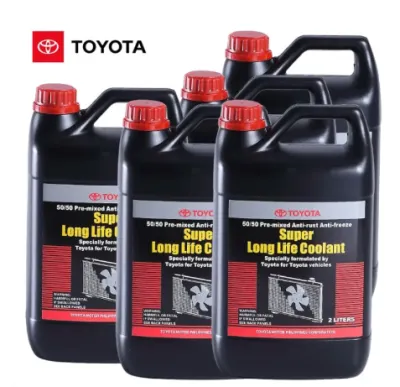
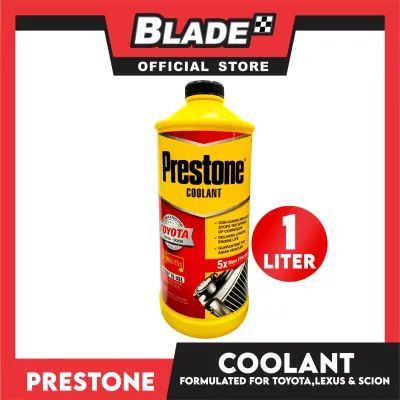
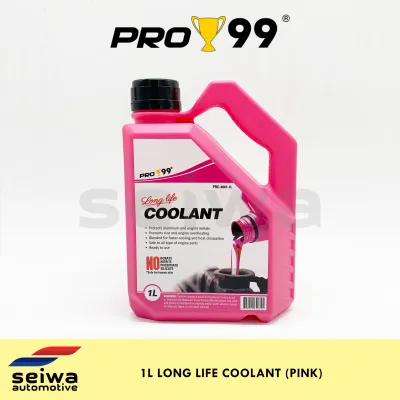
Prices are valid at publication and may change. Please refer to the product page for the latest price.
Why Correct Coolant Specs Matter for Toyota Engines in Tropical Heat
In cold-weather markets, radiator fluids are often referred to as “antifreeze” because their primary job is to prevent the liquid inside the engine block from freezing and cracking the metal casting. In the tropical climate of the Philippines, however, the term “coolant” is far more appropriate. Here, the primary challenges are heat dissipation, boiling point elevation, and continuous corrosion protection under high thermal loads.
A vehicle’s cooling system operates under pressure. This pressure physically raises the boiling point of the liquid, allowing it to absorb massive amounts of heat from the engine block and cylinder head and carry it to the radiator, where it is dissipated into the passing air. If you use a substandard fluid or plain water, the liquid can reach its boiling point prematurely inside the cylinder head. This creates localized steam pockets that act as thermal barriers. Because steam cannot transfer heat as effectively as liquid, these hot spots can cause the cylinder head to warp, leading to a blown head gasket and catastrophic engine failure.
The mechanical components of your Toyota’s cooling system are also highly sensitive to the chemical makeup of the fluid. The water pump, which continuously circulates the coolant, relies on the fluid itself for lubrication. If the coolant contains the wrong additives or has degraded over time, it can cause cavitation. Cavitation occurs when vapor bubbles form and violently collapse against the metal surfaces of the water pump impeller, slowly eroding the metal until the pump can no longer circulate fluid efficiently.
Additionally, modern Toyota radiators feature incredibly thin aluminum tubes designed to maximize surface area for heat transfer. These channels are highly susceptible to chemical corrosion and mineral scale buildup. When the wrong chemical formula is introduced, or when the coolant is left in the system past its service life, acidic compounds can form, eating away at the aluminum and causing pinhole leaks. Alternatively, mineral deposits can clog these narrow passages, forcing your engine to run hotter and causing your radiator fans to work continuously, which accelerates wear on your alternator and battery.
Essential Coolant Specifications to Check Before Buying
To ensure the safety of your engine, you must look past generic marketing claims on product labels and verify the exact chemical technologies and industry standards of the fluid.

Chemical Technology Toyota engines utilize aluminum cylinder heads, aluminum engine blocks, and aluminum radiator cores. To protect these aluminum surfaces from high-temperature corrosion, Asian automobile manufacturers, including Toyota, utilize Phosphated Organic Acid Technology (P-OAT). Phosphates are highly effective at passivating aluminum surfaces, forming a microscopic protective layer that prevents oxidation and pitting.
Why avoid silicates? European manufacturers often use silicates for protection, but silicates can be highly abrasive to water pump seals and can drop out of solution in the high-heat, low-flow conditions often experienced in tropical traffic. Borates, commonly found in traditional American formulations, can also cause corrosion issues in aluminum engines when mixed with hard water. Therefore, a true Toyota-compatible coolant must be silicate-free, borate-free, and amine-free.
Industry Standards When inspecting a coolant bottle, look for specific certification codes that guarantee the fluid meets international manufacturing standards. The most important standard for Japanese vehicles is JIS K 2234 (Japanese Industrial Standard). This certification ensures that the fluid has undergone rigorous testing for corrosion protection, compatibility with automotive seals, and thermal stability. Additionally, look for ASTM D3306 compliance, which is the standard specification for glycol-based engine coolants in passenger cars and light-duty applications. If a product does not display these specifications on its label, it does not meet the baseline safety requirements for your Toyota.
The Color Myth One of the most common and dangerous misconceptions among car owners in the Philippines is that coolant compatibility is determined solely by color. Many believe that any pink fluid is suitable for modern Toyotas, red is for older models, and green is a universal option. In reality, coolant dye is completely arbitrary. There is no international standardization that forces manufacturers to use specific colors for specific chemical formulas.
A low-quality, generic coolant can easily be dyed pink or red to mimic genuine Toyota fluids while containing highly abrasive silicates or lacking the necessary phosphate inhibitors. Purchasing a coolant based purely on color matching can result in introducing incompatible chemicals into your engine. Always read the technical specifications on the back of the bottle to verify that the fluid is a silicate-free P-OAT formulation, regardless of its color.
Pre-mixed vs. Concentrate Coolants are generally sold in two formats: pre-mixed 50/50 solutions or 100% pure concentrates. Pre-mixed formulations are highly recommended for most vehicle owners because they are blended at the factory using high-purity demineralized or distilled water. This guarantees the correct chemical balance and eliminates the risk of introducing contaminants.
Concentrated coolants are often preferred by commercial workshops because they are more economical to transport. However, they require the user to purchase separate distilled water and perform a precise 50/50 dilution. In a tropical climate, maintaining this exact ratio is critical. If the mixture contains too much water, the boiling point drops and the corrosion inhibitors are diluted. If the mixture contains too much glycol, the fluid’s heat-transfer capacity decreases, as pure water is actually a more efficient heat conductor than pure ethylene glycol.
Recommended Coolant Types for Toyota Radiators
When selecting a coolant, your primary options fall into three main categories: OEM premium fluids, OEM standard fluids for older models, and high-quality aftermarket alternatives that meet the required specifications.
Toyota Genuine Super Long Life Coolant (SLLC)
Toyota Genuine SLLC is the factory-fill coolant used in almost all Toyota vehicles manufactured from the mid-2000s onward. This premium, pre-mixed 50/50 formulation is dyed a distinctive pink color and is engineered specifically for extended drain intervals. The factory fill is rated to last up to 160,000 kilometers or 8 years, while subsequent replacements are recommended every 80,000 kilometers or 4 years.
SLLC is a highly advanced P-OAT formulation that contains no silicates, borates, nitrites, or amines. It is designed to provide optimal heat transfer and robust corrosion protection for the specific aluminum alloys used in modern Toyota engines. Because it is sold pre-mixed, it eliminates any risk of DIY dilution errors. For owners of modern Toyota vehicles, using SLLC is the safest way to maintain factory warranty compliance and ensure the long-term reliability of the cooling system.
Toyota Genuine Long Life Coolant (LLC)
Before the introduction of SLLC, Toyota utilized Genuine Long Life Coolant (LLC) as its primary factory fill. This formulation is typically dyed red and is commonly sold as a concentrated fluid, though pre-mixed versions are also available. LLC has a shorter service life than SLLC, requiring replacement every 40,000 kilometers or 2 years.
LLC is a traditional organic acid technology formulation designed for older Toyota models, particularly those manufactured in the early 2000s and prior. These older engines and radiators often utilize different combinations of metals, including copper and brass, which require different protective additives than modern all-aluminum systems. If you own an older Toyota, you must consult your owner’s manual to determine whether your vehicle requires LLC or if it can be safely upgraded to SLLC.
High-Quality Aftermarket P-OAT Alternatives
If genuine Toyota fluids are unavailable or if you are looking for a more budget-friendly option, several reputable aftermarket chemical brands offer compatible fluids. When shopping for an aftermarket coolant for car radiator toyota, you must look for products explicitly labeled as “Asian Vehicle Formula” or “Formulated for Toyota/Lexus.”
These aftermarket alternatives must explicitly state that they are P-OAT, silicate-free, borate-free, and amine-free. Trusted global brands formulate these fluids to match the chemical performance of OEM standards. You must avoid generic “all makes, all models” or “universal” coolants. These multi-vehicle fluids often use hybrid organic acid technologies (HOAT) or standard organic acid technologies (OAT) that lack the specific phosphate levels required to rapidly passivate Toyota’s aluminum surfaces, or they may contain silicates that can degrade Toyota’s water pump seals over time.
How to Match Coolant to Your Toyota Model and Year
Matching the correct coolant to your specific Toyota model and year requires understanding how Toyota’s engineering specifications have evolved over time.
Newer Models If you drive a modern Toyota Vios, Innova, Fortuner, Hilux, Wigo, Avanza, or Rush manufactured from the mid-2010s onward, your vehicle left the factory with Toyota Genuine Super Long Life Coolant (SLLC) in its radiator. For these vehicles, maintaining the system with SLLC or an equivalent high-grade aftermarket pink P-OAT coolant is essential. This ensures that the advanced multi-metal cooling channels, including those in modern aluminum-block engines and hybrid inverter cooling loops, remain free of corrosion.
Older Models For older Toyota models, such as the early generations of the Corolla (e.g., Lovelife or Altis models from the late 1990s to early 2000s) or first-generation Revo models, the factory standard was often the red Toyota Genuine Long Life Coolant (LLC). While it is technically possible to upgrade some older systems to SLLC after a thorough chemical flush, you must never downgrade a system designed for SLLC to LLC or older inorganic acid technology (IAT) green coolants. Doing so drastically reduces the service life of the fluid and can lead to rapid additive depletion.
The Golden Rule The ultimate authority for your specific vehicle is the Owner’s Manual. Toyota explicitly states the required fluid specifications, capacity, and service intervals in the “Maintenance and Care” or “Specifications” section of the manual. If you bought your vehicle second-hand and do not have the physical manual, you can often download a digital copy from the official Toyota website or consult an authorized service center.
Decision Checklist To make the right choice, follow this quick diagnostic workflow:
- Consult the Manual: Identify whether your model requires Toyota SLLC (pink) or LLC (red).
- Inspect the Reservoir: Check the color and clarity of the fluid currently in your expansion tank.
- Determine the Service History: If the fluid's age or type is unknown, plan for a complete system flush rather than a simple top-up.
- Select the Fluid: Choose between OEM pre-mixed SLLC for maximum safety, or a certified aftermarket P-OAT alternative that explicitly lists compliance with JIS K 2234.
Safe Maintenance, Flushing, and Top-Up Boundaries
Performing regular maintenance on your Toyota’s cooling system is straightforward, but it requires strict adherence to safety protocols and chemical guidelines to prevent engine damage or personal injury.
Dilution Safety If you choose to buy a concentrated coolant, you must dilute it using only distilled or demineralized water. Never use municipal tap water, well water, or bottled mineral water. Tap water in the Philippines often contains high levels of dissolved minerals, such as calcium and magnesium. When subjected to the intense heat inside an engine block, these minerals precipitate out of the liquid, forming hard scale deposits (calcium carbonate) inside the radiator’s ultra-thin cooling tubes and water jackets. This scale acts as an insulator, trapping heat inside the engine and eventually clogging the radiator entirely.
Mixing Rules Chemical compatibility is absolute. Never mix different chemical families of coolant. Mixing a P-OAT coolant (like Toyota’s pink SLLC) with an IAT coolant (traditional green) or a European HOAT coolant (often blue or violet) can cause a chemical reaction known as gelation. The additives can fall out of solution, turning into a thick, jelly-like sludge that blocks coolant flow, leading to immediate engine overheating and catastrophic mechanical failure. If you need to top up your reservoir and are unsure what fluid is currently inside, it is far safer to top up with a small amount of distilled water temporarily, or perform a complete cooling system flush, rather than risk mixing incompatible chemicals.
Visual Inspection Regularly inspect your coolant reservoir tank, which is typically located near the radiator. The fluid level should always sit between the “MIN” and “MAX” (or “LOW” and “FULL”) markings when the engine is cold. The fluid should be bright, clear, and free of floating debris. If you notice a milky, cloudy appearance or an oily film floating on top of the coolant, this is a major warning sign. It often indicates that engine oil or automatic transmission fluid is leaking into the cooling system, typically due to a failed head gasket or a ruptured transmission fluid cooler.
Professional Boundary While topping up a cold reservoir is a simple DIY task, performing a complete cooling system flush, replacing a thermostat, or changing a water pump involves significant safety risks and technical precision. Warning: Never attempt to open the radiator cap or loosen cooling system hoses while the engine is hot or warm. The system is highly pressurized, and opening it can cause boiling liquid and steam to spray out violently, resulting in severe, life-altering burns. Always allow the engine to cool completely—typically for at least two to three hours—before performing any physical checks on the radiator cap. For complete system flushes, thermostat diagnostics, or if your vehicle is actively overheating, always seek the assistance of a qualified automotive technician at a professional service center.
Frequently Asked Questions (FAQ)
Can I mix pink and red Toyota coolant?
While both are genuine Toyota formulations, mixing pink SLLC and red LLC is not recommended for long-term use. SLLC is a pre-mixed, extended-life formula, whereas LLC is typically a concentrate requiring dilution and has a shorter service life. Mixing them will compromise the extended drain interval of the pink SLLC, reducing its effective lifespan to that of the red LLC (about 2 years or 40,000 kilometers). For optimal protection, avoid mixing them and perform a full system flush if switching types.
Is distilled water necessary when diluting concentrated coolant?
Yes, distilled or demineralized water is absolutely mandatory when diluting concentrated coolant. Tap water, well water, and even standard bottled drinking water contain minerals like calcium and magnesium. Under high engine temperatures, these minerals crystallize and form scale deposits inside the radiator’s narrow passages. This scale restricts coolant flow and insulates the metal, severely reducing heat transfer efficiency—a critical risk in the tropical climate of the Philippines.
How often should I change the coolant in a tropical climate?
The tropical climate of the Philippines does not chemically degrade modern P-OAT coolants faster than cold climates, as long as the cooling system remains sealed and free of leaks. You should strictly follow the service intervals specified in your Toyota owner’s manual—typically every 80,000 to 160,000 kilometers for SLLC, or every 40,000 kilometers for LLC. However, you should visually inspect the fluid level and clarity at least once a year to catch any leaks or contamination early.
Community discussion
Share your experience or ask a question. Comments are reviewed before publication.