
Finding the correct wiper for toyota raize is essential for maintaining clear visibility during sudden downpours and tropical storms. To ensure a perfect fit, you must determine the exact driver-side and passenger-side lengths—which are typically asymmetric—and verify the arm attachment type. Standard configurations for this compact SUV generally require a longer blade for the driver’s side and a shorter one for the passenger’s side to clear the maximum surface area of the windshield.
Choosing the right wiper blades involves more than just picking a brand off the shelf. You need to match the physical dimensions of your vehicle’s wiper arms and select materials capable of surviving intense heat, high ultraviolet (UV) exposure, and heavy seasonal rainfall. This guide will walk you through verifying your vehicle’s specific requirements, identifying the correct arm connectors, and selecting the most durable blade designs for your driving conditions.
How to Verify the Exact Wiper Blade Sizes for Your Toyota Raize
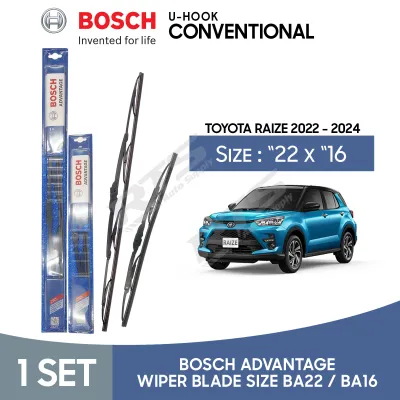
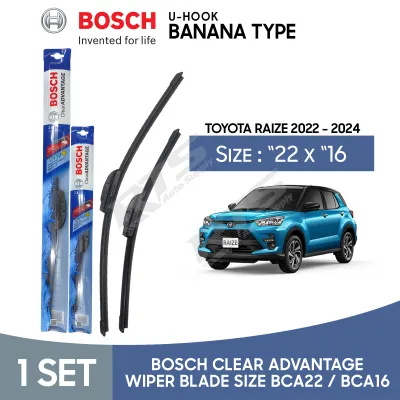
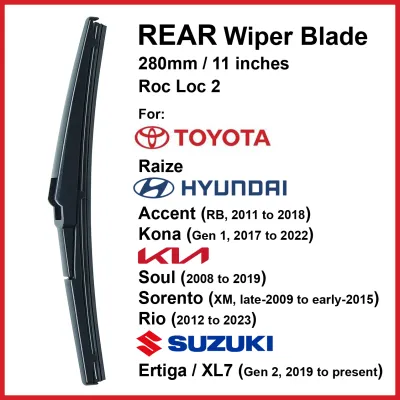
When selecting a new wiper for toyota raize, you will notice that the front windshield requires two different blade lengths. This asymmetric setup is a deliberate design choice by automotive manufacturers. The longer blade on the driver’s side sweeps across the critical field of view, while the shorter passenger-side blade prevents the two arms from colliding at the center of the glass. For the Toyota Raize, common configurations often pair a 21-inch or 22-inch driver-side blade with a 14-inch or 16-inch passenger-side blade, alongside a 12-inch rear wiper blade. However, because specifications can vary slightly based on the model year, assembly region, or trim level, you must verify your vehicle’s exact requirements before purchasing.
Products mentioned in this guide


Prices are valid at publication and may change. Please refer to the product page for the latest price.
To find the precise dimensions for your vehicle, rely on three highly accurate methods rather than unverified online forums or generic fitment charts:
- Consult the Owner's Manual: The technical specifications section of your official Toyota Raize manual lists the precise factory-installed wiper blade lengths in millimeters or inches.
- Use a Reputable Retailer's Fitment Database: Established auto parts stores and official distributor websites feature lookup tools where you can input your vehicle's exact year and trim to retrieve compatible part numbers.
- Physically Measure the Existing Blades: If you suspect the current wipers are the correct factory size, you can measure them yourself.
To measure your wiper blades accurately, lift the wiper arm away from the glass and use a standard tape measure. Measure only the rubber wiping element from one extreme end to the other. If the rubber element is integrated into a rigid frame and cannot be isolated easily, measure the entire length of the blade frame. Write down these measurements in both inches and millimeters, as aftermarket manufacturers package their products using both measurement systems.
Identifying the Correct Wiper Arm Attachment
Purchasing the correct length is only the first step; the new wiper blades must also physically mount to your vehicle’s wiper arms. If the connector mechanism does not match, the blade cannot be secured, posing a severe safety hazard if it detaches while driving.

To check your wiper arm connector, park your vehicle on a flat surface, turn off the ignition, and carefully lift the wiper arm away from the windshield until it locks into a vertical position. Inspect the connection point where the blade frame meets the metal arm. The Toyota Raize typically utilizes a standard J-hook (also known as a U-hook) connector for its front wiper arms. This design features a curved metal end that hooks over the wiper blade’s internal adapter and clicks securely into place.
While the J-hook is highly common on compact SUVs, you must physically verify your vehicle’s specific arm style. Some model variants or rear wiper assemblies use specialized multi-connection systems, pin fittings, or push-button clips. When buying aftermarket wipers, check the product packaging to ensure it includes the correct adapter. Many premium wiper brands bundle multiple plastic adapters in the box to accommodate different vehicle arm styles, but verifying compatibility beforehand prevents unnecessary return trips to the store.
Choosing the Best Blade Design and Material for Tropical Driving
The climate in the Philippines presents unique challenges for automotive consumables. Intense tropical heat, high humidity, prolonged UV exposure, and torrential monsoon rains can rapidly degrade wiper components. Choosing the right frame design and rubber compound directly impacts how long your wipers last and how cleanly they clear your windshield.
Conventional, Beam, and Hybrid Frame Designs
Wiper blades are generally categorized into three structural designs, each offering distinct performance characteristics:
- Conventional (Frame) Blades: These feature a traditional metal skeleton with multiple claw contact points that press the rubber blade against the glass. While they are highly affordable—often ranging from ₱200 to ₱400 per pair—the exposed metal hinges and brackets can trap dirt, leaves, and debris. Over time, exposure to high humidity can cause the metal joints to corrode or lose tension, leading to uneven wiping.
- Beam (Frameless) Blades: Designed as a single, continuous piece of rubber-covered tension steel, beam blades lack external hinges. This aerodynamic, low-profile design allows the blade to conform precisely to the curvature of the windshield, providing highly even pressure distribution. Beam blades perform exceptionally well at highway speeds because they resist wind lift, though they carry a higher price point, typically ranging from ₱600 to ₱1,200.
- Hybrid Blades: These combine the aerodynamic, protective plastic shell of a beam blade with the robust multi-point pressure structure of a conventional frame. Hybrid blades offer a balanced middle ground, protecting the internal tension springs from direct sunlight and debris while ensuring excellent contact with the glass across the entire sweep.
Natural Rubber vs. Silicone Elements
The material of the wiping edge determines how well the blade resists environmental wear:
- Natural Rubber: This is the standard material used in most budget-friendly and factory-installed wiper blades. Natural rubber offers excellent initial wiping clarity and operates quietly on clean glass. However, prolonged exposure to intense UV rays and high ambient temperatures causes natural rubber to dry out, harden, crack, and tear relatively quickly, which leads to immediate streaking and chattering.
- Silicone Elements: Premium wiper blades often utilize synthetic silicone compounds. Silicone is highly resistant to heat, ozone, and UV degradation, allowing it to remain flexible and functional up to twice as long as natural rubber. As silicone blades sweep across the windshield, they naturally deposit a microscopic, water-repellent film on the glass, causing rainwater to bead up and roll off even when the wipers are not active. While silicone blades have a higher upfront cost—often exceeding ₱1,500 for a premium set—their longevity and superior performance in heavy downpours offer excellent long-term value. Always read the product label to ensure the silicone compound is compatible with any existing aftermarket windshield coatings or treatments you have applied.
Safe Installation Steps to Protect Your Windshield
Replacing your wiper blades is a straightforward task that you can perform at home, but it requires caution to avoid costly damage to your vehicle. The most significant risk during this process is damaging the windshield glass itself.
Before you begin, place a thick, folded towel or a heavy protective mat on the windshield directly underneath the wiper arm assembly. Wiper arms are spring-loaded to keep constant pressure on the glass. If you remove the old wiper blade and accidentally let go of the bare metal arm, the spring tension will snap it back down against the windshield with enough force to crack or shatter the glass instantly. The folded towel acts as a crucial cushion against this risk.
To remove the old blade, locate the small plastic release tab near the connector, press it firmly, and gently slide the blade down and out of the hook or clip. Avoid using excessive force, as bending the metal wiper arm can ruin the alignment and prevent the new blade from contacting the glass evenly. Slide the new wiper blade’s adapter into the arm connector until you hear or feel a distinct click, confirming that it is securely locked in place. Gently lower the arm back down onto the cushioned windshield.
Once both blades are installed, perform a post-installation test. Never test new wipers on dry glass, as friction can scratch the windshield or damage the fresh rubber elements. Generously spray your windshield washer fluid first, then turn on the wipers to verify smooth, quiet operation. Check for any streaking or missed spots, and visually inspect the connectors to ensure the blades remain firmly locked to the arms before taking the vehicle out on the road. If you encounter resistance, unusual noises, or alignment issues that you cannot resolve, consult your vehicle’s manual or seek assistance from a qualified automotive professional.
Frequently Asked Questions (FAQ)
Can I use a slightly longer or shorter wiper blade on my Toyota Raize?
You should avoid using wiper blades that deviate from the manufacturer’s specified dimensions. Installing a blade that is too long can cause it to sweep past the edge of the windshield, strike the plastic A-pillar trim, or collide with the opposite wiper blade, which can bend the wiper arms or burn out the wiper motor. Conversely, installing a blade that is too short will reduce the cleared area, leaving dangerous blind spots in your critical line of sight during heavy rain. Always stick strictly to the sizes verified in your owner’s manual or via physical measurement.
How often should I replace wiper blades in a tropical climate?
In tropical regions characterized by intense heat, high UV indices, and heavy monsoon seasons, wiper blades degrade much faster than they do in milder climates. You should inspect your wiper blades every six months for signs of wear and plan to replace them at least once a year. However, you should replace them immediately if you notice performance issues such as persistent streaking, chattering noises, skipping across the glass, or if you observe visible cracks, tears, or rounding on the edge of the rubber wiping element.
Community discussion
Share your experience or ask a question. Comments are reviewed before publication.