
Choosing the correct fully synthetic oil viscosity grade for your Toyota Vios is essential for maintaining engine health, fuel efficiency, and long-term reliability. The exact grade your vehicle requires depends heavily on its engine generation, such as the older 1NZ-FE or the newer Dual VVT-i 2NR-FE engine.
To find the precise specification, you should always consult your vehicle’s owner’s manual or check the oil filler cap under the hood. While modern Vios models frequently utilize low-viscosity oils like 0W-20 or 5W-30, older model years may require different formulations to ensure proper lubrication.
How to Find the Exact Viscosity Grade for Your Vios
Finding the correct viscosity grade for your Toyota Vios starts with looking at the official documentation provided with your vehicle. The owner’s manual contains a dedicated maintenance section detailing the exact oil specifications recommended by the manufacturer for various operating temperatures.
Products mentioned in this guide
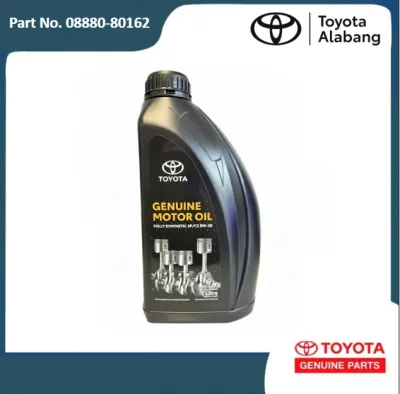
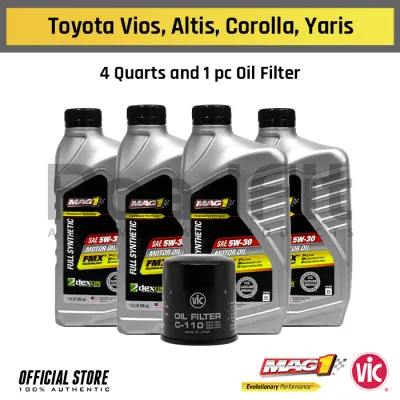
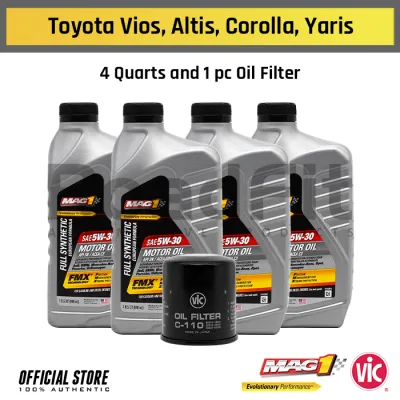
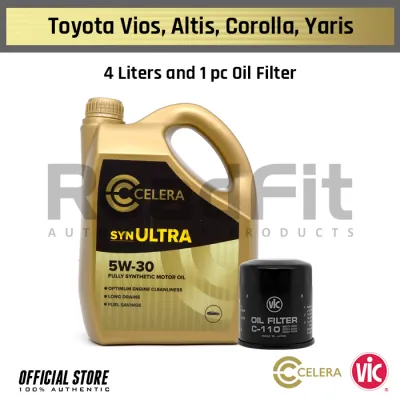
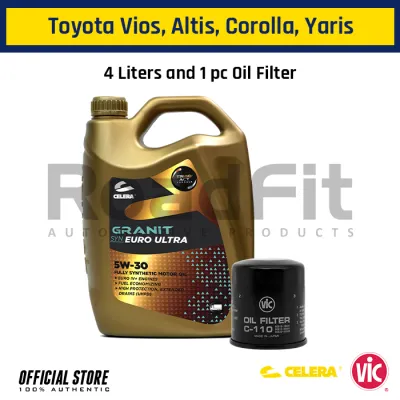
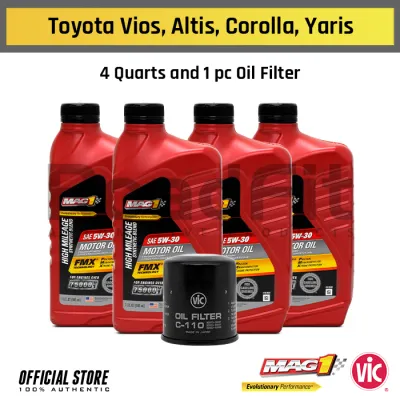
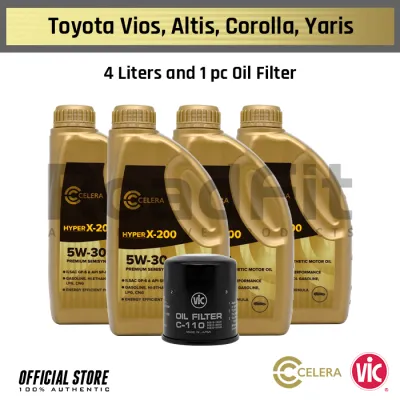
Prices are valid at publication and may change. Please refer to the product page for the latest price.
Another quick reference point is the oil filler cap located on top of the engine. Many modern vehicles have the recommended viscosity grade, such as 0W-20, stamped directly onto this cap for easy identification during routine maintenance.
It is crucial to recognize that the required grade depends on your specific Vios generation, engine code, and model year. Older generations often require slightly thicker formulations compared to the highly precise clearances of newer engines.
Avoid relying on general online forum advice or assuming that a single oil grade fits every Vios ever made. Using an incorrect viscosity can lead to poor lubrication, increased wear, or reduced fuel efficiency, so always verify your specific model’s requirements before purchasing.
Decoding the SAE Viscosity Numbers on Your Oil Bottle
When shopping for fully synthetic oil, you will see alphanumeric codes like 0W-20, 5W-30, or 10W-40 on the bottle. These ratings are established by the Society of Automotive Engineers (SAE) to describe how the oil flows at different temperatures.

The first part of the code, which ends with the letter “W”, stands for the winter rating. This number indicates the oil’s cold-start flow and pumpability when the engine is cold. A lower number before the “W” means the oil remains more fluid at low temperatures, allowing it to circulate quickly through the engine block immediately after startup.
The second number in the sequence represents the oil’s viscosity and protective film strength at normal engine operating temperatures. This rating shows how well the oil resists thinning out once the engine reaches its standard running temperature.
Generally, lower numbers indicate a thinner oil that reduces internal engine friction, which can help optimize fuel economy. Conversely, higher numbers represent a thicker protective layer that can withstand higher thermal loads, though it may introduce slightly more mechanical resistance.
Understanding these numbers helps you select an oil that matches the internal clearances of your Vios engine. Modern engines are built with incredibly tight tolerances, meaning they require thinner oils to flow properly through narrow oil passages.
What Fully Synthetic Means for Your Vios Engine
Fully synthetic oil is chemically engineered in a laboratory setting to achieve a highly uniform molecular structure. Unlike conventional mineral oils, which are refined directly from crude oil and contain natural impurities, synthetic lubricants are built from the ground up for consistent performance.
This uniform structure provides several distinct advantages for your Vios engine, including enhanced thermal stability under high heat. Fully synthetic oils resist breaking down or oxidizing, which significantly reduces the formation of harmful sludge and varnish inside the engine.
Additionally, synthetic oils maintain their flow characteristics much better at temperature extremes. They flow quickly during cold starts to prevent metal-on-metal contact and remain stable under the intense heat generated during prolonged driving.
If you own an older, high-mileage Vios that has spent its entire operating life using conventional mineral oil, you should exercise caution before switching to a fully synthetic formula. Older seals can sometimes shrink or degrade over time, and the strong detergent properties of synthetic oil might wash away old sludge deposits that were actually helping to plug minor seal gaps.
Before making a transition on an older engine, inspect your vehicle for existing oil leaks and consult a qualified mechanic to ensure the engine seals are in good condition.
Factoring in Traffic and Climate for Your Oil Choice
Operating a vehicle in tropical climates, such as in the Philippines, introduces unique environmental challenges for your engine. High ambient temperatures combined with prolonged stop-and-go traffic in urban areas can cause engine temperatures to rise significantly.
Under these severe driving conditions, the engine experiences increased thermal stress because there is less natural airflow through the radiator to help cool the system. The oil must work harder to maintain its protective barrier between moving metal parts.
If your owner’s manual permits a range of viscosity grades, you might consider a slightly higher high-temperature viscosity within that approved range for heavy traffic use. For example, if your manual explicitly lists both 0W-20 and 5W-30 as acceptable options for your climate, the 5W-30 grade offers a slightly thicker protective film at operating temperature.
However, you must never use an unapproved thicker oil, such as a 20W-50, if it is not explicitly listed in your Vios manual. Using an excessively thick oil can restrict flow through the engine’s variable valve timing (VVT-i) system, reduce fuel efficiency, and place unnecessary strain on the oil pump.
Always stick strictly to the viscosity ranges authorized by the manufacturer to ensure proper lubrication and prevent premature component wear.
Frequently Asked Questions (FAQ)
Can I mix different viscosity grades of fully synthetic oil?
Mixing different viscosity grades of fully synthetic oil is generally not recommended because it alters the overall viscosity profile of the lubricant. Each oil is formulated with a precise balance of base oils and additives designed to perform at a specific rating.
When you mix grades, you dilute these specialized additive packages, which can compromise the oil’s ability to protect your engine under extreme conditions. If you must add oil in an emergency, use the closest approved grade available, but plan to perform a full oil drain and filter change as soon as possible to restore the correct formulation.
How often should I change fully synthetic oil in my Vios?
To determine the correct oil change interval, you must consult the maintenance schedule in your owner’s manual and differentiate between normal and severe driving conditions. Frequent short trips, idling in heavy traffic, and driving in dusty or high-temperature environments typically qualify as severe driving.
While fully synthetic oil offers extended longevity compared to mineral oil, it does not eliminate the need for regular maintenance. You must still replace the oil filter during every oil change to prevent contaminants from circulating, and adhere to the time-based limits even if you have not reached the mileage limit.
Community discussion
Share your experience or ask a question. Comments are reviewed before publication.