
Maintaining a Toyota Vios requires a clear understanding of its ignition system components, specifically the spark plugs and ignition coils. To keep this popular sedan running efficiently on Philippine roads, spark plugs generally need replacement every 20,000 to 100,000 kilometers, depending on the electrode material. In contrast, ignition coils do not follow a fixed maintenance schedule and are typically replaced only when they show signs of physical wear or electrical failure, which often occurs after 100,000 kilometers.
Delaying this essential maintenance can lead to poor fuel economy, rough idling, and potential damage to other engine components. By understanding how these parts interact, recognizing early warning signs of wear, and adapting your maintenance routine to local driving conditions, you can avoid unexpected breakdowns and expensive repair bills.
Understanding How Spark Plugs and Ignition Coils Work Together
The ignition system of your Toyota Vios relies on the synchronized performance of spark plugs and ignition coils to start the engine and keep it running smoothly. The spark plug is positioned at the top of each cylinder’s combustion chamber. Its primary role is to deliver the electrical spark that ignites the compressed air-fuel mixture, initiating the combustion stroke that powers your vehicle.
Products mentioned in this guide
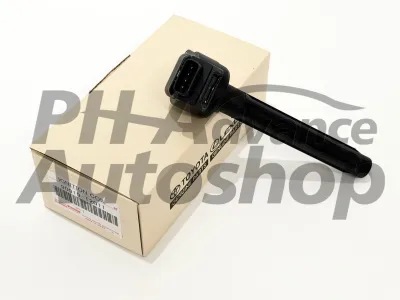
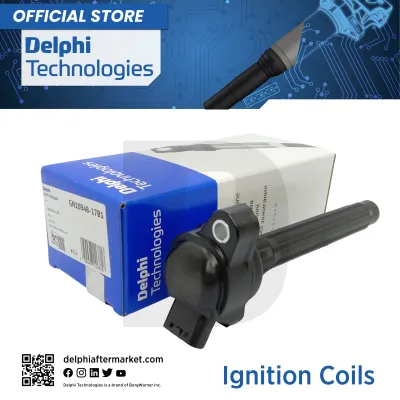
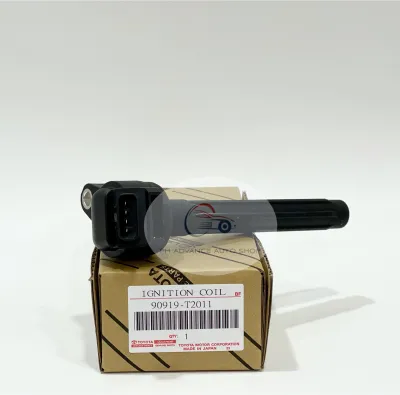
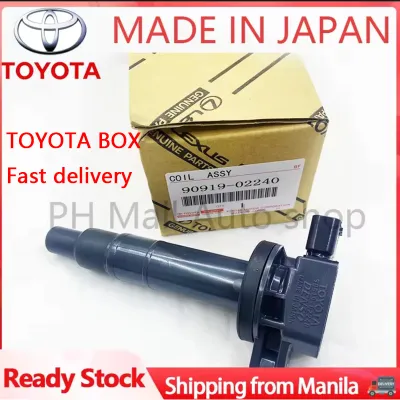

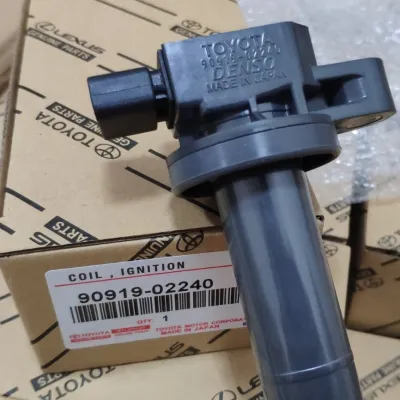
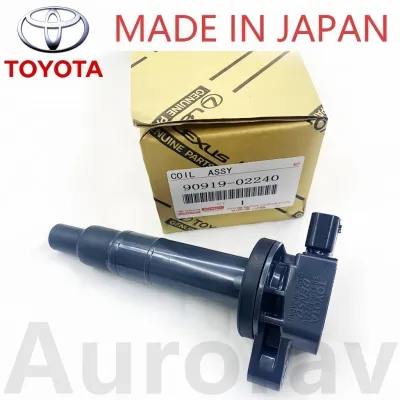
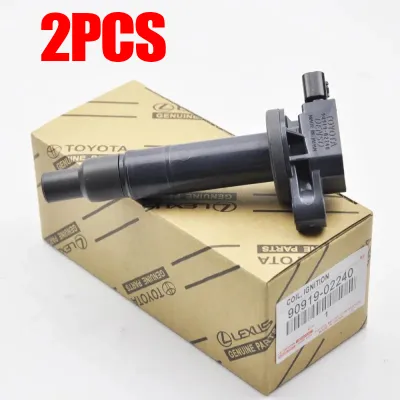
Prices are valid at publication and may change. Please refer to the product page for the latest price.
Because the vehicle’s standard 12-volt battery does not possess enough electrical pressure to force a spark across the spark plug’s gap, the ignition coil acts as a compact step-up transformer. It converts the low voltage from the battery into the tens of thousands of volts required to bridge the gap at the spark plug electrode. In modern Vios models, a Coil-on-Plug (COP) configuration is used, meaning each individual spark plug has its own dedicated ignition coil mounted directly above it.
While these two components function as a single system, they experience completely different wear mechanisms. Spark plugs are subjected to direct combustion heat, chemical deposits, and physical spark erosion, causing them to degrade relatively quickly. Ignition coils are solid-state electrical components that do not have moving parts, meaning they degrade due to heat cycling, vibration, and electrical resistance over a much longer period.
Recommended Replacement Intervals for the Toyota Vios
Determining when to replace these parts requires distinguishing between scheduled preventative maintenance and condition-based repairs. For spark plugs, the replacement interval is highly dependent on the type of plug installed in your specific Vios generation. Older generations of the Vios (such as those equipped with the 1NZ-FE engine) often utilized standard nickel or copper spark plugs, which require replacement every 20,000 to 25,000 kilometers.

Modern iterations of the Toyota Vios, particularly those featuring the 2NR-FE Dual VVT-i engine, come equipped with long-life iridium-tipped spark plugs from the factory. Iridium is highly resistant to spark erosion and high temperatures, allowing these plugs to maintain a precise gap for up to 100,000 kilometers. Always consult your specific vehicle owner’s manual to verify the exact mileage or time-based schedule recommended by the manufacturer for your model year.
Ignition coils do not have a predetermined, scheduled replacement interval in the Toyota Vios maintenance guide. Instead, they are treated as “on-demand” replacement parts. Under normal operating conditions, a high-quality ignition coil can easily last between 100,000 and 150,000 kilometers, and it is not uncommon for them to last the lifetime of the vehicle if properly cared for.
A common question among Vios owners is whether they should replace their ignition coils at the same time they change their spark plugs. Generally, there is no need to replace functioning ignition coils during a routine spark plug service. Unless a coil shows visible physical damage, such as cracking along the plastic body or degradation of the rubber boot, it can safely remain in service. Replacing them prematurely is an unnecessary expense, as high-quality coils are significantly more expensive than a set of spark plugs.
Warning Signs Your Spark Plugs Need Replacing
Recognizing the early symptoms of worn spark plugs can prevent minor drivability issues from escalating into severe engine problems. One of the most common signs of worn plugs is a rough or unstable idle. If you feel unusual vibrations through the steering wheel or seat while waiting at a red light, it may indicate that the spark plugs are struggling to provide a consistent spark to ignite the fuel.
Engine misfires are another clear indicator that your spark plugs are reaching the end of their lifespan. A misfire occurs when the air-fuel mixture fails to ignite properly, causing a temporary hesitation, sputtering, or jerky sensation during acceleration. This is often accompanied by a noticeable drop in fuel economy, as unburned fuel is wasted and pushed directly into the exhaust system.
You may also experience difficulty starting your engine, particularly in the morning or after the vehicle has been parked for an extended period. Worn electrodes require higher voltage to produce a spark, which strains the starting system. If the engine cranks longer than usual before catching, the spark plugs are a primary suspect.
If you or your mechanic perform a visual inspection, the physical appearance of the spark plug will reveal its condition. A healthy plug will have a light grayish or tan deposit on the tip. If you observe heavy black carbon buildup (carbon fouling), wet engine oil on the threads (oil fouling, often caused by a leaking valve cover gasket), or a visibly rounded and widened electrode gap, the plugs must be replaced immediately.
Symptoms of a Failing Ignition Coil
While some symptoms of a failing ignition coil overlap with those of worn spark plugs, coil failures tend to produce more severe and sudden performance drops. The most immediate sign of a failing ignition coil is the illumination of the Check Engine Light (CEL) on your dashboard. The vehicle’s Engine Control Unit (ECU) constantly monitors cylinder performance and will trigger diagnostic trouble codes (DTCs) such as P0300 (random/multiple cylinder misfire) or specific cylinder codes like P0301 through P0304.
A failing coil often causes severe engine shaking and a dramatic loss of power under load. For instance, you might notice the engine struggling significantly when you turn on the air conditioning or attempt to drive up a steep incline. In severe cases, the engine may stall completely when coming to a stop and prove difficult to restart.
Ignoring a bad ignition coil can lead to catastrophic damage to other parts of your Toyota Vios. When a cylinder fails to fire because of a dead coil, raw fuel is pumped directly into the exhaust manifold. This unburned fuel enters the catalytic converter, where it ignites due to the extreme operating temperatures, melting the internal ceramic catalyst and requiring a highly expensive replacement.
To diagnose a suspected ignition coil issue accurately, use an OBD2 scanner to identify which cylinder is misfiring. A reliable diagnostic trick is to swap the suspected ignition coil with a functioning one from an adjacent cylinder. If the misfire code moves to the new cylinder on your scanner, you have confirmed that the ignition coil is faulty and must be replaced.
Local Driving Conditions That Shorten Component Lifespan
Operating a vehicle in the Philippines presents unique environmental challenges that can accelerate the wear of both spark plugs and ignition coils. Intense stop-and-go traffic, typical of major metropolitan areas like Metro Manila or Cebu, forces the engine to spend prolonged periods idling. High idle times increase the thermal load under the hood because there is minimal natural airflow to cool the engine bay, accelerating the breakdown of electrical insulation within the ignition coils.
High ambient temperatures combined with extreme tropical humidity further stress these components. Over time, the constant cycle of extreme heat and moisture can cause the rubber boots of the ignition coils to dry out, harden, and crack. Once the boot is compromised, the high-voltage current can leak or “arc” directly onto the metal cylinder head instead of reaching the spark plug, resulting in a misfire.
Additionally, varying fuel quality and frequent short trips where the engine does not reach its optimal operating temperature can accelerate carbon deposit accumulation on the spark plug electrodes. This carbon fouling acts as an insulator, preventing the plug from sparking efficiently and necessitating more frequent inspections and replacements than those specified for vehicles driven in milder climates.
Best Practices for Sourcing and Replacing Ignition Parts
When sourcing replacement parts for your Toyota Vios, prioritizing quality over the lowest price is essential for long-term reliability. It is highly recommended to use Original Equipment Manufacturer (OEM) parts or reputable, established aftermarket brands like Denso or NGK, which are the original suppliers for many Toyota vehicles. Be cautious of exceptionally cheap components found on online marketplaces, as counterfeit spark plugs and ignition coils are common and can cause severe engine damage or electrical short circuits.
When performing a replacement, always replace your spark plugs as a complete set of four. This ensures uniform combustion pressure and electrical resistance across all cylinders, promoting a smooth idle and balanced engine wear. For ignition coils, individual replacement is acceptable if only one unit has failed, though you should inspect the remaining coils for signs of physical cracking or boot degradation.
Before undertaking any replacement work, ensure the engine is completely cool to the touch. The cylinder head of the Toyota Vios is made of aluminum, which expands when hot; attempting to remove spark plugs from a hot engine can easily strip the delicate threads in the spark plug wells. Always use a calibrated torque wrench to tighten the new spark plugs to the manufacturer’s exact specifications, as overtightening can damage the plug or the cylinder head, while undertightening can cause compression leaks.
If you do not possess the proper tools, such as a dedicated spark plug socket, extension bars, and a torque wrench, or if you feel uncomfortable handling high-voltage electrical components, consult a qualified professional mechanic. A certified technician can perform the replacement safely, verify the repair using diagnostic equipment, and ensure your Vios continues to operate reliably.
Frequently Asked Questions (FAQ)
Can I replace just one spark plug or ignition coil on my Vios?
You should always replace spark plugs as a complete set of four to maintain balanced engine combustion and performance. Replacing only one plug can cause uneven power delivery and rough idling because the older plugs will have different electrical resistance and wider gaps than the new one. However, you can replace a single ignition coil individually if it fails, provided the other three coils are tested and confirmed to be in good working condition.
Can worn spark plugs damage the ignition coils?
Yes, severely worn spark plugs can directly cause your ignition coils to fail prematurely. As a spark plug’s electrode wears down, the physical gap between the center and ground electrodes widens, requiring a significantly higher voltage to jump the gap and create a spark. This forces the ignition coil to work much harder and generate higher temperatures internally, which degrades its internal insulation and eventually burns out the coil’s electrical windings.
Community discussion
Share your experience or ask a question. Comments are reviewed before publication.