
Choosing the right spark plug for your Toyota Wigo is one of the most straightforward yet impactful maintenance decisions you can make for your vehicle. As a highly popular compact hatchback in the Philippines, the Wigo is celebrated for its exceptional fuel efficiency and nimble handling in dense city traffic. However, maintaining that efficiency requires a healthy ignition system, at the heart of which are three spark plugs. Deciding whether to install copper, platinum, or iridium spark plugs involves balancing upfront costs, long-term durability, and your personal maintenance habits.
While copper plugs offer excellent electrical conductivity at a very low initial price, they require frequent replacement. On the other hand, platinum and iridium options cost more upfront but provide significantly longer service lives and more consistent ignition under demanding driving conditions. Because the Wigo features a compact three-cylinder engine, you only need to purchase three plugs per change, making even premium material upgrades highly affordable compared to larger vehicles. Ultimately, the best choice depends on how often you want to service your car and the specific driving conditions you encounter daily.
Core Differences: Copper vs Platinum vs Iridium
To understand why these three materials perform differently, it is helpful to look at their physical properties and how they handle the extreme environment inside your engine’s combustion chamber. Every time a cylinder fires, the spark plug must withstand thousands of volts of electricity, intense heat, and high pressure. Over time, this electrical activity wears away the metal on the spark plug’s electrodes, widening the gap and making it harder for a spark to jump across.
Products mentioned in this guide
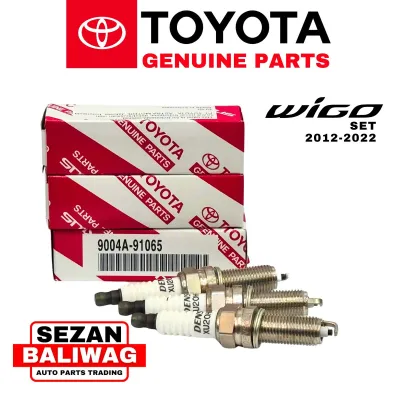
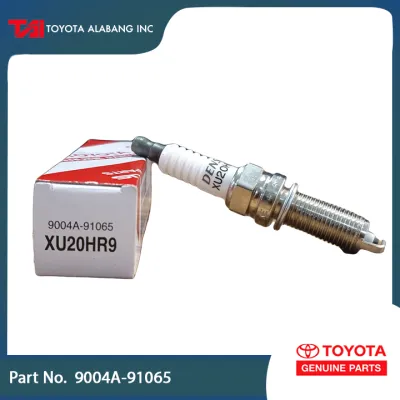
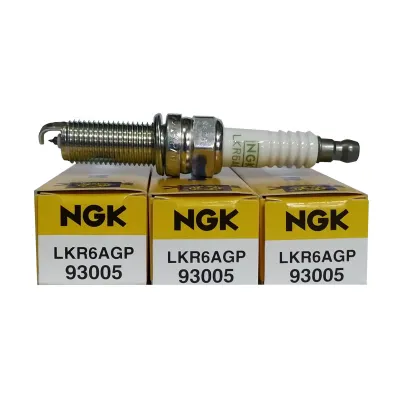
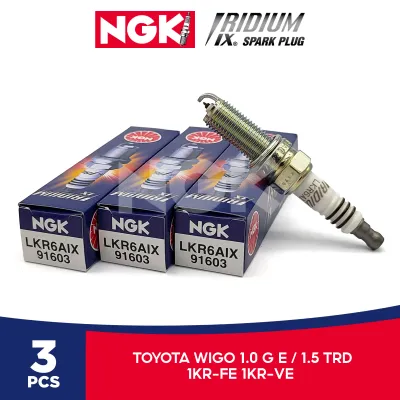
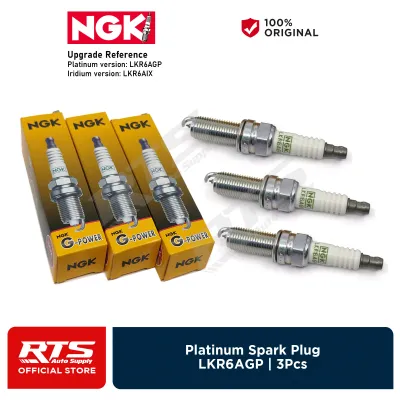
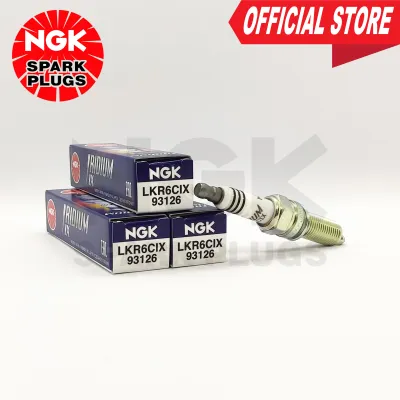
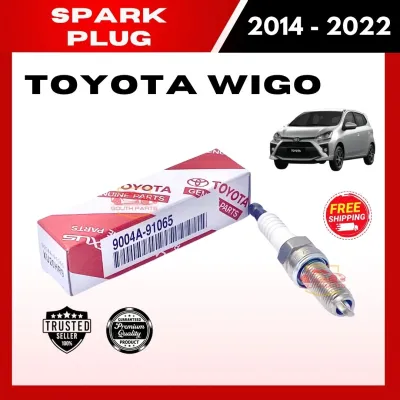
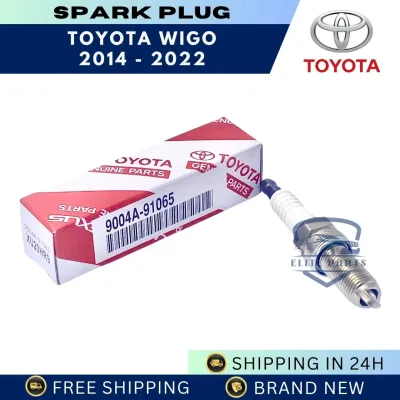
Prices are valid at publication and may change. Please refer to the product page for the latest price.
Traditional copper spark plugs do not actually have solid copper electrodes, as copper has a relatively low melting point and would wear out almost instantly. Instead, they feature a copper core encased in a nickel-alloy outer sheath. Nickel is a decent conductor, but it has a lower resistance to spark erosion compared to precious metals. To compensate for this faster wear rate, copper plugs are designed with larger electrode diameters. While this design conducts heat and electricity exceptionally well, the broad electrode requires more voltage to generate a spark as the metal gradually degrades.
Platinum and iridium are precious metals with incredibly high melting points and superior resistance to electrical wear. This extreme durability allows manufacturers to design spark plugs with much finer center electrodes. While a standard copper electrode might measure around 2.5 millimeters in diameter, an iridium electrode can be as thin as 0.6 millimeters. This fine-wire design concentrates the electrical charge at a single, precise point, allowing a strong spark to jump the gap with significantly less voltage from the ignition coils.
Because precious metals resist wear so effectively, they maintain their optimal electrode gap for a much longer duration. In contrast, the softer nickel alloy on copper plugs erodes relatively quickly, causing the gap to widen and forcing the ignition system to work harder over time. While copper plugs sit at the bottom of the durability hierarchy, platinum serves as a durable mid-tier option, and iridium represents the premium standard for longevity. However, because actual lifespan varies based on engine health and driving habits, you should always check the specific manufacturer’s packaging for exact mileage ratings.
Performance and Value Trade-offs for the Toyota Wigo
When evaluating spark plugs for a Toyota Wigo, you must weigh the initial purchase price against the long-term cost of ownership and maintenance convenience. In the Philippines, where daily commutes often involve prolonged idling in heavy traffic and exposure to high tropical humidity, spark plugs are subjected to demanding thermal cycles. These conditions can accelerate carbon fouling and electrode wear, making your choice of material highly relevant to your daily drive.

From a budget perspective, copper plugs are highly appealing due to their low upfront cost. However, because they wear out much faster than precious metal alternatives, they require more frequent replacement. If you rely on a professional mechanic for maintenance, the labor fees for multiple spark plug changes can quickly surpass the initial savings of buying cheaper plugs. Conversely, investing in platinum or iridium plugs reduces the frequency of garage visits, saving you both time and labor costs over the lifespan of the vehicle.
The performance differences between these materials become most noticeable during daily driving scenarios. In stop-and-go city traffic, a consistent and strong spark is crucial for maintaining a smooth engine idle and preventing hesitation when you accelerate. Because platinum and iridium plugs require less voltage to fire, they help ensure reliable combustion even when the engine is idling hot or starting up on a damp morning. This consistent ignition can lead to smoother throttle response and more stable idling compared to worn copper plugs.
To help visualize these trade-offs, the table below outlines the general characteristics of each spark plug material type. Note that price tiers and lifespans are relative and should always be verified against specific product labels and local retailer pricing.
| Material Type | Relative Lifespan Tier | Relative Price Tier | Ideal Use Case |
|---|---|---|---|
| Copper | Standard | Low (₱) | Budget-conscious drivers willing to perform frequent maintenance |
| Platinum | Extended | Medium (₱₱) | Drivers seeking a balance of longevity and moderate upfront cost |
| Iridium | Maximum | High (₱₱₱) | Daily commuters wanting maximum durability and minimal maintenance |
Decision Guide: Which Type Fits Your Driving Profile?
Choosing the right spark plug type is a matter of matching the material’s characteristics to your personal driving profile, maintenance preferences, and budget. There is no single option that suits every Wigo owner perfectly, but analyzing your driving habits can point you toward the most logical choice.
You should choose copper spark plugs if your primary goal is minimizing immediate, out-of-pocket expenses and you do not mind performing regular vehicle maintenance. If you enjoy working on your car yourself and view spark plug changes as a simple weekend task, the low cost of copper makes it a highly practical choice. It is also an excellent option if you plan to sell the vehicle in the near future or if the car is driven only occasionally for short neighborhood trips.
You should choose platinum spark plugs if you want a reliable, mid-range option that offers a significant upgrade in durability without a massive price jump. Platinum is ideal for Wigo owners who want to extend their service intervals beyond what copper can offer but are not quite ready to pay the premium for iridium. It provides a highly balanced solution for standard daily commuting, offering dependable starting and smooth idling over an extended period.
You should choose iridium spark plugs if you prioritize maximum reliability, long-term convenience, and consistent engine performance. If your Wigo is a daily workhorse used for long commutes, ride-sharing, or commercial deliveries, the durability of iridium is unmatched. By minimizing the number of times you need to open the engine bay for ignition service, iridium plugs offer the lowest total cost of ownership per kilometer and the greatest peace of mind.
Before making your final decision, it is critical to verify your vehicle’s warranty status. If your Toyota Wigo is still covered by an active manufacturer warranty, using spark plugs that do not match the exact specifications or material types recommended in your service manual could potentially complicate future warranty claims. Always consult your authorized dealer or check your warranty documentation to ensure your chosen upgrade is fully compliant with their terms.
Verifying Compatibility and Safe Replacement Boundaries
Before purchasing any new spark plugs, you must verify that they are fully compatible with your specific Toyota Wigo model year. Spark plugs are not universal; they vary in thread diameter, thread length (reach), hex size, and heat range. Installing a plug with the wrong dimensions can cause severe, irreversible engine damage, such as a piston striking the electrode. Always consult your official Toyota owner’s manual to locate the exact recommended part numbers and specifications.
Even when buying high-quality plugs, you must check and adjust the electrode gap before installation. While many premium plugs come pre-gapped from the factory, the gap can easily be altered if the plug is bumped or dropped during shipping. Use a precise spark plug gap tool to measure the clearance between the center and ground electrodes, ensuring it matches the exact measurement specified in your vehicle’s manual. Be extremely gentle when adjusting the gap on platinum or iridium plugs, as applying leverage directly to the delicate precious-metal tips can easily fracture them.
Working on your vehicle’s ignition system requires strict adherence to safety boundaries. Always ensure the engine is completely cool to the touch before attempting to remove the old spark plugs, as aluminum cylinder heads are highly susceptible to thread damage when hot. If you encounter stiff resistance while unscrewing a plug, stop immediately; forcing it can strip the threads in the cylinder head, leading to an incredibly expensive repair. Always use a calibrated torque wrench to tighten the new plugs to the manufacturer’s exact torque specifications, and if you feel uncomfortable with any part of the process, do not hesitate to hand the job over to a qualified professional mechanic.
Frequently Asked Questions (FAQ)
Can I mix different spark plug materials in my Toyota Wigo?
No, you should never mix different spark plug materials across the cylinders of your Toyota Wigo. Each material has distinct electrical resistance, heat dissipation properties, and wear rates. Mixing them can cause uneven combustion, inconsistent ignition timing, and cylinder-to-cylinder power imbalances, leading to a rough idle, increased engine vibration, and potential long-term engine wear. Always replace all three spark plugs as a complete, matching set.
How do I know if my current spark plugs need replacing?
Common signs of worn spark plugs include a rough or vibrating idle, difficulty starting the engine (especially on damp or humid mornings), a noticeable drop in fuel efficiency, and sluggish acceleration when you step on the gas. If your check engine light begins flashing or stays illuminated, it may indicate an engine misfire caused by a failing spark plug, requiring immediate inspection.
Community discussion
Share your experience or ask a question. Comments are reviewed before publication.