
The choice between track racing and trail riding motocross boots comes down to a fundamental trade-off between rigid, high-impact safety and flexible, all-day walking comfort. Track racing requires maximum structural stiffness to prevent severe ankle rotation during high-speed jumps and hard landings. Conversely, trail riding demands a more flexible boot with high-traction soles to navigate unpredictable, muddy terrain on foot during frequent dismounts.
Selecting the wrong type of boot can lead to premature fatigue, compromised bike control, or inadequate protection when you need it most. By understanding how these designs differ, you can invest in gear that matches your specific riding environment and safety requirements.
The Core Difference: Track Protection vs. Trail Comfort
Track racing and trail riding impose entirely different physical demands on a rider, which is reflected in how manufacturers engineer their footwear. Track boots are designed like rigid shells, prioritizing absolute structural integrity. They are built to withstand high-speed crashes, heavy bike impacts, and the extreme vertical forces experienced when landing jumps on a prepped motocross track.
Products mentioned in this guide
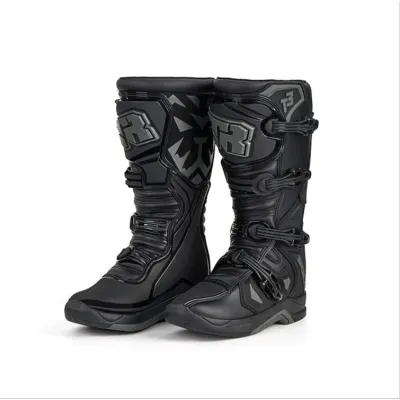
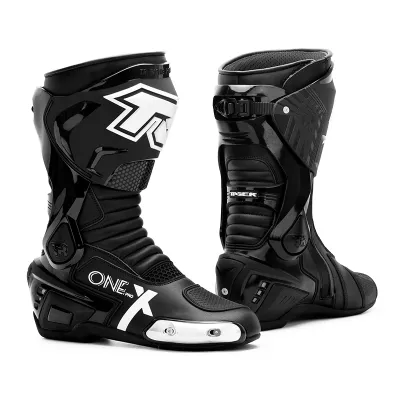
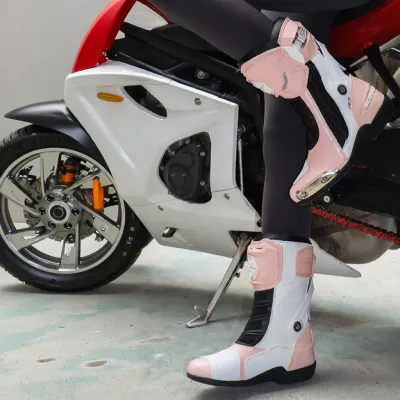
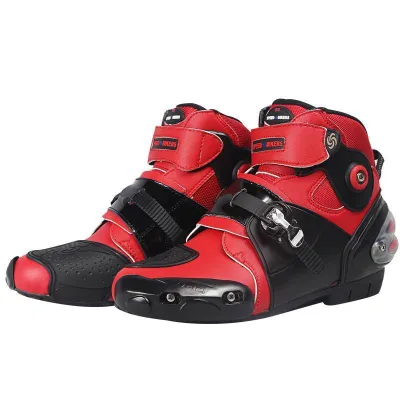
Prices are valid at publication and may change. Please refer to the product page for the latest price.
In contrast, trail boots focus on endurance, environmental adaptability, and off-bike mobility. When riding through tight woods, rocky riverbeds, or steep mountain paths, you are much more likely to dismount, push your bike, or scout obstacles on foot. Trail boots facilitate these movements by incorporating flexible zones and high-traction outsoles.
Your primary riding discipline should dictate your final choice. If you spend most of your time on a closed motocross course, safety demands the stiffest, most protective boot available. If your weekends consist of long, exploratory rides through varying natural terrain, prioritizing comfort and walking traction will prevent exhaustion and keep you in control.
Track Racing Boots: Built for High-Speed Impacts and Rigid Support
Maximum Impact Protection and Armor
Track racing boots utilize extensive thermoplastic polyurethane (TPU) plating to shield your lower legs from severe impacts. The shin plates are thick and wide, designed to deflect heavy roost kicked up by front riders, as well as direct hits from runaway bikes or hard track barriers. Reinforced ankle cups and heavy-duty toe boxes protect your feet from being crushed under the bike during a high-speed slide.

This dense armor creates a bulky outer profile, which is necessary to absorb and disperse high-energy impacts. The interior is heavily padded with shock-absorbing foam that molds to your foot, ensuring that sudden forces are not transmitted directly to your bones or joints.
Stiffness and Hinge Systems
The defining characteristic of a premium track boot is its mechanical ankle hinge system. These hinges are engineered to allow natural forward and backward movement for shifting and braking, while strictly limiting lateral movement. By preventing the ankle from rolling or twisting sideways, these systems significantly reduce the risk of severe sprains and fractures.
To support this rigid upper structure, track boots feature exceptionally stiff soles, often reinforced with an internal steel shank. This stiffness prevents the arch of your foot from collapsing or fatiguing when absorbing heavy landings on the footpegs. However, this rigid construction makes walking highly restrictive, resulting in a stiff, ski-boot-like gait.
Weight and Ventilation Trade-offs
Because track boots prioritize maximum structural safety, they are generally heavier than their trail counterparts. The combination of thick plastic armor, metal buckles, and internal hinge mechanisms adds noticeable weight to the lower leg, which can tire out untrained muscles during long sessions.
Ventilation in track boots is typically highly targeted. Since motocross motos are relatively short and intense, manufacturers focus on localized perforated zones or air intake vents rather than complete weatherproofing. These boots are designed to let heat escape quickly during high-exertion riding, but they offer little to no protection against water ingress when crossing streams or riding in heavy rain.
Trail Riding Boots: Designed for Flexibility and All-Day Endurance
Walkability and Sole Grip
The most significant physical difference in a trail-specific boot is the outsole design. While track boots feature smooth, low-profile soles designed to slide easily along prepped dirt, trail boots utilize aggressive, multi-directional lugged patterns. These deep treads are essential for securing traction when walking on wet clay, slippery rocks, or steep, muddy slopes.
Additionally, the mid-sole of a trail boot is engineered with a more forgiving flex profile. While it still offers sufficient support to prevent foot strain on the pegs, it allows your foot to bend more naturally. This balance improves your feel on the rear brake pedal and gear shifter, which is crucial when navigating technical, low-speed obstacles where precise control is mandatory.
Flexibility and Comfort for Long Rides
Trail riding often involves hours in the saddle, making long-term comfort a primary concern. Trail boots incorporate softer leather or synthetic microfiber flex zones around the ankle and Achilles tendon. This reduced rigidity prevents painful pinch points and hot spots from developing over a long day of riding.
The hardware on trail boots is also streamlined to prevent snagging. Buckles and straps are often recessed or low-profile to ensure they do not catch on passing branches, vines, or deep ruts. This sleeker design, combined with a lighter overall weight, reduces leg fatigue, allowing you to ride longer without physical exhaustion.
Climate and Weather Considerations
Riding in tropical climates, such as the humid conditions frequently encountered in the Philippines, requires careful consideration of moisture management. High humidity and heat can cause rapid sweat buildup inside a sealed boot, leading to discomfort and painful blisters. Many trail riders opt for highly breathable, non-waterproof boots that allow maximum airflow to keep feet dry.
However, if your trails involve frequent river crossings, deep mud, or wet monsoon riding, waterproof membranes are highly beneficial. Premium trail boots often feature breathable, waterproof linings that keep external water out while allowing sweat vapor to escape. Always verify the specific weatherproofing technology on the manufacturer’s specification sheet to match your riding climate.
Feature Breakdown: Track vs. Trail Boots at a Glance
When choosing your next pair of boots, comparing their primary design elements side-by-side can help clarify which features align with your riding style.
| Feature | Track Racing Boots | Trail Riding Boots |
|---|---|---|
| Primary Use | High-speed closed-course racing | Off-road trail, woods, and adventure |
| Ankle Support | Rigid mechanical hinge; maximum lateral lock | Flexible lateral movement; soft flex zones |
| Sole Stiffness | Extremely rigid with internal steel shank | Moderately stiff to flexible for peg feel |
| Outsole Design | Smooth, low-profile for easy sliding | Aggressive, multi-directional lugged tread |
| Walking Comfort | Very low; highly restricted movement | Moderate to high; natural walking gait |
| Weight Profile | Heavy due to extensive armor and hinges | Light to moderate for reduced leg fatigue |
| Best Terrain | Prepped clay, sand tracks, and jumps | Mud, wet rocks, single-track, and forest trails |
Please note that terms like stiffness and weight are relative and can vary significantly between different brands and price points. Before making a purchase, always verify these specifications against the manufacturer’s official sizing guides and product documentation to ensure a proper fit. No single metric determines the best overall boot; the ideal choice is the one that matches your most frequent riding environment.
Can You Use the Same Boots for Both Track and Trail?
If your riding style spans both disciplines, you might wonder if a single pair of boots can handle both environments. Manufacturers have addressed this demand by creating crossover or hybrid boots. These models attempt to strike a balance, combining a moderately rigid ankle support system with a lugged, high-traction sole.
However, hybrid boots inherently involve compromises. They are typically heavier and stiffer than dedicated trail boots, which can make long walks tiring. At the same time, they lack the extreme lateral bracing and heavy-duty impact armor of dedicated track boots, which may leave you vulnerable to severe ankle rolls or foot crush injuries during high-speed track crashes.
To make the right decision, evaluate your budget and riding frequency:
- Choose a single hybrid pair if you are a casual rider, participate in mixed weekend trail rides with occasional light track play, or face budget constraints. A quality hybrid boot provides versatile protection and functional grip without the expense of buying two separate pairs. Crossover options in the mid-range price bracket (typically ₱12,000 to ₱22,000) offer an excellent balance of durability and safety.
- Invest in two dedicated pairs if you participate in competitive track racing and also spend significant time on highly technical, muddy trail rides. Using a stiff track boot on a wet trail can lead to dangerous slips during dismounts, while wearing a flexible trail boot on a motocross track exposes you to high-speed joint injuries. In this scenario, specialized performance is critical to your safety.
Frequently Asked Questions (FAQ)
Do I need a specific boot for enduro racing?
Enduro racing boots are specifically designed to bridge the gap between track and trail requirements. Because enduro courses feature both high-speed stages and highly technical, muddy obstacles, these boots lean heavily toward trail-oriented features like aggressive lugged soles for walking traction. However, they incorporate much stiffer ankle support systems and heavier impact plating than standard trail boots to protect against high-speed impacts with rocks and trees.
How tight should motocross boots feel when trying them on?
Motocross boots should feel snug and secure, but they should never cause pain, numbness, or pressure points. Track boots will feel exceptionally stiff and restrictive out of the box due to the thick protective plastics, requiring a dedicated break-in period before they feel natural. Trail boots should allow slight toe movement while keeping your heel firmly locked in place without slipping. Always consult the manufacturer’s specific sizing guide, and try the boots on while wearing your thick riding socks and any knee braces or shin guards you plan to use to ensure proper calf clearance.
Community discussion
Share your experience or ask a question. Comments are reviewed before publication.