
Choosing between trail boots and motocross boots comes down to a clear assessment of your riding environment, your speed, and how often your feet touch the ground. If your weekend rides consist of navigating technical, muddy single-tracks where you frequently need to dismount, push, or scout obstacles on foot, trail boots provide the essential sole traction and ankle flexibility you need. Conversely, if you spend your time on closed-course tracks, launching off jump faces, or riding at high speeds where lateral crush forces and heavy impacts are constant risks, the uncompromising rigidity of motocross boots is non-negotiable. Selecting the wrong type does not just cause discomfort; it directly compromises your control over the motorcycle and your physical safety.
To make an informed investment, you must analyze how each boot category is engineered. While they may look similar to the untrained eye, their structural designs serve entirely different mechanical purposes. Balancing the trade-offs between rigid armor and flexible mobility will help you identify the exact footwear required for your specific riding style.
Understand the Core Differences in Design and Protection
The structural differences between trail boots and motocross boots start from the ground up, beginning with the sole. Motocross boots typically feature a highly rigid, flat sole, often reinforced with an internal steel shank to prevent the foot from wrapping around the footpeg during hard landings. This stiffness is excellent for distributing high-impact forces across the entire foot, but it makes walking feel incredibly stiff and awkward. Trail boots, on the other hand, incorporate a more pliable sole with a lugged tread pattern, similar to a heavy-duty hiking boot, allowing you to grip slippery rocks, wet clay, and loose soil when you are off the bike.
Products mentioned in this guide
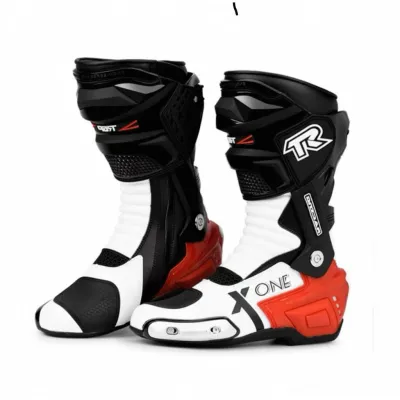
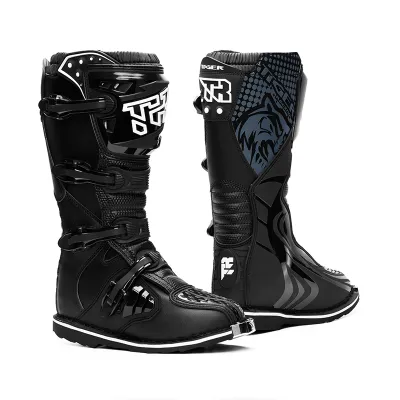
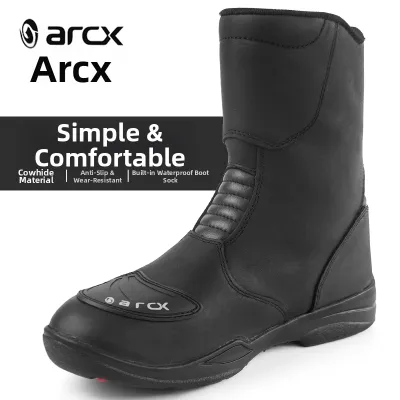
Prices are valid at publication and may change. Please refer to the product page for the latest price.
Ankle support mechanisms represent another critical point of divergence. High-end motocross boots utilize sophisticated, rigid hinge systems or external plastic cuffs designed to limit lateral movement, preventing hyperextension and ankle breaks during high-speed crashes. Trail boots prioritize a degree of lateral flexibility, allowing you to flex your ankle naturally to maintain balance during low-speed, technical maneuvers. While some premium trail boots do feature hinge systems, they are generally tuned to allow a wider range of motion than their track-focused counterparts.
Weight is a major factor that directly influences rider fatigue, especially during long, hot days in tropical climates like the Philippines. Motocross boots are heavily armored with thick plastic shin plates, calf guards, and steel toe caps, making them significantly heavier. Carrying this extra weight on your legs can quickly drain your energy when you are constantly wrestling a bike through tight terrain. Trail boots reduce this physical strain by using lighter materials and less bulky armor, keeping your legs fresher during all-day adventure rides.
The protective coverage of the upper boot also varies to match different threat profiles. Motocross boots feature massive, wrap-around shin plates and heavy-duty calf protection to shield your legs from flying roost, runaway footpegs, and direct impacts with other bikes on a crowded track. Their toe boxes are incredibly stiff and crush-resistant to protect your toes from being smashed against track barriers or under a fallen motorcycle. Trail boots still offer robust shin and toe protection, but the armor is often slimmer and more integrated, prioritizing a lower profile that easily slips under riding pants and reduces snag hazards in dense brush.
Assess Your Typical Riding Terrain and Environment
Your choice of boot must align with the physical surfaces and obstacles you encounter most frequently. Closed-course motocross tracks feature hard-packed dirt, deep ruts, and massive jump faces that subject your body to extreme vertical forces. In this environment, the flat, smooth sole of a motocross boot is a distinct advantage, allowing you to slide your foot smoothly over the dirt when cornering without catching an edge. The rigid chassis of the boot acts as an extension of your bike’s suspension, absorbing the violent energy of flat landings and casing jumps.

Technical single-track trails present an entirely different set of challenges, particularly in wet, humid tropical regions where trails are often slick with mud, wet roots, and mossy rocks. If you wear a smooth-soled motocross boot in these conditions, you will struggle to find traction the moment you have to step off your bike to push through a steep, muddy incline or cross a slippery riverbed. Trail boots, with their deep, aggressive lugs, are specifically engineered to bite into loose terrain, giving you the stable footing necessary to recover your bike or walk a difficult section before riding it.
Using a highly specialized boot in the wrong environment introduces serious physical trade-offs and safety compromises. Wearing a flexible trail boot on a motocross track exposes your ankles and shins to severe, high-velocity impacts that the boot’s softer structure cannot fully absorb. Conversely, wearing ultra-rigid motocross boots on a technical trail ride can lead to dangerous slips and falls when walking on wet obstacles, and the lack of ankle feedback can make it difficult to feel your rear brake pedal and shift lever, leading to clumsy control inputs.
Evaluate Your Riding Intensity and Risk Exposure
Beyond the terrain itself, you must evaluate your riding intensity, speed, and overall risk exposure. High-speed riding naturally increases the kinetic energy involved in a crash, requiring maximum impact absorption and structural rigidity. If your riding style involves pinning the throttle in third or fourth gear across open fields, fire roads, or natural terrain tracks, you face a higher risk of high-speed impacts with hidden rocks or tree stumps. In these scenarios, the maximum protection of a motocross boot is essential to prevent catastrophic lower-limb injuries.
For riders who prefer low-speed, highly technical maneuvers—such as hard enduro, trials-style riding, or navigating tight, winding forest paths—the priorities shift toward bike feel, balance, and precise control. At lower speeds, you need to feel exactly how much pressure you are applying to the footpegs and controls. The enhanced ankle mobility of a trail boot allows you to shift your body weight dynamically, helping you maintain traction and balance on unstable surfaces where a split-second dab of your foot can save you from a tip-over.
Your skill progression and future riding goals should also influence your decision. If you are a casual weekend rider who enjoys exploring scenic fire roads at a relaxed pace, a comfortable, protective trail boot will serve you well for years. However, if you find yourself riding more aggressively, pushing your limits, or planning to transition into competitive local racing events, upgrading to a highly rigid motocross boot is a smart safety investment. As your speed and jumping frequency increase, your protective gear must evolve to match the heightened level of risk.
The Fit and Compatibility Checklist Before Purchasing
Before committing to a purchase, it is vital to ensure your chosen boots integrate seamlessly with your existing riding gear. Always try on new boots while wearing the exact socks you plan to ride in, as thick, moisture-wicking off-road socks can significantly alter how a boot fits. If you wear knee braces or bulky knee guards, make sure to wear them during the fitting process; many modern men’s off-road boots feature adjustable calf straps and expandable shin plates specifically designed to accommodate these protective items.
When testing the fit, pay close attention to heel lock and toe box clearance. Your heel should remain firmly seated at the back of the boot when you walk or flex your ankles; excessive heel lift can cause painful blisters and reduce your control over the bike. Your toes should have enough room to wiggle slightly without pressing hard against the front of the toe box, which can lead to bruised toes during hard impacts. Additionally, verify that the buckle system operates smoothly and can be adjusted easily even when coated in trail mud or dust.
Finally, prepare yourself for the break-in process, which varies dramatically between the two boot styles. Motocross boots are notoriously stiff out of the box due to their heavy plastic armor and thick soles, often requiring several hours of riding or walking to flex naturally. Trail boots, with their softer leather and synthetic construction, typically require very little break-in time and feel comfortable almost immediately. Understanding these differences will help you set realistic expectations and avoid discomfort during your first few rides in your new gear.
Frequently Asked Questions (FAQ)
Can I use motocross boots for trail riding?
Yes, you can wear motocross boots for trail riding, but you will face significant trade-offs in comfort and traction. The smooth, rigid soles of motocross boots offer very little grip on wet rocks, mud, or steep slopes, making walking or pushing your bike highly difficult and dangerous. Additionally, the extreme stiffness and heavy weight of these boots can lead to rapid leg fatigue during long, technical trail rides.
Are trail boots safe enough for track jumping?
No, trail boots are generally not recommended for track jumping or high-speed motocross riding. They lack the rigid internal shanks, heavy-duty ankle hinge systems, and thick shin armor required to absorb the massive vertical impact forces of jump landings or protect against high-velocity track crashes. Using them on a track increases your risk of severe ankle sprains, fractures, and crush injuries.
How do I know when it is time to replace my off-road boots?
You should replace your off-road boots when you observe signs of structural compromise that threaten your safety. Inspect the soles for excessive wear, deep gouges, or separation from the boot chassis, which can cause your foot to slip off the pegs. Check for broken buckles, cracked plastic shin plates, torn stitching, or a failing ankle hinge mechanism, as these issues prevent the boot from providing proper support and impact protection.

Community discussion
Share your experience or ask a question. Comments are reviewed before publication.