
Quick Answer: When to Choose TRC vs Other Brake Rotors
Choosing the right motorcycle brake rotor is a critical decision that directly impacts your safety, stopping distance, and overall riding experience. If you are looking for a cost-effective, reliable replacement for daily commuting, a trc rotor disc is a highly practical choice. These rotors are widely popular in the Philippines for underbone motorcycles and automatic scooters, offering a budget-friendly way to restore standard braking performance without breaking the bank. They perform reliably under normal operating conditions, making them ideal for riders who prioritize economy and daily utility.
However, if your riding style involves high-speed track days, aggressive mountain carving, or carrying heavy loads on long provincial tours, investing in premium or specialized high-carbon aftermarket brands is often the safer and more durable path. Premium brands typically offer advanced metallurgy and floating designs that handle extreme thermal stress better than standard budget replacements. The absolute “best” brand does not exist; instead, the ideal choice depends on your specific motorcycle model, typical road conditions in your area, and your budget constraints. Balancing these factors ensures you select a rotor that keeps you safe on the road.
Understanding the TRC Rotor Disc Profile
To make an informed purchasing decision, you must first understand where the trc rotor disc sits in the automotive aftermarket hierarchy. Primarily positioned as an accessible, budget-to-mid-range replacement option, these discs are designed to match the fit and basic function of Original Equipment Manufacturer (OEM) components. They are particularly common for popular commuter models like the Yamaha Mio, Honda Click, and Suzuki Raider, where owners frequently seek affordable maintenance parts that do not sacrifice daily reliability.
Products mentioned in this guide
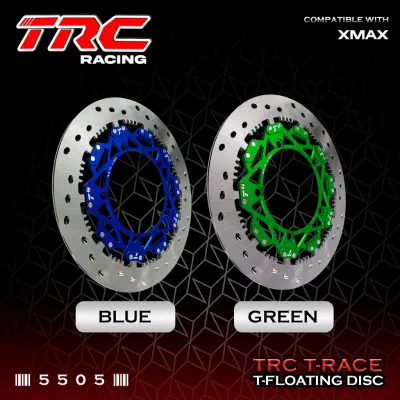
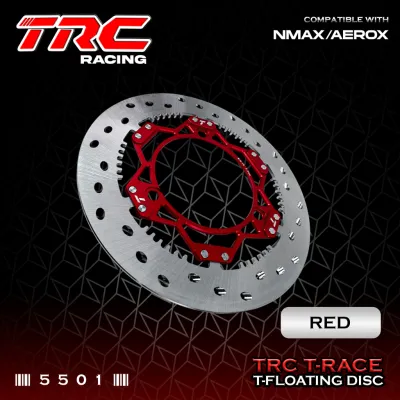
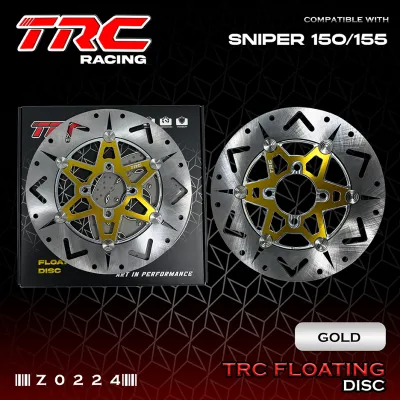
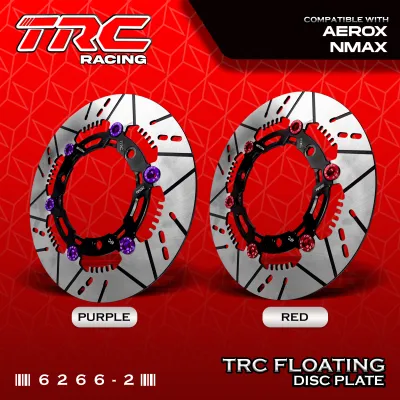
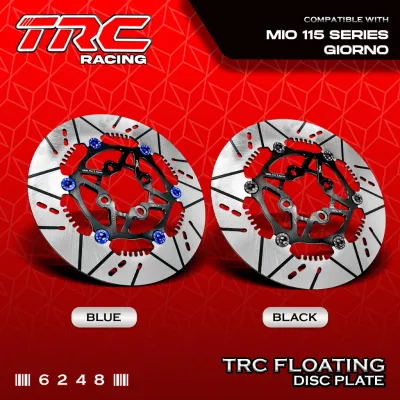
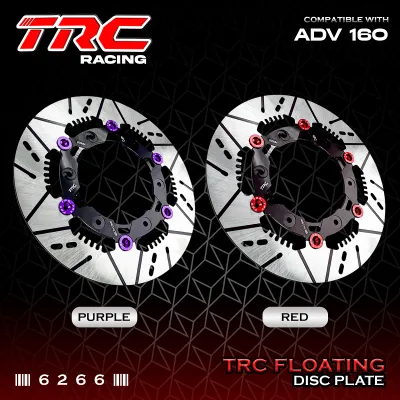
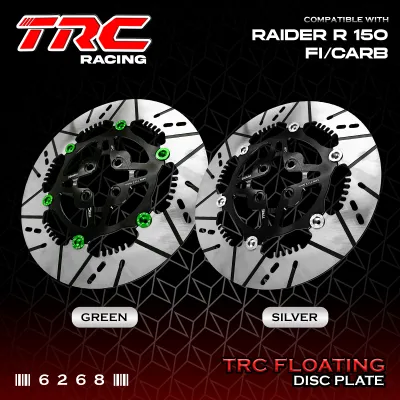
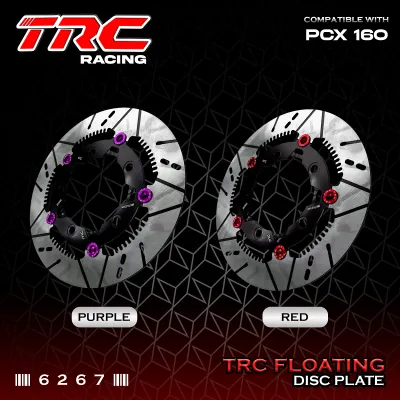
Prices are valid at publication and may change. Please refer to the product page for the latest price.

When shopping for a TRC rotor, you should not rely solely on the brand name. Instead, examine the physical specifications stamped directly on the disc or listed on the packaging. Look for the “Min. Th.” (Minimum Thickness) measurement, which is a critical safety threshold indicating when the rotor has worn down too much and must be discarded. Additionally, verify the material composition; high-quality aftermarket rotors typically use stainless steel formulations (such as SUS420) to balance friction coefficient with wear resistance. Always check the manufacturing origin and look for clear quality control markings on the packaging to ensure you are purchasing a legitimate product rather than an unbranded or substandard counterfeit.
Evaluating the specific model’s specifications is always more reliable than relying on general brand reputation. A manufacturer may offer several product lines, ranging from basic solid discs to slotted and drilled designs. By checking the exact thickness, diameter, and material grade of the specific part number designed for your motorcycle, you can ensure that the rotor meets or exceeds the performance of your original factory setup.
Key Comparison Dimensions: TRC vs Other Aftermarket Brands
Comparing brake rotors requires looking past surface aesthetics to evaluate how different materials and designs perform under stress. Understanding these technical nuances helps you choose a rotor that matches your riding environment.
Braking Performance and Heat Management
Brake rotors convert kinetic energy into thermal energy through friction. In the congested, stop-and-go traffic of major Philippine cities like Metro Manila or Cebu, your brakes generate substantial heat. How a rotor manages this thermal load determines whether you experience consistent stopping power or dangerous brake fade, which occurs when extreme heat temporarily reduces the friction between the pads and the disc.
When comparing a TRC rotor disc to other aftermarket alternatives, pay close attention to the face design. Solid rotors offer maximum surface area but retain heat longer. Drilled and slotted designs, which are common in the TRC lineup, help dissipate heat rapidly, clear away water during sudden tropical downpours, and vent out off-gassing from the brake pads. Wave-patterned outer edges further reduce unsprung weight and promote cooling by constantly exposing new sections of the pad to the air.
However, a rotor is only one half of the equation. Your braking efficiency is heavily dependent on the brake pad compound you pair with the disc. Standard organic pads offer quiet operation and low rotor wear but fade under high heat. Semi-metallic or sintered copper pads provide superior bite and thermal stability but put much higher physical stress on the rotor surface. Ensure the rotor material you select is rated for the pad compound you intend to use, as running aggressive sintered pads on a soft budget rotor can lead to rapid wear and deep scoring.
Durability, Rust Resistance, and Wear
The tropical climate of the Philippines presents unique challenges for motorcycle components. High humidity, heavy monsoon rains, and corrosive salt air in coastal provinces can cause low-grade steel to rust rapidly. A rusted rotor not only looks unsightly but also degrades your brake pads and compromises stopping consistency by creating an uneven friction surface.
Most reputable aftermarket brands, including TRC, utilize stainless steel alloys to resist oxidation. When comparing brands, verify if the rotor has undergone surface treatments, such as electrophoretic coating (e-coating) on the non-contact areas, which adds an extra layer of defense against rust. Cheaper, unbranded rotors often skip these treatments, leading to rapid corrosion along the inner hub and cooling vents after just a few wet rides.
Furthermore, material hardness is a critical trade-off. A rotor that is too soft will wear down quickly, forming deep grooves and warping under thermal shock—such as when you ride through a deep street flood immediately after heavy braking. Conversely, an excessively hard rotor will resist wear but may accelerate brake pad consumption and offer a less responsive lever feel. Regularly inspect your rotor for signs of uneven wear, deep scoring, or lateral runout (warping) to prevent catastrophic brake failure.
Fitment Accuracy and Installation Tolerances
Safety must always be your primary concern when replacing braking components. A brake rotor must perfectly match your motorcycle’s exact make, model, year, and specific sub-variant. There is no such thing as a truly “universal” motorcycle brake disc, and attempting to force an incompatible rotor onto your wheel hub can lead to severe accidents or damage to your suspension and braking system.
Before purchasing a TRC rotor disc or any competing brand, you must cross-reference several critical dimensions. These include the Pitch Circle Diameter (PCD) of the mounting bolts, the number of bolt holes, the center hub bore diameter, the overall outer diameter, and the rotor’s offset (how far the disc sits inward or outward from the mounting surface). Even a tiny deviation of one millimeter can cause the rotor to rub against the caliper body, leading to rapid heat buildup and lockups.
If your motorcycle has aftermarket wheels, modified forks, or upgraded brake calipers, standard catalog listings may no longer apply. In these scenarios, you must manually measure your existing setup with a digital caliper or consult a qualified motorcycle technician to ensure absolute compatibility before making a purchase. Never modify a rotor by drilling new holes or shaving down the mounting surface, as this compromises the structural integrity of the component.
Evaluating Value: Upfront Cost vs Long-Term Durability
When analyzing the financial side of your purchase, it helps to divide the motorcycle brake rotor market into distinct pricing tiers. In the Philippine market, budget-friendly rotors typically range from ₱300 to ₱800. Mid-range options, where many standard TRC models reside, generally cost between ₱1,000 and ₱2,500. Premium high-performance or specialized racing rotors can easily exceed ₱3,000, sometimes reaching up to ₱8,000 or more for complex multi-piece floating disc designs.
While a budget-friendly rotor is highly appealing, you must consider the total cost of ownership. A cheap, low-quality disc might save you money upfront, but if it warps within a few months of heavy commuting, you will end up paying twice: once for a replacement rotor, and again for a new set of brake pads and mechanic labor. Investing slightly more in a reputable mid-range brand like TRC often yields better long-term value by extending the service life of both the rotor and your brake pads.
When shopping on local ecommerce platforms or at physical motorcycle shops, look for authorized dealers to minimize the risk of buying counterfeit parts. Genuine products usually come with manufacturer warranties or return policies that protect you against manufacturing defects. If a deal online seems too good to be true, it is highly likely a counterfeit product that compromises your safety. Always prioritize buying from established sellers who can verify the authenticity of their inventory.
Decision Framework: Which Brand Fits Your Riding Style?
To finalize your decision, match your typical riding scenarios against the strengths and limitations of each brand category.
- Choose TRC if:
- Your primary use is daily commuting, running errands, or casual city riding at moderate speeds.
- You ride a standard scooter or underbone motorcycle and want to restore original factory braking performance.
- You are working within a sensible budget and want a reliable, proven aftermarket brand rather than unbranded, generic parts.
- Choose a Premium Competitor if:
- You frequently ride on high-speed expressways or participate in weekend track days where extreme braking forces are common.
- You carry heavy pillion passengers or large cargo loads over steep, winding mountain passes like the Marilaque Highway or Kennon Road.
- Your motorcycle requires advanced multi-piece floating rotors or high-carbon steel alloys for maximum thermal stability and resistance to warping under extreme heat.
- Verify First if:
- Your motorcycle model has multiple variant years with different bolt patterns (such as 4-hole versus 5-hole hubs).
- You have installed aftermarket brake calipers, master cylinders, or custom alloy wheels that alter the stock spacing.
- The product listing lacks explicit dimensional diagrams or does not clearly state the minimum thickness specification.
Installation Safety and Rotor Maintenance
Brake installation is a high-liability task that directly affects your physical safety. If you are not experienced in motorcycle mechanics, always have your new rotor installed by a qualified professional. If you choose to perform a DIY installation, you must strictly adhere to the torque specifications detailed in your motorcycle’s official service manual. Always use a calibrated torque wrench and apply a medium-strength thread-locking compound (such as blue threadlocker) to the rotor mounting bolts to prevent them from backing out due to engine and road vibrations.
Once installed, you must perform a proper bed-in (break-in) procedure to ensure optimal performance. This process involves making 15 to 20 gradual stops from approximately 50 km/h down to 10 km/h without coming to a complete stop, allowing the rotor and pads to cool slightly between runs. Doing this transfers a uniform layer of friction material from the pads to the rotor face, preventing brake squeal, glazing, and uneven wear patterns.
For ongoing maintenance, regularly clean your rotor with a dedicated, residue-free brake cleaner to remove accumulated road grime and brake dust. Never allow tire shine, chain lube, or engine oil to contaminate the braking surface. If any lubricant accidentally contacts the rotor, clean it thoroughly with an authorized brake cleaning solvent before riding, as contaminated brakes can lead to a sudden, dangerous loss of stopping power.
Community discussion
Share your experience or ask a question. Comments are reviewed before publication.