
Evaluating aftermarket brake components requires a careful balance of cost, performance, and safety. TRC rotor discs have become a common sight in the Philippine automotive aftermarket, offering vehicle owners an accessible alternative to expensive original equipment manufacturer (OEM) parts. When comparing TRC to other available brands, the right choice depends heavily on your specific vehicle type, daily driving routes, and budget.
TRC rotors generally serve as a cost-effective aftermarket alternative suitable for standard daily driving and routine commuting. If your typical drive involves navigating flat city streets, running errands, or driving at moderate highway speeds under normal passenger loads, these rotors provide a practical and functional solution without a premium price tag.
Premium aftermarket or OEM brands remain necessary for high-performance vehicles, heavy-duty utility trucks, or vehicles frequently subjected to extreme driving conditions. Demanding scenarios—such as towing heavy loads or driving through steep, winding mountain passes—generate immense thermal energy that budget-friendly rotors are not engineered to handle over long periods.
Products mentioned in this guide
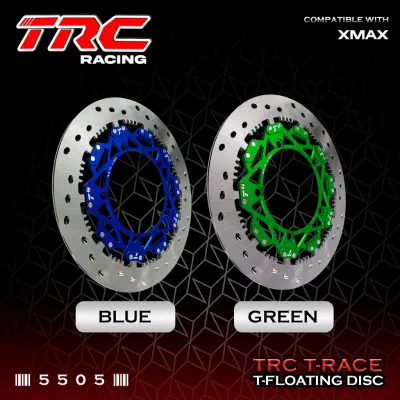
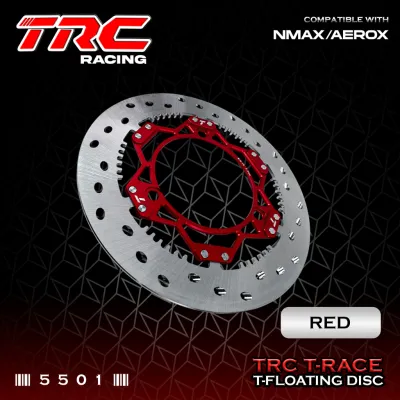
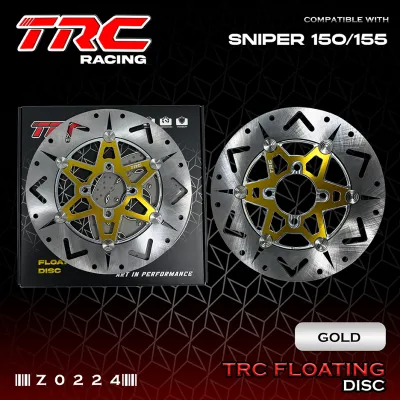
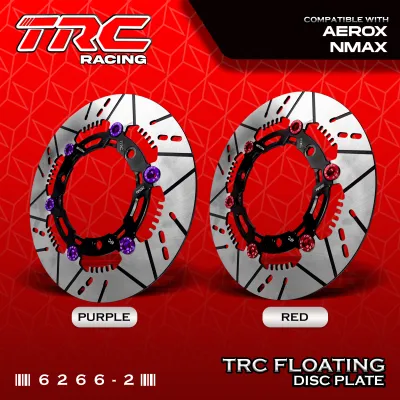
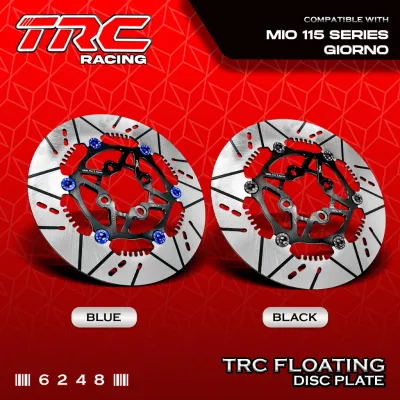
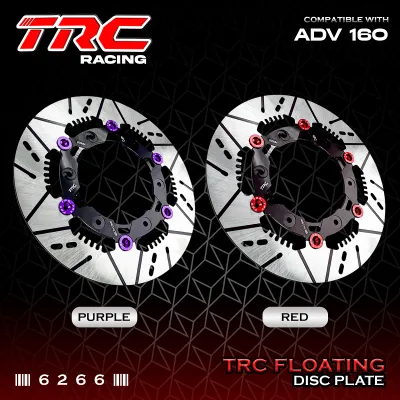
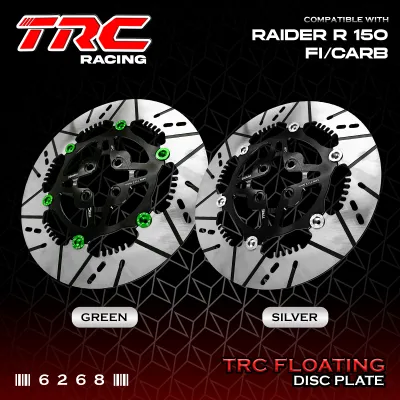
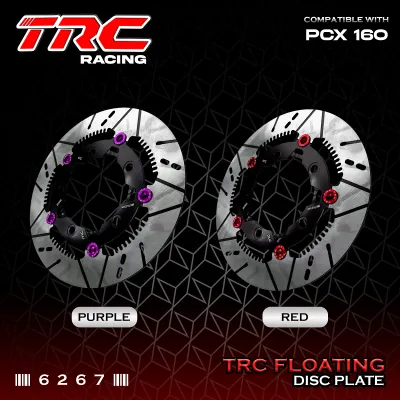
Prices are valid at publication and may change. Please refer to the product page for the latest price.
The best choice ultimately depends on your vehicle’s specific use case, typical driving conditions in the Philippines, and your maintenance budget. Local factors like severe stop-and-go traffic in metro areas, high tropical humidity, and seasonal flooding place unique stresses on braking systems, making material choices and heat management critical.
Brand reputation alone does not guarantee safety on the road. Correct fitment, compatibility with your brake pads, and adherence to professional installation standards are the ultimate deciding factors that determine how well your vehicle stops in an emergency.
Understanding TRC Rotor Discs and the Aftermarket Landscape
To make an informed decision, it is helpful to understand where TRC fits within the wider automotive parts market. The Philippine aftermarket is diverse, featuring everything from low-cost white-label parts to specialized racing components. TRC operates primarily in the budget-to-mid-range aftermarket segment, focusing on high-volume replacement parts for popular passenger vehicles.
These rotors are engineered as direct-fit replacements, meaning they are designed to match the physical dimensions and mounting configurations of your vehicle’s original factory rotors. They allow vehicle owners to restore basic braking function after their original rotors have worn thin, warped, or suffered severe scoring, without paying the high markup associated with dealership parts.
This positioning contrasts sharply with OEM parts and premium aftermarket brands. OEM parts are sourced directly through vehicle manufacturers, ensuring exact metallurgical consistency and strict quality control, but at a much higher cost. Premium aftermarket brands, on the other hand, often introduce specialized metallurgy, advanced cooling vane designs, or proprietary anti-corrosion coatings aimed at drivers seeking enhanced performance or longevity.
When shopping through local auto parts retailers or online marketplaces, you must look beyond the brand label and examine the product’s actual specifications. A lower price point typically indicates standard grey cast iron construction and basic machining. While this setup is perfectly adequate for standard daily commutes, it does not offer the same thermal limits or structural refinement as high-carbon or composite alternatives.
Key Dimensions for Comparing Brake Rotors
Evaluating brake rotors objectively requires looking past marketing claims and focusing on verifiable engineering dimensions. Comparing how different brands handle material quality, design, wear rates, and cost will help you identify the best option for your vehicle.

Material and Construction Quality
The metallurgy of a brake rotor determines its structural integrity, thermal capacity, and resistance to cracking. Standard grey cast iron is the industry norm for budget and mid-range rotors because it provides reliable friction and excellent vibration dampening at a reasonable cost.
Premium alternatives often utilize high-carbon alloys, which incorporate higher levels of carbon and silicon. This advanced material composition improves thermal conductivity, allowing the rotor to distribute heat more evenly and resist warping under heavy braking. High-carbon rotors also dampen noise more effectively, reducing the likelihood of brake squeal.
Before purchasing, check the product packaging, label, and manufacturer specification sheets for explicit material claims. Do not assume a rotor features high-carbon metallurgy unless the manufacturer clearly states it. If your vehicle is heavy or frequently carries substantial loads, prioritizing certified material quality is essential for long-term safety.
Heat Dissipation and Design
Brake rotors convert kinetic energy into thermal energy through friction, meaning heat management is critical to maintaining stopping power. Rotors are generally available in three primary face configurations:
- Blank (Smooth) Rotors: These feature a solid, smooth face that maximizes the surface area in contact with the brake pads. They are highly durable, less prone to thermal cracking, and ideal for standard daily driving.
- Slotted Rotors: These feature shallow grooves carved into the outer face to sweep away gas, dust, and water. This design helps maintain consistent pad contact, which is highly beneficial in wet, tropical climates during the monsoon season.
- Drilled Rotors: These have holes drilled completely through the disc to aid in cooling and gas venting. While they offer a sporty appearance, budget-grade drilled rotors can develop structural stress cracks around the holes under high thermal loads.
For everyday passenger vehicles in the Philippines, a high-quality blank or mildly slotted rotor is generally preferable to a cheap drilled rotor. Structural integrity and surface area are far more important for daily safety than aggressive styling.
Durability and Wear Rates
A rotor’s lifespan is highly variable and depends on your driving habits, vehicle weight, and the type of brake pads you install. Frequent stop-and-go driving in congested urban areas subjects brakes to continuous low-speed friction cycles, which prevents the system from cooling down fully and accelerates wear.
Your choice of brake pads also plays a major role in rotor wear. Pairing a budget-friendly rotor with hard, aggressive ceramic pads can lead to rapid, uneven wear on the rotor face. Conversely, softer organic or low-metallic pads wear down faster themselves but are much gentler on the rotor surface.
Avoid assuming a fixed mileage or lifespan for any rotor brand. Instead, focus on regular visual inspections and physical measurements to assess wear, looking out for deep grooves, rust ridges, or thickness variations.
Price and Overall Value
True value is calculated by dividing the initial purchase price by the component’s actual service life. While TRC rotors offer a very attractive upfront saving, you must consider whether they will deliver the same long-term value as a premium alternative.
If a budget rotor warps prematurely or wears out quickly, the cost of buying a replacement set and paying for professional labor a second time will quickly exceed the price of a single set of premium rotors. However, if your vehicle is driven gently under light loads, a budget-friendly option can deliver excellent service life and outstanding overall value.
TRC vs. Common Alternatives: A Conditional Decision Framework
To help you decide between TRC and other brake rotor brands available in the Philippines, use this conditional framework based on real-world driving scenarios and vehicle requirements.
Choose TRC or similar budget-to-mid-range aftermarket rotors if:
- You drive a standard commuter vehicle, such as a subcompact sedan, hatchback, or light utility vehicle, primarily for city driving.
- Your daily driving routes are relatively flat, and you rarely carry heavy cargo, tow trailers, or transport maximum passenger loads.
- You are working within a strict maintenance budget and need a functional, direct-fit replacement to restore safe stopping power.
- You plan to pair the new rotors with standard organic or low-metallic brake pads designed for quiet, daily operation.
Choose OEM or Premium Aftermarket brands if:
- You drive a performance car, a heavy mid-size SUV, or a utility pickup truck that frequently carries heavy payloads or travels at high highway speeds.
- Your regular routes involve driving through steep, winding mountain roads, such as those in the Cordillera region, where continuous downhill braking is required.
- You require maximum resistance to brake fade, long-term structural durability, and the thermal stability provided by certified high-carbon alloys.
- Your vehicle's original braking system is highly sensitive and requires exact factory-spec tolerances to prevent pedal pulsation or interference with electronic stability control systems.
Choose specialized slotted or drilled rotors if:
- You frequently drive through heavy tropical rain or flooded streets and require immediate, consistent wet-weather braking response.
- You participate in occasional track days or performance driving events where high-temperature gas venting is necessary, and you are buying from a brand with verifiable engineering certifications for track use.
- You accept the trade-off of faster brake pad wear and a potential increase in operating noise in exchange for enhanced debris clearance.
Verify first if:
- Your vehicle is still covered under a manufacturer's new-car warranty, as installing non-OEM brake components may void aspects of your coverage.
- You are purchasing parts for a commercial vehicle, public utility vehicle (PUV), or transport service vehicle, which must comply with specific regulatory safety standards.
- You are unsure of the exact rotor dimensions, as even minor variations in diameter, thickness, or bolt pattern will prevent safe installation.
How to Verify Compatibility and Safety Before Buying
Because brakes are a critical safety system, you must prioritize correct fitment and proper installation over brand loyalty or cost savings. Taking the time to verify specifications before purchasing prevents costly mistakes and ensures on-road safety.
Start by gathering your vehicle’s precise details: the model year, make, model name, trim level, engine displacement, and whether it is a front-wheel-drive, rear-wheel-drive, or all-wheel-drive variant. Cross-reference these details with the rotor manufacturer’s application catalog rather than relying solely on generic compatibility lists on online shopping platforms.
Whenever possible, measure your existing rotors to confirm compatibility. Key dimensions to verify include the outer diameter, overall height, center hole diameter, bolt circle diameter (PCD), and nominal thickness. Even vehicles of the same model year can feature different brake configurations depending on their trim level or engine size.
Brake installation requires specialized tools, precise torque measurements, and a clear understanding of hydraulic and mechanical systems. Improperly torqued caliper bolts, unevenly mounted rotors, or failing to clean the mounting hub can lead to severe pedal pulsation, premature wear, or catastrophic brake failure.
Always refer to your vehicle’s original service manual for the correct torque specifications, mounting procedures, and safety precautions. We highly recommend having your new rotors and pads installed by a qualified, professional mechanic at an established automotive service center.
Never mix different rotor brands, designs, or wear levels on the same axle. Doing so can cause severe braking imbalances, pulling to one side during braking, or unpredictable handling in emergency situations. If you notice any abnormal sensations, such as a spongy pedal, grinding noises, or steering wheel vibration after installation, stop driving immediately and consult a professional.
Frequently Asked Questions (FAQ)
Can I mix TRC rotors with my existing brake pads?
Installing new rotors with your old, worn brake pads is highly discouraged. Used brake pads develop a unique wear pattern, grooves, and heat glazing that match the surface of your old rotors. Pairing these uneven pads with a smooth, new rotor surface significantly reduces the contact area, leading to poor braking efficiency, excessive noise, and accelerated, uneven wear on your new rotors. To ensure optimal safety and performance, always install a fresh set of compatible, high-quality brake pads whenever you replace your brake rotors.
How do I know if my brake rotors need replacing instead of just resurfacing?
Deciding whether to replace or resurface your rotors depends on their physical condition and remaining thickness. Inspect the rotors for deep scoring, heavy rust ridges, lip formation at the outer edge, or blue discoloration from overheating. If these visual defects are deep, resurfacing may not be possible. The ultimate deciding factor is the rotor’s thickness; every rotor has a minimum thickness specification stamped directly on the casting. Use a micrometer to measure the thickness at several points around the disc. If the thickness is at or below the minimum limit, or if resurfacing would bring it below this safety threshold, you must replace the rotor immediately.
Community discussion
Share your experience or ask a question. Comments are reviewed before publication.