
Selecting a high-quality tricycle tarapal set is one of the most practical investments a tricycle owner or operator can make in the Philippines. This specialized protective cover serves as the primary shield against the unpredictable tropical climate, keeping passengers dry during sudden monsoon downpours and cool during intense summer afternoons. Choosing the right set requires evaluating material durability, precise frame compatibility, passenger comfort features, and secure fastening mechanisms to ensure the investment lasts for years on the road.
A complete tricycle tarapal set typically consists of several integrated components designed to wrap the sidecar frame securely. This setup generally includes a reinforced roof cover, roll-up side curtains, a clear front windshield or splash shield, and a protective rear flap. Together, these elements form an enclosed cabin that guards passengers, upholstery, and onboard electronics from heavy rain, harsh ultraviolet rays, and abrasive road dust.
When evaluating different tarapal options, you must balance four critical performance dimensions: weather protection, passenger visibility, structural durability, and ease of daily operation. A cover that excels in waterproofing but lacks proper ventilation will quickly become uncomfortable for passengers in tropical heat. Conversely, a lightweight cover that is easy to fold might fail during the first severe storm of the typhoon season. To ensure you receive genuine materials, reliable construction, and valid warranty support, always source your tarapal set from reputable local automotive supply shops or established online marketplaces.
Products mentioned in this guide
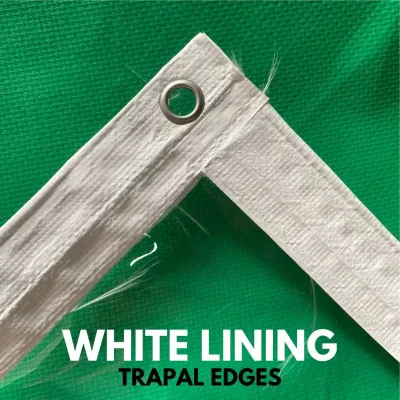
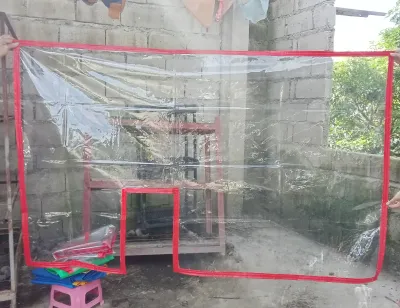
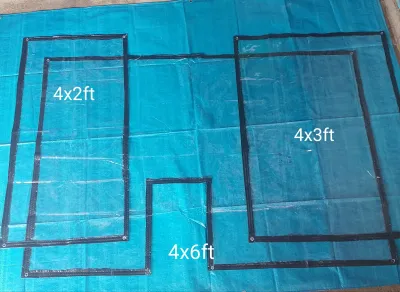
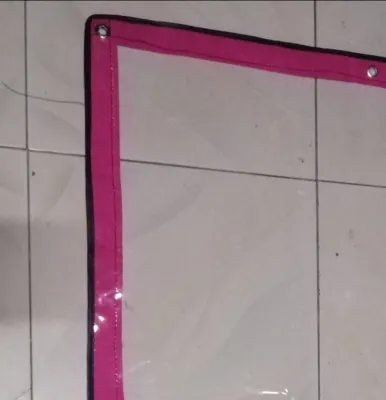
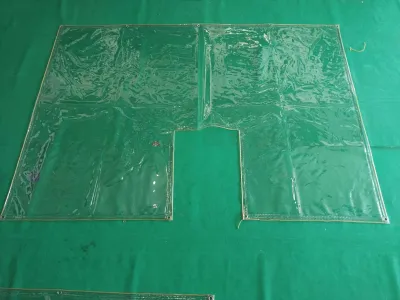

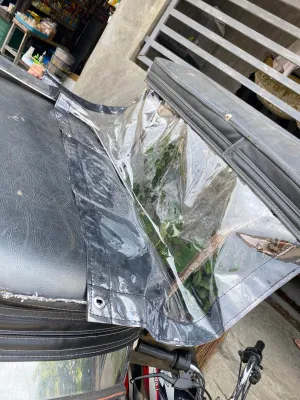
Prices are valid at publication and may change. Please refer to the product page for the latest price.
Comparing Materials for Tropical Weather Resistance
The climate in the Philippines subjects sidecar covers to extreme environmental stress, ranging from prolonged exposure to intense sunlight to torrential rains. The base material of your tarapal set determines how well it will withstand these elements without cracking, tearing, or leaking. The three most common materials utilized for sidecar covers are heavy-duty polyvinyl chloride (PVC) tarpaulin, coated canvas, and treated polyester blends. Each material exhibits distinct characteristics under daily operational conditions.
Heavy-duty PVC tarpaulin, often locally referred to as “Lona,” is the industry standard for commercial tricycles due to its exceptional waterproofing capabilities. This material is completely impervious to water, making it highly effective during the rainy season. However, PVC can trap heat inside the cabin if not paired with proper ventilation, and lower-quality formulations can become stiff or brittle over time. Coated canvas offers a highly durable alternative that naturally breathes better than PVC, reducing the greenhouse effect inside the sidecar during hot days, though it requires specialized water-repellent coatings to match PVC’s water resistance. Polyester blends are lightweight and highly flexible, making them excellent for occasional or light-duty use, though they generally offer less long-term resistance to heavy, continuous downpours.
Evaluating the manufacturing details of these materials is just as important as choosing the fabric type. Look for tarapal sets that feature heat-welded seams or reinforced double-stitching with waterproof sealing tape. These construction methods prevent water from seeping through the needle holes during prolonged exposure to rain. Additionally, verify that the material has been treated with UV-stabilizing inhibitors. Unprotected plastics and coatings degrade rapidly under intense sunlight, leading to premature fading, loss of flexibility, and eventual tearing along stress points.
To help you determine which material aligns with your operational environment, consider the following comparison of common tarapal fabrics:
| Material Type | Water Resistance | UV & Heat Tolerance | Weight & Flexibility | Best Use Case |
|---|---|---|---|---|
| Heavy-Duty PVC | Excellent (fully waterproof) | Good (requires UV coating) | Heavy, less flexible when cold | Daily commercial use, heavy rain areas |
| Coated Canvas | Very Good (water-repellent) | Excellent (breathable, less heat trap) | Medium, flexible | Long-distance routes, hot climates |
| Polyester Blend | Good (with PU coating) | Moderate | Lightweight, highly flexible | Occasional use, easy storage |
Before finalizing your purchase, check the product specifications or labels for details regarding the specific coating technologies used, such as polyurethane (PU) or acrylic coatings. It is also wise to inspect physical samples in person when possible; avoid materials that emit a strong, pungent chemical odor. This smell often indicates the presence of low-grade plasticizers that degrade quickly when exposed to heat, resulting in a sticky texture and accelerated material failure.
Verifying Fit and Sidecar Frame Compatibility
A tarapal set can only perform its job effectively if it fits your specific sidecar frame perfectly. In the Philippine transport sector, sidecar designs vary widely by region, manufacturer, and the displacement of the motorcycle used. While some manufacturers offer “universal” tarapal sets, these are designed as general approximations and may not fit every unique frame configuration. Custom-molded or model-specific sets are tailored to the exact dimensions of standard sidecar designs, ensuring a snug fit that minimizes wind resistance and water intrusion.

Before purchasing any cover, you must perform a detailed physical inspection of your sidecar frame. Use a reliable measuring tape to document the following critical dimensions:
- Roof Bow Width and Curvature: Measure the distance between the left and right upper support bars, including the arc height of the roof support.
- Side Panel Height: Measure from the top edge of the sidecar body panels up to the roof frame.
- Overall Cabin Length: Document the distance from the front windshield frame to the rear passenger backrest support.
- Mounting Point Locations: Note the spacing and position of all pre-existing frame hooks, studs, or bolt holes.
Once you have these measurements, compare them directly against the product documentation provided by the tarapal manufacturer. Pay close attention to how the cover attaches to the frame. The alignment of the cover’s grommets, eyelets, or loops must correspond with your sidecar’s existing mounting hardware. If the mounting points do not align, you may need to install additional frame hooks or modify the cover, which can weaken the fabric if not done professionally.
Avoid buying a tarapal set that is too small, hoping that the material will stretch to fit. Excessive tension places immense stress on the seams, zippers, and attachment points, leading to rapid tearing and zipper separation. Conversely, a cover that is too loose will flap violently at high speeds or in strong winds. This constant movement not only generates distracting noise for the driver and passengers but also accelerates material fatigue, distorts transparent viewing windows, and can block the driver’s rear-view mirrors or obscure the vehicle’s lighting and turn signals, creating a serious road safety hazard.
If your sidecar was custom-built by a local welding shop, standard commercial dimensions may not apply. In such cases, it is highly recommended to consult your original sidecar builder or bring your frame measurements directly to a specialized upholstery shop. This ensures the cover is fabricated to match your unique frame geometry and maintains compliance with local road safety regulations regarding vehicle dimensions and visibility.
Design Features That Improve Passenger Comfort
While weather protection is the primary role of a tarapal set, the daily passenger experience depends heavily on subtle design features. A well-designed cover keeps passengers dry without making the sidecar cabin feel dark, claustrophobic, or excessively hot.
Visibility and Ventilation Options
Clear passenger visibility is essential for a comfortable ride and helps passengers monitor their route. High-quality tarapal sets feature large, optically clear PVC windows on both the side curtains and the front shield. Ensure these transparent panels are treated with anti-glare and anti-scratch coatings to maintain clarity under direct sunlight and resist abrasions from road debris.
To manage the high humidity and heat typical of the local climate, effective ventilation is non-negotiable. Look for sets equipped with roll-up side curtains that feature secure tie-backs or heavy-duty snap straps, allowing you to open the cabin completely during dry, hot weather. Integrated mesh vents along the upper roofline and front flaps that can be pinned open are also highly beneficial, as they facilitate continuous airflow and prevent the buildup of hot air and condensation inside the passenger cabin.
Secure Fastening and Attachment Systems
The methods used to secure the tarapal to the frame directly impact its durability and ease of use. High-quality sets utilize a combination of heavy-duty double-pull zippers, industrial-grade Velcro, marine-grade metal snap buttons, and elastic bungee cord loops. Double-pull zippers are particularly useful because they allow passengers to open or close the side curtains from both inside and outside the cabin.
Because zippers are subjected to constant pulling and exposure to grit, they are often the first component to fail. Inspect the zippers closely before buying; look for large, robust teeth made from rust-resistant plastics or non-corrosive brass, backed by reinforced fabric stitching. Additionally, adjustable tension straps or integrated drawcords are valuable additions, enabling you to tighten the fabric as it naturally stretches over time, keeping the entire assembly taut and aerodynamic.
Safety Enhancements for Night Riding
Operating a tricycle safely at night or during heavy rainstorms requires maximum visibility to other motorists. Ensure any tarapal set you evaluate features integrated reflective strips or high-visibility piping sewn along the outer edges, side panels, and rear flap. These reflective elements are critical on unlit provincial roads, helping larger vehicles identify your tricycle’s width and position from a safe distance.
Additionally, verify that the design of the tarapal does not obstruct any of your vehicle’s original safety equipment. The front shield must not block the motorcycle’s headlight or front turn indicators, and the rear flap must be cut or positioned so that it does not obscure the taillight, brake light, or license plate. Maintaining clear visibility of these components is essential for both road safety and compliance with land transportation regulations.
Installation Basics and Long-Term Maintenance
Proper installation is key to maximizing the lifespan of your tricycle tarapal set. Before beginning, consult the manufacturer’s instructions for any specific mounting guidelines. The general installation sequence starts with securing the roof section first to establish proper center alignment across the frame. Once the roof is positioned, attach the front shield, followed by the side curtains and the rear flap. Secure all primary fasteners loosely at first, adjusting the tension evenly across all sides before tightening the attachment points completely.
Never force zippers or stretch the material aggressively to reach a mounting hook during installation. If a section feels too tight, recheck the alignment of the roof cover; an off-center roof is the most common cause of uneven tension. Forcing the material can warp the transparent windows, bend the zipper tracks, or tear the fabric backing at the corners.
To keep your tarapal set in optimal condition, establish a regular cleaning routine using mild soap, lukewarm water, and a soft microfiber cloth or sponge. Avoid using harsh chemical detergents, bleach, gasoline, or abrasive scrubbing brushes. These harsh agents can strip away water-repellent coatings, cloud the clear PVC windows, and dry out the vinyl, causing it to crack.
Proper drying and storage are critical, especially during the wet season. Never roll up or store a wet tarapal set for extended periods, as trapped moisture promotes the growth of mold and mildew, which can permanently stain the fabric and rot the stitching. If you must roll up wet curtains during a shift, unroll and dry them thoroughly with a clean towel or air-dry them in a shaded area as soon as possible. Avoid parking the tricycle in direct, intense sunlight for prolonged periods when not in use, as excessive heat can deform the clear PVC panels.
Over time, your tarapal set may experience minor wear, such as small punctures or loose stitching. Address these issues promptly using specialized vinyl repair tape or seam sealer formulated for outdoor fabrics. If you encounter major structural damage, such as a completely torn mounting eyelet, a bent sidecar frame bow, or a broken main zipper, seek assistance from a professional upholstery or sidecar repair shop. Attempting temporary wire or tape fixes on structural components can compromise the weatherproofing and safety of the entire assembly.
Frequently Asked Questions (FAQ)
Can I install a tarapal set on my sidecar without professional help?
Yes, most standard tricycle tarapal sets are designed for straightforward owner installation using basic hand tools, provided your sidecar frame already features the standard matching hooks, studs, or mounting brackets. The process typically requires slipping the cover over the roof bows and securing the integrated straps or grommets to the existing hardware. However, if your sidecar lacks mounting points, or if the frame bows are bent or misaligned, you may need professional assistance to weld new hooks, adjust the metal frame, or install custom mounting brackets safely.
How often should I replace my tricycle tarapal cover?
Under daily commercial use in tropical conditions, a high-quality PVC tarapal set typically lasts between one and three years, while lighter materials may need replacement sooner. The exact lifespan depends on solar exposure, maintenance habits, and local weather severity. You should plan to replace your cover when you observe signs of advanced degradation, such as persistent water leakage through the seams, brittle or yellowed PVC windows that restrict visibility, torn zipper tracks that can no longer close, or extensive cracking in the main fabric that compromises passenger protection.
Are universal tarapal sets as good as custom-fitted ones?
Universal tarapal sets offer a highly accessible and budget-friendly solution, but they generally do not match the performance of custom-fitted options. Universal covers are designed with generous tolerances to fit a wide range of sidecar shapes, which often results in excess fabric that flaps loudly at high speeds, increases wind drag, and allows rain to blow in through gaps. Custom-fitted sets are tailored to the exact specifications of your specific sidecar model, providing a tight, aerodynamic seal that minimizes wind noise, improves fuel efficiency, and offers superior protection against heavy side-winds and driving rain.
Community discussion
Share your experience or ask a question. Comments are reviewed before publication.