
Selecting the right brekpad for motor vehicles in the Philippines depends on your specific riding conditions, motorcycle type, and budget. There is no single “best” brand for every rider. If you prioritize an exact factory feel, predictable performance, or high-speed touring, choosing original equipment manufacturer (OEM) parts or premium performance brands is your best path. If you are a daily commuter navigating heavy city traffic on an underbone or scooter, mainstream aftermarket brands offer a highly reliable, low-noise, and cost-effective alternative. Ultimately, the most trusted brand is the one that matches your specific riding style and, most importantly, is fully verified to fit your motorcycle’s exact braking system. Never let brand prestige override physical compatibility and safety standards.
Critical Safety and Compatibility Checks Before Buying
Brake components are the most critical safety systems on your motorcycle. Installing an incompatible or poorly fitting brake pad can lead to catastrophic brake failure, severe rotor damage, or uneven braking force that can cause a loss of control. Before purchasing any brand, you must verify your motorcycle’s exact make, model, model year, and caliper type. This information must be cross-referenced directly with the brake pad manufacturer’s official application catalog or your vehicle owner’s manual.
Never assume compatibility based solely on visual similarity, general category names, or unverified seller assurances on online marketplaces. Caliper designs can vary significantly even within the same model line depending on the production year or regional specifications. If you have modified your calipers or if the product documentation conflicts with your vehicle’s specifications, stop immediately. You must consult a qualified mechanic or the vehicle manufacturer before making a purchase or attempting an installation.
Products mentioned in this guide
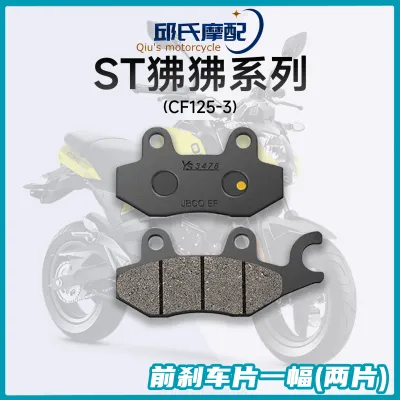
![[Fast Delivery] DISC BRAKE PAD FRONT & REAR EURO SAMURAI 155i](https://img.lazcdn.com/g/p/16848939925fccce49552c2f18bf0073.jpg_400x400q80.jpg_.webp)
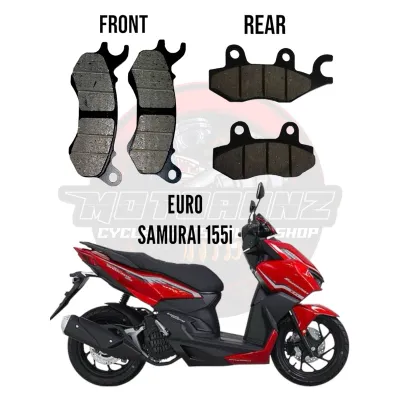
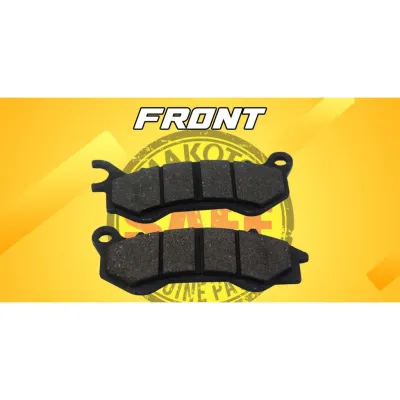
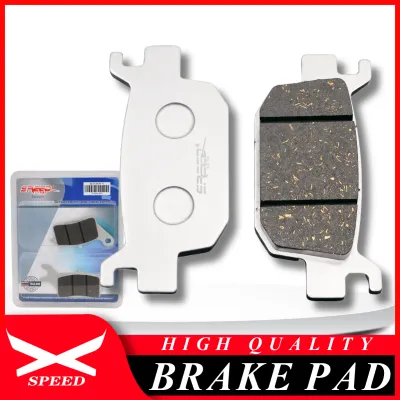
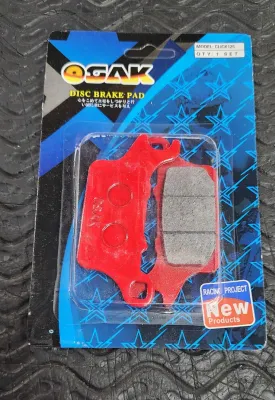
Prices are valid at publication and may change. Please refer to the product page for the latest price.
Key Comparison Dimensions for Motorcycle Brake Pads
To choose the right brake pads, you need to understand the friction materials available and how they perform under different conditions. The three primary categories of friction materials are organic, semi-metallic, and sintered.

Organic brake pads are made from non-asbestos fibers bound by resins. They offer a soft initial bite, generate very little noise, and cause minimal wear on your brake rotors. However, they tend to wear down faster and can suffer from heat fade under heavy or prolonged braking.
Semi-metallic pads combine organic materials with metallic fibers, such as copper or steel. This blend provides a stronger initial bite and better heat resistance than organic pads, making them highly versatile for everyday riding. They do, however, produce slightly more brake dust and can be noisier under wet conditions.
Sintered pads are manufactured by fusing metallic particles together under high heat and pressure. These pads offer exceptional stopping power, outstanding heat fade resistance, and consistent performance in wet or muddy conditions. The trade-off is that they are highly abrasive, which accelerates rotor wear, and they require some heat to reach their optimal operating temperature.
Your choice of material should directly reflect your typical riding environment in the Philippines. For stop-and-go city commuting in high humidity, a reliable semi-metallic pad offers an excellent balance of durability and cold-bite performance. If you frequently ride through steep mountain passes, such as the Marilaque Highway or the steep descents of Tagaytay, sintered pads are highly beneficial for managing extreme heat and preventing brake fade.
Comparing Brekpad for Motor Brands in the Philippine Market
Filipino riders have access to a wide variety of brands, which can be broadly categorized into premium performance tiers and daily commuter tiers. Understanding where each brand fits helps you make an informed decision based on your budget and performance expectations.
OEM and Premium Performance Brands
OEM brake pads, such as genuine parts from Honda, Yamaha, Suzuki, or Kawasaki, are engineered specifically for your motorcycle’s factory braking system. They guarantee an exact physical fit and provide predictable, balanced performance that aligns with the manufacturer’s original safety testing. While they are generally more expensive than standard aftermarket options, they ensure that your braking characteristics remain exactly as the factory intended.
Premium performance aftermarket brands, including Brembo, Nissin, EBC, and SBS, cater to high-performance motorcycles, sportbikes, and track-day enthusiasts. These brands utilize advanced sintered or high-performance semi-metallic compounds designed to withstand extreme thermal stress without fading. They offer exceptional initial bite and precise modulation, giving riders maximum control at high speeds.
However, these premium options come with a significant cost premium, often ranging from ₱1,500 to over ₱4,000 per set. Before upgrading to a highly aggressive premium pad, you must verify that your motorcycle’s standard brake rotors are compatible with sintered compounds. Using aggressive sintered pads on soft, non-hardened OEM rotors can cause rapid rotor wear, warping, or excessive squealing during low-speed city riding.
Reliable Aftermarket and Daily Commuter Brands
For the vast majority of underbones, scooters, and light commuter motorcycles in the Philippines, mainstream aftermarket brands offer the most practical solution. Brands such as Bendix, Elig, SEC, and RCB (Racing Boy) are highly trusted for daily commuting. These brands focus on delivering reliable stopping power, low noise levels, minimal brake dust, and excellent cold-bite performance, which is crucial for sudden stops in dense city traffic.
These daily commuter pads are typically priced in a highly accessible range, generally from ₱150 to ₱600. They are engineered to work seamlessly with standard steel rotors, preserving the life of your braking system while offering a cost-effective replacement option.
Because these brands are highly popular, the market is unfortunately flooded with counterfeit products. When choosing a commuter-tier brand, you must exercise high vigilance. Always verify the packaging, look for security features, and purchase only from reputable sources to ensure you are getting genuine friction materials that meet safety standards.
Where to Buy and How to Avoid Counterfeit Parts
Purchasing genuine braking components is a matter of personal safety. To ensure you are buying authentic parts, always prioritize authorized brand dealerships, official flagship stores, or established physical motorcycle accessory shops with a proven track record.
If you prefer to shop on online marketplaces or e-commerce platforms, look for official brand mall tags or verified seller badges. Take the time to read through customer reviews carefully, paying close attention to user-uploaded photos of the packaging, holographic seals, and the physical pads. Be skeptical of reviews that only praise fast shipping; focus instead on feedback regarding actual braking performance, fitment, and material quality.
Several common red flags can help you identify counterfeit brake pads. A price that seems too good to be true is the most obvious warning sign—high-quality materials cannot be manufactured for a fraction of their standard market value. Inspect the packaging closely for poor print quality, blurry logos, spelling mistakes, or missing holographic security labels. Authentic pads will have clearly printed, crisp part numbers and batch codes on both the box and the backing plate of the pad itself. Additionally, counterfeit pads often use inferior backing plates that may feel suspiciously light or show signs of poor casting and rough edges.
Installation Safety and Break-In Procedures
Working on your motorcycle’s braking system directly impacts your safety on the road. If you do not have the proper tools, mechanical experience, or a clear understanding of your vehicle’s braking system, you should strongly consider having your new brake pads installed by a qualified professional mechanic.
For those who choose to perform the installation themselves, always consult your motorcycle’s workshop manual for specific torque specifications and step-by-step instructions. Start by thoroughly cleaning the caliper assembly and bracket using a dedicated, label-authorized brake cleaner. Accumulations of road grime, brake dust, and mud can cause the caliper pistons to stick, leading to uneven pad wear or dragging brakes. Check your brake fluid reservoir level, as pushing the caliper pistons back to accommodate the thicker new pads will cause the fluid level to rise. Ensure the fluid does not overflow, and use only the fluid type specified on your reservoir cap (such as DOT 3, DOT 4, or DOT 5.1). Finally, always torque all mounting bolts and caliper pins to the manufacturer’s exact specifications.
Once the new pads are installed, you must perform a proper bedding-in (break-in) procedure before riding normally. This process involves executing a series of controlled, gradual stops from moderate speeds (around 40 to 50 km/h down to 10 km/h) without coming to a complete stop. This transfers an even layer of friction material from the pad to the brake rotor, ensuring optimal contact and preventing uneven wear or brake judder. Avoid hard, aggressive, or emergency braking during the first 100 to 200 kilometers of use, unless it is absolutely necessary for your safety.
Frequently Asked Questions (FAQ)
How do I know when my motorcycle brake pads need replacing?
You can determine if your brake pads need replacement through regular visual and auditory inspections. Look through the caliper window or remove the caliper to inspect the thickness of the friction material. If the material is worn down to 2 millimeters or less, or if it has reached the wear indicator groove, it is time for a replacement. Auditory signs, such as a high-pitched squealing or a harsh metal-on-metal grinding sound, also indicate that the pads are critically worn. Replacing your pads early prevents costly damage to your brake rotors and ensures your stopping distances remain safe.
Can I mix different brake pad brands on the front and rear?
While it is physically possible to use different brands or friction compounds on the front and rear wheels, it is generally not recommended for everyday riders. Different brands and material compositions (such as sintered on the front and organic on the rear) have different friction coefficients and heat characteristics. Mixing them can alter your motorcycle’s braking balance, making the braking feel unpredictable, especially during emergency stops or on wet, slippery roads. To maintain consistent, stable, and predictable braking behavior, it is best to use the same brand and compound type on both wheels.
Community discussion
Share your experience or ask a question. Comments are reviewed before publication.