
Installing an aftermarket turbonator air intake on a motorcycle or scooter is often done to improve throttle response and engine breathing. However, riders may sometimes experience reduced power, strange noises, or poor fuel economy after the upgrade. If your engine is hesitating, whistling, or consuming more fuel, the issue usually stems from air leaks, incorrect air-fuel ratios, or physical blockages within the intake tract. Resolving these issues requires a systematic approach to diagnosing installation errors, tuning mismatches, and mechanical faults, helping you restore optimal engine performance or determine when to revert to stock components.
Identifying Symptoms of Intake Performance Issues
When an aftermarket intake system is not functioning correctly, your motorcycle or scooter will quickly exhibit warning signs. Common symptoms include sluggish acceleration, hesitation when you twist the throttle, or a drop in top-end speed where the engine feels choked compared to the original airbox. These performance drops often indicate that the engine is not receiving the stable, laminar airflow it requires for efficient combustion.
Auditory cues are another clear indicator of intake tract issues. A high-pitched whistling, persistent hissing, or sudden backfiring from the intake area suggests that air is escaping or entering through unauthorized gaps. In tropical climates like the Philippines, where high humidity is common, any unsealed gap can also let in moisture, leading to erratic engine behavior.
Products mentioned in this guide
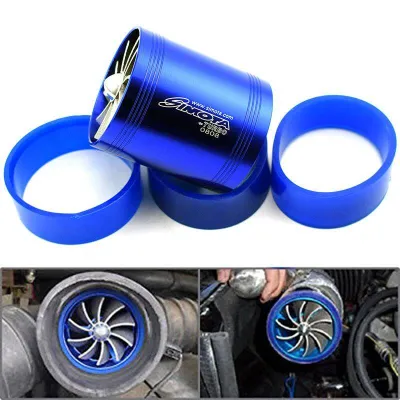
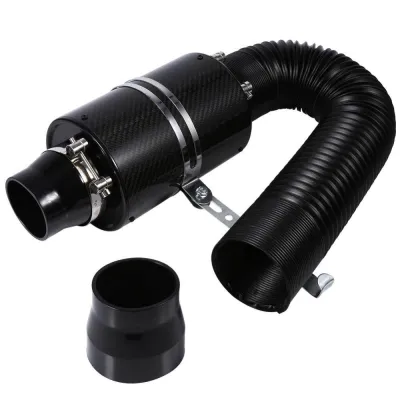
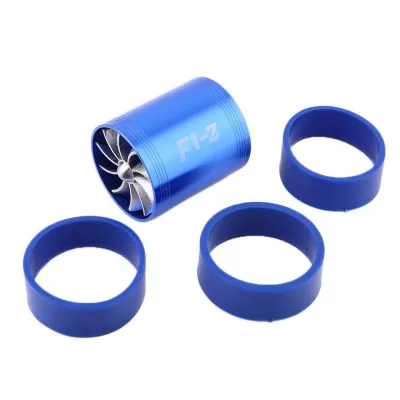
Prices are valid at publication and may change. Please refer to the product page for the latest price.
Additionally, a sudden drop in fuel economy and a rough idle indicate an imbalanced air-fuel mixture. If the engine control unit (ECU) or carburetor cannot compensate for the altered airflow, the engine may run too rich or too lean. This imbalance wastes fuel and can cause the engine to stall or run excessively hot during slow-moving commutes.
Step-by-Step Troubleshooting and Fixes
Isolating the root cause of an intake performance drop requires a structured, low-risk diagnostic path. Before performing any checks, ensure your vehicle is parked on a flat surface, the engine is completely cool, and the battery’s negative terminal is disconnected if you are working near electrical sensors. Always consult your vehicle’s specific workshop manual to verify component locations, torque specifications, and safety boundaries before loosening any parts.

The following diagnostic summary table maps common observable symptoms to their probable causes and provides low-risk corrective actions you can take at home.
| Observable Symptom | Probable Cause | Corrective Action |
|---|---|---|
| Engine hesitation or flat spots | Air-fuel mixture imbalance | Inspect spark plug color; adjust carburetor jetting or update ECU fuel map. |
| Persistent whistling or hissing | Vacuum leak at joints or boots | Check and tighten all clamps; inspect rubber boots for cracks or tears. |
| Rough idle or frequent stalling | Airflow restriction or turbulence | Inspect the turbonator unit for physical damage, debris, or misalignment. |
| Drastic drop in fuel economy | Excessively rich mixture | Clean or replace the air filter element; verify the turbonator vanes are clear. |
Inspecting for Air Leaks and Fitment Errors
Unmetered air entering the engine is a frequent culprit behind poor aftermarket intake performance. Begin your physical inspection by checking all hose clamps, rubber boots, and manifold gaskets along the intake tract. Ensure every connection is snug and that the rubber boots are fully seated over the throttle body or carburetor inlet. Over-tightening clamps can split older rubber, while under-tightening allows air to bypass the filter, so look closely for hairline cracks.
To detect subtle vacuum leaks safely, start the engine and let it idle. Listen closely for any localized hissing sounds around the joints. You can also spray a mild mixture of soapy water onto the intake joints while the engine idles; if you observe bubbles expanding or being sucked into a seam, or if the engine idle speed momentarily changes, you have located a leak.
Finally, verify that the intake piping is aligned correctly within the engine bay. Misaligned piping can rub against the chassis or suspension components, eventually wearing a hole through the tube. Ensure there is adequate clearance around all moving parts and that the intake is securely mounted to prevent vibration-induced damage.
Checking Air-Fuel Mixture and ECU Calibration
Aftermarket intakes alter the volume and velocity of air entering the combustion chamber, which often disrupts the delicate air-fuel ratio. A reliable way to diagnose this imbalance is by reading the color of your spark plug tip. After running the engine under normal operating conditions, safely remove the spark plug and inspect the ceramic insulator. A light tan or gray color indicates a healthy mixture, while a white insulator points to a lean mixture, and a dry, black, sooty deposit indicates a rich mixture.
If your motorcycle or scooter uses a carburetor, you will likely need to adjust the fuel screw or install different-sized jets to match the new airflow characteristics. For modern fuel-injected models, the ECU may require a reflash or an aftermarket fuel controller to update the fuel map.
Ignoring a lean mixture is highly risky, especially in hot, tropical environments. Running persistently lean causes combustion temperatures to spike rapidly, which can lead to severe engine overheating, piston damage, and costly internal engine failure.
Examining the Turbonator Unit for Physical Damage
The turbonator unit relies on a series of stationary or spinning vanes to create a vortex within the intake tube. Over time, road vibration, heat cycles, or debris can compromise this internal structure. Safely remove the intake pipe and visually inspect the turbonator unit under a bright light. Look closely for bent, cracked, or broken internal vanes, as well as loose screws or mounting hardware that could detach and be sucked into the engine.
A damaged vortex generator or an obstructed air filter creates severe turbulence rather than a smooth, swirling airflow. This turbulence chokes the engine’s intake tract, significantly reducing volumetric efficiency and causing the engine to struggle at higher RPMs.
If you find that the unit is simply dirty or clogged with road grime, clean it thoroughly using a manufacturer-approved cleaner and allow it to dry completely before reassembly. However, if you detect any structural damage, loose components, or bent vanes, the unit must be replaced immediately to prevent catastrophic engine damage from ingested metal fragments.
When to Consult a Mechanic or Revert to Stock Parts
While basic inspections and clamp adjustments are straightforward DIY tasks, some intake issues require professional expertise. If you have corrected all physical leaks and the engine still hesitates or runs poorly, you have reached the threshold for seeking professional help. Dynamic tuning, precise air-fuel ratio monitoring, and dyno testing require specialized diagnostic tools and training that go beyond the typical home garage setup.
There are also many scenarios where reverting to the original equipment manufacturer (OEM) airbox is the most practical and reliable solution. OEM intake systems are engineered specifically for your engine’s displacement, valve timing, and daily reliability. If you find yourself constantly adjusting the carburetor or struggling to pass local emissions inspections, reinstalling the stock airbox will restore factory-spec reliability and drivability.
Additionally, always consult your motorcycle or scooter manufacturer’s warranty terms before making or troubleshooting modifications. Installing aftermarket intake parts can void your powertrain warranty if a dealer determines that the modification caused or contributed to an engine failure. Keeping your stock components in pristine condition ensures you can easily return the vehicle to its original state if warranty work or resale becomes necessary.
Maintenance Tips and Managing Performance Expectations
Maintaining an aftermarket intake system requires more frequent attention than a standard factory airbox. Establish a routine maintenance schedule to clean and, if applicable, re-oil the air filter element according to the manufacturer’s specific instructions. In dusty or highly humid environments, filter maintenance should be performed more often to prevent dirt from bypassing the filter media and entering the engine cylinders.
It is also crucial to manage your performance expectations regarding bolt-on intake modifications, especially on small-displacement motorcycles and scooters. Simple intake upgrades rarely yield drastic increases in peak horsepower on their own. Instead, they typically shift the engine’s power band or alter throttle response. Understanding these physical limitations prevents frustration when comparing real-world performance against marketing claims.
To safeguard your investment, store all your original OEM intake parts, brackets, and fasteners in a clean, dry place. Having these parts readily available allows for a quick, hassle-free reversion if you decide to sell the vehicle, perform warranty repairs, or simply want to return to a quieter, more predictable factory ride.
Frequently Asked Questions (FAQ)
Will a turbonator air intake void my motorcycle's warranty?
Modifying your intake system can void your powertrain warranty if the manufacturer or dealer determines that the aftermarket part directly caused or contributed to an engine failure. Warranty laws vary, but dealers generally have the right to deny coverage for repairs related to aftermarket modifications. Always review your specific warranty documentation and consult your authorized dealer before installing non-OEM parts.
Can I use a high-flow air filter without the turbonator vortex tube?
Yes, you can generally use a high-flow air filter without the turbonator vortex tube, provided the engine’s air-fuel mixture is properly tuned to accommodate the increased airflow. Removing the vortex tube will alter the airflow characteristics within the intake tract. You should monitor your engine’s performance and check your spark plug color after removal to ensure the engine does not run too lean.
Community discussion
Share your experience or ask a question. Comments are reviewed before publication.