
The UMA M9 motorcycle security device is designed as a dual-layered defense system, combining a physical disc lock with electronic GPS tracking and an audible alarm. This hybrid approach aims to deter opportunistic thieves on the street while providing real-time tracking capabilities if the vehicle is moved without authorization. To determine if this device fits your specific security needs and motorcycle model, you must evaluate its physical dimensions, electronic specifications, power requirements, and compatibility limits.
Understanding these features allows riders to make an informed decision based on their daily parking environments, local weather conditions, and technical comfort levels. Because motorcycle security requires both physical resistance and reliable digital alerts, verifying the technical specifications on the product packaging or official documentation is the first step toward securing your ride.
Physical Lock Specifications and Build Quality
The primary line of defense for any disc lock is its physical strength against manual attacks, such as cutting, sawing, or drilling. When evaluating the UMA M9, you should check the lock body material and pin diameter specifications. High-quality security devices typically utilize hardened steel alloys or reinforced metals to resist hand tools. A thicker locking pin provides greater shear resistance, but it also requires larger ventilation holes in your motorcycle’s brake disc to pass through securely.
Products mentioned in this guide
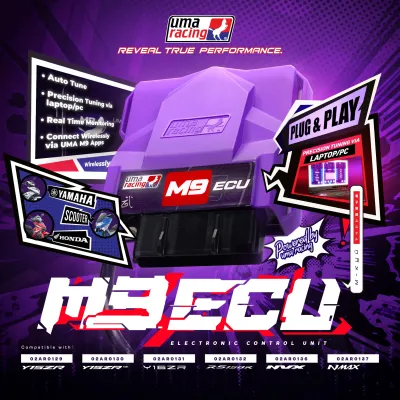
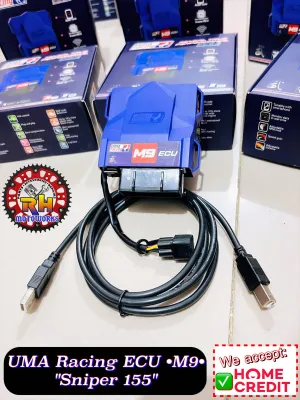
Prices are valid at publication and may change. Please refer to the product page for the latest price.
Before purchasing, you must measure your motorcycle’s brake disc thickness and the size of its cooling holes. Compare these measurements with the pin diameter and throat depth of the lock to ensure a proper fit. The throat depth determines how far onto the disc the lock can slide; insufficient clearance will prevent the locking pin from engaging.
Additionally, examine the locking mechanism type, such as a disc detainer or wave-style key cylinder, which dictates how resistant the lock is to picking and bumping. A smooth, weather-resistant keyway is also essential for daily operation, especially when exposed to road grime and dust.
GPS Tracking and Alarm System Specifications
Beyond physical deterrence, the electronic features of the security device provide remote monitoring and active alerts. The GPS tracking system relies on satellite positioning to pinpoint your motorcycle’s location, which is then transmitted to a mobile application. You should verify the tracking accuracy and update frequency specifications, as real-time updates are critical during a recovery scenario. Geofencing capabilities allow you to set virtual boundaries, triggering an immediate notification on your smartphone if the motorcycle crosses those limits.

The built-in alarm system uses motion or vibration sensors to detect unauthorized movement. When evaluating this feature, check the alarm’s decibel output and sensitivity adjustment ranges. A loud siren is effective for drawing attention, but it must comply with local noise regulations in your residential area. Adjustable sensitivity is crucial for balancing security with practical parking conditions, allowing you to lower the threshold in high-traffic zones to prevent false triggers.
Because the tracking and alert systems operate remotely, you must verify the connectivity requirements. This includes checking whether the device uses a built-in eSIM or requires a physical SIM card, as well as confirming compatibility with local cellular networks. In the Philippines, network coverage can vary significantly between urban centers and rural roads, so ensuring compatibility with major local telecommunications bands is vital for uninterrupted tracking.
Power Management and Durability Ratings
Electronic security devices require a reliable power source to maintain active tracking and alarm monitoring. You should analyze the battery capacity, charging method, and expected standby time based on the manufacturer’s official labels. Some devices feature rechargeable internal batteries, while others rely on replaceable cells or direct wiring to the motorcycle’s battery. Understanding the power consumption patterns under active GPS tracking versus low-power standby mode helps you plan a regular charging or maintenance schedule.
Environmental durability is another critical factor, particularly in tropical climates characterized by intense heat, high humidity, and sudden downpours. Check the device’s Ingress Protection (IP) rating to confirm its water and dust resistance. An IP65 or IP67 rating indicates that the device can withstand heavy rain and road spray without short-circuiting or corroding.
Furthermore, verify the operating temperature range specified by the manufacturer. Motorcycles parked outdoors in the Philippines are often exposed to direct sunlight, which can cause surface temperatures to rise rapidly. A robust operating temperature range ensures that the internal battery and electronic sensors continue to function reliably even during the hottest hours of the day.
Installation Requirements and Compatibility Checks
Integrating a security device onto your motorcycle requires careful compatibility checks to ensure safe operation. You must cross-reference the device’s physical mounting requirements with your motorcycle’s brake caliper clearance and disc size. Because the lock attaches directly to the braking system, any misalignment or incorrect placement can damage the brake rotor, caliper, or wheel speed sensors, potentially leading to mechanical failure while riding.
If the electronic components of the device require hardwiring into the motorcycle’s electrical system for continuous power, you must review the wiring prerequisites. Incorrect installation can drain your motorcycle’s main battery or cause electrical shorts. Always consult your motorcycle’s owner manual to locate safe power access points and understand how aftermarket electronics might affect your vehicle’s warranty.
For any installation involving electrical modifications or complex mounting, it is highly recommended to seek assistance from a qualified motorcycle mechanic. A professional can ensure that the device is securely mounted and wired without compromising the structural integrity or safety systems of your motorcycle.
Frequently Asked Questions (FAQ)
Does the UMA M9 require a monthly subscription for GPS tracking?
To use the GPS tracking features, you must check the manufacturer’s specific policy regarding data plans and network connectivity. Many tracking devices require an active cellular connection to transmit location data to your phone. This often involves purchasing a local prepaid SIM card and maintaining a balance of ₱50 to ₱100 per month for data usage, or subscribing to a proprietary service plan provided by the manufacturer’s companion app. Always review the product documentation to understand any ongoing operational costs before purchasing.
How do I adjust the alarm sensitivity to prevent false triggers?
Adjusting the alarm sensitivity is essential to prevent wind, passing heavy vehicles, or stray animals from triggering the siren. You should refer to the official user manual for the exact calibration steps. This process typically involves using the companion mobile app to slide a sensitivity scale or pressing a specific sequence of buttons on the physical lock body to cycle through pre-set sensor thresholds.
Community discussion
Share your experience or ask a question. Comments are reviewed before publication.