
Choosing between copper and iridium spark plugs for your motorcycle in the Philippines is not a matter of finding a single universally superior material. Instead, the right choice depends on matching the component to your engine’s design, your daily route, and your maintenance habits. While copper plugs offer excellent thermal conductivity at a lower initial cost, iridium plugs utilize a highly durable precious metal that resists wear over extended periods. Making the correct choice requires analyzing your motorcycle manufacturer’s original specifications, understanding how tropical heat and stop-and-go traffic affect ignition components, and establishing a realistic budget for routine upkeep.
Selecting the wrong spark plug type or heat range can lead to poor combustion, engine misfires, or even severe internal engine damage. Because spark plugs serve as a critical window into your engine’s operating health, understanding the physical and structural differences between these materials is the first step toward maintaining optimal performance. By focusing on verifiable manufacturer specifications and proper installation practices, you can ensure your motorcycle runs reliably under local riding conditions.
Understanding UMA Racing Spark Plug Materials
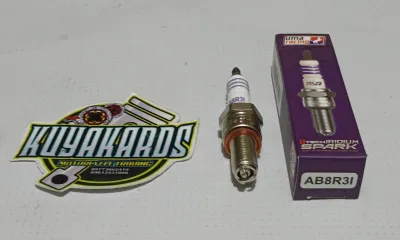
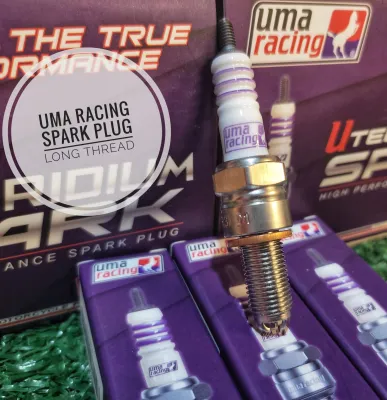
Identifying the physical and structural differences between copper and iridium spark plugs starts with examining the manufacturer labels and packaging. UMA Racing spark plugs are packaged with clear markings that indicate their core electrode material, thread dimensions, and heat range. Standard copper plugs typically feature a larger center electrode core wrapped in a nickel alloy, which is visible upon close inspection of the plug’s tip. In contrast, iridium plugs feature an extremely fine center electrode tip made of a highly durable iridium alloy, designed to focus the electrical spark with high precision.
Products mentioned in this guide
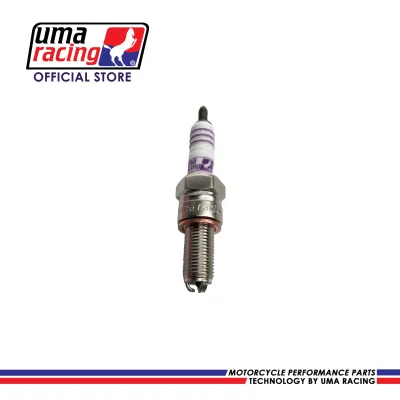
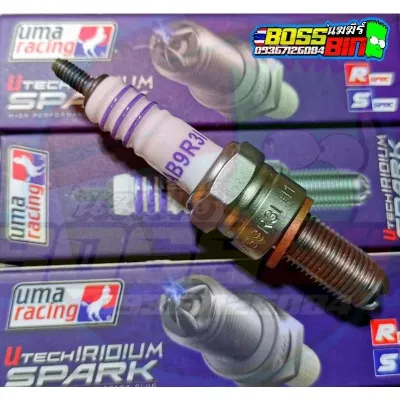
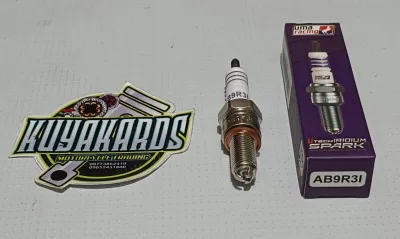
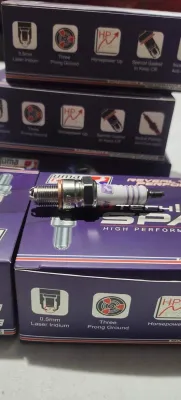
Prices are valid at publication and may change. Please refer to the product page for the latest price.
To ensure compatibility with your motorcycle, you must read the heat range codes and thread specifications directly from the product label before purchase. The alphanumeric code printed on the spark plug shell and the retail box details the thread diameter, thread reach, hex size, and thermal characteristics. A higher heat range number generally indicates a colder plug that dissipates heat quickly, which is often required for modified engines or high-load riding in tropical climates. Never guess these specifications, as installing a plug with the incorrect thread length or heat range can cause physical contact with the piston or lead to severe pre-ignition.
Before installing any new spark plug, perform a thorough visual inspection of the component. Examine the ceramic insulator for hairline cracks, chips, or manufacturing defects that could allow electrical voltage to leak. Inspect the threads to ensure they are clean, sharp, and free of metal shavings or debris. Finally, look closely at the electrode tip and the ground electrode to verify that they are properly aligned and that the precious metal insert, if applicable, is securely welded in place.
Copper vs Iridium: Comparing Key Decision Factors
Evaluating the trade-offs between copper and iridium requires comparing their manufacturer-stated service intervals and long-term cost considerations. Service intervals are not universal and should always be verified using the specifications printed on the product packaging or detailed in your motorcycle’s service manual. Copper plugs generally experience faster electrode wear due to the lower melting point of nickel alloy, requiring more frequent inspections and replacements. Iridium, with its exceptionally high melting point, resists electrical erosion and oxidation, allowing the plug to maintain its optimal gap for a significantly longer duration.

When calculating the cost of ownership, compare the upfront price in ₱ against the expected replacement frequency to determine the true cost per kilometer. While copper spark plugs require a much lower initial investment in ₱, their shorter service life means you will purchase and install them more frequently. Iridium plugs demand a higher upfront cost in ₱, but their extended durability often results in a lower cost per kilometer over the lifespan of the vehicle. Additionally, choosing longer-lasting plugs reduces the frequency of maintenance downtime and the risk of thread wear on the engine’s cylinder head from repeated removals.
Another key factor is the physical design of the electrode tip. The fine-wire design of an iridium electrode concentrates the electrical charge, requiring less voltage from the ignition coil to jump the gap. This characteristic is particularly beneficial for engines that specify fine-wire plugs to maintain stable combustion. Standard copper plugs, with their broader electrode tips, distribute wear over a larger surface area but require higher voltage to initiate a spark as the gap gradually widens over time.
Matching the Spark Plug to Your Riding Conditions
Choosing the right spark plug material depends heavily on your specific motorcycle usage, local environment, and maintenance preferences. Standard copper spark plugs are highly suitable for riders of standard commuter underbones and automatic scooters who adhere strictly to original equipment manufacturer (OEM) specifications. If your daily routine involves moderate distances and you prefer to perform frequent, low-cost maintenance checks alongside your regular oil changes, standard copper plugs offer reliable performance without a high upfront expense.
For riders facing daily stop-and-go traffic in congested urban areas, iridium spark plugs offer distinct advantages. Prolonged idling and low-speed riding in high ambient temperatures can increase the risk of carbon fouling on the spark plug tip. The fine-wire design of an iridium plug helps resist carbon buildup by maintaining a more concentrated spark, which promotes cleaner combustion during extended idling. Iridium is also highly suitable for long-distance touring or high-performance riding where minimizing the risk of mid-ride ignition issues is a priority.
Before upgrading or changing your spark plug material, verify your motorcycle’s warranty status and ignition system design. Some modern motorcycles equipped with sensitive electronic control units (ECUs) and specialized ignition coils are calibrated for the exact electrical resistance of their factory-installed plugs. Altering the plug material or resistance without verifying compatibility can lead to electrical interference, warning lights, or ignition system strain. Always consult your vehicle’s documentation to confirm if alternative spark plug materials are officially supported.
Installation, Gap Checking, and Safety Boundaries
Replacing a spark plug is a precise maintenance task that directly impacts engine compression and safety. Before installing any spark plug, you must check and adjust the electrode gap using a dedicated wire-type feeler gauge. Compare your measurement against the exact gap specification listed in your motorcycle’s service manual. When adjusting the gap on an iridium plug, use extreme caution and a proper gapping tool; never apply pressure directly to the delicate center electrode tip, as the iridium alloy can easily fracture or break off.
To prevent damage to the engine’s cylinder head, always thread the spark plug in by hand for the first several turns. This ensures the threads are properly engaged and prevents cross-threading, which can strip the aluminum threads of the cylinder head. Once the plug is hand-tight, use a calibrated torque wrench to tighten it to the exact torque limit specified by the manufacturer. If you feel abnormal resistance, grinding, or binding while threading the plug, stop immediately, remove the plug, and inspect the threads for debris or damage before proceeding.
Avoid applying anti-seize compounds or dielectric grease to the spark plug threads or terminals unless the manufacturer’s instructions explicitly permit it. Many modern spark plugs feature a special zinc or nickel plating designed to prevent corrosion and seizing without the need for external lubricants. Applying anti-seize can lubricate the threads excessively, leading to accidental over-tightening and thread damage even when using a torque wrench. If you lack the proper tools, torque specifications, or experience to perform this installation safely, always have the work completed by a qualified motorcycle technician.
Frequently Asked Questions (FAQ)
Can I switch from copper to iridium if my manual specifies copper?
You can often transition from copper to iridium, provided you verify that the replacement plug matches the exact thread diameter, thread reach, and heat range specified in your motorcycle’s owner’s manual. Installing a plug with an incorrect thread reach can cause physical contact with the piston or leave threads exposed to carbon buildup. Additionally, you must ensure that your motorcycle’s ignition system is compatible with the electrical resistance characteristics of the new fine-wire plug to prevent ignition coil strain or electrical interference.
How do I verify if a UMA Racing spark plug is authentic?
To verify authenticity, begin by closely examining the retail packaging for high-quality, crisp printing, accurate batch codes, and intact security seals or holograms. On the spark plug itself, inspect the weld joint where the iridium tip meets the center electrode; genuine premium plugs feature clean, precise laser welds rather than sloppy or uneven joints. The ceramic insulator should have a smooth, consistent glaze free of bubbles or physical defects, and the thread portion should be cleanly rolled without rough edges or metal burrs.
Community discussion
Share your experience or ask a question. Comments are reviewed before publication.