
Quick Answer: Choosing Between UMA and Other NMAX V2 Radiators
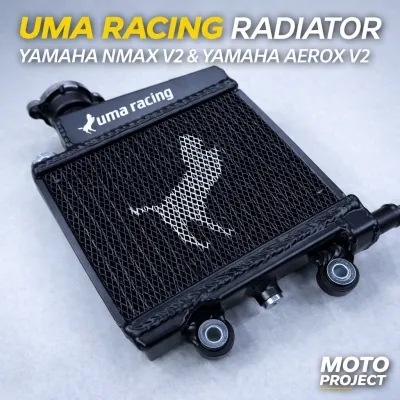
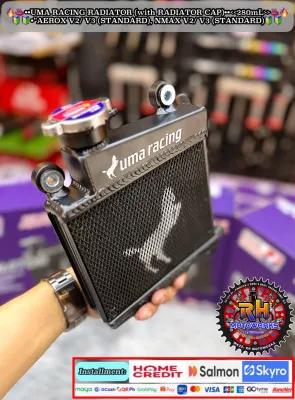
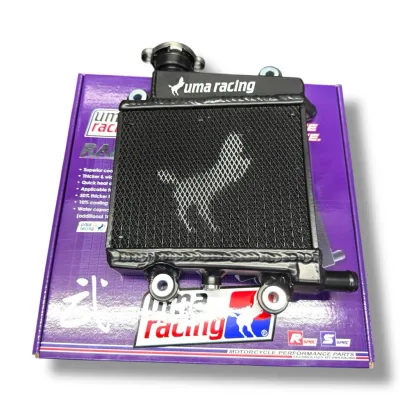
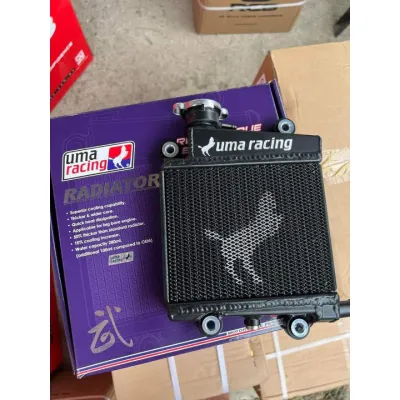
The Yamaha NMAX V2 is a staple of Philippine roads, serving as a reliable daily commuter and long-distance touring machine. When upgrading its cooling system, the UMA Racing radiator represents a balanced, highly reliable, direct-fit solution. It is designed specifically to drop into the stock mounting position without modifying the scooter’s bodywork, making it an excellent choice for daily riders seeking a proven thermal upgrade with widespread local availability.
To decide if the UMA radiator is right for your NMAX V2, consider this conditional framework:
- Choose the UMA radiator if you want a straightforward, bolt-on performance upgrade that retains the original fan shroud, matches OEM mounting points, and provides a noticeable boost in heat dissipation for urban commuting and weekend rides.
- Choose oversized or multi-row aluminum alternatives if your scooter has a highly modified engine (such as a big-bore kit), if you frequently carry heavy pillion loads up steep mountain routes like the Marcos Highway, or if you participate in competitive track events where the engine operates at high RPMs for extended periods.
- Stick to an OEM replacement if your current radiator is simply leaking, your engine is completely stock, and you do not experience temperature spikes during your typical daily riding routines.
Identifying the Need: Stock vs. Aftermarket Cooling
The Yamaha NMAX V2 is powered by a liquid-cooled, 155cc Blue Core engine equipped with Variable Valve Actuation (VVA). While this powerplant is highly efficient, it generates substantial heat, particularly when operating under the intense tropical climate of the Philippines. Unlike conventional motorcycles that feature front-mounted radiators exposed to direct ram air, scooters package the radiator on the side of the engine block. This layout relies heavily on a mechanical fan attached to the crankshaft to pull air through the radiator shroud, making the cooling system highly sensitive to ambient temperatures and airflow restrictions.
Products mentioned in this guide
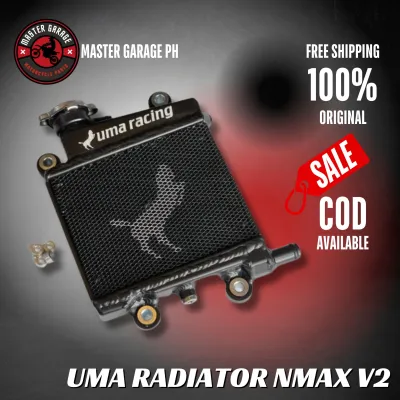
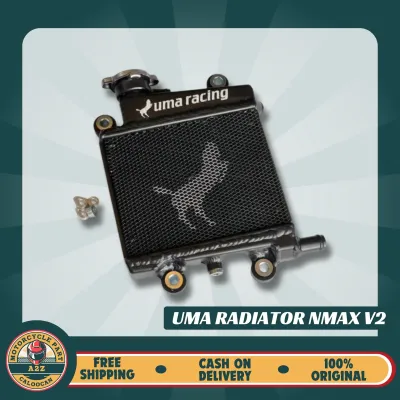
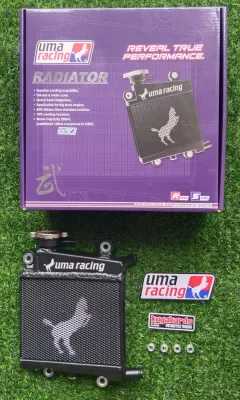
Prices are valid at publication and may change. Please refer to the product page for the latest price.

In dense urban areas like Metro Manila or Cebu, riders frequently encounter prolonged stop-and-go traffic. Under these conditions, several observable signs indicate that the stock cooling system is reaching its thermal limits:
- The radiator cooling fan runs continuously without cycling off, even during short stops.
- The digital temperature bar on the instrument panel consistently hovers near the maximum threshold.
- A noticeable, uncomfortable wave of heat radiates upward through the right-side floorboard area.
- The coolant level in the plastic reservoir tank drops regularly, indicating boil-over or evaporation due to excessive heat.
It is vital to establish realistic expectations before purchasing an aftermarket radiator. Upgrading to a high-performance unit increases the overall thermal capacity of the system, allowing it to absorb and dissipate heat much faster under heavy stress. However, an aftermarket radiator will not increase your engine’s horsepower, nor will it lower the baseline operating temperature below the threshold set by the mechanical thermostat. The thermostat regulates the minimum temperature required for clean combustion and optimal oil viscosity; a larger radiator simply prevents the engine from exceeding safe thermal limits when pushed hard.
UMA Radiator Profile: Build, Fitment, and Market Position
UMA Racing has established a strong reputation in the Philippine motorcycle community for producing high-quality performance components that bridge the gap between expensive racing parts and cheap, unbranded alternatives. Their radiator for the Yamaha NMAX V2 is engineered to address the specific cooling bottlenecks of the Blue Core engine while maintaining a consumer-friendly installation process.
The construction of the UMA radiator typically features a high-density aluminum core with optimized cooling tube dimensions and a precise fin pitch. Aluminum is chosen for its superior thermal conductivity compared to traditional brass or copper alloys. The fin density is carefully calibrated to balance two competing forces: maximizing the surface area available for heat transfer while ensuring that the air pulled by the crankshaft fan can easily pass through the core. Cheap aftermarket radiators often feature excessively dense fins that restrict airflow at low speeds, or sparse fins that fail to transfer heat efficiently.
When purchasing a UMA radiator, verifying the exact model generation is critical. The Yamaha NMAX V1 (model years 2015 to 2019) and the NMAX V2 (model years 2020 to 2026) utilize completely different chassis layouts, mounting bracket offsets, hose routing angles, and fan shroud configurations. A radiator designed for the V1 will not bolt onto a V2 without extensive, unsafe modifications to the brackets and hoses. Always check the packaging or product documentation for the specific V2 designation (often associated with the B6H engine or chassis code) to ensure a seamless fit.
In the local market, the UMA radiator occupies a premium mid-tier position. While generic, unbranded aluminum radiators are widely available on online marketplaces for ₱1,500 to ₱2,500, they often suffer from poor quality control, misaligned brackets, and thin core materials. High-end, fully custom racing radiators can easily exceed ₱8,000 and are difficult to source. The UMA radiator, typically priced between ₱3,500 and ₱5,500, offers riders a reliable, quality-controlled product backed by a reputable brand and a robust local dealer network.
Comparing UMA Against Other Aftermarket Alternatives
To make an informed decision, it is essential to compare the UMA radiator against other common aftermarket options available to NMAX V2 owners in the Philippines.
Oversized and High-Capacity Radiators
Oversized radiators feature physically larger dimensions, deeper end-tanks, or thicker multi-row cores (often expanding from the stock 16mm thickness to 26mm or even 32mm). These units significantly increase the total volume of coolant circulating through the engine.
The primary benefit of an oversized radiator is its massive thermal inertia. With more coolant in the loop, it takes much longer for the engine to reach critical temperatures under extreme loads, such as climbing steep inclines in Benguet or carrying a heavy passenger and luggage. However, these physical dimensions introduce notable trade-offs. The extra thickness can restrict the limited clearance behind the NMAX V2’s right-side plastic fairings, potentially causing the radiator to rub against the bodywork or inner fender. Furthermore, if the core is too thick, the stock crankshaft-driven fan may lack the static pressure required to pull air through the dense fin stack at a standstill, paradoxically leading to higher temperatures in bumper-to-bumper traffic.
Full-Aluminum and "Racing" Spec Radiators
Full-aluminum “racing” radiators feature 100% welded construction, completely eliminating the plastic end-tanks and mechanical crimps found on standard OEM units. Every seam, bracket, and inlet pipe is TIG-welded directly to the aluminum core.
These radiators are designed to withstand extreme operating pressures and rapid thermal cycling without leaking. This makes them highly suitable for high-compression engines, track racing, or scooters equipped with aftermarket turbochargers or superchargers. However, full-aluminum construction is exceptionally rigid. The single-cylinder engine of the NMAX V2 produces distinct, high-frequency vibrations. If a rigid, full-aluminum radiator is bolted directly to the engine or frame without high-quality rubber vibration-damping grommets (isolators), the constant metal fatigue can cause the welds to crack over time, resulting in sudden and catastrophic coolant loss. For a daily commuter, the extreme pressure resistance of a racing-spec radiator is generally unnecessary.
Standard OEM-Style Aftermarket Replacements
Standard OEM-style replacements are budget-oriented products designed to mimic the exact specifications, materials, and cooling capacity of the original factory-installed Yamaha radiator.
These units are primarily intended as low-cost repair solutions rather than performance upgrades. If your stock radiator has been damaged in a minor collision or has developed a leak due to road debris, an OEM-style replacement from a reputable local brand offers an affordable way to get your scooter back on the road, often costing under ₱1,500. However, these budget units do not feature the advanced metallurgy, optimized fin density, or increased core thickness of performance options like the UMA radiator. They will perform identically to your stock unit, meaning they will not provide any additional cooling reserve when navigating intense tropical heat or climbing steep mountain passes.
Pre-Purchase Checklist: Verifying Specs and Compatibility
Before purchasing any aftermarket radiator for your Yamaha NMAX V2, do not rely solely on generic product titles or online listings. Use this comprehensive verification checklist to inspect the physical product, packaging, or technical specifications:
- Generation Compatibility: Inspect the mounting tabs and brackets on the radiator. The NMAX V2 requires specific offsets to clear the engine casing and align with the side fairing mounts. Ensure the product box explicitly states compatibility with the "NMAX V2," "NMAX 2020-2026," or the "B6H" model code. Verify the presence of the threaded port for the coolant temperature sensor, which must match the thread pitch of your stock sensor.
- Core Thickness and Dimensions: Measure the thickness of the radiator core. A standard upgrade should ideally measure between 22mm and 26mm. Anything thicker than 28mm requires careful measurement of the clearance behind your scooter's side cowl and inner fender to ensure the tire or plastic panels do not make contact with the radiator face during suspension compression.
- Cap Pressure Rating: Check the pressure rating of the radiator cap. The stock NMAX V2 cooling system utilizes a 1.1 bar cap. Many performance aftermarket radiators are supplied with or recommend a 1.3 bar cap. While a 1.3 bar cap raises the boiling point of the coolant (providing a safety margin against boil-over), it also increases the internal pressure of the entire cooling loop. Ensure your rubber hoses, thermostat housing, and water pump seals are in excellent condition to handle this increased stress, or consider upgrading to reinforced silicone hoses.
- Fan Shroud and Sensor Mounts: Examine the quality and alignment of the pre-welded mounting tabs for the stock cooling fan shroud. The fan must sit perfectly parallel to the radiator core with a consistent, small gap. If the brackets are misaligned or missing, the fan blades can rub against the delicate aluminum fins, flattening them and eventually puncturing the coolant tubes.
Installation Boundaries, Coolant Specs, and System Safety
Modifying your scooter’s cooling system carries significant safety and mechanical responsibilities. The cooling system is pressurized and operates at temperatures well above the boiling point of water; improper handling can lead to severe physical injury or catastrophic engine failure.
Before performing any work, ensure the engine is completely cold. Never attempt to remove the radiator cap or disconnect hoses immediately after riding. Hot, pressurized coolant can spray out instantly, causing severe thermal burns to your hands, face, and eyes.
One of the most critical steps during the installation of an aftermarket radiator is properly bleeding (or “burping”) the system. When you drain the old coolant and install a new radiator, air pockets will inevitably become trapped within the cylinder head, thermostat housing, and water pump. If these air bubbles are not completely purged, they will block the flow of coolant, leading to rapid, localized overheating that can warp the cylinder head or blow the head gasket within minutes of starting the engine. To bleed the system:
- Fill the radiator and reservoir tank to the recommended levels with fresh coolant.
- Start the engine with the radiator cap removed and let it idle.
- Gently squeeze the radiator hoses to help dislodge trapped air bubbles, watching them escape through the open filler neck.
- Wait for the engine to reach operating temperature (until the thermostat opens and coolant begins to circulate).
- Top off the coolant level as the air pockets escape, then securely install the radiator cap.
Always consult your Yamaha NMAX V2 owner’s manual for the exact coolant specifications. It is highly recommended to use a high-quality, pre-mixed, silicate-free ethylene glycol coolant formulated specifically for aluminum motorcycle engines. Silicates can be abrasive to the delicate mechanical seals of the water pump, leading to premature leaks. Avoid using ordinary tap water, as the dissolved minerals will precipitate under heat, forming scale deposits that clog the narrow aluminum passages and reduce heat transfer. Never mix different colors or chemical formulations of coolant, as incompatible additives can react, creating a thick sludge that blocks coolant flow.
If you do not possess the proper tools, such as hose clamp pliers, a torque wrench, and a cooling system pressure tester, do not attempt this installation yourself. Seek the services of a qualified motorcycle mechanic at a reputable service center. A professional installation ensures that all hose clamps are torqued correctly, the system is pressure-tested for leaks, and all air is fully purged. Additionally, be aware that installing aftermarket cooling components may void your manufacturer’s warranty on the engine and related systems; verify your local dealer’s policies before proceeding.
Frequently Asked Questions (FAQ)
Do I need to upgrade my radiator hoses when installing an aftermarket radiator?
If the aftermarket radiator is designed as a direct-fit replacement (such as the UMA radiator) and maintains the original physical dimensions and hose barb locations, your stock rubber hoses will fit without issue. However, before reinstalling them, carefully inspect the hoses for signs of aging, such as swelling, cracking, hardness, or soft spots near the clamp areas. If your scooter has high mileage or is several years old, upgrading to high-quality, reinforced silicone radiator hoses is highly recommended. Silicone hoses offer superior resistance to high temperatures, ozone degradation, and the increased pressures associated with high-performance cooling systems.
Will a bigger aftermarket radiator make my NMAX V2 engine run colder than normal?
No, installing a larger or more efficient aftermarket radiator will not lower your engine’s normal operating temperature below its designed limit. The operating temperature of the Yamaha NMAX V2 is strictly regulated by a mechanical thermostat and the ECU-controlled cooling fan. The thermostat remains closed when the engine is cold, restricting coolant flow to the radiator so the engine can quickly reach its optimal operating temperature (typically between 82°C and 85°C). Once this temperature is reached, the thermostat opens to allow cooling. A larger radiator simply provides a greater thermal reserve and faster heat dissipation, preventing the engine from running hotter than normal under heavy loads or in extreme traffic, but it cannot override the thermostat’s minimum temperature setting.
Community discussion
Share your experience or ask a question. Comments are reviewed before publication.