
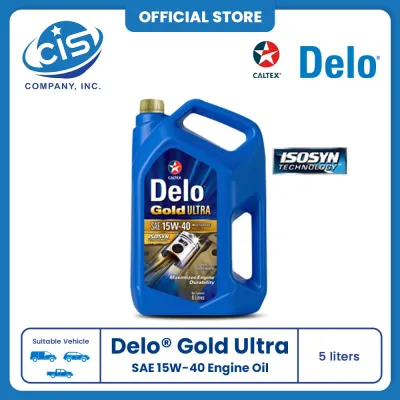
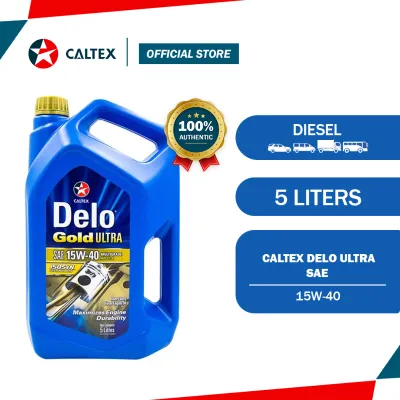
When you browse auto supply shops in the Philippines or look for diesel engine lubricants online, you will likely encounter the numbers 15W-40 on bottles of Caltex Delo Gold Ultra. This rating represents the oil’s viscosity, which measures its resistance to flow at specific temperatures. Choosing the correct viscosity is essential to protect your diesel engine from premature wear, maintain fuel efficiency, and ensure reliable performance under heavy loads.
The Society of Automotive Engineers (SAE) established this numerical grading system to standardize how motor oils behave across different thermal conditions. In a multi-grade oil like Delo Gold Ultra 15W-40, the rating is divided into two parts: a low-temperature flow rating and a high-temperature operating rating. This dual character allows the oil to remain fluid enough to flow during cold starts while retaining enough thickness to protect internal components when the engine reaches its full operating temperature.
The “15W” portion refers to the oil’s behavior in cold conditions, with the “W” standing for Winter. The number preceding the W indicates how easily the engine can crank and how quickly the oil pump can circulate the fluid at low temperatures. A lower winter number, such as 5W or 0W, means the oil remains highly fluid in freezing climates. For a 15W rating, the oil is formulated to provide reliable flow and pumpability down to a standard baseline, ensuring that internal engine components receive immediate lubrication the moment you turn the key.
Products mentioned in this guide
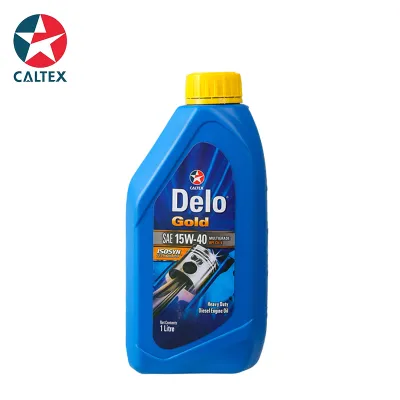
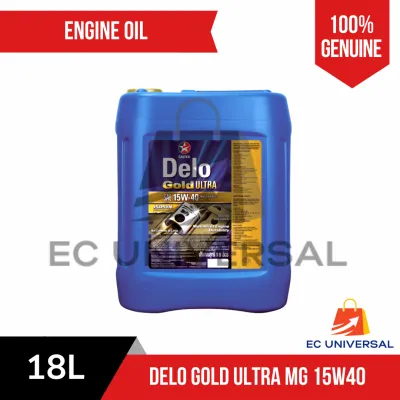
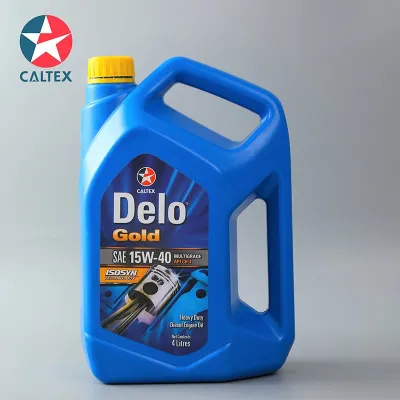
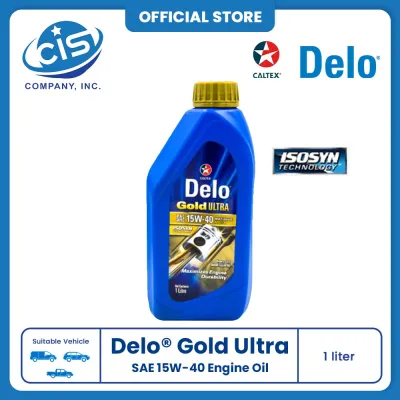
Prices are valid at publication and may change. Please refer to the product page for the latest price.
The “40” portion represents the oil’s kinematic viscosity measured at 100°C, which is the typical operating temperature of a fully warmed-up engine. This number indicates the thickness and strength of the protective oil film that separates moving metal parts under intense heat and pressure. A higher number means a thicker, more robust film that resists thinning out when the engine is pushed to its limits. A 40-grade oil provides an excellent balance, offering a tough barrier against metal-to-metal contact without creating excessive internal drag that could sap engine power.
It is vital to understand that viscosity is a measure of flow resistance, not a direct indicator of the oil’s overall quality or the sophistication of its additive package. An oil is only as good as its compatibility with your specific engine’s internal clearances. Modern engines with tight tolerances require thinner oils to flow through narrow passages, while older or heavy-duty diesel engines rely on the thicker cushion of a 15W-40 oil to prevent wear and maintain stable oil pressure.
Why 15W-40 Suits Diesel Engines in the Philippines
The tropical climate of the Philippines plays a major role in why 15W-40 remains the go-to viscosity grade for many local vehicle owners and fleet operators. Unlike colder regions where winter temperatures drop well below freezing, ambient temperatures in the Philippines rarely dip low enough to require thin 0W or 5W oils for morning starts. Even during cooler mornings in elevated areas like Baguio or Tagaytay, a 15W winter rating is perfectly adequate to ensure rapid oil circulation and protect the engine during the critical first few seconds of operation.
On the other end of the temperature spectrum, the intense tropical heat combined with severe driving conditions demands exceptional high-temperature protection. Diesel engines naturally operate under much higher compression ratios than gasoline engines, which generates immense internal heat and pressure. When you are stuck in bumper-to-bumper traffic along EDSA, idling for extended periods with the air conditioning running, or hauling heavy cargo up steep provincial roads, your engine experiences extreme thermal stress. The “40” high-temperature rating of Delo Gold Ultra ensures that the oil film maintains its structural integrity, preventing the lubricant from shearing or thinning out excessively under these harsh conditions.
Beyond simple lubrication, the viscosity of a diesel engine oil plays a crucial role in sealing the combustion chamber. Diesel engines rely on high cylinder pressure to ignite fuel, and a robust oil film helps seal the gap between the piston rings and the cylinder walls, preventing blow-by gases from escaping into the crankcase. Additionally, diesel combustion produces a significant amount of soot. A high-quality 15W-40 oil is formulated to suspend these abrasive soot particles, preventing them from agglomerating into harmful sludge or causing premature engine wear.
While 15W-40 is widely considered the heavy-duty standard for diesel engines across the country, it is important to remember that local driving conditions do not override the manufacturer’s engineering. The final authority on which viscosity grade to use is always the vehicle owner’s manual. If your vehicle manufacturer explicitly permits the use of 15W-40 for our climate zone, it represents an incredibly reliable and cost-effective choice for long-term engine longevity.
Checking Compatibility: Is Delo Gold Ultra Right for Your Vehicle?
Before purchasing Delo Gold Ultra 15W-40, you must verify that it matches your vehicle’s specific mechanical requirements. The first and most important step is to consult your vehicle’s owner’s manual. Look for the recommended SAE viscosity chart and, more importantly, the required API (American Petroleum Institute) service category or specific original equipment manufacturer (OEM) approvals. Diesel engine oils are formulated to meet different performance tiers, and using an oil with the wrong chemical specifications can lead to engine damage or emissions system failure.

When you examine the label of a bottle of Delo Gold Ultra 15W-40, you will find a list of performance certifications alongside the viscosity rating. These ratings (such as API CI-4, CH-4, or specific manufacturer specifications from brands like Mercedes-Benz, Volvo, or Cummins) indicate that the oil has passed rigorous testing to prove its ability to control wear, resist oxidation, and handle soot. Viscosity is only one part of the equation; the additive package verified by these certifications is what truly protects your engine over thousands of kilometers.
Typical vehicles that benefit from a high-quality 15W-40 oil like Delo Gold Ultra include light commercial trucks, older diesel SUVs (such as the Isuzu Crosswind or Mitsubishi Adventure), utility pickup trucks, and heavy-duty construction or agricultural equipment. These engines are designed with clearances and operating parameters that are perfectly matched to the flow characteristics of a 15W-40 fluid, allowing them to run smoothly and maintain stable oil pressure even under continuous, demanding work cycles.
Conversely, you should avoid using 15W-40 in modern, light-duty passenger diesel engines that are specifically designed for lower viscosity lubricants, such as 5W-30 or 0W-20. Many modern diesel engines feature highly sensitive emissions control devices, such as Diesel Particulate Filters (DPFs), and tight internal clearances. Using a thick 15W-40 oil in these systems can restrict oil flow during startup, reduce fuel economy, put extra strain on variable valve timing systems, and potentially clog exhaust aftertreatment devices, leading to expensive repairs and voided warranties.
15W-40 vs. Other Viscosity Grades: Making the Right Choice
Understanding how 15W-40 compares to other common viscosity grades can help you make an informed decision when it is time for an oil change. One common comparison is between 15W-40 and 10W-30. A 10W-30 diesel oil is thinner at both cold startup and operating temperatures. While 10W-30 can provide slightly better fuel economy due to reduced fluid drag and offers quicker oil pressure buildup in cold climates, 15W-40 provides a thicker, more resilient high-temperature oil film. This makes 15W-40 the preferred choice for high-mileage engines, older vehicle models, or vehicles that regularly operate under severe-duty cycles and heavy loads.
Another frequent comparison is with 20W-50 engine oil. Some vehicle owners with older, high-mileage diesel engines switch to 20W-50 in an attempt to reduce oil consumption or quiet a noisy engine. While 20W-50 is indeed thicker and can temporarily seal worn internal clearances, it flows poorly at startup, which is when the vast majority of engine wear occurs. Because 20W-50 takes longer to reach the top of the engine during a cold start, it can leave critical components unprotected for several seconds. A 15W-40 oil offers a much safer and more balanced compromise, providing excellent hot-temperature protection without sacrificing vital startup lubrication.
Ultimately, any decision to switch viscosity grades should be guided by your vehicle’s manufacturer guidelines or a trusted, qualified mechanic. If your engine is experiencing high oil consumption or low oil pressure, jumping straight to a significantly thicker oil might only mask a mechanical issue while creating new lubrication problems elsewhere in the system.
Maintenance Tips for 15W-40 Diesel Engine Oil
To get the maximum performance and protection from Delo Gold Ultra 15W-40, you should establish a consistent maintenance routine. Always adhere to the oil drain intervals recommended by your vehicle manufacturer. It is important to note that “normal” driving conditions rarely apply in highly congested urban areas or dusty provincial regions. If your daily driving involves frequent stop-and-go traffic, short trips where the engine does not reach full operating temperature, prolonged idling, or hauling heavy loads, you should follow the “severe” service schedule, which typically requires more frequent oil changes.
Regularly checking your engine’s oil level using the dipstick is a simple yet highly effective way to prevent catastrophic engine damage. When checking your diesel oil, do not be alarmed if the fluid appears black shortly after an oil change. Unlike gasoline engines, where the oil stays amber for a long time, diesel engines produce soot that is immediately suspended by the oil’s detergent additives. This rapid color change is a sign that the oil is working correctly to keep your engine clean, rather than an indication that the oil has failed or needs immediate replacement.
During every single oil change, always replace the oil filter with a high-quality, compatible filter. A clogged or low-quality filter cannot efficiently trap the soot and metallic wear particles suspended in the oil, which can cause the filter’s bypass valve to open and allow unfiltered oil to circulate back into your engine. Investing in a premium filter ensures that your fresh Delo Gold Ultra 15W-40 remains clean and effective throughout its entire service interval.
Finally, remember to practice responsible environmental stewardship when performing oil changes. Used motor oil is a hazardous material that can contaminate soil and water sources if disposed of improperly. Never pour used oil down household drains, onto the ground, or into trash bins. Instead, collect the old oil in a secure, leak-proof container and take it to an authorized recycling center, auto service shop, or designated collection point for proper disposal.
Frequently Asked Questions (FAQ)
Can I mix 15W-40 with other viscosity grades?
You should avoid intentionally mixing different viscosity grades, such as topping up a 15W-40 oil with a 20W-50 or 10W-30 oil. Doing so alters the carefully engineered viscosity profile and can disrupt the balance of the additive packages, potentially reducing the oil’s ability to protect your engine. However, in an absolute roadside emergency where your oil level is dangerously low and no 15W-40 is available, adding a small amount of another high-quality diesel-rated oil to reach a safe level is far better than running the engine dry. If you must do this, schedule a full oil and filter change as soon as possible to restore the proper oil specification.
Is 15W-40 too thick for modern diesel engines?
Yes, 15W-40 can be too thick for many modern, light-duty passenger diesel engines. Newer engines are often engineered with extremely tight tolerances and advanced emissions systems, such as Diesel Particulate Filters (DPFs) or Selective Catalytic Reduction (SCR) systems, which require thinner, low-SAPS (Sulfated Ash, Phosphorus, and Sulfur) oils like 5W-30 or 0W-30. Using a thick 15W-40 oil in these vehicles can cause sluggish oil flow during cold starts, reduce fuel efficiency, put unnecessary stress on variable valve timing components, and potentially damage sensitive emissions hardware. Always consult your owner’s manual to verify the correct oil viscosity and specification for your specific model year.
Does Delo Gold Ultra 15W-40 work for both turbo and non-turbo diesels?
Yes, Delo Gold Ultra 15W-40 is fully suitable for both turbocharged and naturally aspirated (non-turbo) diesel engines, provided it meets the performance specifications required by your vehicle’s manufacturer. Turbocharged engines operate under extreme thermal conditions and high rotational speeds, which subjects the engine oil to severe shear stress and heat. High-quality 15W-40 oils are specifically formulated with robust base oils and shear-stable additives to resist thermal breakdown and protect turbocharger bearings from deposit buildup, while still providing excellent wear protection for standard, non-turbocharged configurations.
Community discussion
Share your experience or ask a question. Comments are reviewed before publication.