
Choosing the right motor oil is one of the most critical decisions you can make to preserve your vehicle’s performance and longevity. The alphanumeric code on the bottle, such as 5W-30, represents a standardized rating system that describes how the oil flows at both freezing and operating temperatures. If you are considering a premium lubricant such as ams oil 5w30 fully synthetic for your vehicle, understanding how this fluid behaves under different thermal conditions is essential for maintaining engine health.
Engine oils must be thin enough to flow quickly during cold starts, yet thick enough to maintain a protective barrier when the engine reaches its full operating temperature. A multi-grade oil like 5W-30 uses advanced chemistry to balance these conflicting requirements, ensuring that vital internal components remain lubricated under a wide range of driving conditions.
Decoding the 5W-30 Viscosity Rating
To understand what 5W-30 means, it is helpful to look at the global standard established by the Society of Automotive Engineers, known as the SAE J300 engine oil viscosity classification. This standard defines the limits for oil flow characteristics at both extremely low and high temperatures, ensuring consistency across different brands and formulations.
Products mentioned in this guide
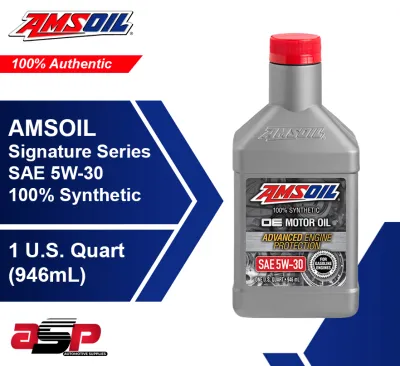
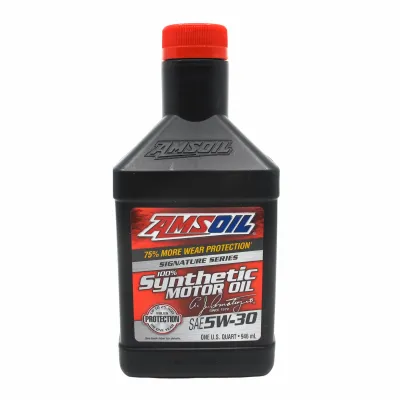
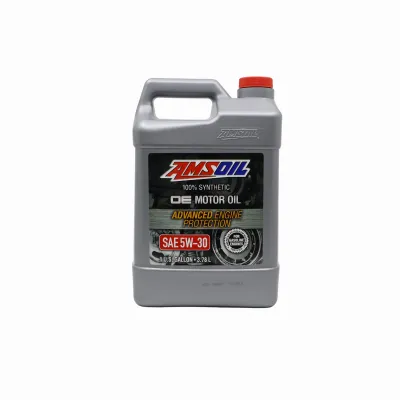
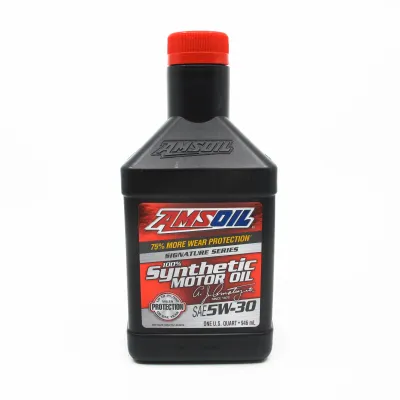
Prices are valid at publication and may change. Please refer to the product page for the latest price.
The “5W” portion of the rating designates the oil’s low-temperature viscosity, where the “W” stands for winter. This rating is determined through laboratory tests that measure cold-cranking limits and pumpability at temperatures well below freezing. A lower number before the “W” indicates that the oil remains fluid and pumpable at lower temperatures, reducing the resistance the starter motor must overcome during a cold start.
Even in a tropical climate where freezing temperatures do not occur, the low-temperature rating remains highly relevant. At ambient morning temperatures of 25°C to 30°C, motor oil is still significantly thicker than it is at normal engine operating temperatures. A 5W rating ensures that the oil circulates rapidly through the engine immediately upon startup, protecting critical components before the engine warms up.
The “30” in the rating represents the oil’s kinematic viscosity at 100°C, which is the standard operating temperature for a fully warmed-up internal combustion engine. This number is measured in centistokes and indicates the oil’s resistance to flow under heat. A rating of 30 provides a balanced oil film thickness that is robust enough to prevent metal-to-metal contact, yet thin enough to minimize internal fluid drag.
Viscosity is strictly a measure of a fluid’s resistance to flow, not a direct indicator of its subjective quality or purity. A higher viscosity rating does not mean the oil is inherently better; it simply means the fluid is thicker and flows more slowly under specific thermal conditions. Using an oil with the incorrect viscosity for your engine can lead to inadequate lubrication, increased wear, or reduced efficiency.
The Role of Fully Synthetic Base Oils
Not all 5W-30 motor oils are engineered the same way, as their performance depends heavily on the quality of the base oils used in their formulation. Fully synthetic base oils are manufactured through advanced chemical synthesis, resulting in highly uniform molecular structures. In contrast, conventional mineral oils are refined from crude oil and contain natural impurities, varying molecular sizes, and volatile compounds.

The molecular uniformity of fully synthetic oils provides superior resistance to thermal breakdown and oxidation. When subjected to intense engine heat, conventional oils can oxidize rapidly, leading to chemical degradation, oil thickening, and the formation of harmful sludge. Fully synthetic formulations maintain their chemical stability and preserve their designated 5W-30 viscosity grade over much longer periods.
Another critical advantage of synthetic base stocks is their high shear stability. Inside a modern engine, moving parts like piston rings, camshafts, and timing chains subject the oil to intense mechanical shearing forces. Cheap oils containing low-quality viscosity index improvers can shear apart permanently, causing the oil to thin out and lose its protective capabilities. Fully synthetic oils resist this mechanical degradation, maintaining their protective film thickness even under extreme stress.
Premium lubricants combine these robust synthetic base oils with specialized additive packages. These additives include anti-wear agents, detergents, dispersants, and friction modifiers that work synergistically with the synthetic base. This combination ensures that the oil not only lubricates but also actively cleans and protects internal engine components throughout the entire service interval.
Evaluating 5W-30 for Tropical Climates and Daily Driving
When operating a vehicle in tropical regions like the Philippines, ambient conditions present unique challenges for engine lubrication. High ambient temperatures, intense humidity, and prolonged exposure to heat can accelerate the degradation of lower-quality lubricants. However, a fully synthetic 5W-30 oil is highly capable of protecting modern engines in these demanding environments.
Modern automotive engines are liquid-cooled, meaning the vehicle’s cooling system regulates internal temperatures to keep them within a controlled range, typically between 90°C and 105°C. Because the internal operating temperature remains relatively constant regardless of external weather, a 30-grade high-temperature rating provides the exact film thickness modern engines are designed to use. As long as your vehicle’s cooling system is functioning correctly, a 5W-30 oil will deliver reliable protection in tropical climates.
Severe stop-and-go city traffic, which is common in major metropolitan areas, places additional stress on both the engine and the lubricant. Frequent idling, low-speed driving, and continuous air-conditioning use prevent natural airflow through the radiator, causing engine compartment temperatures to rise. Under these severe driving conditions, fully synthetic 5W-30 oil resists thermal breakdown and prevents the accumulation of high-temperature deposits and varnish.
Before purchasing any motor oil, you must always cross-reference the specifications with your vehicle’s owner’s manual. The manufacturer’s documentation outlines the exact viscosity grades and industry certifications required for your specific engine model and model year. Adhering to these guidelines is essential for maintaining your vehicle’s warranty and ensuring optimal performance.
In some scenarios, a different viscosity grade might be more appropriate for your vehicle. For example, older engines with high mileage may experience increased clearances between moving parts due to physical wear over time. In such cases, transitioning to a slightly thicker oil, such as a 5W-40 or 10W-40, can help maintain oil pressure and reduce oil consumption. However, this adjustment should only be made if it is permitted by the vehicle manufacturer or recommended by a qualified automotive technician.
Core Engine Protection Benefits of 5W-30 Synthetic Oil
Using a high-quality fully synthetic 5W-30 motor oil translates directly into tangible protection benefits that safeguard your automotive investment. These benefits address the primary phases of engine operation where wear and damage are most likely to occur.
- Rapid Startup Protection: Industry research indicates that a significant portion of engine wear occurs during the first few seconds after ignition, when the oil has drained back into the oil pan. The low-temperature fluidity of a 5W rating allows the oil pump to distribute the lubricant to the topmost components of the engine, such as the overhead camshafts and valvetrain, almost instantly.
- High-Temperature Film Strength: At full operating temperature, a fully synthetic 5W-30 oil maintains a stable, continuous lubricating film between high-speed moving parts. This prevents metal-to-metal contact under heavy loads, such as when climbing steep inclines or carrying heavy cargo, reducing friction and wear.
- Sludge and Deposit Control: The thermal stability of synthetic base oils prevents the oil from baking onto hot engine surfaces. By resisting oxidation, the oil minimizes the formation of carbon deposits on piston rings and valve guides, preserving engine compression, power output, and fuel efficiency.
Frequently Asked Questions (FAQ)
Can I mix 5W-30 fully synthetic with conventional oil?
Yes, fully synthetic 5W-30 oil is chemically compatible with conventional mineral oils and can be mixed in emergency situations without causing immediate engine damage. However, doing so will dilute the superior performance characteristics, thermal stability, and wear protection of the synthetic oil. For optimal engine protection and to maintain the extended drain intervals associated with synthetic lubricants, it is highly recommended to perform a complete oil and filter change rather than mixing different oil types.
Will switching to 5W-30 synthetic oil improve my fuel economy?
Switching to a fully synthetic 5W-30 oil can marginally improve your vehicle’s fuel economy if you are transitioning from a thicker viscosity grade, such as a 15W-40 or 20W-50. The lower viscosity of a 30-grade oil reduces internal fluid friction and parasitic drag within the engine, allowing moving parts to operate with less resistance. However, you must only use the viscosity grades recommended by your vehicle’s original equipment manufacturer to prevent engine damage and avoid voiding your warranty.
Community discussion
Share your experience or ask a question. Comments are reviewed before publication.