
The 5W-30 rating on a bottle of motor oil represents its viscosity grade, which measures how easily the oil flows at specific temperatures. The “5W” indicates how well the oil flows in cold conditions, while the “30” represents its resistance to thinning at normal engine operating temperatures. Choosing a fully synthetic oil 5w30 formulation helps maintain consistent lubrication, but determining if this specific grade is right for your vehicle requires verifying your manufacturer’s exact specifications rather than assuming one oil fits all engines.
Decoding the 5W-30 Viscosity Rating
To understand how 5W-30 oil protects your engine, it helps to break down the alphanumeric code established by the Society of Automotive Engineers (SAE). The “W” stands for winter, and the number preceding it—in this case, 5—indicates the oil’s flow characteristics at low temperatures. A lower winter number means the oil remains more fluid in cold weather, allowing it to reach critical engine components quickly during a cold start, which is when a significant portion of engine wear occurs.
The second number, 30, represents the oil’s kinematic viscosity measured at 100 degrees Celsius, which is the typical operating temperature of a fully warmed-up engine. This rating indicates how thick the oil remains under intense heat. A higher number signifies a thicker oil film that provides robust protection under heavy loads, while a lower number indicates a thinner film that reduces internal drag to support fuel efficiency.
Products mentioned in this guide
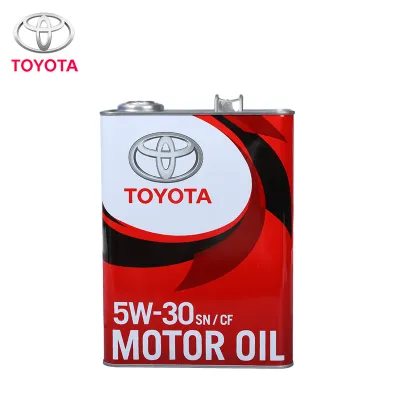
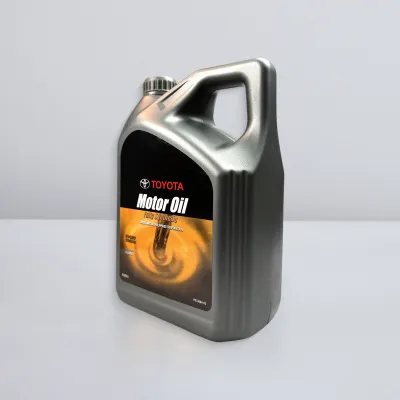
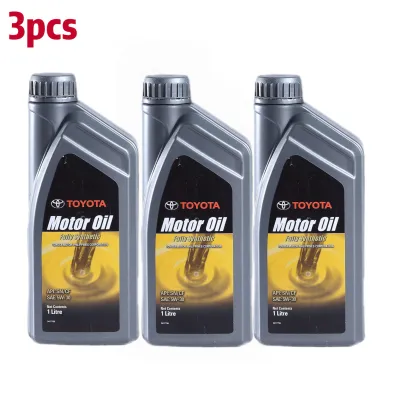
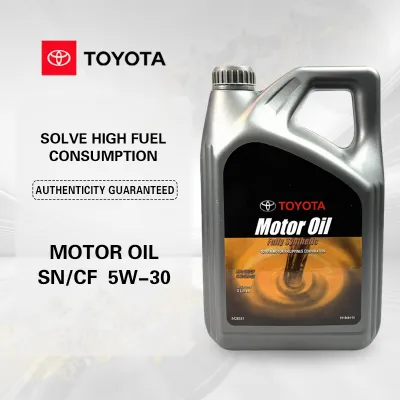
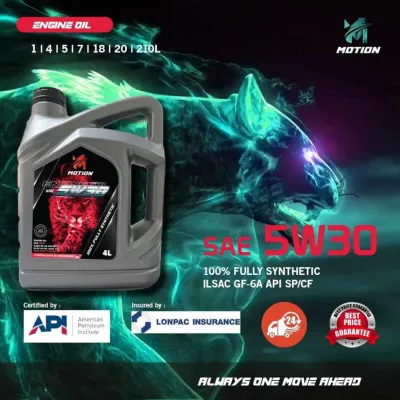
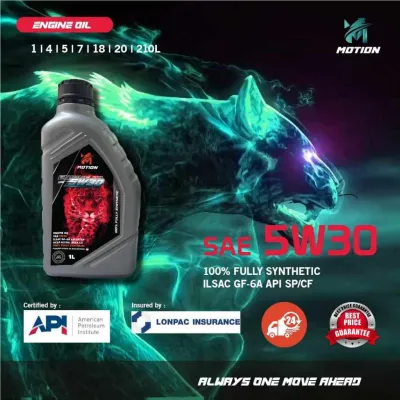
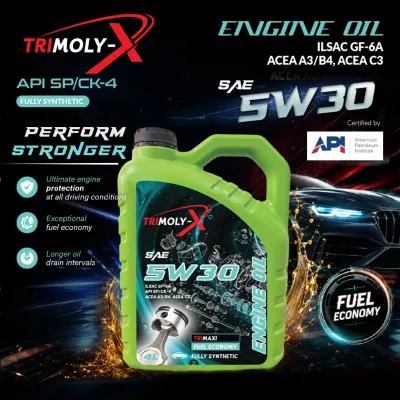
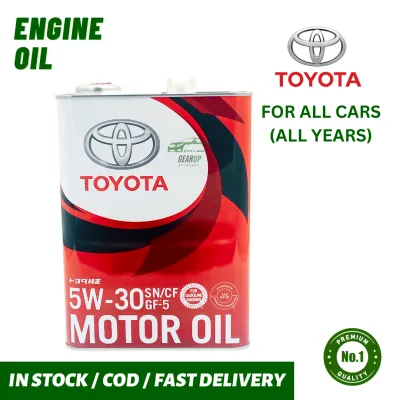
Prices are valid at publication and may change. Please refer to the product page for the latest price.
It is crucial to understand that viscosity is a measure of flow resistance, not an indicator of overall oil quality or engine protection level. An oil is not inherently better simply because it has a higher or lower viscosity rating. Instead, the correct viscosity is the one that matches the internal clearances and operating pressures designed into your specific engine by its manufacturer.
The Role of Fully Synthetic Oil in 5W-30 Formulations
When shopping for a 5W-30 oil, you will frequently encounter fully synthetic formulations. Fully synthetic oil is engineered through a complex chemical process that refines and restructures crude oil down to its basic molecules, resulting in a highly uniform molecular structure. In contrast, conventional mineral oils contain varied molecular sizes and natural impurities that can degrade more rapidly under extreme conditions.

This uniform molecular structure gives fully synthetic oil 5w30 formulations distinct advantages in demanding environments. Synthetic oils generally offer superior resistance to thermal breakdown, meaning they are less likely to oxidize and form sludge when subjected to high engine temperatures. They also maintain their fluid properties better at low temperatures, ensuring rapid oil pressure delivery during startup, and they resist evaporation more effectively than conventional alternatives.
While these characteristics make fully synthetic options highly resilient, specific performance claims, drain intervals, and warranty compliance must always be verified against the product label and your vehicle manufacturer’s specifications. Not all synthetic oils are formulated identically, and using an oil that does not meet your vehicle’s required industry standards can compromise engine longevity.
How to Verify if 5W-30 Is Correct for Your Vehicle
Determining whether 5W-30 is the correct viscosity for your vehicle requires a direct check of your owner’s manual. This document contains the definitive lubrication requirements established by the engineers who designed your engine. You can also look at the oil filler cap under the hood, which often has the recommended viscosity grade stamped directly onto its surface for quick reference during maintenance.
When reviewing your owner’s manual, look beyond the viscosity numbers to identify the required industry certifications, such as those from the American Petroleum Institute (API) or the European Automobile Manufacturers’ Association (ACEA). Many modern vehicles also require specific original equipment manufacturer (OEM) approvals. Using a 5W-30 oil that lacks the precise certification specified for your engine can lead to accelerated wear or even void your manufacturer’s warranty.
If your manual lists multiple viscosity options, the choice typically depends on the ambient temperature guidelines provided in the manual’s temperature-viscosity chart. For instance, in tropical climates like the Philippines, where high ambient temperatures and heavy traffic humidity put extra stress on engines, adhering to the manufacturer’s recommended viscosity is vital for preventing oil thinning. Always adhere to the manufacturer’s temperature-viscosity chart and avoid deviating from the recommended specifications to ensure optimal engine protection.
Observable Signs Your Engine Oil Needs Attention
Maintaining your engine requires regular physical inspections to ensure the oil is performing its job effectively. Using the engine dipstick is the most direct way to verify the oil level and observe its physical condition. While engine oil naturally darkens over time as it suspends combustion byproducts, a gritty texture, a strong burnt smell, or a milky, frothy appearance indicates severe contamination or mechanical issues that require immediate investigation.
Your vehicle may also provide operational signals when the oil is degraded or if an incorrect viscosity is circulating through the system. Unusual engine ticking or tapping noises during cold starts can indicate that the oil is not reaching the valvetrain quickly enough. Additionally, an illuminated dashboard oil pressure warning light or a sudden, unexplained decrease in fuel efficiency can point to lubrication issues that threaten engine health.
If you observe severe warning signs, such as a flashing oil pressure light, rising engine temperatures, or visible metallic particles on the dipstick, stop the vehicle immediately in a safe location. Operating an engine with insufficient lubrication or severe oil contamination can cause catastrophic internal damage within minutes. In these situations, consult a qualified mechanic to diagnose and resolve the issue before driving the vehicle again.
Frequently Asked Questions (FAQ)
Can I mix 5W-30 fully synthetic oil with conventional oil?
While mixing fully synthetic 5W-30 oil with conventional oil will not typically cause immediate, catastrophic engine failure, doing so is not recommended. Mixing the two types dilutes the advanced performance benefits, shear stability, and thermal resistance of the fully synthetic formulation. For optimal protection, check the product label, use a single consistent oil type, and strictly avoid mixing different viscosity grades unless it is an absolute emergency.
Will switching to 5W-30 fully synthetic oil fix engine oil leaks?
Switching to a fully synthetic 5W-30 oil will not fix existing engine oil leaks, and it is a misconception that synthetic oil causes leaks. However, because fully synthetic oil has superior flow characteristics and active detergents, it can clean away sludge deposits that were previously blocking small cracks in worn gaskets or seals. If a leak becomes visible after switching to synthetic oil, it indicates that the seals are already degraded and should be inspected and replaced professionally.
Community discussion
Share your experience or ask a question. Comments are reviewed before publication.