
Choosing the right engine oil is critical for maintaining the longevity and performance of your diesel engine, especially when navigating demanding driving conditions like heavy traffic and high tropical temperatures. A 5W-40 fully synthetic diesel oil represents a versatile, high-performance lubricant designed to provide robust protection during both cold startups and periods of intense engine heat. To determine if this specific viscosity grade is right for your vehicle, you must look beyond the numbers on the bottle and verify your vehicle manufacturer’s exact specifications, including industry standards and original equipment manufacturer (OEM) approvals.
Decoding the 5W-40 Viscosity Rating
The alphanumeric code on an engine oil bottle indicates its viscosity grade, which is a measure of the fluid’s resistance to flow at specific temperatures. This rating is established by the Society of Automotive Engineers (SAE) and describes how the oil behaves under different thermal conditions.
The “5W” portion of the rating represents the oil’s low-temperature viscosity, with the “W” standing for winter. A lower number before the W indicates that the oil remains more fluid and pumps more easily at cold temperatures. Even in tropical climates where freezing temperatures do not occur, a 5W rating is highly beneficial because it ensures rapid oil circulation immediately upon starting the engine, minimizing metal-on-metal friction during those critical first few seconds of operation.
Products mentioned in this guide
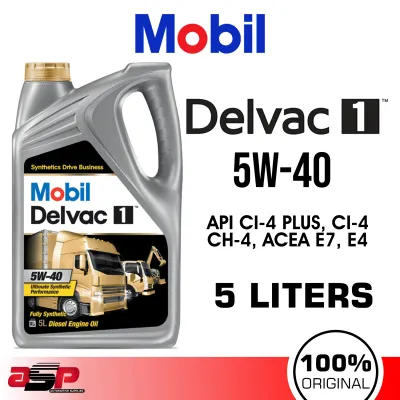
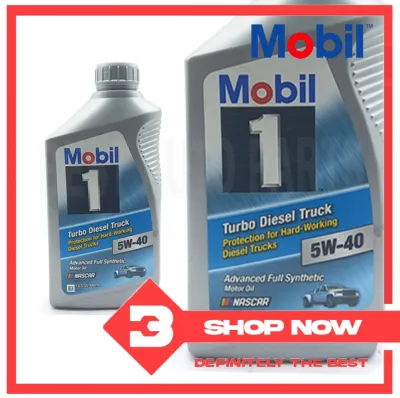
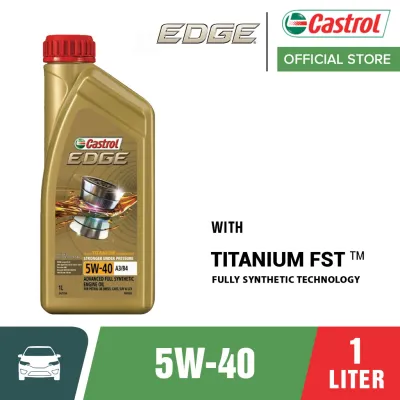
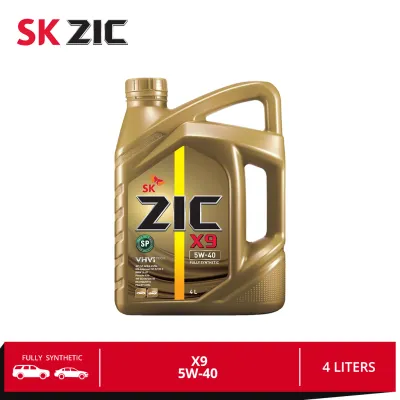
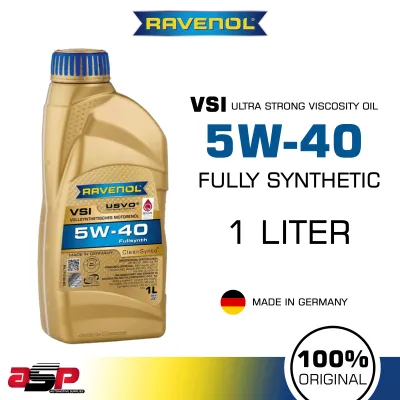
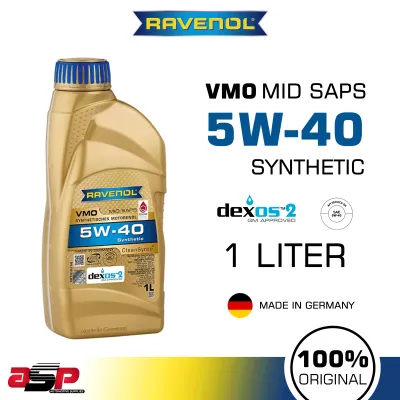
![Toyota 5W-40 Fully Synthetic Engine Oil [7 Liters + Oil Filter] Change Oil Package for Diesel/Gas Innova | Fortuner | Hilux | HiAce](https://img.lazcdn.com/g/p/0ad299108ee36f4be3229bee56b6d447.png_400x400q80.png_.webp)
Prices are valid at publication and may change. Please refer to the product page for the latest price.
The “40” in the rating represents the oil’s high-temperature viscosity, measured at standard engine operating temperatures of 100 degrees Celsius. A higher number indicates a thicker, more robust oil film that can withstand extreme heat without thinning out excessively. This is particularly important for diesel engines operating under heavy loads, climbing steep terrain, or idling in dense urban traffic under the hot sun, where maintaining a strong protective barrier between moving parts is essential.
The “fully synthetic” designation means the oil is formulated from highly refined, chemically engineered base stocks rather than conventional crude oil. These synthetic molecules are uniform in size and structure, which provides superior thermal stability and resistance to oxidation. Under extreme heat, fully synthetic oils resist breaking down or evaporating, ensuring consistent lubrication and reducing the formation of harmful deposits inside the engine.
Diesel-Specific Demands Beyond Viscosity
While viscosity is a fundamental characteristic, diesel engines place unique chemical and mechanical demands on motor oil that go far beyond simple flow rates. Diesel combustion is inherently dirtier than gasoline combustion, producing significant amounts of soot, sulfur compounds, and acidic byproducts.

Soot particles can easily find their way into the crankcase, where they tend to clump together and form abrasive sludge. To combat this, diesel-specific 5W-40 oils are formulated with advanced dispersant and detergent additives. These additives surround individual soot particles, keeping them suspended in the oil so they can be carried to the oil filter rather than settling on critical engine components or causing premature wear.
Diesel engines also operate under much higher compression ratios than gasoline engines, which subjects internal components to immense mechanical stress. Turbochargers, which are standard on most modern diesel vehicles, spin at incredibly high speeds and generate extreme localized heat. A robust 5W-40 fully synthetic oil must possess exceptional shear stability, meaning its molecular structure will not tear apart under these high-pressure conditions, ensuring the turbocharger bearings remain fully lubricated.
Because of these intense demands, you must look for specific industry standards on the oil label rather than relying solely on the 5W-40 viscosity rating. For instance, the American Petroleum Institute (API) uses classifications like CK-4 for modern diesel engines, while the European Automobile Manufacturers’ Association (ACEA) uses categories such as the C-series (e.g., C3 or C4) for vehicles equipped with diesel particulate filters (DPF) and other exhaust aftertreatment systems. Using an oil without the correct specification can lead to clogged emissions systems or accelerated engine wear.
Verifying Compatibility With Your Vehicle
Determining whether a 5W-40 fully synthetic diesel oil is suitable for your vehicle requires a systematic verification process. Using the wrong oil can void your vehicle’s warranty and lead to costly mechanical failures, making it essential to confirm compatibility before pouring any fluid into your engine.
Your first step should always be to consult your vehicle’s owner’s manual. This document contains a dedicated section on engine lubrication, specifying the recommended viscosity grades based on ambient temperature ranges, as well as the required industry performance standards. In some vehicles, a simplified recommendation or alternative viscosity options may also be printed directly on the oil filler cap under the hood.
Next, you must cross-reference the specific OEM approval codes listed in your manual with those printed on the back of the oil bottle. Many manufacturers, such as Volkswagen, Mercedes-Benz, BMW, and Toyota, have their own proprietary oil standards (for example, MB-Approval 229.51 or VW 505.00). Even if an oil is labeled as a 5W-40 fully synthetic diesel oil, it must explicitly list the exact OEM approval code required by your vehicle manufacturer to guarantee full compatibility and preserve your warranty.
While 5W-40 is an excellent all-around choice for many modern diesel engines, certain operating conditions or vehicle ages might warrant a different selection. For example, if you operate a brand-new vehicle with an ultra-modern, tight-tolerance engine, the manufacturer might mandate a thinner oil like a 0W-30 or 5W-30 to optimize fuel efficiency and emissions. Conversely, for older, high-mileage diesel engines experiencing minor oil consumption or leaks, a manufacturer-approved 15W-40 or 10W-40 might be suggested to help seal clearances.
If you cannot locate your owner’s manual, if the specifications listed are unclear, or if there is a conflict between the manual’s recommendations and the products available on the market, do not guess. Stop the selection process immediately and consult a certified mechanic or an authorized dealership service center. Professional technicians have access to official manufacturer databases and can verify the exact fluid requirements for your specific vehicle identification number (VIN).
Frequently Asked Questions (FAQ)
Can I mix 5W-40 with other viscosity grades in an emergency?
Mixing different viscosity grades, such as adding a 10W-30 or 15W-40 to a system filled with 5W-40, should only be done in an emergency when your oil level is critically low and no matching oil is available. Mixing oils alters the overall viscosity profile and can dilute the specific additive packages, reducing the oil’s ability to protect your engine under extreme heat or heavy loads. If you must mix oils to reach safety, treat it as a temporary measure and schedule a complete oil and filter change as soon as possible to restore proper engine protection.
Does fully synthetic 5W-40 allow for extended drain intervals in diesel engines?
While fully synthetic base oils resist thermal breakdown and oxidation far better than conventional oils, they do not automatically allow you to extend your oil change intervals. In diesel engines, the oil’s service life is often limited by soot accumulation, fuel dilution, and the capacity of the oil filter rather than the breakdown of the synthetic molecules themselves. To prevent engine wear and maintain your warranty, you should always adhere strictly to the service schedule recommended by your vehicle manufacturer, especially if your daily driving involves severe conditions like heavy traffic, short trips, or dusty environments.
Community discussion
Share your experience or ask a question. Comments are reviewed before publication.