
The drive chain is a critical link in your motorcycle’s transmission assembly, transferring power from the engine directly to the rear wheel. Selecting the correct chain involves understanding two main specifications: the pitch size (such as 428, 520, or 530) and the sealing technology (standard, O-ring, or X-ring). Choosing the wrong size or seal type can lead to rapid wear, poor power delivery, or even catastrophic chain failure while riding. By learning how to decode these specifications, you can ensure your motorcycle remains reliable, efficient, and safe on the road.
Decoding Chain Pitch Numbers (428, 520, 530)
The three-digit number stamped on the side plates of your motorcycle chain represents its physical dimensions, measured in standard imperial units. The first digit indicates the chain pitch, which is the distance between the centers of two adjacent pins, measured in eighths of an inch. For example, a 4-series chain (such as a 428) has a pitch of 4/8 inch (or 1/2 inch), while a 5-series chain (such as a 520 or 530) has a pitch of 5/8 inch. This pitch determines how the chain links align with the teeth of your sprockets.
The remaining two digits indicate the internal width of the chain between the inner plates, measured in eightieths of an inch. A 428 chain has an internal width of 28/80 inch, whereas a 520 chain has a width of 20/80 inch (1/4 inch), and a 530 chain has a width of 30/80 inch (3/8 inch). This means that even though a 520 chain and a 530 chain share the exact same pin-to-pin pitch distance, the 530 chain is wider and heavier to accommodate wider sprocket teeth and handle higher torque loads.
Products mentioned in this guide
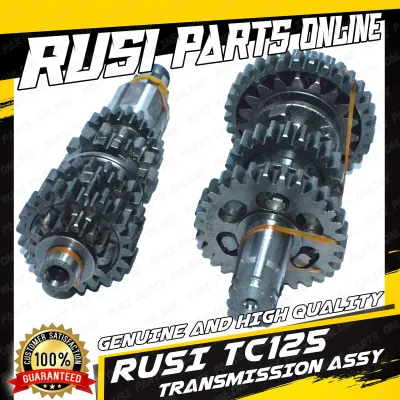
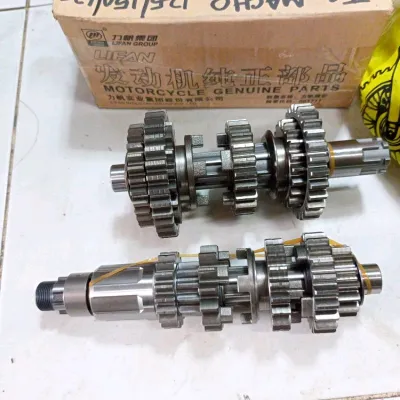
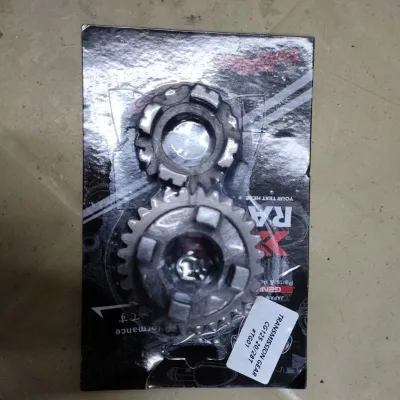
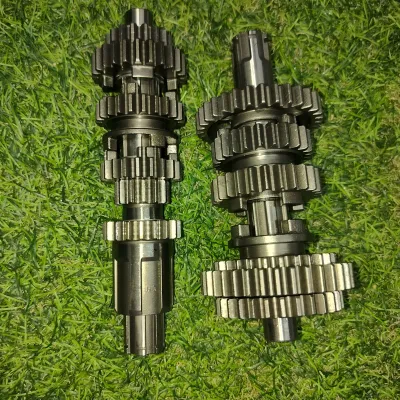
Prices are valid at publication and may change. Please refer to the product page for the latest price.
These dimensions must match the front and rear sprockets of your transmission assembly exactly to ensure safe operation. Forcing a chain onto incompatible sprockets—such as running a narrow 520 chain on a wider 530 sprocket—will cause severe binding, rapid heat buildup, and potential chain breakage. Conversely, putting a wide 530 chain on a narrow 520 sprocket allows excessive lateral movement, which can cause the chain to derail, potentially locking up the rear wheel or cracking the engine crankcase. Always verify that the chain pitch and sprocket dimensions are fully compatible before installation.
Standard vs. Sealed (O-Ring and X-Ring) Chains
Motorcycle chains are divided into standard (unsealed) and sealed varieties, each offering distinct advantages depending on your riding habits, budget, and maintenance willingness. Standard chains have no rubber seals between the inner and outer plates, meaning they rely entirely on external lubrication to keep the pins and bushings moving smoothly. While they are lighter, cheaper, and have virtually no initial rotational drag, they require frequent cleaning and re-lubrication because road grit and moisture can easily penetrate the internal components.

Sealed chains feature small rubber rings sandwiched between the chain plates to lock factory-applied grease inside the pin and bushing area while keeping dirt and water out. An O-ring chain uses round-profile rubber rings that seal the lubricant effectively but create a small amount of friction as the plates rotate against each other. X-ring chains improve on this design by using a cross-shaped profile, which creates multiple sealing points with less surface contact, reducing friction while retaining grease just as effectively.
In tropical environments like the Philippines, where heavy rain, high humidity, and road grime are common, sealed chains are highly practical. The internal lubrication remains protected from water and road grit, which significantly extends the lifespan of the transmission assembly. While sealed chains have a higher initial cost and minor rotational drag compared to standard chains, the reduction in maintenance effort and the longer replacement interval make them a preferred choice for daily commuters and long-distance riders.
Verifying Fitment for Your Transmission Assembly
Before purchasing a replacement chain, you must confirm the exact specifications required for your specific motorcycle model. Consult your owner’s manual or look for the OEM specification plate, which is often located on the swingarm or near the chain guard. This documentation will specify the correct chain pitch, the required number of links, and the recommended seal type for your motorcycle’s power output.
When replacing a worn chain, it is highly recommended to inspect the front and rear sprockets for wear. Sprocket teeth that look hooked, pointed, or unevenly worn will quickly ruin a brand-new chain by forcing it to seat incorrectly. Because installing a new chain and sprockets involves critical drivetrain components, refer to your original-vehicle instructions or have the work performed by a qualified mechanic to ensure proper installation and road safety. To ensure optimal performance and longevity, treat the chain and sprockets as a single matched set and replace them all at the same time.
After installing the new transmission assembly components, always perform the necessary post-installation checks. Refer to your manufacturer’s service manual to adjust the chain slack to the specified limit, as a chain that is too tight can damage transmission bearings, while a loose chain can slip off. Ensure the rear wheel is perfectly aligned using the swingarm alignment marks to prevent uneven wear on the chain plates and sprocket teeth.
Frequently Asked Questions (FAQ)
Can I use a 520 chain on a motorcycle designed for a 530?
Downsizing your chain pitch from a 530 to a 520 is a common modification for riders looking to reduce rotating mass and improve throttle response, but it requires replacing the entire transmission assembly. You cannot run a 520 chain on 530 sprockets; you must install a complete conversion kit that includes a 520 front sprocket, a 520 rear sprocket, and a 520 chain. While this modification is popular for track days and racing, a narrower chain has a lower tensile strength and will wear out faster under heavy daily commuting or touring loads. Always check the manufacturer’s guidelines and load ratings before altering the original drivetrain specifications.
Do O-ring chains require special cleaning products?
Yes, sealed chains require gentle cleaning methods to avoid damaging the delicate rubber rings that keep the internal grease locked inside. Avoid using harsh solvents like gasoline, kerosene, or acetone, as well as high-pressure washers and stiff wire brushes, which can degrade, tear, or dislodge the rubber seals. Instead, use a dedicated, manufacturer-approved chain cleaner or mild soapy water along with a soft-bristled nylon brush to remove road grime. After cleaning and drying the chain, apply a seal-safe chain lubricant designed specifically for O-ring or X-ring chains to protect the outer metal surfaces from rust and keep the rubber seals pliable.
Community discussion
Share your experience or ask a question. Comments are reviewed before publication.