
Every motorcycle rider in the Philippines must prioritize head protection, not only for personal safety but also to comply with national road laws. When purchasing a helmet for motorcycle use, you will inevitably encounter two distinct certification marks: the Philippine Standard (PS) mark and the Import Commodity Clearance (ICC) sticker. These symbols serve as official proof that a helmet has undergone rigorous safety evaluations and is certified for use on public roads.
Understanding these marks is essential for every rider navigating local streets and highways. Riding with an uncertified helmet can lead to strict roadside penalties, including heavy fines and vehicle impoundment by traffic authorities. More importantly, wearing unapproved headgear significantly increases the risk of severe head trauma during an accident. This guide explains what these certification marks mean, why they are legally required, and how to verify that your helmet is genuinely compliant.
What the PS and ICC Marks Actually Mean
The PS and ICC marks are official quality and safety certifications issued by the Bureau of Philippine Standards (BPS), an agency operating under the Department of Trade and Industry (DTI). These marks indicate that a specific helmet model has successfully passed the mandatory safety and performance tests established by national regulatory bodies. While both marks signify compliance with the same safety standards, they apply to different manufacturing origins.
Products mentioned in this guide
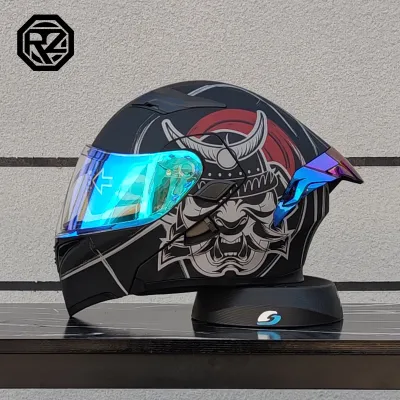
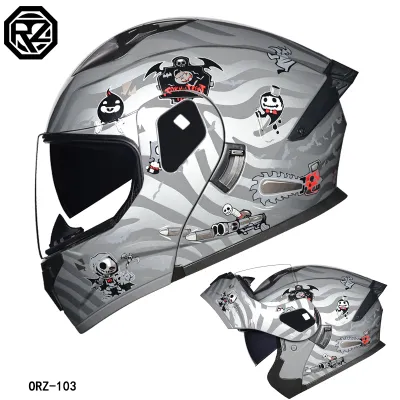
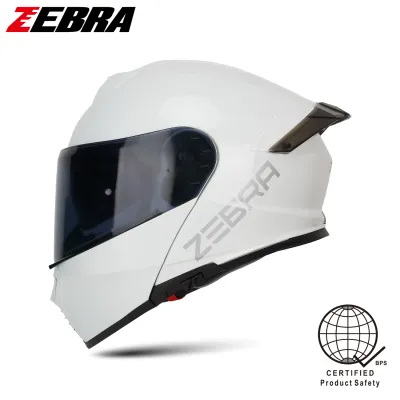
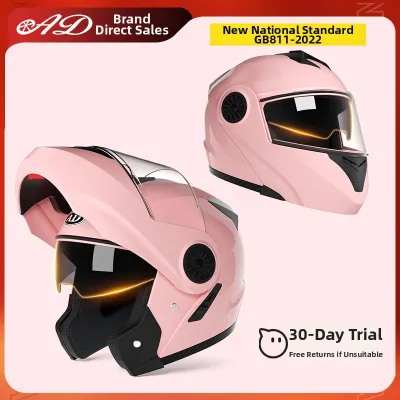
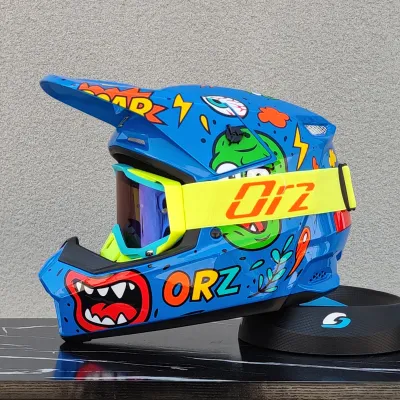
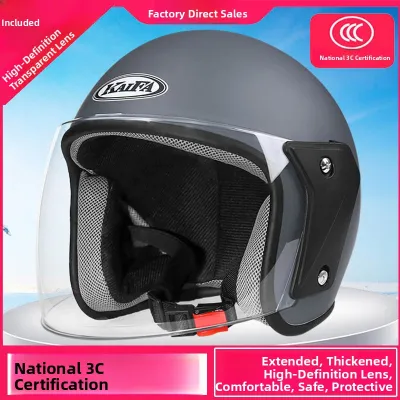
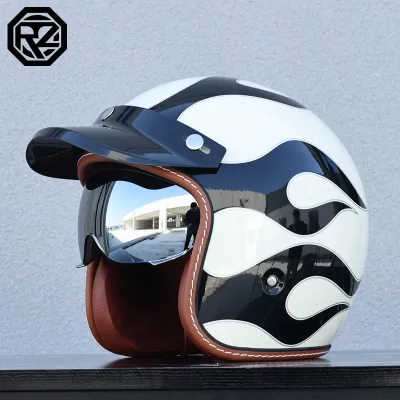
Prices are valid at publication and may change. Please refer to the product page for the latest price.
The Philippine Standard (PS) mark is designated for motorcycle helmets that are manufactured locally within the country. Local manufacturers must subject their production facilities and finished products to regular audits and laboratory testing by the BPS. Once the manufacturer proves consistent compliance with national quality standards, they are authorized to print or affix the PS mark directly onto their products.
Conversely, the Import Commodity Clearance (ICC) mark is issued for imported motorcycle helmets. Because these helmets are manufactured outside the country, importers must secure an ICC certificate for every shipment arriving at local ports. The BPS conducts random sampling and laboratory testing on these imported batches to verify that they meet local safety requirements before issuing the physical ICC stickers.
Together, the DTI and BPS act as the primary regulatory gatekeepers for riding gear in the local market. Their certification processes ensure that any helmet bearing these marks can withstand the typical physical stresses encountered during a motorcycle crash. By restricting the sale of uncertified helmets, these agencies aim to eliminate substandard protective gear from retail shelves and online marketplaces.
Are PS and ICC Marks Legally Required for Riding?
Operating a motorcycle on public roads without a certified helmet is a direct violation of national traffic laws. Under the national motorcycle helmet law, all motorcycle riders, including both drivers and pillion passengers, are strictly required to wear standard protective motorcycle helmets at all times. This mandate applies to all types of journeys, whether navigating major highways or traveling short distances within local residential areas.

The Land Transportation Office (LTO), along with deputized local traffic enforcers and municipal officers, actively monitors compliance with this law. During routine checkpoints or roadside apprehensions, enforcers will inspect your helmet for the presence of a valid PS or ICC mark. If your helmet lacks this visible certification, you may face immediate apprehension, even if you are wearing a helmet that appears sturdy.
The penalties for riding with an uncertified helmet, or riding without one entirely, can be substantial. Fines typically escalate with repeated offenses, and traffic enforcers may confiscate your driver’s license or impound your motorcycle under certain conditions. To avoid these costly disruptions, riders must ensure their gear is fully compliant before hitting the road.
Because enforcement protocols and penalty structures can vary slightly across different regions, riders should regularly consult current LTO memorandums and local traffic ordinances. Some highly urbanized cities enforce strict municipal codes regarding riding gear, which may include specific checkpoint procedures. Staying informed about these localized rules helps you maintain hassle-free compliance wherever you ride.
How to Verify Authentic Certification Marks
As the demand for compliant riding gear remains high, counterfeit certification stickers have unfortunately appeared in the market. Knowing how to identify genuine PS and ICC marks is crucial to ensuring your helmet is actually safe and legally compliant. Genuine marks possess specific physical characteristics that are difficult for counterfeiters to replicate accurately.
A genuine ICC mark is typically issued as a high-quality holographic sticker affixed to the rear portion of the helmet shell or near the chin strap. When tilted under direct light, the hologram should display clear, shifting color patterns and sharp, legible serial numbers. The printing on a genuine sticker is crisp, with no blurred edges, overlapping text, or faded colors.
The PS mark, on the other hand, may be printed directly onto the helmet’s permanent decals, embossed into the shell, or affixed as a durable sticker. Like the ICC mark, it must feature a unique license number that corresponds to the specific manufacturer. Inspecting these details closely can help you distinguish a certified product from a cheap imitation.
When evaluating a helmet, use a simple checklist to spot potential red flags. Check if the sticker is peeling at the corners, which often indicates it was transferred from another helmet or printed on cheap adhesive paper. Look for spelling errors, irregular fonts, or serial numbers that appear printed with standard office equipment. If the mark looks suspicious or easily scratches off with a fingernail, it is likely a counterfeit.
The most reliable way to guarantee authenticity is to purchase your helmet for motorcycle use from authorized dealers, official brand stores, or reputable physical retailers. These established businesses source their inventory directly from licensed distributors who comply with DTI regulations. Purchasing from trusted sources also ensures you receive a valid manufacturer warranty and access to genuine replacement parts, such as visors and inner liners.
Safety Implications of Certified vs. Uncertified Helmets
The requirement for PS and ICC marks is not merely a bureaucratic hurdle; it is a vital safety measure designed to save lives. Certified helmets undergo rigorous laboratory testing to ensure they can protect your head during a high-impact collision. Uncertified novelty helmets, on the other hand, offer little to no real protection and are often constructed from fragile materials.
During the certification process, helmets are subjected to several critical evaluations, including impact absorption tests, penetration resistance tests, and retention system strength tests. Impact absorption tests measure how well the helmet’s inner expanded polystyrene (EPS) liner dampens the force of a sudden blow. Penetration tests ensure that sharp objects cannot easily pierce the outer shell, while retention tests verify that the chin strap will remain securely fastened during a violent fall.
Using non-compliant alternatives, such as construction hard hats, bicycle helmets, or simple plastic caps, carries extreme risks on a motorcycle. These items are engineered for entirely different types of impacts and speeds. A bicycle helmet, for example, is designed for low-speed falls and leaves the face and sides of the head completely exposed, making it wholly inadequate for motorcycle speeds.
It is important to recognize the safety boundaries of even premium protective gear. While a certified helmet indicates that the product meets a tested baseline of safety, it does not provide an absolute guarantee against all injuries in every crash scenario. High-speed collisions can still result in severe trauma. However, wearing a certified helmet vastly improves your survival rate and reduces the severity of traumatic brain injuries compared to riding unprotected.
Choosing a Compliant Helmet for Your Needs
Selecting a compliant helmet involves balancing legal requirements with your personal riding style, comfort, and budget. The two most common styles available on the market are full-face helmets and open-face (three-quarter) helmets. Both styles can carry valid PS or ICC marks, but they offer different levels of physical protection and daily usability.
Full-face helmets provide the highest level of safety because they feature a solid chin bar that protects the lower face, jaw, and teeth. This area is highly vulnerable during forward-impact accidents. Open-face helmets offer more ventilation and a wider field of view, making them popular for low-speed city commuting in hot, humid weather. However, they leave your face exposed to road debris, wind, and direct impact, so riders must weigh this trade-off carefully.
Beyond checking for the certification mark, you must ensure the helmet fits your head correctly. A helmet that is too loose can slide off during an accident, while one that is too tight can cause painful pressure points and headaches during long rides. Fasten the chin strap and try to pull the helmet off from the back; if it rolls forward off your head, the fit is incorrect or the strap is poorly designed.
Many premium helmets sold locally also carry international safety certifications, such as the Economic Commission for Europe (ECE) standard, the United States Department of Transportation (DOT) standard, or Snell certification. While these international marks indicate excellent safety engineering, they do not legally replace the local PS or ICC sticker requirement on public roads. If you purchase an imported helmet with an ECE or DOT rating, ensure it also bears the official ICC sticker to remain fully compliant with local traffic laws.
Frequently Asked Questions (FAQ)
Can I use a helmet with only an international standard mark without a PS or ICC sticker?
While international safety standards like ECE or DOT indicate that a helmet has undergone rigorous testing, they are not sufficient on their own for legal compliance on public roads in the Philippines. Local traffic enforcers specifically look for the physical PS or ICC certification marks during roadside inspections. If your imported helmet only features an international mark, you must ensure it has been processed through the DTI-BPS system and has the corresponding ICC sticker affixed. Riding with a helmet that lacks these local marks can still result in apprehension and fines, regardless of its international safety rating.
Are bicycle helmets or construction hard hats legal for motorcycle riding?
No, bicycle helmets, construction hard hats, and other industrial safety caps are strictly illegal for motorcycle use on public roads. These headgears are designed for entirely different safety standards and low-velocity impacts. They do not possess the necessary impact-absorbing liners, coverage, or chin strap strength required to protect a rider at motorcycle speeds. Wearing these non-compliant substitutes while operating a motorcycle will lead to immediate traffic violations, fines, and the potential confiscation of your license during LTO checkpoints.
What should I do if my helmet's certification sticker fades or peels off?
If your helmet’s PS or ICC sticker fades, peels off, or becomes completely illegible, you run the risk of being apprehended at traffic checkpoints. Enforcers cannot easily verify the helmet’s compliance without a visible mark. If the helmet is relatively new and you have the original purchase receipt from an authorized dealer, you may keep it as proof, though this is not a guaranteed safeguard against roadside citations. If the helmet is old, showing signs of wear, or has been involved in any impact, the safest and most practical solution is to replace it with a new, fully certified helmet.
Community discussion
Share your experience or ask a question. Comments are reviewed before publication.