
When riding a motorcycle on roads in the Philippines, your helmet is your primary line of defense against severe head injuries. To ensure that a helmet offers adequate protection, the government mandates specific safety certifications, represented by the Product Standards Bureau (PSB) and Import Commodity Clearance (ICC) marks. These stickers are not mere decorative decals; they serve as official proof that your protective gear has undergone rigorous testing and complies with national safety standards. Understanding what these certifications mean, how they differ, and how to verify their authenticity is essential for every rider aiming to stay safe and legally compliant.
Understanding PSB and ICC Marks on Motorcycle Helmets
Every motorcycle helmet legally sold and used in the country must bear a specific certification mark that indicates its compliance with local safety standards. While both marks serve the same ultimate purpose—guaranteeing a baseline level of protection—they apply to different manufacturing origins and supply chains.
The PSB (Product Standards Bureau) mark is typically issued for locally manufactured helmets or products that undergo direct quality certification processes within domestic manufacturing facilities. This mark signifies that the Bureau of Philippine Standards (BPS) has evaluated the production process and the finished goods directly at the source, ensuring they meet the required national standards before they ever leave the factory floor.
Products mentioned in this guide
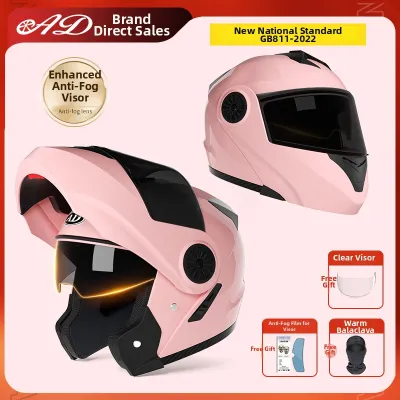
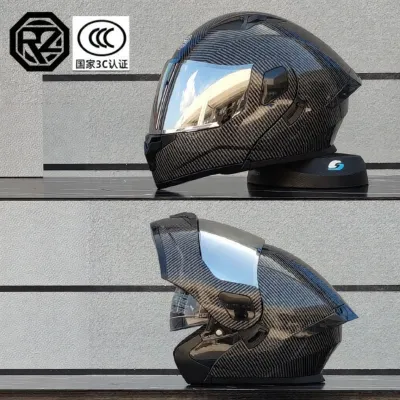
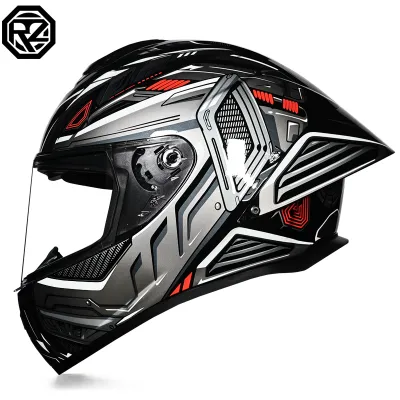
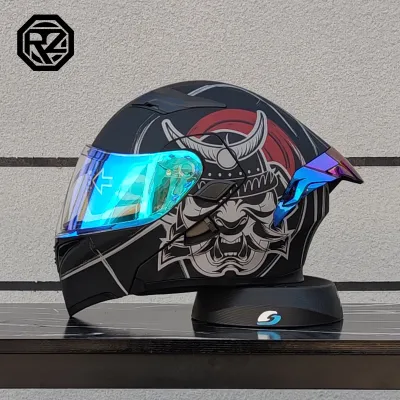
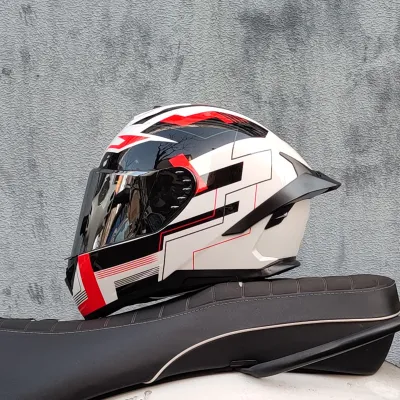
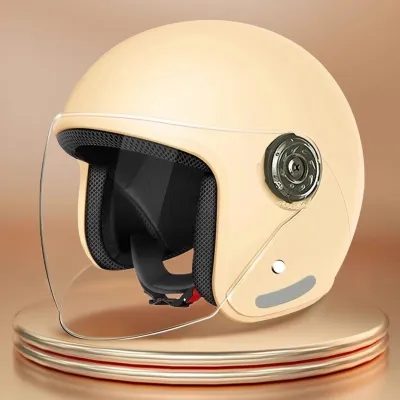
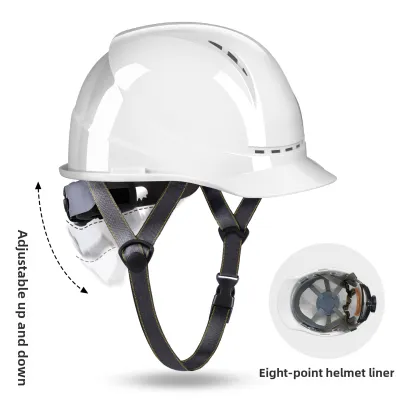
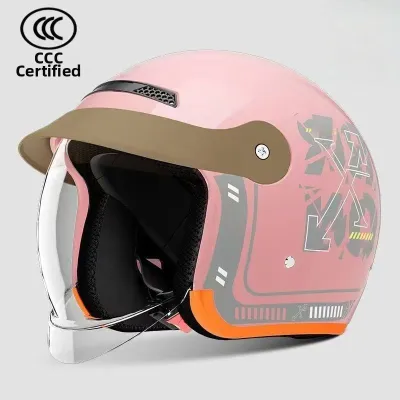
Prices are valid at publication and may change. Please refer to the product page for the latest price.
Conversely, the ICC (Import Commodity Clearance) sticker is designated for imported helmets. Because a vast majority of high-quality riding gear is manufactured abroad, these products must pass through a verification process upon entering the country. The ICC sticker serves as evidence that the specific batch of imported helmets has been inspected, tested, and cleared by customs and trade authorities as meeting the necessary safety criteria for the local market.
Why Local Certifications Matter for Your Safety and Compliance
Riding a motorcycle exposes you to unique road hazards, making high-quality protective gear indispensable. Certified helmets are engineered to absorb the force of an impact, distribute kinetic energy away from the skull, and resist penetration. Uncertified helmets, often referred to as novelty caps, lack these safety features and can easily split open during a crash, offering virtually zero protection.

Beyond physical protection, wearing a certified helmet is a strict legal requirement. The law mandates that all motorcycle riders and pillions must wear standard protective motorcycle helmets while operating on any public road or highway. This regulation is designed to reduce road crash fatalities and severe head trauma.
Failing to wear a compliant helmet with the proper certification marks can lead to significant legal consequences. The Land Transportation Office (LTO) and local traffic enforcers actively monitor compliance on checkpoints and major thoroughfares. Riders caught wearing uncertified helmets face strict penalties, vehicle impoundment, or license suspension. To avoid these disruptions, you should always check the latest LTO guidelines regarding current penalties and enforcement protocols.
How to Spot and Verify Authentic Certification Stickers
With the high demand for compliant helmets, counterfeit certification stickers have unfortunately become common in some informal markets. Knowing how to inspect your helmet and verify the authenticity of these marks is crucial to ensure you are not riding with a false sense of security.
When inspecting a helmet, look for the certification sticker on the exterior shell, typically positioned at the lower back or side of the helmet. In some cases, additional manufacturing details and compliance labels are also sewn into the inner comfort liner or printed on the retention strap. The sticker should be firmly adhered to the surface, showing no signs of peeling, bubbling, or easy removal.
Authentic ICC and PSB stickers feature distinct visual characteristics that are difficult to replicate. Genuine stickers display crisp, clear printing with sharp logos, unique serial numbers, and sometimes holographic elements that shift color under light. If a sticker looks blurry, uses generic fonts, or appears to be a simple paper printout that can be easily scratched off, it is highly likely to be a fake.
If you encounter a helmet with suspicious, altered, or completely missing markings, do not purchase or use it. Instead, stop and consult the authorized seller or contact the manufacturer directly to verify the product’s batch number. Purchasing your riding gear exclusively from established, reputable motorcycle accessory shops and official brand distributors is the most reliable way to guarantee that your helmet and its certification stickers are fully authentic.
Choosing the Right Helmet Beyond the Baseline Stickers
While obtaining a helmet with a valid PSB or ICC sticker is the legal baseline, your safety evaluation should not stop there. Different helmet designs offer varying levels of protection, and even a certified helmet is useless if it does not fit your head correctly.
When choosing a helmet style, consider the trade-offs between full-face and open-face designs. Full-face helmets provide the highest level of protection because they cover the entire head, including the chin, jaw, and face. Open-face helmets offer more ventilation and a wider field of view, making them popular for slow-speed city commuting in hot and humid tropical conditions, but they leave your face exposed to road debris and direct impact.
Fitment is another critical factor that directly influences how well a helmet performs during a crash. A certified helmet must fit snugly around your head without causing painful pressure points. When you fasten the chin strap, the helmet should not roll off or shift excessively when you shake your head. Always ensure the retention system is securely buckled before every ride, as a loose helmet can easily fly off during an impact.
Finally, keep in mind that many premium helmets also carry international safety certifications, such as the DOT or ECE standards. While these international marks indicate that the helmet has undergone rigorous global testing, they do not automatically exempt you from local laws. For street legal use on public roads, the local PSB or ICC sticker remains the mandatory legal requirement that traffic enforcers look for during inspections.
Frequently Asked Questions (FAQ)
Can I use a helmet with only a DOT or ECE mark in the Philippines?
While DOT and ECE marks are highly respected international safety standards indicating that a helmet has passed rigorous impact and penetration tests, they do not replace local legal requirements. Under national regulations, a helmet must bear a valid PSB or ICC sticker to be considered legally compliant for street use on public roads. If you purchase an imported helmet that only features international marks, you should verify the latest Land Transportation Office (LTO) guidelines or consult authorized importers to determine if the specific model has been officially cleared with a corresponding local ICC sticker.
How often should I replace a certified helmet?
As a general rule, helmet manufacturers recommend replacing your motorcycle helmet every three to five years of regular use, or five years from the date of manufacture. Over time, exposure to sweat, hair oils, UV rays, and high humidity can degrade the protective expanded polystyrene (EPS) liner inside the helmet, reducing its ability to absorb impacts. Additionally, you must replace your helmet immediately after any significant impact or drop, even if there is no visible damage on the outer shell, as the internal protective liner may have collapsed to absorb the force. Always check the manufacturer’s specific replacement guidelines printed in the user manual or on the product packaging for precise instructions.
Community discussion
Share your experience or ask a question. Comments are reviewed before publication.