
Riding jacket padding, commonly referred to as motorcycle armor, serves as the primary line of defense against impact and abrasion during a fall. Typically constructed from specialized foams, hard plastics, or advanced viscoelastic polymers, these protective inserts are strategically positioned over high-risk zones like the shoulders, elbows, and back. However, a fundamental trade-off exists between physical protection and rider comfort: the more surface area and thickness the armor covers, the more it restricts natural airflow. In hot and humid tropical climates, understanding how different padding materials and structural designs affect breathability is essential for selecting gear that keeps you both safe and cool on the road.
Identifying Common Padding Materials
To make an informed decision, riders must first recognize the primary categories of impact materials used in modern riding jackets. The most basic inserts are made from ethylene-vinyl acetate (EVA) or polyethylene (PE) foam. These lightweight, low-density foams offer basic comfort and mild cushioning but generally lack the advanced energy-dispersing capabilities of high-performance armor. Hard plastic shell inserts, often backed by a thin layer of foam, provide excellent slide resistance and distribute impact forces over a wider area, but their rigid nature can feel restrictive and bulky.
In contrast, viscoelastic armor represents a highly flexible, modern alternative. Often referred to as soft armor, these materials remain soft and pliable during normal movement but instantly harden upon impact to absorb and dissipate energy. The density of these materials directly correlates with their ability to absorb impact forces; however, density alone does not guarantee absolute safety.
Products mentioned in this guide
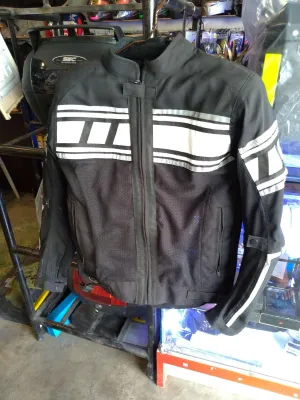
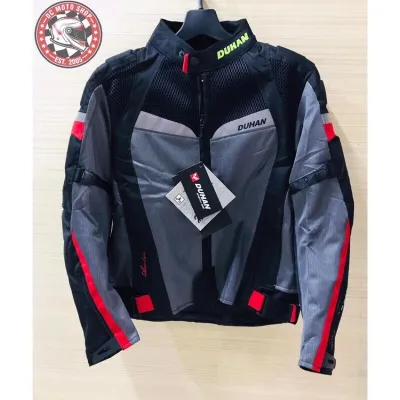
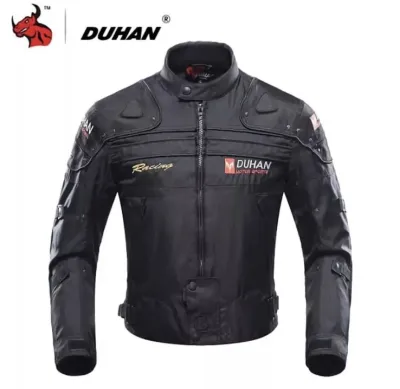
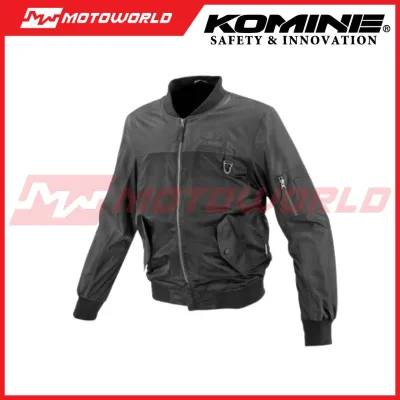
Prices are valid at publication and may change. Please refer to the product page for the latest price.
To determine what is inside your jacket, physically open the internal armor pockets and slide the padding out. Inspect the inserts for manufacturer markings, material labels, and molded textures. It is important to note that material names printed on a jacket’s outer tags or marketing brochures do not automatically guarantee specific performance thresholds. True impact protection must be verified through official certification markings stamped directly onto the armor itself, rather than relying on generic material descriptions.
How Armor Structure Affects Airflow
The physical design and structure of jacket padding play a decisive role in how much air can circulate around your body. Solid armor plates, while offering continuous coverage, act as solid barriers to wind. When riding in high-humidity environments, these solid pieces trap body heat and sweat, creating localized hot zones directly beneath the shoulders, elbows, and back protector.

To combat this, manufacturers design perforated or grid-structured armor. These inserts feature molded holes, honeycomb patterns, or open-web designs that allow air to pass directly through the protective layer. Comparing a solid back protector to a highly ventilated grid-style insert reveals a stark difference in thermal comfort, as the open spaces significantly reduce the overall surface area in direct contact with your skin.
Furthermore, the interaction between the padding and the jacket’s chassis determines overall ventilation. Even if you use highly breathable, perforated armor, a heavy, non-breathable outer textile shell will still restrict airflow. Conversely, in a mesh jacket, the inner mesh lining is designed to channel air around solid armor pieces. However, because padding must be positioned over critical joints to be effective, these specific zones will inherently experience some level of reduced ventilation compared to unpadded areas of the jacket.
Balancing Protection and Ventilation for Warm Climates
Riding in tropical climates like the Philippines requires a careful balance between thermal management and impact protection. When temperatures and humidity rise, the temptation to ride in lightweight, unprotective clothing is high, but this significantly increases the risk of severe injury. The optimal strategy is to select a riding jacket that pairs a highly breathable chassis with strategically ventilated armor.
Look for jackets featuring extensive mesh panels across the chest, underarms, and back, combined with perforated viscoelastic armor. This combination allows incoming wind to penetrate the jacket and carry away body heat through the open structures of the padding. Additionally, consider how removable layers affect this balance. Many riding jackets come with removable waterproof or thermal liners. While these liners are excellent for sudden downpours or cooler night rides, keeping them installed during a hot day completely blocks the airflow designed to pass through your mesh panels and ventilated padding.
When evaluating a jacket, examine the chassis material. Heavy-duty textiles like high-denier nylon or polyester offer excellent abrasion resistance but naturally restrict air. Lightweight mesh fabrics offer superior airflow but may have lower slide resistance. The key is to find a hybrid design that places heavy, abrasion-resistant textile on high-impact slide zones (like the outer elbows and shoulders) while utilizing open mesh and ventilated padding elsewhere. Never compromise on the presence of armor simply to stay cool; instead, focus on optimizing the ventilation pathways of the gear you choose.
Inspecting Labels and Jacket Construction
Before purchasing or riding with any jacket, perform a thorough inspection of both the padding and the jacket’s internal construction. Start by locating the official certification marks printed or molded directly onto the armor inserts. In many markets, including the Philippines, riders look for European CE (Conformité Européenne) markings, specifically EN 1621-1 for shoulder and elbow protectors, and EN 1621-2 for back protectors. These marks indicate that the armor has undergone standardized testing for impact attenuation.
Next, check the security of the internal armor pockets. The most advanced padding is useless if it shifts away from your joints during a fall. Ensure the pockets feature secure hook-and-loop closures, zippers, or adjustable positioning tabs that keep the armor firmly aligned over your elbows and shoulders. The fit of the jacket should be snug enough to prevent the sleeves from twisting, which could displace the elbow pads during a slide.
Finally, review the manufacturer’s care labels. Sweat, dirt, and road grime accumulate quickly in tropical weather, requiring regular cleaning. However, washing machines, harsh detergents, or high heat can permanently degrade certain foam and viscoelastic materials. Always remove the padding before washing the textile shell, and clean the inserts manually according to the manufacturer’s instructions. If you observe any cracking, permanent deformation, tearing, or if the certification labels have become completely illegible, stop using the armor immediately and consult the manufacturer for compatible replacements.
Frequently Asked Questions (FAQ)
Can I remove the padding to make the jacket cooler?
Removing the padding from your riding jacket will indeed increase airflow, but it strips away your primary defense against impact injuries. In a crash, critical joints like your elbows and shoulders, as well as your spine, bear the brunt of the force; riding without armor leaves these areas highly vulnerable to fractures and severe trauma. Additionally, empty armor pockets can cause the jacket fabric to flap loosely in the wind, which degrades aerodynamic stability and can cause the sleeves to shift during a slide. Instead of removing safety components, invest in a purpose-built summer mesh jacket equipped with highly perforated, certified armor designed specifically for hot-weather riding.
Does thicker padding always mean better protection?
No, physical thickness is not a direct indicator of impact protection. Traditional, low-cost foam padding often requires significant thickness to offer even basic cushioning, resulting in a bulky and hot fit. Conversely, advanced viscoelastic materials utilize molecular engineering to absorb and disperse high levels of energy while remaining remarkably thin and flexible. This allows for low-profile armor that fits comfortably against the body and permits better airflow without sacrificing safety. When evaluating protection levels, ignore visual thickness and instead verify the standardized CE certification level (such as Level 1 or Level 2) stamped on the armor.
Community discussion
Share your experience or ask a question. Comments are reviewed before publication.