
A motorcycle flywheel is a heavy, rotating metal disc mounted on the end of the engine’s crankshaft that serves three critical functions: it stores rotational energy to keep the engine running smoothly, generates electrical power, and coordinates the precise timing of the ignition spark. As the engine runs, permanent magnets embedded inside or on the flywheel spin past stationary stator coils, producing alternating current (AC) to power the motorcycle’s electrical system and charge the battery. Simultaneously, a small raised metal tab on the outer edge of the flywheel passes a pickup coil, sending a precise electrical signal to the ignition control unit (CDI or ECU) to trigger the spark plug at the exact millisecond required for combustion. Without a properly functioning flywheel, your motorcycle cannot maintain a steady idle, generate a consistent spark, or charge its battery.
The Core Role of the Motorcycle Flywheel
The primary mechanical purpose of the flywheel is to provide rotational inertia. In single-cylinder underbone motorcycles and scooters common in the Philippines, the power stroke only occurs once every two revolutions of the crankshaft in a four-stroke engine. The heavy mass of the flywheel stores kinetic energy during this brief power stroke and uses that momentum to carry the piston smoothly through the intake, compression, and exhaust strokes. Without this weight, the engine would shake violently, idle erratically, or stall immediately when you release the throttle.
Beyond its mechanical duties, the flywheel serves as the rotor for the motorcycle’s charging system. The inner or outer circumference of the flywheel is lined with strong permanent magnets. As the crankshaft spins the flywheel around the stationary copper windings of the stator, it creates a moving magnetic field. This electromagnetic induction generates alternating current (AC) electricity, which is then sent to the regulator-rectifier to be converted into direct current (DC) for running the headlights, powering the instrument panel, and keeping the battery charged.
Products mentioned in this guide
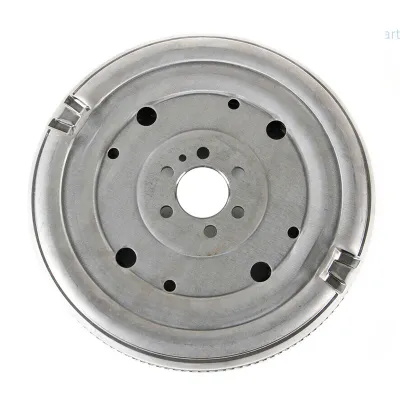
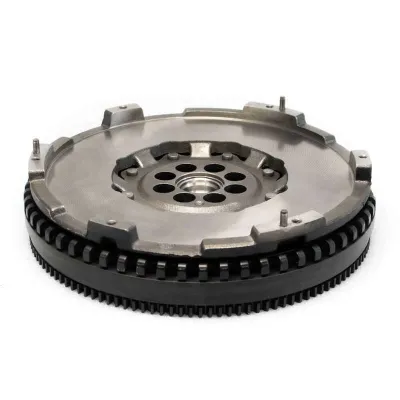
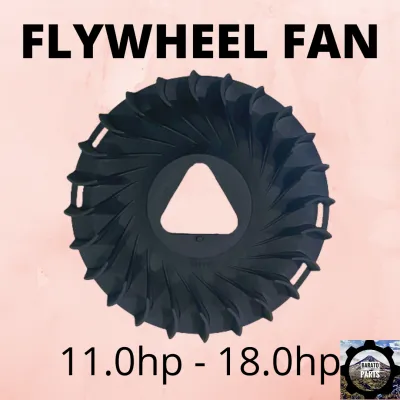
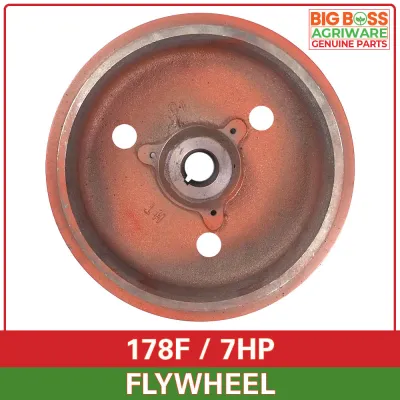
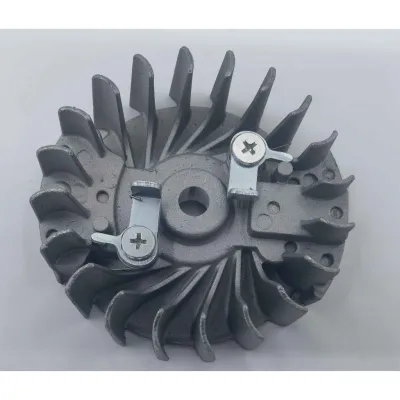
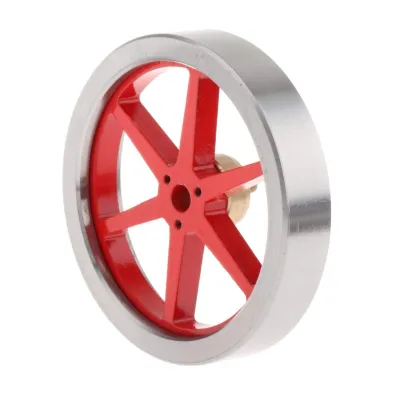
Prices are valid at publication and may change. Please refer to the product page for the latest price.
Additionally, the flywheel is deeply integrated into the starting system. The outer rim of the flywheel typically features a ring gear or serves as the mounting surface for a one-way starter clutch. When you press the electric starter button, the starter motor engages this gear, spinning the flywheel to turn the crankshaft and initiate the combustion cycle. On kick-start models, the physical force from the kick-lever travels through the transmission gears to spin the crankshaft and flywheel, generating the initial electrical charge and timing signal needed to fire the engine.
How the Flywheel Controls Ignition Timing and Spark
To understand how the flywheel controls ignition timing, you must look closely at its outer edge. Most flywheels feature a small, raised metal strip or tab known as the trigger bump or timing mark. Positioned just outside the spinning flywheel is a stationary sensor called the pickup coil or pulser coil. Every time the flywheel completes a full rotation, this trigger bump passes directly in front of the pickup coil, momentarily disrupting its magnetic field and generating a low-voltage electrical pulse.

This tiny electrical pulse is sent instantly to the Capacitor Discharge Ignition (CDI) module or the Engine Control Unit (ECU). The control module uses this signal to determine the exact position of the piston relative to Top Dead Center (TDC). Once the module receives this signal, it calculates the precise moment to release stored electrical energy to the ignition coil, which steps up the voltage to thousands of volts and forces a spark across the spark plug gap. If the flywheel is misaligned by even a fraction of a millimeter, the spark will fire at the wrong time, causing poor performance or preventing the engine from running entirely.
In many smaller displacement motorcycles, the flywheel also directly generates the raw electrical power needed for the ignition system itself. The stator contains dedicated source coils that produce AC power solely for the CDI when the flywheel magnets spin past them. This design allows the ignition system to operate completely independently of the battery. However, if the permanent magnets on the flywheel degrade due to age, excessive engine heat, or physical impact, the magnetic field weakens. This degradation directly reduces the electrical output, leading to a weak spark, hard starting, or intermittent ignition failure at high engine speeds.
Observable Signs of Flywheel and Ignition Issues
When a flywheel or its related ignition components begin to fail, the motorcycle will exhibit distinct operational symptoms. You may experience hard starting, especially when the engine is hot, or frequent misfires and backfiring under acceleration. Erratic idling, sudden stalling when coming to a stop, or a complete loss of power at high RPMs are also common indicators that the ignition timing signal is being disrupted or that the electrical generation is insufficient to sustain a strong spark.
Physical and visual inspections can help confirm these issues. After removing the engine side cover, look for signs of physical damage. Inspect the flywheel for cracked, chipped, or loose magnets, which can occur if debris enters the stator cavity. Check for fine metal shavings or debris clinging to the magnets, as these particles can scrape against the stator coils and cause electrical shorts. You should also attempt to wiggle the flywheel by hand; any noticeable play or rocking motion indicates that the mounting nut has backed off or the alignment key has failed.
It is crucial to differentiate flywheel-related timing issues from other electrical failures. A bad spark plug or a faulty CDI unit typically causes a sudden, complete loss of spark, or a failure that does not change with engine temperature. A failing stator coil will usually show incorrect resistance values when tested with a multimeter, or fail to charge the battery while the engine is running. Conversely, a flywheel timing issue—such as a sheared alignment key—often preserves a strong spark, but because the spark occurs at the wrong time, the engine may backfire through the carburetor or throttle body without actually starting.
Safe Inspection Practices and Replacement Boundaries
Before performing any inspection or maintenance on the flywheel, safety must be your top priority. Always disconnect the negative terminal of the battery to prevent accidental cranking or electrical shorts. Refer to your motorcycle’s specific service manual for exact torque specifications, wiring diagrams, and safety guidelines. Never attempt to pry the flywheel off the crankshaft using screwdrivers, crowbars, or standard jaw pullers. These improper tools can easily warp the flywheel shell, damage the delicate stator coils underneath, or crack the permanent magnets, turning a simple inspection into an expensive repair.
To safely remove the flywheel, always use a dedicated, model-specific flywheel puller tool. This tool threads directly into the center hub of the flywheel, allowing you to apply even pressure against the end of the crankshaft without damaging the surrounding components. Once the flywheel is removed, inspect the woodruff key—a small, semi-circular metal key that sits in a slot on the crankshaft snout. This key aligns the flywheel keyway perfectly with the crankshaft to lock the ignition timing in place. Check the woodruff key for any signs of shearing, flattening, or wear, and replace it immediately if it shows any damage.
Knowing when to stop and seek professional help is vital for preserving your engine. If you encounter a seized flywheel mounting nut, stripped threads on the crankshaft snout, or cracked engine casings near the stator mounts, do not attempt to force the components. Applying excessive force can bend the crankshaft, requiring a complete engine teardown to repair. If you suspect internal engine damage or are unsure of the correct timing alignment procedures for your specific model, consult a qualified motorcycle mechanic to complete the repair safely.
Frequently Asked Questions (FAQ)
Can a loose flywheel cause a motorcycle to lose spark?
Yes, a loose flywheel can cause a complete loss of spark or highly inconsistent ignition. If the flywheel mounting nut is loose, the woodruff key can easily shear off. Once this key shears, the flywheel will slip and spin freely on the crankshaft. This misalignment means the trigger bump passes the pickup coil at the wrong time, causing the spark plug to fire out of sync with the piston’s movement. In severe cases of slippage, the timing signal becomes so erratic that the CDI or ECU cannot register a coherent pattern, resulting in a total loss of spark.
Is it safe to ride with a cracked flywheel magnet?
No, it is highly unsafe to ride with a cracked flywheel magnet. The flywheel spins at thousands of revolutions per minute, creating immense centrifugal force. A cracked magnet is highly likely to disintegrate under these forces, throwing sharp metal fragments into the stator cavity. These fragments can instantly shred the stator’s copper windings, destroy the pickup coil, and potentially jam the starter clutch or lock up the engine entirely while you are riding. Additionally, a cracked magnet disrupts the magnetic field, causing immediate charging system failure and severe engine misfires. If you discover a cracked magnet, the flywheel must be replaced before riding again. Replacement parts can range from ₱1,500 to over ₱5,000 depending on your motorcycle model, which is far less costly than repairing a destroyed engine block.

Community discussion
Share your experience or ask a question. Comments are reviewed before publication.