
When shopping for replacement ignition parts online or at local auto supply shops in the Philippines, you might encounter products labeled as a “universal ignition cap.” The short answer to whether a universal ignition cap will actually fit your vehicle is a definitive no. While the term “universal” suggests a one-size-fits-all solution, ignition systems are highly specialized. In reality, a universal distributor cap is only designed to fit a specific family of aftermarket distributors rather than every engine on the road. Attempting to force an incompatible cap onto your vehicle can lead to severe engine misfires, electrical arcing, and expensive mechanical damage.
To determine if an ignition cap universal replacement is right for your vehicle, you must first understand your engine’s ignition design, verify physical dimensions, and check specific mounting configurations. This guide explains how to identify your system, what key specifications to measure, and how to verify compatibility before making a purchase.
Does Your Vehicle Actually Require an Ignition Cap?
Before spending money on a universal distributor cap, you must confirm whether your vehicle even uses a mechanical distributor. Modern automotive engineering has largely phased out these components in favor of more reliable, electronically controlled systems. If your vehicle was manufactured within the last two to three decades, it is highly likely that a distributor cap is entirely irrelevant to your engine setup.
Products mentioned in this guide
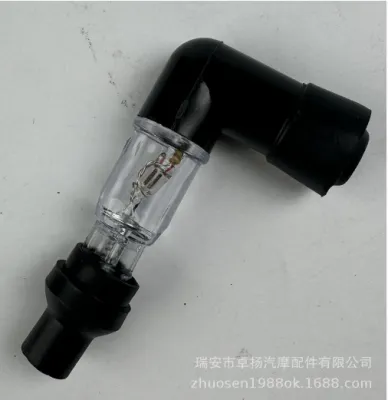
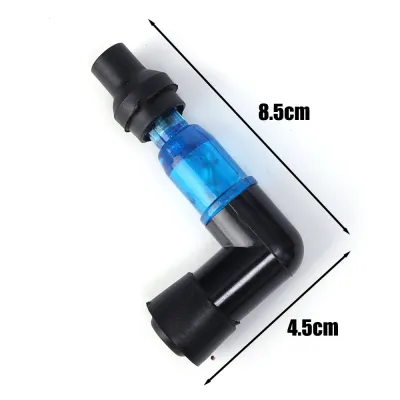
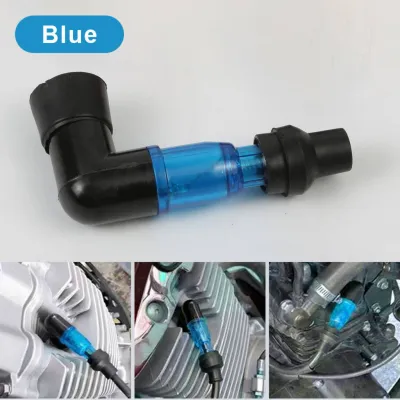
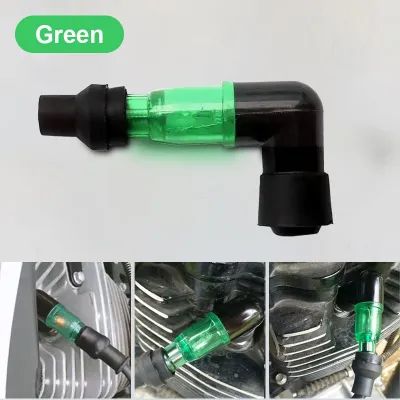
Prices are valid at publication and may change. Please refer to the product page for the latest price.
Traditional ignition systems rely on a single ignition coil that sends high-voltage current to a mechanical distributor. Inside the distributor, a spinning rotor distributes this electrical charge to individual spark plug wires via the distributor cap. In contrast, modern vehicles use a Distributorless Ignition System (DIS) or a Coil-on-Plug (COP) configuration. In a COP system, individual ignition coils sit directly on top of each spark plug, managed by the vehicle’s engine control unit (ECU). If your engine has individual coils under a plastic cover and lacks a central distributor housing with thick high-tension wires radiating out, you do not have an ignition cap to replace.
In the Philippines, many classic cars, older sedans, and vintage utility vehicles still active on the road rely on mechanical distributors. Popular older models, such as early generations of the Toyota Tamaraw FX, older Mitsubishi L300 models with carbureted gasoline engines, and custom-built owner-type jeeps, commonly utilize these traditional setups. For these specific vehicles, maintaining the distributor cap is a standard part of routine engine tuning, making a compatibility check essential.
Key Physical and Electrical Specifications to Check
If you have confirmed that your vehicle uses a mechanical distributor, you cannot simply purchase any universal cap. You must match several critical physical and electrical specifications to ensure the replacement part functions safely and fits securely.

- Terminal Count and Layout: The number of electrical terminals on top of the cap must match your engine's cylinder count, plus an additional central terminal for the main coil wire. A four-cylinder engine requires a five-terminal cap, while a six-cylinder engine requires seven terminals. Furthermore, the physical layout of these terminals—whether they are arranged in a perfect circle (radial), staggered, or inline—must match your original cap to preserve the correct firing order.
- Cap Diameter and Height: Distributor caps come in various physical sizes. You must measure the outer diameter of the cap's base and its overall height. A cap that is too small will not seat on the distributor housing, while one that is too large will allow moisture and debris to enter. Additionally, ensure the cap's height provides enough internal clearance so the spinning rotor does not physically strike the internal terminals.
- Mounting Mechanism: Distributor caps are secured to the distributor base using specific fasteners. Some caps use screw-down ears, others rely on snap-on metal clips, and some utilize specialized bail wires. A universal cap must feature the exact same mounting style and alignment notches as your distributor housing; otherwise, it cannot be locked into place.
- Material and Environmental Resistance: High-quality caps are typically molded from phenolic resins or alkyd plastics, which offer excellent electrical insulation and heat resistance. In the humid tropical climate of the Philippines, high humidity and sudden downpours place extreme stress on ignition components. Proper insulation is vital to prevent electrical tracking—a phenomenon where high-voltage current travels across a damp cap surface instead of reaching the spark plugs.
How to Verify Fitment Before Purchasing
To avoid the frustration of buying an ill-fitting part, follow a systematic verification process before completing your purchase. Never rely solely on a product listing’s “universal” label.
First, cross-reference the Original Equipment Manufacturer (OEM) part number. This is the most reliable method to guarantee compatibility. Locate the part number stamped on your existing distributor cap or consult your vehicle’s service manual. Many reputable aftermarket manufacturers provide cross-reference compatibility charts. Compare your OEM number against the manufacturer’s database to see if their universal or multi-fit cap is an approved match.
Second, perform precise physical measurements. Use a vernier caliper or a standard ruler to measure the inner and outer diameter of your old cap’s mounting flange. Note the spacing between the terminals and the depth of the alignment keys on the rim. Compare these measurements with the technical schematics provided by the seller. If you are shopping on local online marketplaces, look for listings that display detailed dimensional diagrams.
Third, inspect the distributor rotor. The rotor and the cap operate as a matched pair. Ensure that the rotor tip will align perfectly with the new cap’s internal contacts and maintain the manufacturer-specified air gap. If the air gap is too wide, the spark may not jump across; if it is too narrow, the rotor will collide with the cap.
Finally, consult the manufacturer’s application guides. If the product documentation is unclear or if your vehicle has an aftermarket distributor installed, contact the part manufacturer’s technical support team. Provide them with the brand and model number of your distributor housing to confirm fitment.
Safety Risks of an Improperly Fitted Ignition Cap
Forcing an ill-fitting or incorrect ignition cap onto your distributor is highly dangerous and can lead to severe mechanical failures. High-voltage ignition systems require precise physical tolerances to operate safely.
An improperly fitted cap often causes electrical arcing and cross-firing. If the internal terminals are not spaced correctly, the high-voltage current from the rotor can jump to the wrong terminal. This ignites the fuel-air mixture in the wrong cylinder at the wrong time, causing violent engine misfires. In severe cases, cross-firing can trigger a backfire through the intake manifold, destroying plastic intake components or starting an engine bay fire.
Moisture ingress is another major hazard, especially during the Philippine monsoon season. If the universal cap does not seal tightly against the distributor base, humid air and road spray will penetrate the housing. This moisture condenses on the internal electrical contacts, causing hard-starting issues, engine stalling, and rapid corrosion of the rotor and terminals.
Before installing any ignition component, always consult your vehicle’s service manual and the aftermarket product’s specific installation instructions. If a universal cap does not drop easily into place, stop immediately. Never sand, drill, or modify the distributor base or the cap to force a fit. If the parts do not align perfectly, seek a direct-fit OEM replacement or consult a qualified automotive technician to complete the installation safely.
Frequently Asked Questions (FAQ)
Will a universal distributor cap work on a modern fuel-injected engine?
No. Most modern fuel-injected engines utilize distributorless ignition systems (DIS) or coil-on-plug (COP) configurations. Because these modern engines do not have a mechanical distributor, a universal distributor cap cannot be installed or used on them. Always verify your engine type before purchasing ignition components.
How do I prevent moisture buildup inside the ignition cap?
To prevent moisture accumulation, ensure the cap is perfectly seated and sealed against the distributor base, and inspect it regularly for hairline cracks. You may apply a very thin layer of dielectric grease strictly to the exterior rubber boot seals and the outer mounting flange to help repel water. Never apply dielectric grease to the internal electrical contacts or the rotor tip, as this can disrupt the high-voltage spark flow. Always follow the specific care instructions provided by your vehicle and component manufacturers.
Community discussion
Share your experience or ask a question. Comments are reviewed before publication.