
Protecting your motorcycle’s suspension from harsh road elements is one of the most effective ways to prolong the life of your shock absorbers and maintain a smooth, controlled ride. The rear suspension, in particular, is constantly subjected to a barrage of road debris, water, and mud kicked up by the rear tire. Universal shock covers act as a physical shield, wrapping around the shock spring and shaft to block these contaminants before they can cause permanent damage.
While many riders focus on cosmetic upgrades, investing in suspension protection is a practical decision that can save you from costly repairs. A high-quality cover keeps the delicate inner workings of your shock absorber clean, ensuring consistent damping performance over time. However, selecting the right cover requires a clear understanding of your riding environment, the materials available, and the precise dimensions of your motorcycle’s suspension components.
Identifying the Need: Risks to Unprotected Suspension
Motorcycle suspension systems are engineered to handle vertical impacts, but they are highly vulnerable to environmental contaminants. In tropical climates, riders frequently encounter extreme weather shifts, ranging from intense, dusty dry spells to sudden, torrential downpours that flood local streets. These conditions create a challenging environment for exposed mechanical parts, especially those positioned close to the ground and the rear wheel.
Products mentioned in this guide
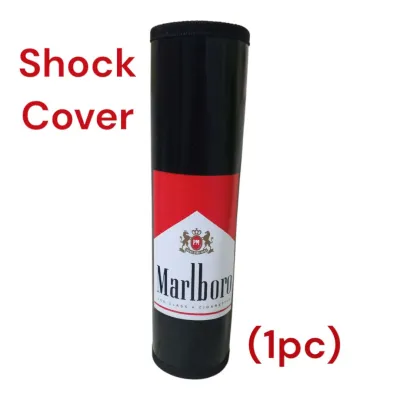
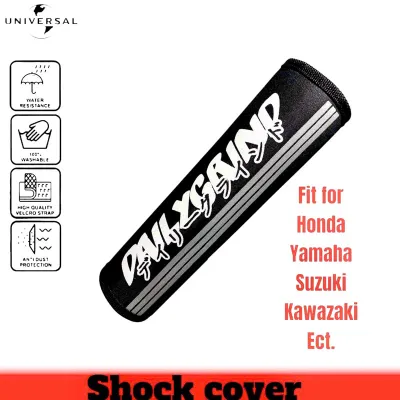
![SHOCK COVER MOTORCYCLE UNIVERSAL DESIGN WATERPROOF COVER MOTOR ACCESSORIES [STOCK SHOCK ONLY]](https://img.lazcdn.com/g/ff/kf/Sccc17da8d5fe4fba93262d4f7b4bf618m.jpg_400x400q80.jpg_.webp)
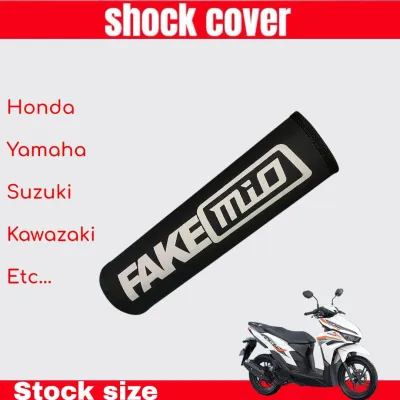
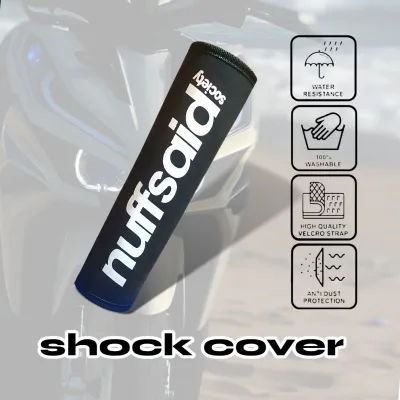
![UNIVERSAL KING DRAG SHOCK COVER FOR MOTORCYCLE [STAR LIGHT]](https://img.lazcdn.com/g/p/27212beffd29fce23f4775c0319be930.png_400x400q80.png_.webp)
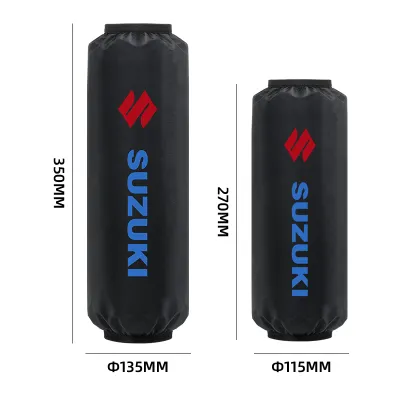
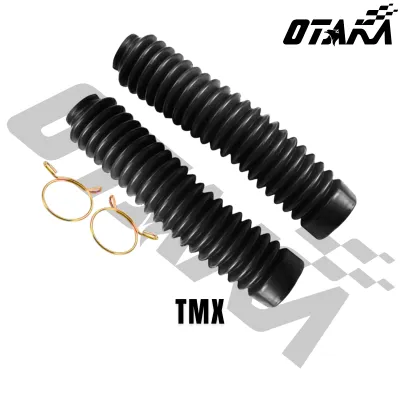
Prices are valid at publication and may change. Please refer to the product page for the latest price.
When you ride through mud, standing water, or dusty gravel roads, fine abrasive particles settle onto the exposed shock absorber shaft. The shock shaft is a highly polished, chrome-plated rod that slides in and out of the shock body through a rubber oil seal. As the suspension compresses and rebounds, this seal constantly sweeps along the shaft. If abrasive grit is present on the metal surface, it acts like sandpaper, gradually wearing down both the rubber seal and the polished chrome.
Over time, this abrasive action leads to micro-scratches and pitting on the shock shaft. In highly humid environments, moisture settles into these tiny imperfections, leading to rust and corrosion. Once the shaft becomes pitted or scratched, it develops a rough texture that tears the rubber oil seal with every movement of the suspension. This inevitably results in oil leaks, causing the shock to lose its damping fluid and rendering the suspension bouncy, unstable, and unsafe.
To prevent this progression of damage, perform regular visual inspections of your motorcycle’s shock absorbers. Park your bike on a level surface and use a flashlight to examine the shock shaft and the area around the main seal. Look for any signs of wetness, thin films of oil, or dirt sticking heavily to the seal area, which are early indicators of a weeping seal. If you notice deep scratches, rust spots, or pitting on the chrome shaft, the damage may already be done, and the shock may require professional rebuilding or replacement before a cover can be of any use.
Comparing Materials: Neoprene, Nylon, and Rubber Boots
Selecting the right material for your universal shock cover is crucial, as different fabrics and compounds offer distinct advantages depending on your riding style and local weather conditions. The three most common materials used for aftermarket shock protection are neoprene, heavy-duty nylon, and molded rubber or silicone boots.

Neoprene is a popular choice for modern wrap-around shock covers due to its exceptional flexibility and water resistance. This synthetic rubber foam stretches easily, allowing it to conform tightly to the contours of progressive-rate springs without bunching up. Neoprene provides an excellent barrier against direct water spray and fine dust.
However, because it is a dense, non-breathable material, it can trap heat and condensation if used in high-temperature environments or during prolonged, aggressive riding. If moisture does manage to seep inside a neoprene cover, it can remain trapped against the metal components, requiring you to remove and dry the cover regularly.
Heavy-duty nylon or canvas covers offer a highly durable alternative that excels in rugged, off-road conditions. Often constructed from high-denier fabrics, these covers provide superior resistance to tearing and punctures from flying gravel or sharp debris. Nylon is generally more breathable than neoprene, allowing trapped moisture to evaporate more freely, which helps prevent condensation buildup on the shock shaft.
The trade-off is that nylon is less elastic, meaning it must be sized more precisely to avoid a loose, baggy fit that could rub against adjacent motorcycle parts. Additionally, fine silt can eventually work its way through the weave of some nylon fabrics, meaning they still require periodic cleaning.
Silicone or rubber boots, often referred to as accordion boots, represent the traditional approach to suspension protection. These molded covers provide a complete, physical seal against the elements and are highly effective at blocking mud and water. Because they do not rely on fabric weaves or Velcro seams, they offer consistent, long-term protection.
However, rubber boots typically require you to slide them over the end of the shock absorber, which means you must disassemble the suspension to install them. Furthermore, lower-grade rubber compounds are highly susceptible to UV degradation under intense tropical sunlight, which can cause the material to dry out, crack, and split over time, requiring premature replacement.
Measuring for a Universal Fit: Dimensions and Clearances
The term “universal” indicates that a shock cover is designed to fit a wide range of motorcycle models, but it does not guarantee compatibility with your specific bike. Before purchasing any cover, you must take precise measurements of your suspension components and verify clearances to prevent physical interference and potential safety hazards.
Start by measuring the outer diameter of your shock spring at its widest point. The cover must have a slightly larger internal diameter than the spring to prevent the material from being stretched to its absolute limit, which can cause premature tearing or split seams.
Next, measure the length of the spring or the section of the shock you intend to cover. Take this measurement while the motorcycle is resting on its stand (fully extended) to ensure the cover is long enough to provide complete coverage when the suspension is unloaded.
You must also account for the suspension’s full range of travel. When your motorcycle hits a deep pothole or carries a heavy load, the suspension compresses significantly. If a shock cover is too long or lacks sufficient flexibility, it can bunch up and bind between the spring coils at full compression, which can damage the cover or restrict the suspension’s travel. Refer to your motorcycle’s owner’s manual to find the specified wheel travel or shock stroke, and ensure the cover can compress safely within those limits without binding.
Finally, check the physical clearances around the shock absorber. Modern motorcycles, especially scooters and underbone models, often have very tight packaging around the rear suspension. Inspect the space between the shock spring and adjacent components such as the exhaust pipe, swingarm, rear tire, brake lines, and plastic bodywork.
A bulky or loose-fitting cover can easily rub against these moving or hot parts. Rubbing against the exhaust can melt the cover, while contact with the tire or swingarm can quickly wear a hole through the material, rendering the protection useless and potentially creating a safety hazard.
Safe Installation and Routine Maintenance
Proper installation and consistent maintenance are essential to ensure your universal shock cover protects your suspension rather than inadvertently causing damage. Trapping dirt or moisture inside a cover can accelerate corrosion and seal wear, defeating the entire purpose of the accessory.
Before installing any shock cover, you must thoroughly clean and dry the shock absorber assembly. Use a mild, label-authorized motorcycle wash or soap and a soft brush to remove all traces of road grime, mud, and dust from the spring coils and the polished shock shaft. Avoid using harsh chemical solvents or high-pressure water directly on the shock seals, as this can damage the rubber or force water past the seals into the damping chamber. Once clean, dry the entire assembly completely with a clean microfiber cloth, ensuring no moisture remains on the shaft or under the spring seats.
When installing the cover, pay close attention to how it is secured. Most wrap-around covers use heavy-duty Velcro strips or zippers, often supplemented by nylon zip ties or clamps at the top and bottom. Secure these fasteners firmly enough to prevent the cover from sliding up or down during riding, but do not over-tighten them. Over-tightening zip ties around the moving parts of the suspension can pinch the rubber seals, restrict the natural movement of the spring, or damage the shock body. Ensure that any excess length on zip ties is trimmed neatly and positioned away from moving parts or your riding gear.
If your chosen cover is a slip-on rubber boot that requires removing the shock absorber for installation, you must observe strict safety boundaries. Always refer to your motorcycle’s original-vehicle service manual for the correct disassembly procedures, support the motorcycle securely on a stable center stand or paddock stand, and use a calibrated torque wrench to tighten all mounting bolts to the manufacturer’s specified torque values. If you lack the proper tools, workspace, or mechanical experience to perform suspension work safely, always have the installation completed by a qualified professional mechanic.
Remember that universal shock covers are not permanent, maintenance-free solutions. Establish a routine to remove or open the covers periodically—such as during your regular motorcycle washes or at the end of the rainy season. Inspect the interior of the cover for any accumulated fine dust or trapped moisture. Take this opportunity to inspect the shock shaft for any signs of fluid leaks or physical wear. Wash the cover according to the manufacturer’s instructions, allow it to dry completely, and clean the shock assembly again before reinstallation.
Sourcing and Verifying Options on E-Commerce Platforms
Finding the right universal shock cover on online marketplaces requires a careful, methodical approach to avoid low-quality products that fail prematurely. Because you cannot physically handle the product before purchasing, you must rely on smart search strategies and thorough verification of the listing details.
Begin by filtering your search results on e-commerce platforms to focus on highly rated sellers with a proven track record of positive customer feedback. Avoid listings that rely solely on generic marketing buzzwords like “heavy-duty” or “indestructible” without providing concrete specifications. Instead, look for product descriptions that explicitly state the materials used (such as genuine neoprene or specific denier nylon) and provide detailed physical dimensions, including length, diameter, and thickness.
Cross-referencing user reviews is one of the most effective ways to verify fitment and real-world durability. Look for reviews written by owners of the same motorcycle make and model as yours, and pay close attention to any photos or videos they have uploaded. These real-world images can give you a much better understanding of the material’s actual thickness, the quality of the stitching, and how the cover looks when installed. Look for feedback regarding how well the cover resists fading and cracking under intense tropical sunlight and heavy rain.
Finally, verify the seller’s return and exchange policies before finalizing your purchase. Even with careful measurements, you may find that a cover does not clear your bike’s exhaust or swingarm once you attempt to install it. Purchasing from a seller that offers straightforward returns ensures you can exchange the cover for a different size or style without unnecessary hassle, helping you secure the perfect fit for your motorcycle’s suspension protection.
Frequently Asked Questions (FAQ)
Do universal shock covers affect suspension cooling?
Shock absorbers generate heat during operation as they convert the kinetic energy of the suspension’s movement into thermal energy through the shearing of hydraulic oil. Under normal daily commuting conditions, this heat generation is minimal, and the ambient air flowing around the shock is more than enough to keep it cool. However, during prolonged, aggressive riding on rough roads or off-road trails, the shock oil can heat up significantly.
A thick, non-breathable cover, such as unvented neoprene, can trap this heat, potentially causing the shock oil to thin out and leading to temporary shock fade, where damping performance decreases. If you frequently ride in demanding conditions, look for covers made from breathable nylon or those featuring built-in ventilation ports to allow heat to dissipate safely.
Can I install a shock cover without removing the shock absorber?
Yes, you can easily install a shock cover without removing the shock absorber if you choose a wrap-around design. These covers feature full-length Velcro closures or heavy-duty zippers, allowing you to wrap the material directly around the installed shock spring and secure it in place within minutes. This design is highly convenient for routine maintenance, as it can be removed quickly for cleaning and inspection.
Conversely, traditional slip-on accordion rubber or silicone boots do not have split openings and must be slid over the end of the shock absorber. Installing these styles requires complete removal of the shock from the motorcycle’s frame, which should be done following original-vehicle instructions or by a qualified professional to ensure safety and proper torque specifications.
Community discussion
Share your experience or ask a question. Comments are reviewed before publication.