
If you only maintain a single vehicle with straightforward engine bay access, a standard vehicle-specific spark plug socket offers maximum rigidity and a tailored fit. However, if you work on multiple cars, encounter narrow spark plug tubes, or need a compact toolkit, a universal spark plug cup with swivel joints and magnetic adapters provides essential flexibility. Your final choice depends on your specific garage needs, engine clearance constraints, and the physical dimensions of your spark plugs.
In the humid, tropical climate of the Philippines, keeping your ignition system in top shape is critical for maintaining fuel efficiency and preventing engine misfires during heavy seasonal downpours. Choosing the right tool for spark plug maintenance can mean the difference between a quick, successful tune-up and a costly trip to a professional mechanic due to a cracked ceramic insulator or a stripped cylinder head thread.
Standard Sockets vs. Universal Spark Plug Cups: What Sets Them Apart?
To understand which tool fits your maintenance routine, it is essential to look at how they are built and what they are designed to do. A standard spark plug socket is a single-purpose, fixed-depth tool. It is engineered to match one specific hex size, such as 5/8-inch, 13/16-inch, or 14mm, and relies on a straight-line connection to your ratchet or extension bar. These sockets are typically robust, thick-walled, and designed to deliver direct, unyielding torque to the spark plug hex without any lateral play.
Products mentioned in this guide
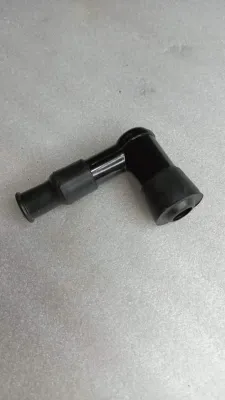
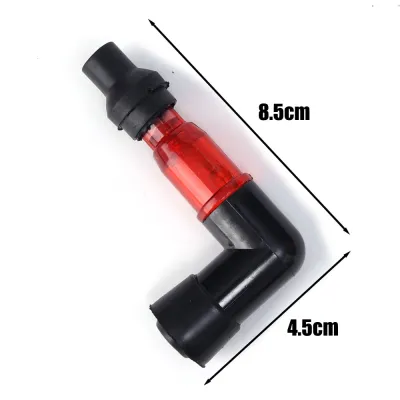
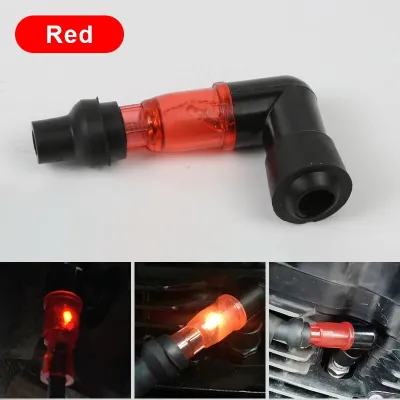
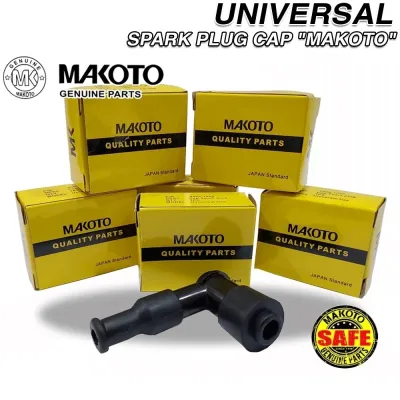
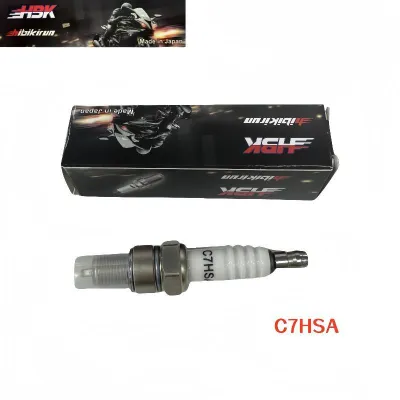
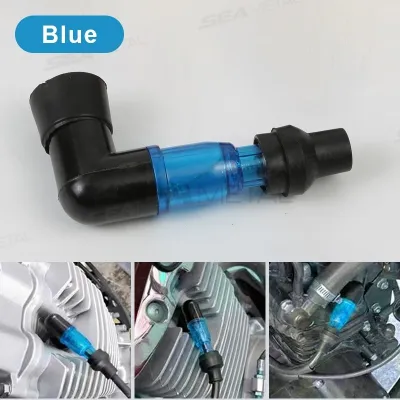
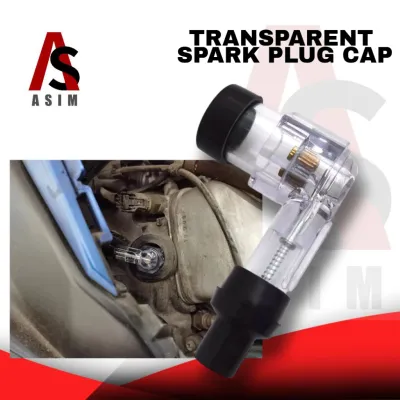
Prices are valid at publication and may change. Please refer to the product page for the latest price.
In contrast, a universal spark plug cup—often referred to as a universal spark plug socket or jointed cup—is built for adaptability. These tools frequently feature integrated swivel joints, thin-wall construction, and sometimes interchangeable adapters or multi-size configurations. The built-in ball joint or universal joint allows the socket head to pivot, enabling you to turn the tool even when your extension bar is positioned at an angle.
The core trade-off between these two designs lies in the balance of structural rigidity versus angular flexibility. A standard socket provides a solid, direct connection that minimizes the risk of slipping under heavy torque, making it highly reliable for stubborn or slightly seized plugs. A universal spark plug cup sacrifices some of this rigid feel to grant you access to tight, awkward angles where a straight tool simply cannot fit.
How They Compare in Fitment, Clearance, and Protection
When you prepare to replace your spark plugs, the physical layout of your engine bay dictates which tool will perform safely and effectively. You must navigate three critical physical challenges: matching the exact dimensions of the plug, reaching deep into the cylinder head wells, and protecting the fragile ceramic components from damage. Failing to address any of these factors can lead to broken parts, debris falling into the combustion chamber, or stripped threads that require expensive engine repairs.

Hex Size and Thread Reach Compatibility
Before purchasing any tool, you must verify your vehicle’s exact spark plug specifications by consulting the owner’s manual or the manufacturer’s official service documentation. Spark plugs come in various hex sizes, both metric and imperial, and have different thread reaches and overall heights. A tool that is too shallow or too wide will fail to engage the hex properly, potentially rounding off the metal corners or cracking the delicate ceramic insulator that extends from the top of the plug.
You must also verify the internal depth of the socket or cup you plan to use. The tool must fully enclose the metal hex portion of the spark plug while leaving enough clearance inside so it does not apply lateral pressure to the ceramic terminal. Standard sockets are manufactured to precise factory-spec dimensions for a single size, ensuring a snug, predictable fit over the entire length of the plug.
Universal spark plug cups and multi-size kits offer excellent versatility by covering several common sizes in one package, but they require careful inspection before use. You must ensure that the internal depth of the universal cup is deep enough to accommodate the specific thread reach and terminal height of your vehicle’s plugs. If the internal cavity is too shallow, the top of the spark plug will bottom out against the inside of the tool, transferring the turning force directly to the ceramic insulator and causing it to shatter.
Navigating Tight Engine Bay Clearances
Modern engine bays, especially in compact cars and modern SUVs commonly driven in the Philippines, are incredibly crowded. Components like intake manifolds, air filter boxes, wiring harnesses, and air conditioning lines often sit directly above the spark plug wells. In these tight spaces, a standard thick-walled socket attached to a straight extension bar may be physically blocked from entering the spark plug tube at a perfect 90-degree angle.
This is where a universal spark plug cup with a built-in swivel joint and a thin-wall design offers a distinct advantage. The thin-wall construction allows the tool to slide easily into narrow spark plug tubes that have very little clearance between the plug hex and the cylinder head wall. The integrated swivel joint allows you to bend the drive angle, letting you clear overhead obstructions and rotate the plug even if your ratchet extension is tilted at a 15- or 20-degree angle.
However, standard thick-wall sockets have severe limitations in deep, narrow, or angled spark plug wells. If you attempt to force a standard socket into a tight well at an angle, the tool can bind against the tube wall, preventing you from feeling whether the spark plug is threading in smoothly. Before buying any tool, physically inspect the space around your engine’s spark plug tubes to determine if you have a straight path of access or if you must navigate a curved or obstructed entry.
Grip Mechanisms and Ceramic Protection
Extracting a spark plug from a deep well requires a reliable mechanism to hold the plug inside the socket once it is unthreaded. Traditional standard sockets typically use an internal rubber insert that relies on friction to grip the ceramic insulator. While simple and inexpensive, these rubber inserts can degrade over time, especially when exposed to engine heat, oil, and tropical humidity. A worn rubber insert can lose its grip, causing the spark plug to drop back down the well, which can close the spark plug gap or crack the ceramic tip.
Many modern universal spark plug cups and premium standard sockets utilize magnetic ring grips instead of rubber. Magnetic grips hold the metal shell of the spark plug securely without putting any physical stress on the fragile ceramic insulator. This magnetic connection makes it much easier to lift the plug out of deep wells and lower new plugs in safely without risking damage.
However, magnetic grips are not entirely foolproof. If your vehicle uses specialized spark plugs with non-magnetic terminals or shells, the magnet will not hold them securely. Additionally, in a busy garage environment, magnetic sockets can attract fine metal shavings and debris, which must be thoroughly cleaned out before use to prevent them from falling into the engine cylinder or interfering with the tool’s fit.
Which Tool Should You Choose for Your Garage?
To make the right decision for your toolkit, you should evaluate your specific vehicle lineup, your mechanical experience, and the layout of your engine.
Choose a standard spark plug socket if you primarily perform maintenance on a single vehicle with straightforward, unobstructed access to the spark plugs. If you prefer a solid, rigid feel that gives you direct feedback on how the threads are engaging, a standard socket is the ideal choice. It is also a highly budget-friendly option in local auto supply shops or online marketplaces.
Choose a universal spark plug cup if you maintain multiple vehicles in your household, run a small home garage, or frequently work on engines with cramped, angled, or deeply recessed spark plug wells. The flexibility of the swivel joint and the space-saving nature of a universal kit make it an invaluable addition to a mobile toolkit. While a quality universal cup or jointed socket set may require a slightly higher initial investment, the convenience and adaptability it offers often justifies the cost.
Before making any purchase, verify whether your vehicle requires a highly specialized tool. Some modern engines use unique 12-point (bi-hex) spark plugs or require extremely thin-walled sockets that standard universal kits may not include. Always check your vehicle’s service manual to ensure that any universal tool you select matches the exact dimensional and structural requirements of your engine.
Essential Safety and Verification Checks Before You Start
Working on your vehicle’s ignition system requires strict adherence to safety protocols to avoid catastrophic engine damage. Always consult your vehicle manufacturer’s official specifications for the exact spark plug part numbers, correct gap settings, and precise torque values. Installing the wrong plug type or over-tightening a plug can ruin the threads in your aluminum cylinder head, leading to incredibly expensive repairs.
Before inserting any tool into your spark plug well, inspect the interior of the socket or cup. Ensure that the rubber insert is clean and seated correctly, or that the magnetic ring is free of metal shavings, dirt, and grease. Any debris trapped inside the tool can transfer to the spark plug, potentially causing a misfire or preventing the socket from seating fully on the hex.
When installing new spark plugs, always start threading them by hand using an extension bar or a flexible hose attached to the plug terminal. Never use a ratchet, power tool, or a universal swivel joint to start the threads, as this makes it impossible to feel if the plug is cross-threading. If you encounter any resistance, stop immediately, back the plug out, and inspect the threads. If a spark plug feels seized during removal, or if your universal swivel joint slips under load, stop working and consult a qualified professional mechanic to prevent breaking the plug inside the cylinder head.
Frequently Asked Questions (FAQ)
Can I use a regular deep socket instead of a dedicated spark plug cup?
You should avoid using a standard deep socket for spark plug replacement. Regular deep sockets lack the internal rubber inserts or magnetic grips needed to hold the spark plug, making it extremely difficult to retrieve the plug from a deep well or lower a new one in without dropping it. More importantly, standard sockets do not have internal padding to protect the fragile ceramic insulator, which greatly increases the risk of applying lateral pressure and cracking the ceramic during removal or installation.
Do universal spark plug cups work on all small engines like motorcycles and lawnmowers?
While universal spark plug cups are highly versatile, they may not fit all small engines. Many motorcycles, scooters, and lawnmowers have extremely tight clearances around the cylinder head where the added length and bulk of a universal swivel joint can prevent the tool from seating properly. For these compact applications, a dedicated, low-profile standard socket or the specialized spark plug wrench provided in the vehicle’s original tool kit is often the safest and most reliable option.
Community discussion
Share your experience or ask a question. Comments are reviewed before publication.