
Choosing between a universal magneto puller set and a vehicle-specific puller depends on the variety of motorcycles you service and your tolerance for mechanical risk. For a home mechanic or a specialized shop focusing on a single brand, a dedicated, vehicle-specific puller offers unmatched precision and safety. Conversely, a general repair shop dealing with a constant stream of different motorcycle models, underbone bikes, and small engines will find better long-term value in a comprehensive universal puller set. Removing a flywheel, or magneto, requires immense force, and using the wrong tool can easily ruin an engine’s crankshaft or strip the delicate internal threads of the flywheel itself.
In the Philippines, where underbone motorcycles, scooters, and small utility engines are the backbone of daily transport and livelihood, keeping these machines running is a constant demand. The high humidity and tropical climate can cause components to seize over time, making the flywheel removal process even more challenging. Whether you are a DIY enthusiast working in a home garage or a professional mechanic running a busy shop, understanding the mechanical trade-offs between these two tool categories is essential to protect your investment and avoid costly engine damage.
Universal vs Vehicle-Specific Magneto Pullers: Core Differences
A magneto puller is a specialized service tool designed to safely separate the flywheel from the tapered end of the engine’s crankshaft. Because the flywheel is pressed onto a tapered shaft and secured with a keyway and nut, it becomes tightly wedged during operation. Removing it without a dedicated puller usually results in bent shafts, broken engine cases, or ruined stator coils.
Products mentioned in this guide
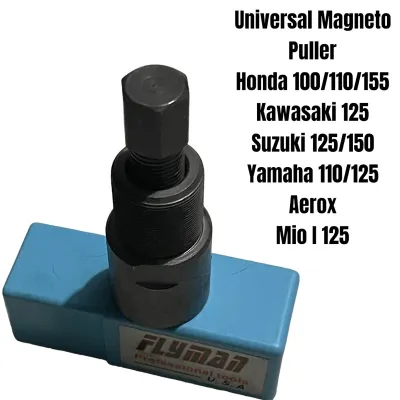
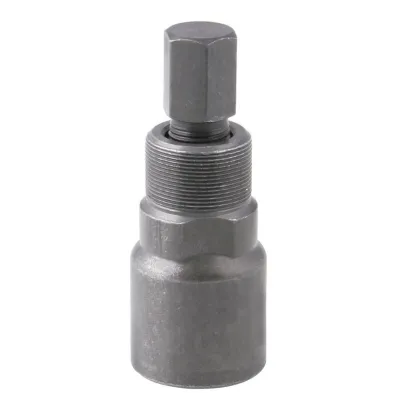
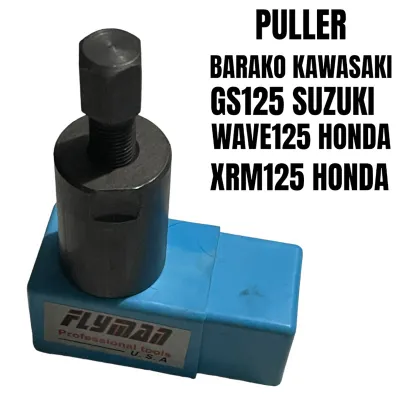
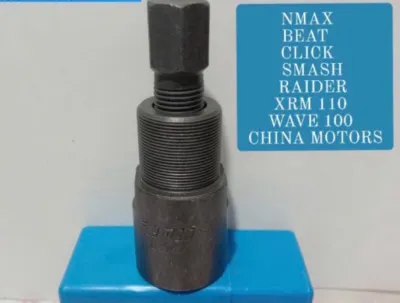
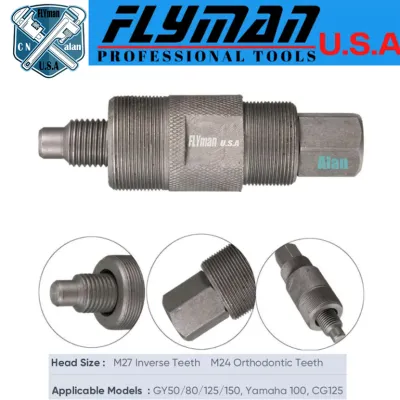
Prices are valid at publication and may change. Please refer to the product page for the latest price.
Universal magneto puller sets are designed as multi-vehicle solutions. These kits typically feature a heavy-duty central body, adjustable pulling arms, and a wide assortment of threaded adapters of varying diameters and thread pitches. By swapping out these adapters or adjusting the arm configuration, a mechanic can service dozens of different engine models from various manufacturers using a single kit. This makes the universal set a highly adaptable option for general workshops.
Vehicle-specific pullers, on the other hand, are single-purpose tools engineered to fit one exact thread size, direction, and pitch. These tools are often designed to match the precise Original Equipment Manufacturer (OEM) specifications for a particular engine family. They do not feature adjustable parts or interchangeable adapters; instead, they consist of a solid, threaded body that screws directly into the flywheel and a central pusher bolt that presses against the crankshaft.
The target user profile for each tool is distinct. Generalist mechanics, mobile repair technicians, and multi-brand service centers benefit most from universal sets because they cannot predict what machine will roll into their shop next. In contrast, brand-specialized repair shops, dealership technicians, and dedicated hobbyists who only work on their personal bikes are better served by vehicle-specific pullers that guarantee a perfect fit every time.
Comparing Versatility, Cost, and Safety Risks
When deciding which tool to add to your toolbox, you must weigh three primary factors: workshop versatility, initial financial investment versus long-term value, and the physical risk of component damage. Each factor plays a critical role in determining which tool will ultimately save you time and money during a repair job.

In a busy repair environment, versatility is highly prized. If your daily work involves servicing a mix of local commuter scooters, older two-stroke models, and small agricultural engines, a universal puller set provides immediate readiness. You can transition from one job to another without waiting days for a specific tool to arrive from an online marketplace. However, this convenience comes with a trade-off in terms of setup time and mechanical risk.
The financial aspect is also straightforward but requires careful projection. A high-quality universal kit represents a larger upfront cost, but it can replace the need to buy dozens of individual tools. Conversely, buying individual vehicle-specific pullers is inexpensive at first—often costing only ₱300 to ₱600 each—but the cumulative cost can quickly surpass that of a universal kit if you find yourself buying a new tool for every third motorcycle that requires service.
Universal Puller Sets: Flexibility and Trade-Offs
The primary appeal of a universal magneto puller set is its sheer cost-effectiveness over time. Instead of purchasing, organizing, and storing thirty different individual pullers, a single organized blow-molded case can house adapters that cover the majority of common thread sizes. This consolidation saves valuable drawer space in a crowded garage and ensures you always have a starting point for uncommon or older engines.
However, this flexibility introduces significant mechanical trade-offs. Because universal kits rely on interchangeable adapters and adjustable components, there is a higher inherent risk of thread stripping or crankshaft damage. If an adapter is slightly worn, or if the thread pitch is a near-miss rather than an exact match, applying high torque can easily shear the threads inside the flywheel. Once these internal threads are stripped, removing the flywheel becomes an incredibly difficult task that often requires destructive methods.
Furthermore, managing a large universal kit requires strict discipline. These sets contain dozens of small, loose parts, including fine-threaded adapters, bolts, and washers. In a busy workshop, losing a single critical adapter can render the entire set useless for specific models. The physical bulk of these kits also means they take up more space on a service cart compared to a few highly targeted, compact individual pullers.
Vehicle-Specific Pullers: Precision and Limitations
Vehicle-specific pullers excel in precision, safety, and ease of use. Because they are machined to match a single, exact thread specification, they thread deeply and securely into the flywheel hub. This maximum thread engagement distributes the immense pulling force evenly across all the threads, virtually eliminating the risk of cross-threading, stripping, or slipping under load.
For high-volume shops specializing in specific popular brands, these dedicated tools are indispensable. They allow for rapid, confident setups without the need to measure threads or test-fit multiple adapters. The solid, single-piece construction of a dedicated puller also means there are no moving parts, joints, or small adapters to wear out, bend, or lose in the middle of a busy workday.
The obvious limitation is the tool’s complete lack of adaptability. A dedicated puller designed for a specific scooter model is entirely useless if a customer brings in a different brand with a slightly different thread pitch or diameter. If your shop frequently encounters a wide variety of brands, relying solely on vehicle-specific pullers will lead to a constantly growing collection of single-use tools, resulting in high cumulative costs and a cluttered workspace.
Direct Comparison: Universal vs Vehicle-Specific Pullers
To help visualize these trade-offs, the following comparison highlights how each option performs across key operational metrics.
| Feature | Universal Puller Set | Vehicle-Specific Puller |
|---|---|---|
| Versatility | High; covers multiple brands and thread sizes | Low; limited to specific engine families |
| Initial Cost | Moderate to high upfront investment | Low per individual tool |
| Long-Term Value | High for multi-brand workshops | High for specialized shops or single-bike owners |
| Risk of Flywheel Damage | Moderate; requires careful alignment and matching | Extremely low; provides perfect thread engagement |
| Setup Complexity | Moderate; requires selecting and assembling parts | Low; direct screw-in design |
| Ideal User Profile | General mechanics and multi-brand garages | Specialized technicians and DIY owners |
Regardless of which tool type you choose to invest in, verifying the specific thread pitch and diameter of your target flywheel before applying force is mandatory. Never assume an adapter fits simply because it screws in a turn or two; always ensure full thread engagement by hand before using any wrenches.
Decision Framework: Which Magneto Puller Should You Invest In?
To make the right investment, evaluate your typical repair volume, the variety of vehicles you service, and your overall risk tolerance.
Choose a universal set if you operate a general repair shop, frequently work on older or uncommon small engines, or need a versatile emergency kit for a wide range of unexpected jobs. The ability to handle diverse tasks on the spot outweighs the extra care required during setup. If you choose this route, invest in a high-quality kit with clearly labeled compartments to keep your adapters organized and protected from moisture-induced rust.
Choose vehicle-specific pullers if you specialize in servicing specific brands, run a dedicated single-brand workshop, or are a DIY enthusiast who only maintains your personal motorcycles. The safety, speed, and zero-risk operation of a dedicated tool make it the superior choice for high-volume, repetitive work on known platforms. Over time, you can build a small, curated collection of the three or four most common puller sizes for your local market.
Always verify first if you are unsure about the exact thread pitch of a flywheel. Before purchasing any tool or attempting a removal, consult the official factory service manual or a verified dealer parts diagram for your specific vehicle model and year. If the manual is unavailable, use a physical thread pitch gauge to measure the threads directly rather than guessing.
Essential Safety and Usage Checks Before Pulling
Removing a magneto flywheel involves releasing hundreds of pounds of stored mechanical tension. To prevent irreversible damage to the engine, the puller, or yourself, you must follow strict safety protocols during every removal attempt.
First, always clean the internal threads of the flywheel thoroughly with a wire brush and a residue-free cleaner before inserting the puller. Dirt, rust, or old thread-locking compound can prevent the puller from threading in completely, leading to stripped threads when pressure is applied. Thread the puller or adapter in by hand until it bottoms out to ensure maximum thread engagement; never use power tools to thread the puller body into the flywheel.
Second, use hand tools such as a manual torque wrench or a breaker bar strictly according to the puller manufacturer’s instructions. While impact wrenches are popular in many local shops for their speed, the uncontrolled, rapid hammering action of an impact gun can easily snap the end of the crankshaft or shatter the puller bolt. If you must use an impact tool, verify that both the puller and the vehicle manufacturer explicitly allow it, and use the lowest effective power setting.
Finally, if the flywheel does not release under reasonable, specified pressure, stop immediately. Do not continue to force the pusher bolt, as this can mushroom the end of the crankshaft, making it impossible to slide the flywheel off or reinstall the retaining nut. Instead, consult a professional mechanic or refer to the OEM service manual. Often, a gentle tap on the head of the puller bolt with a brass hammer can help break the tapered seal without damaging the delicate engine components.
Frequently Asked Questions (FAQ)
Can I use a standard gear puller instead of a magneto puller?
No, you should not use a standard jawed gear puller to remove a motorcycle magneto flywheel. Standard gear pullers grip the outer edges of the flywheel using adjustable jaws, which applies intense inward pressure on the outer ring. This pressure can easily warp the flywheel, crack or dislodge the internal permanent magnets, or damage the delicate stator coils housed directly behind it. Magneto pullers are designed to thread directly into the center hub of the flywheel, distributing the pulling force safely and evenly along the crankshaft axis.
How do I find the correct thread size for my motorcycle flywheel?
The most reliable way to find the correct thread size and pitch for your flywheel is to consult the official OEM service manual or a dealer parts catalog for your specific motorcycle model and year. If these resources are not accessible, you can measure the internal diameter of the flywheel hub using a digital caliper and determine the thread pitch using a dedicated thread pitch gauge. Never attempt to guess the thread size visually, as even a minor mismatch in thread pitch (such as 1.0mm versus 1.25mm) will strip the threads instantly when torque is applied.

Community discussion
Share your experience or ask a question. Comments are reviewed before publication.