
Deciding whether to upgrade to a BRD radiator for your Yamaha NMAX V2 depends heavily on your scooter’s engine state, your daily riding environment, and whether you are experiencing actual cooling issues. For a completely stock NMAX V2 used for daily commuting, the original equipment manufacturer (OEM) radiator is engineered to handle standard operating temperatures, making an aftermarket upgrade largely unnecessary. However, if you have modified your engine with a big bore kit, frequently carry heavy loads up steep mountain passes, or spend hours idling in dense tropical traffic, an aluminum aftermarket radiator like the BRD can provide the additional thermal margin needed to protect your engine from heat-induced wear.
Identifying Real Overheating Issues on the NMAX V2
Before spending your hard-earned ₱ on an aftermarket cooling component, you must determine if your NMAX V2 is actually struggling with heat management. The most immediate indicator of a critical cooling failure is the high-temperature warning light on your digital dashboard. If this light illuminates or flashes, your engine has exceeded its safe operating threshold, and you must pull over safely and shut off the engine immediately to prevent severe damage like a warped cylinder head or a blown head gasket.
Aside from dashboard indicators, you can observe physical signs of thermal stress during or after a ride. A sweet, pungent smell of hot coolant often indicates a leak or a boiling reservoir tank, while visible bubbling or overflow in the coolant expansion tank suggests the system is over-pressurizing. You might also notice a sudden drop in engine performance, known as thermal fade, where the scooter feels sluggish and struggles to accelerate during hot afternoon rides.
Products mentioned in this guide
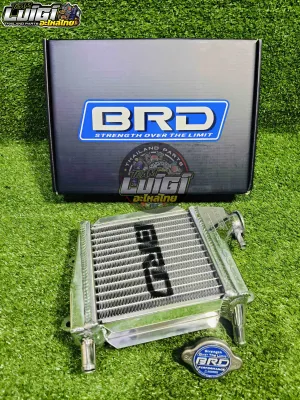
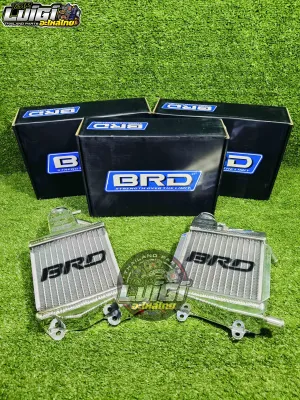
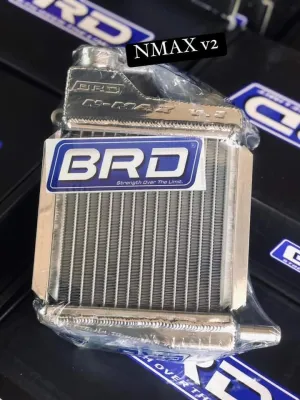
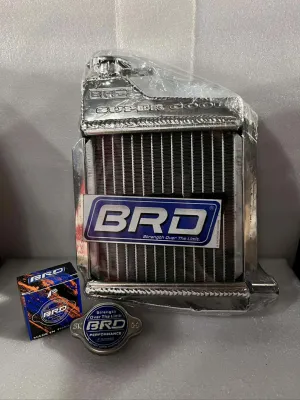
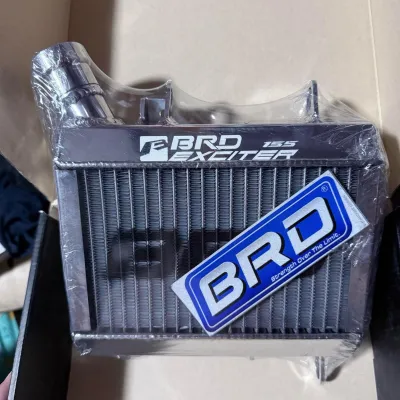
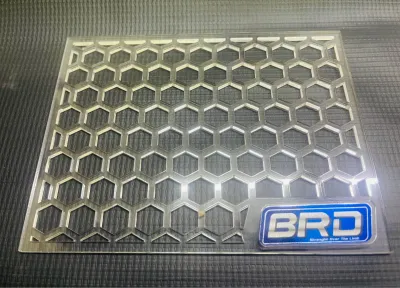
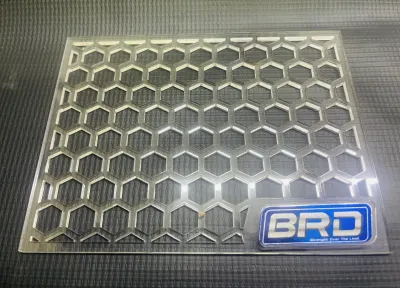
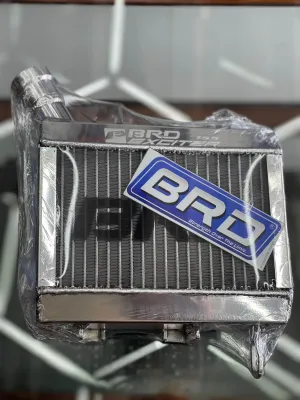
Prices are valid at publication and may change. Please refer to the product page for the latest price.
It is crucial to differentiate between normal operating heat and actual thermal distress. Modern liquid-cooled engines are designed to run hot to maximize combustion efficiency, and feeling warm air blowing from the radiator area is a sign that the system is successfully shedding heat. However, when high ambient temperatures in the Philippines combine with stop-and-go urban traffic, the airflow through the radiator drops significantly, forcing the system to rely entirely on the electric cooling fan and the thermal capacity of the coolant.
Stock vs. Aftermarket Radiators: What Changes and What Stays the Same
To evaluate if the BRD radiator is a practical upgrade, you must understand how its physical design differs from the stock Yamaha unit. The stock NMAX V2 radiator features a compact core designed for lightweight efficiency, often utilizing a combination of aluminum fins and plastic end tanks. In contrast, aftermarket radiators like the BRD typically feature an all-aluminum construction, which eliminates the plastic tanks that can become brittle and crack over years of heat cycles.

When inspecting an aftermarket radiator, the primary physical changes lie in the core thickness and fin density. A thicker core increases the volume of coolant held within the radiator itself, allowing the system to absorb more heat before reaching critical temperatures. Additionally, a higher density of cooling fins increases the overall surface area available for heat dissipation, which can improve cooling efficiency when there is sufficient airflow passing through the assembly.
However, installing a larger radiator does not automatically overhaul your entire cooling system, as several critical components remain completely unchanged. The stock water pump still circulates the coolant at the same flow rate, and the mechanical thermostat still dictates the exact temperature at which coolant is allowed to flow into the radiator. Furthermore, the overall routing of the coolant hoses and the capacity of the electrical cooling fan remain identical, meaning a bolt-on radiator upgrade only enhances the heat-shedding capacity of the heat exchanger itself, not the speed or volume of fluid movement.
Evaluating the BRD Radiator for Your Specific Riding Needs
Choosing to invest in a BRD radiator should be guided by a clear assessment of your scooter’s specifications and your typical riding routes. If you have upgraded your NMAX V2 with performance modifications, such as a big bore kit, a high-compression piston, or an aftermarket ECU, your engine naturally generates significantly more heat than the stock configuration. In these highly stressed setups, the stock radiator may struggle to keep up, making a high-capacity aluminum radiator a highly recommended preventative upgrade to safeguard your performance investment.
For riders who frequently embark on long-distance touring, especially when traversing steep mountain roads with a pillion rider and heavy luggage, the extended high-load conditions place a continuous demand on the cooling system. Under these specific scenarios, the increased thermal capacity of an aftermarket radiator provides a valuable safety buffer, preventing the coolant from reaching its boiling point during prolonged climbs.
Conversely, if your NMAX V2 is completely stock and primarily serves as a daily commuter for short trips within flat city areas, the OEM radiator is more than capable of keeping the engine within its optimal temperature range. In this case, the cost of purchasing the radiator in ₱, paying for professional installation labor at a trusted motorcycle shop, and experiencing the associated downtime yields very little practical benefit. Your money would be better spent on high-quality coolant and routine maintenance to keep the stock system operating at peak efficiency.
Installation Requirements and Cooling System Safety
Replacing a motorcycle radiator involves working with critical engine components, making safety and precision your top priorities during the installation process. Before starting any work, you must ensure the engine is completely cold; opening a hot cooling system can release pressurized, boiling coolant, causing severe burns. Always wear appropriate eye protection and gloves, and keep a clean container nearby to catch and safely dispose of the old coolant.
To ensure a successful installation, you must consult the official NMAX V2 service manual for specific torque values, hose routing diagrams, and fluid capacities. When mounting the BRD radiator, verify that the mounting brackets align perfectly with the scooter’s frame without forcing or bending the tabs, as physical stress can lead to hairline cracks in the aluminum over time. You must also inspect the condition of your radiator hoses and clamps, replacing any worn or hardened rubber to prevent high-pressure leaks after reassembly.
One of the most critical steps in the installation process is bleeding the cooling system to remove trapped air. An airlock in the cooling passages can block the flow of coolant entirely, leading to localized hot spots and rapid engine overheating even with a brand-new radiator installed. Follow the manufacturer’s instructions to fill the system slowly, massage the radiator hoses to release trapped bubbles, and run the engine with the radiator cap off according to the service manual’s specified procedure until all air is purged. If you are unsure of your ability to perform these steps correctly, stop immediately and have the installation completed by a qualified professional mechanic.
Alternatives to a Full Radiator Upgrade
If your NMAX V2 is running slightly warmer than usual but does not require a complete radiator replacement, several highly effective maintenance steps can restore your stock system’s cooling performance. Over time, the coolant inside your system degrades, losing its anti-corrosive properties and its ability to transfer heat efficiently. Flushing the entire cooling system with distilled water and refilling it with fresh, high-quality pre-mixed coolant according to the interval specified in your owner’s manual can dramatically improve thermal efficiency.
Another common cause of reduced cooling performance is the accumulation of road debris, mud, and insects within the radiator fins. When these passages are blocked, airflow is restricted, and the radiator cannot shed heat effectively. You can safely clean the stock radiator by spraying it gently with low-pressure water and using a soft-bristled brush to sweep away dirt; never use a high-pressure washer, as the intense water pressure will easily bend and ruin the delicate aluminum fins.
Finally, you should systematically verify the operation of the supporting cooling components before assuming the radiator itself is at fault. Inspect the radiator cap, as its internal spring valve must hold a specific pressure to raise the boiling point of the coolant; a weak cap will allow coolant to boil and escape into the reservoir prematurely. Additionally, check that the electric cooling fan spins freely and activates when the engine reaches operating temperature, and verify that the temperature sensor on the cylinder head is sending accurate readings to your dashboard.
Frequently Asked Questions (FAQ)
Will installing an aftermarket radiator void my NMAX V2 warranty?
Installing an aftermarket radiator can void the warranty on your scooter’s cooling system and any engine components directly affected by its installation. Most manufacturers state that modifications using non-OEM parts will void the warranty for related systems if those parts are found to cause a failure. You should carefully read your warranty booklet and consult your authorized dealer before making any modifications to understand their specific policies.
Do I need to upgrade the water pump when installing a larger radiator?
No, you do not strictly need to upgrade the water pump when installing a larger radiator like the BRD on a standard or mildly modified NMAX V2. The stock water pump is designed to circulate coolant efficiently through the engine block and the radiator assembly. However, if you are building a highly modified racing engine with significantly altered coolant routing, you should consult a professional tuner to verify if your flow rates remain balanced.
How often should I change the coolant if I use an aftermarket radiator?
You should continue to follow the baseline coolant replacement intervals specified in your Yamaha NMAX V2 owner’s manual, which typically recommend changes every 10,000 to 12,000 kilometers or every two years. However, if you ride frequently in harsh, dusty environments or use high-performance, non-silicate coolants designed for aluminum radiators, you may need to inspect and flush the system more frequently to prevent mineral buildup.
Community discussion
Share your experience or ask a question. Comments are reviewed before publication.