
Upgrading a Honda Click for daily commuting requires prioritizing low-to-mid-range acceleration, throttle response, and ride comfort over raw top speed. The most effective upgrades center on the Continuously Variable Transmission (CVT) system, high-flow air filters, and upgraded suspension or braking components. These parts help navigate congested city streets, handle sudden tropical downpours, and manage varying passenger or cargo loads without sacrificing reliability.
Because the Honda Click is available in several engine displacements—such as the 125i, 150i, and 160 models—parts compatibility is highly specific to the model year and engine generation. Before purchasing any aftermarket component, you must verify the exact dimensions, mounting positions, and interface specifications against your scooter’s original documentation. Consulting a qualified motorcycle technician and adhering to original-vehicle instructions will ensure your upgrades remain safe, road-legal, and durable over thousands of commuting kilometers.
Key Criteria for Choosing Honda Click Commuter Upgrades
When selecting upgrades for a daily commuter, your primary goal should be improving low-to-mid RPM torque and throttle response. In stop-and-go city traffic, the ability to accelerate quickly from a standstill to 60 km/h is far more valuable than increasing your top speed. Upgrades that target high-RPM power often sacrifice low-end tractability, making the scooter sluggish in tight traffic lanes and less efficient during short, frequent trips.
Products mentioned in this guide
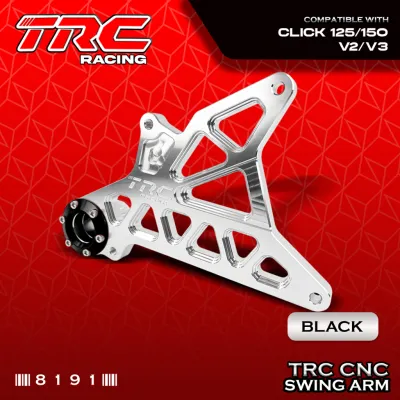
7 Lazada user ratings
🎨Design:10/10 🔨Durability:10/10 🔌Compatibility:10/10 Easy to install for users,thank you seller,.
🎨Design:good 🔨Durability:good 🔌Compatibility:good
Value for money, thank you seller&rider,.
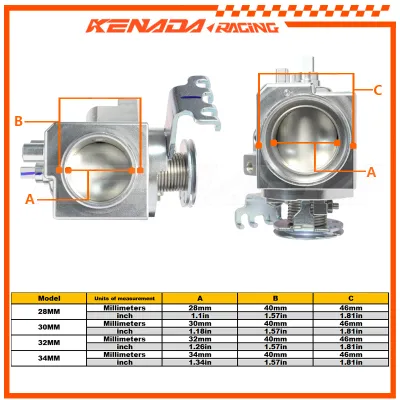
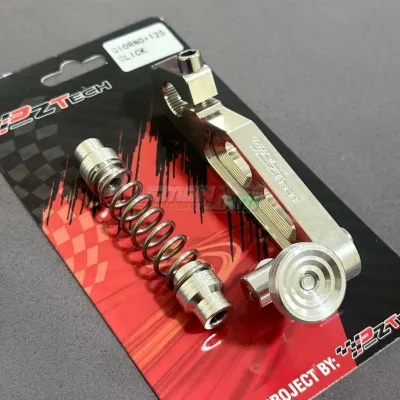
12 Lazada user ratings
very good quality for its price. fit to honda click motorcycle. delivery is fast. thank you seller.
no logo ng pz tech pangit packaging bwiset scam to wag kayo umorder
🎨Design:10/10 🔨Durability:10/10 🔌Compatibility:10/10
Great value for money, thank you seller,.
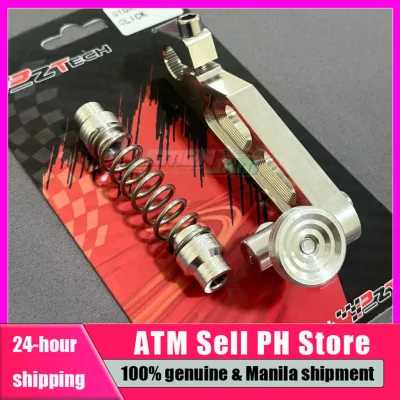
11 Lazada user ratings
not orig, pero ok na rin.
fake item diliver to me
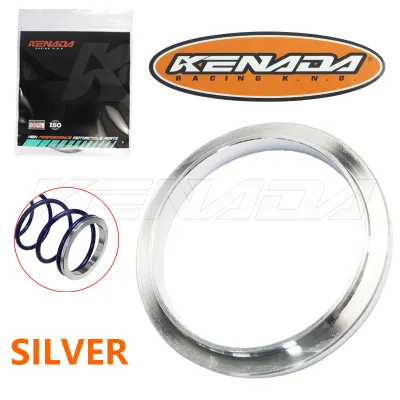
23 Lazada user ratings
goods na goods, alum alloy sana tumagal at subukan ko kung maging effective sa namax at mio 125 ko ko
ok salamat seller
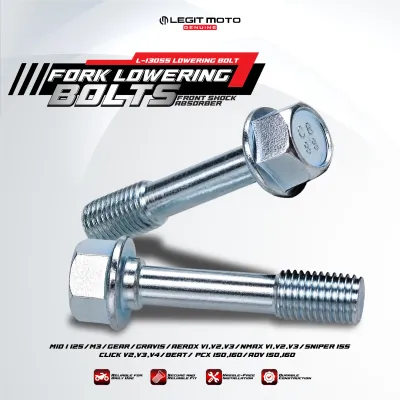
17 Lazada user ratings
•PRODUCT NAME: LEGITMOTO FORK LOWERING BOLTS FOR MIO AEROX NMAX SNIPER CLICK BEAT PCX ADV FRONT FORK BOLTS L-13055 FOR MOTORCYCLE 2PCS
Prices are valid at publication and may change. Please refer to the product page for the latest price.
Fuel efficiency and engine reliability must remain at the forefront of your decision-making process. Commuters rely on their scooters for daily transportation, meaning any modification that significantly increases fuel consumption or accelerates engine wear will quickly become a financial burden. High-quality aftermarket parts designed for daily use focus on optimizing combustion and transmission efficiency, which can sometimes maintain or even slightly improve fuel economy when paired with a moderate riding style.
Before investing in any performance parts, evaluate the cost-to-benefit ratio of each modification against your commuting budget. Simple adjustments to the transmission system often yield the most noticeable performance improvements per peso spent. Additionally, consider the availability of local service centers capable of servicing or tuning aftermarket parts, and research how these modifications might affect your manufacturer’s warranty or insurance coverage.
Air Intake and High-Flow Filtration Options
Your scooter’s engine requires a steady supply of clean air to perform efficiently. Stock Honda Click air filters use a pleated paper media that provides excellent filtration but can restrict airflow as it accumulates dust. High-flow reusable air filters, typically constructed from woven cotton or stainless steel mesh, allow a higher volume of air into the combustion chamber, which can sharpen throttle response and improve engine breathing under load.

However, increasing airflow alters the engine’s air-fuel ratio, potentially causing it to run lean. Because modern Honda Click models utilize electronic fuel injection (EFI), the engine control unit (ECU) can automatically compensate for minor changes in airflow. If you install a highly open intake system, the stock ECU may not be able to adjust sufficiently, leading to a lean condition that increases engine operating temperatures and risks long-term valve damage. For daily commuting, a drop-in high-flow filter that fits inside the stock airbox is generally safer than an open-pod intake.
Using open-pod filters also introduces significant risks regarding dust and water ingress, especially during heavy tropical downpours or on unpaved roads. Water drawn into the intake can cause hydrolock, resulting in catastrophic engine failure. A closed stock airbox protects the intake tract from road splash, standing water, and airborne debris, making it an essential safeguard for year-round daily commuting.
Exhaust Systems and Muffler Replacements
Upgrading your exhaust system can reduce overall vehicle weight and alter the engine’s power delivery. Slip-on mufflers primarily change the exhaust note and reduce weight, while full header systems replace the entire exhaust pipe from the cylinder head to the muffler. Full systems can improve exhaust gas scavenging, which helps the engine expel exhaust gases more efficiently and can shift the power curve to benefit mid-range acceleration.
Any significant change to the exhaust system’s backpressure requires careful monitoring of the air-fuel mixture. Installing a full exhaust system without adjusting the fuel management can cause the engine to run lean, resulting in popping on deceleration, hesitation, and overheating. To prevent these issues, you may need to install an aftermarket fuel controller or have the ECU professionally remapped to match the increased exhaust flow.
Noise regulations are a critical consideration for daily commuters in the Philippines. Local land transportation authorities and municipal ordinances enforce strict decibel limits on public roads, and excessively loud exhausts can result in heavy fines, confiscation, or failed vehicle registrations. When choosing an aftermarket exhaust, select a street-legal model equipped with a removable decibel reducer (silencer) to ensure your scooter remains compliant with local noise laws.
Transmission Upgrades for Stop-and-Go Traffic
The Continuously Variable Transmission (CVT) is the most critical area to tune for noticeable real-world performance gains on a commuter scooter. The CVT determines how quickly the engine reaches its optimal powerband and how smoothly that power is transferred to the rear wheel. By adjusting the weights, springs, and pulleys within the CVT casing, you can customize the acceleration profile to suit congested city streets.
Lighter roller weights are one of the most popular and cost-effective CVT modifications for the Honda Click. Stock roller weights are designed to balance fuel economy and top speed, but they can make acceleration feel sluggish from a dead stop. Installing slightly lighter roller weights allows the variator to open more slowly, keeping the engine in a higher RPM range during initial acceleration and providing a much quicker response when filtering through traffic.
To complement lighter roller weights, you can install stiffer clutch springs and an upgraded torque spring. Stiffer clutch springs delay clutch engagement to a slightly higher RPM, resulting in a more immediate launch from a standstill. A stiffer torque spring ensures the rear pulley maintains proper belt tension, preventing belt slippage and ensuring smooth back-shifting when you decelerate and accelerate again in traffic. Avoid altering the final drive gear ratio, as taller gears will reduce low-speed acceleration and increase fuel consumption during city riding.
Suspension and Braking Components for Ride Quality
Commuting comfort and safety depend heavily on your scooter’s chassis, suspension, and braking systems. The stock rear shock absorber on the Honda Click is often tuned for average single-rider weights and can feel harsh over potholes or bottom out when carrying a pillion passenger or heavy delivery bags. Upgrading to an adjustable rear shock absorber allows you to fine-tune the spring preload and rebound damping to match your typical daily load, significantly improving ride comfort and stability.
Stopping power is equally vital when navigating unpredictable city traffic. Upgrading to high-friction ceramic or sintered brake pads provides more immediate bite and better resistance to brake fade during repeated hard stops. Replacing the stock rubber front brake line with a braided stainless steel brake line prevents the line from expanding under pressure, resulting in a firmer, more progressive feel at the brake lever and more predictable braking performance.
All suspension and braking upgrades must be matched to the grip limits of your tires. High-performance brake pads can easily lock up a wheel if your tires lack sufficient traction, especially on wet or dusty asphalt. Ensure your tires have adequate tread depth and a rubber compound optimized for wet-weather grip before upgrading your braking system, and always verify that any aftermarket brake components are designed specifically for your Honda Click model year.
Installation, Tuning, and Maintenance Requirements
To ensure your upgraded parts work harmoniously and do not compromise the safety or reliability of your Honda Click, proper installation and tuning are essential. If you combine multiple modifications, such as a high-flow air filter and a full exhaust system, professional tuning on a motorcycle dynamometer (dyno) is highly recommended. A professional tuner can adjust the air-fuel ratio across the entire RPM range, preventing lean conditions and maximizing the efficiency of your new parts.
Aftermarket performance parts generally require more frequent maintenance and inspection than stock components. High-flow reusable air filters must be cleaned and re-oiled at regular intervals using manufacturer-approved cleaning kits to maintain their filtration efficiency. Aftermarket exhaust systems should be checked periodically for exhaust leaks, loose mounting bolts, or deteriorating packing material that can increase noise levels over time.
Always consult your Honda Click owner’s manual or a qualified mechanic for correct torque specifications, clearance checks, and installation procedures. Incorrectly torqued bolts on critical components like the CVT variator nut, brake calipers, or rear shock mounts can lead to severe mechanical failure while riding. Prioritize professional installation for complex components, and keep all original stock parts in clean, working condition in case you need to revert your scooter to its factory configuration.
Frequently Asked Questions (FAQ)
Will upgrading my Honda Click void the manufacturer's warranty?
Yes, installing aftermarket performance parts can void the manufacturer’s warranty on the affected systems. Dealerships generally deny warranty claims if they determine that an aftermarket modification directly caused or contributed to a mechanical or electrical failure. To protect yourself, keep all original stock parts in storage so you can revert the scooter to its factory configuration if necessary, and consult your dealership’s warranty policy before making any modifications.
Do I need to remap the ECU if I only change the air filter?
No, a simple drop-in high-flow air filter that fits inside the stock airbox typically does not require an ECU remap. The stock Honda Click engine control unit can automatically adjust the fuel injection within a narrow margin to compensate for the minor increase in airflow. However, if you notice symptoms of a lean air-fuel mixture, such as engine hesitation, excessive heat, or popping sounds, you should have the air-fuel ratio checked by a professional technician.
Are aftermarket performance parts legal for street use in the Philippines?
Aftermarket parts are legal for street use as long as they comply with national and local regulations enforced by the Land Transportation Office (LTO) and local government units. Exhaust systems must adhere to strict decibel limits, and modifications must not compromise the structural integrity or safety of the vehicle. Always verify that your aftermarket parts, especially exhausts and lighting, are certified as street-legal, and check with local authorities if you are unsure about specific compliance guidelines.
Community discussion
Share your experience or ask a question. Comments are reviewed before publication.