
Upgrading your Toyota’s automatic shift knob is a practical way to enhance your daily driving experience in the Philippines, but finding the right fit requires looking beyond aesthetics. Because Toyota utilizes different automatic transmission layouts—ranging from classic gated shifters to button-operated straight-pull levers—compatibility hinges on mechanical design, thread dimensions, and safety interlocks. Selecting a replacement that withstands the local tropical climate while preserving the vehicle’s safety features ensures a seamless upgrade that looks excellent and functions reliably.
Before purchasing any aftermarket accessory, understanding how your specific shifter operates is essential. A mismatched shift knob can lead to loose fitment, damaged threads, or even a compromised transmission interlock system. By taking the time to verify your vehicle’s specifications and choosing materials suited for high cabin temperatures, you can avoid common installation pitfalls and enjoy a more comfortable, personalized interior.
Verifying Compatibility for Your Toyota Automatic
To ensure a secure and safe installation, you must first determine the exact mechanical requirements of your Toyota’s shifter rod. Many automatic Toyota models utilize an M8 x 1.25 thread pattern, but this is not a universal standard across all model years or import variants. Relying on general assumptions can lead to purchasing a knob that stripped threads or fails to tighten securely. The most reliable verification method is to measure the shifter rod using a thread pitch gauge or to consult your vehicle’s technical documentation before shopping.
Products mentioned in this guide
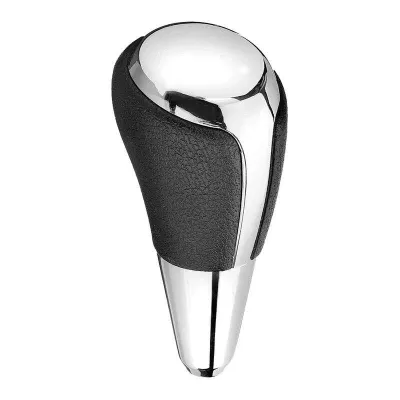
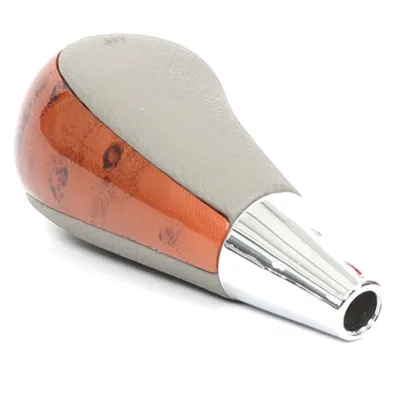
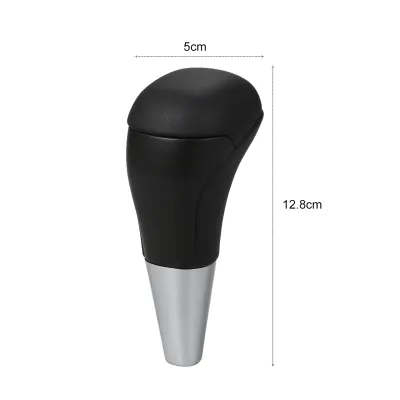
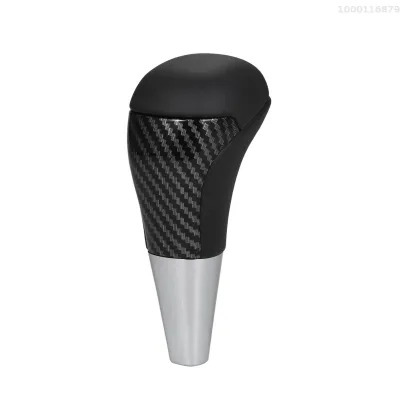

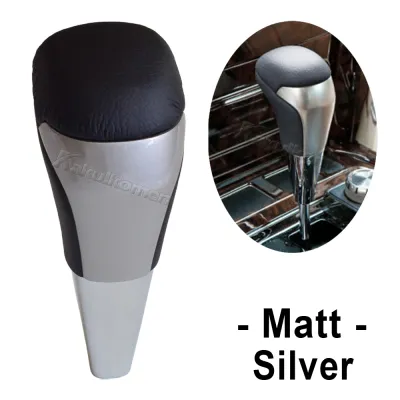
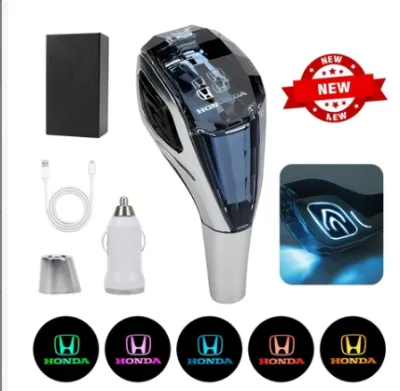
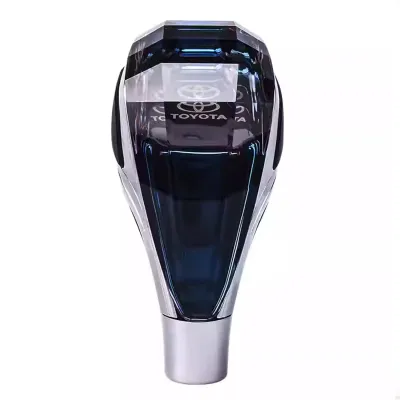
Prices are valid at publication and may change. Please refer to the product page for the latest price.
Another critical factor is the shift lock release mechanism. Toyota automatic transmissions generally fall into two categories: gated shifters and straight-pull shifters. Gated shifters, commonly found on models like the Toyota Vios, Fortuner, and Hilux, guide the lever through a zigzag pattern. These systems do not require a button on the knob itself because the physical gate acts as the detent. For these vehicles, a simple threaded knob without any moving parts is usually compatible, provided the thread pitch matches.
Conversely, straight-pull shifters move in a direct front-to-back line and rely on a mechanical shift lock release button. This button, which can be top-mounted or front-mounted, prevents the transmission from accidentally being bumped out of Park or into Reverse. If your Toyota features a straight-pull shifter, you must select a replacement knob that incorporates a functional release button. Bypassing this safety feature by installing a buttonless knob is highly dangerous, as it disables the Park interlock and increases the risk of unintended vehicle movement.
Finally, consider any electronic wiring integrated into your original shift knob. Some modern Toyota models feature overdrive buttons, manual shift mode triggers, or sequential shift switches directly on the knob assembly. Replacing these units requires specialized aftermarket knobs that include matching wiring harnesses, or you must accept the loss of those electronic functions. Disconnecting these wires without proper termination can trigger diagnostic trouble codes or disable specific driving modes, so verifying the electrical connections is a vital step before removal.
Comparing Materials and Styles for Daily Driving
Selecting the right material for your shift knob directly impacts your comfort and control, especially given the intense tropical climate of the Philippines. High humidity and extreme cabin heat when parked under the sun can turn certain materials into a major inconvenience. Balancing aesthetic preferences with practical durability is key to a successful upgrade.

Leather and wood are classic choices that offer excellent comfort, grip stability, and temperature neutrality. Unlike synthetic materials, high-quality leather breathes well and provides a secure grip even when your hands are humid from the local weather. Wood finishes offer a refined, traditional look and do not retain extreme heat, making them comfortable to touch even after your vehicle has been parked outdoors in Manila or Cebu for several hours.
On the other hand, aluminum and carbon fiber shift knobs are popular for their sporty, modern appearance. However, metals conduct heat rapidly. An unshaded aluminum knob can become painfully hot to touch after exposure to direct sunlight, requiring you to use a protective cover or wait for the air conditioning to cool the cabin before driving. Carbon fiber is slightly more temperature-resistant than solid metal, but it can still degrade or yellow over time if exposed to intense ultraviolet rays without a high-quality UV-resistant clear coat.
Ergonomics and weight also play a significant role in how the shifter feels in your hand. While weighted shift knobs are highly sought after in manual vehicles to smooth out gear transitions, they require caution on automatic transmissions. An excessively heavy knob can put constant downward pressure on the automatic shifter’s internal components. Over time, this weight can accelerate wear on the shifter cable, strain the return springs, or interfere with the electronic interlock solenoid that releases the shifter when you press the brake pedal.
Navigating Online Marketplaces for the Right Fit
When browsing local e-commerce platforms and online marketplaces, navigating the sea of “universal” listings can be challenging. Many aftermarket shift knobs are marketed as universal fit, but they often rely on plastic thread adapters that can wear out or slip over time. To avoid these issues, look for listings that explicitly state compatibility with Toyota’s M8 x 1.25 thread pitch or those that include high-quality brass adapters rather than soft plastic ones.
Customer reviews and Q&A sections are invaluable resources when verifying real-world fitment. Filter reviews for mentions of specific Toyota models like the Vios, Innova, Fortuner, or Wigo. Pay close attention to feedback regarding how flush the knob sits against the shift boot. Some universal knobs leave an unsightly gap that exposes the shifter rod, while others might require additional collar retainers to hold the shift boot in place.
Before finalizing your purchase, evaluate the seller’s responsiveness and return policies. Send a direct message to the seller asking for the exact thread dimensions and whether the knob supports shift-lock button functionality. A reputable seller should be able to provide clear specifications. Ensuring a flexible return policy protects you in case the delivered product has mismatched threads, a non-functional button mechanism, or poor material quality that does not match the online description.
Installation Steps and When to Seek Professional Help
Installing a new shift knob is generally a straightforward process, but it requires patience to avoid damaging your vehicle’s interior. For standard threaded Toyota automatic knobs, removal is typically as simple as turning the original knob counterclockwise. If your vehicle features a chrome collar at the base of the knob, you must gently pry or slide the collar downward first to expose the retaining clip or threads before attempting to unscrew the unit.
When installing the new knob, ensure the threads are clean and free of debris. If you are using thread adapters, screw the adapter onto the shifter rod first, ensuring it is straight and secure. Avoid over-tightening, as this can strip the threads on either the adapter or the shifter rod itself. Once the adapter is in place, thread the new knob on clockwise until it is snug and properly aligned. If your knob has a shift lock button, test its travel to ensure it moves freely without binding against the adapter or the knob body.
Knowing when to stop is crucial for preventing costly damage to your vehicle’s transmission linkage. If you encounter a stuck electronic connector, stripped threads on the shifter rod, or if the shift lock button fails to return to its resting position after installation, do not force the components. Reinstall your original knob if possible, and consult a qualified automotive technician. Professional assistance is especially recommended for models with integrated electronic switches, where improper wiring can lead to electrical shorts or transmission faults.
Frequently Asked Questions (FAQ)
Can I use a manual shift knob on my Toyota automatic?
In most cases, you cannot safely use a manual shift knob on a Toyota automatic transmission that requires a shift lock release button. Manual shift knobs lack the internal mechanism and button required to actuate the automatic transmission’s safety interlock. Attempting to bypass this system by permanently depressing the interlock or using a buttonless knob on a straight-pull shifter is a severe safety hazard, as the vehicle could easily be bumped out of Park while the engine is running. However, if your Toyota features a gated automatic shifter that does not rely on a release button, a manual shift knob may be compatible, provided the thread pitch matches perfectly.
Do weighted shift knobs damage the automatic shifter cable?
Yes, excessively heavy weighted shift knobs can cause premature wear on an automatic transmission’s shifting assembly. While automatic shifters are not moved as frequently as manual gearboxes, the internal return springs, shifter cables, and interlock solenoids are designed to support the weight of the factory knob. Installing a very heavy aftermarket knob puts continuous downward stress on these components, which can eventually lead to a loose shifter feel, difficulty engaging gears, or failure of the shift lock solenoid. It is best to stick to moderate weights and check the manufacturer’s specifications to ensure the knob is suitable for automatic transmissions.
Community discussion
Share your experience or ask a question. Comments are reviewed before publication.