
The Short Answer: When a Valve Spring Compressor is Essential
You only need a valve spring compressor if you plan to perform internal cylinder head work, such as replacing valve stem seals, swapping worn valve springs, or rebuilding the valvetrain. This specialized tool is designed for one specific, high-stakes task: safely compressing the stiff springs that keep your engine’s valves closed. If your DIY projects are limited to routine maintenance, you can safely cross this tool off your shopping list.
For car owners in the Philippines, daily driving often involves navigating heavy stop-and-go traffic under intense tropical heat. These harsh operating conditions accelerate the wear of rubber components like valve stem seals, leading to oil consumption and blue smoke from the exhaust. If you decide to tackle this repair yourself, either with the cylinder head still mounted on the engine block or on a workbench, a valve spring compressor becomes an absolute necessity.
However, if your garage activities focus on basic maintenance, you do not need to invest in this tool. Tasks like changing engine oil, replacing brake pads, swapping spark plugs, or installing new suspension struts do not require opening the internal valvetrain. For these jobs, standard hand tools are more than sufficient, and a valve spring compressor would simply sit unused on your shelf.
Products mentioned in this guide
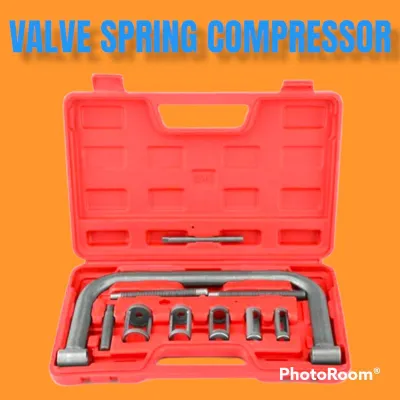
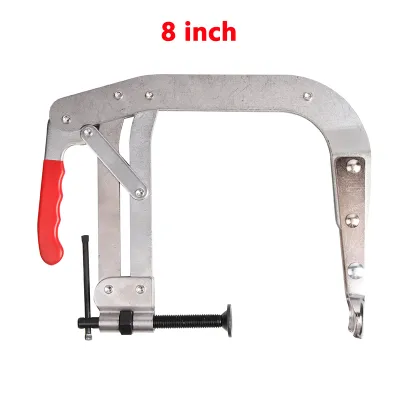
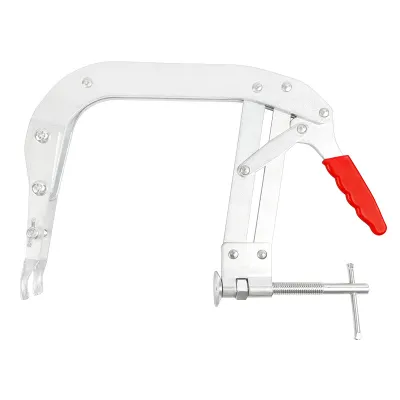
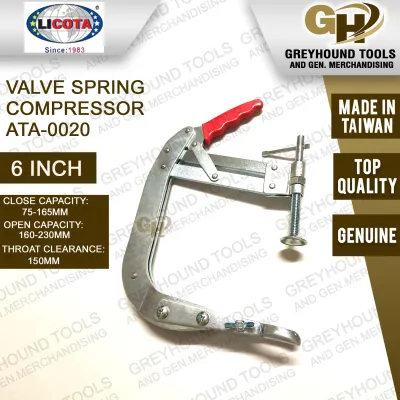
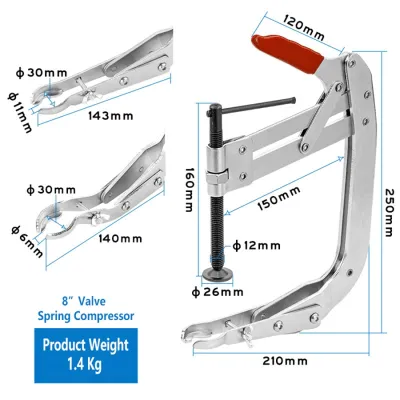
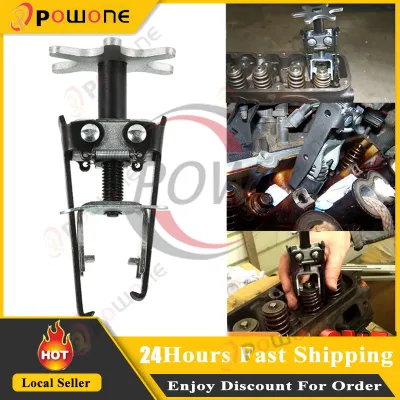
Prices are valid at publication and may change. Please refer to the product page for the latest price.
Understanding the Role of a Valve Spring Compressor
To understand why this tool is so critical, you must look at how an internal combustion engine manages air and exhaust. Each cylinder has valves held tightly shut by heavy-duty steel springs. These springs exert massive pressure to ensure the valves close instantly at high engine speeds, maintaining the airtight seal required for combustion.

A valve spring compressor works by gripping the spring or the cylinder head structure and mechanically compressing the spring down. This action relieves the tension on the valve keepers—the tiny, tapered metal locks that secure the spring retainer to the valve stem. Once the spring is compressed, you can safely remove these keepers with a magnet, allowing you to slide the spring off and access the valve stem seal or the valve itself.
Attempting this process without a dedicated compressor is incredibly dangerous. Because these springs are under immense tension, compressing them with makeshift tools can cause the spring to slip, launching the retainer and keepers across your garage with enough force to cause severe personal injury or chip the cylinder head casting. Depending on your engine layout, you will need either an overhead cam (OHC) compressor, which clamps onto the camshaft journals or the head itself, or an overhead valve (OHV) compressor designed for pushrod engines.
Engine Repairs That Demand a Valve Spring Compressor
There are several specific engine repair scenarios where you cannot proceed without a proper valve spring compressor. The most common DIY scenario in tropical climates is replacing hardened valve stem seals. Over years of exposure to high operating temperatures, these rubber seals lose their elasticity, allowing engine oil to seep down the valve guides into the combustion chamber, resulting in a distinct blue puff of smoke upon startup.
Another major job is performing a comprehensive valve job, which involves removing the valves to clean off carbon deposits, lapping the valve faces to restore a perfect seal against the valve seats, or replacing bent valves entirely. To remove the valves from the cylinder head assembly, every single spring must be compressed and disassembled systematically.
Performance enthusiasts who want to upgrade their engines also require this tool. Installing high-lift aftermarket camshafts often demands stiffer valve springs to prevent valve float at high revolutions per minute. You must use a compressor to swap out the original factory springs for the upgraded aftermarket set safely.
Finally, physical inspection and repair of damaged valvetrain parts require this tool. If your engine has suffered a broken valve spring, a cracked retainer, or a loose keeper, you must compress the affected assembly to replace the damaged component. Operating an engine with even a slightly compromised valve spring can lead to a dropped valve, which instantly destroys the piston and the engine block.
Common Maintenance Tasks That Do Not Require It
It is equally important to recognize which common engine repairs do not involve the valvetrain, saving you from purchasing tools you do not actually need. For instance, replacing a timing belt or a timing chain is a major job, but it does not require compressing the valve springs. As long as you are only replacing the belt, tensioners, and water pump without removing the cylinder head or disassembling the camshafts, a compressor is unnecessary.
Routine ignition and fuel system servicing also stay completely clear of the valve springs. Replacing spark plugs, swapping out failing ignition coils, or cleaning fuel injectors are all external procedures. These components sit in the spark plug wells or the intake manifold, meaning you do not have to expose or compress the internal springs.
Adjusting the valve lash on older engines or solid-lifter setups is another task that sounds related but requires entirely different tools. To adjust the clearance between the rocker arm and the valve stem, you only need feeler gauges, a flathead screwdriver, and a wrench. The valve springs remain fully assembled and untouched throughout this adjustment process.
Lastly, replacing external engine gaskets does not require valvetrain disassembly. If you are fixing an oil leak by replacing a leaking valve cover gasket, an intake manifold gasket, or an oil pan gasket, you are simply removing covers and cleaning mating surfaces. The internal valve assemblies remain intact, meaning your standard socket set is all you need to complete the job.
Safety Boundaries: Why Improvised Methods Fail
In DIY communities, some mechanics suggest using improvised methods to compress valve springs, such as using a deep socket and a hammer to knock the keepers loose, or using heavy ropes stuffed into the cylinder to hold the valves up. These makeshift techniques are highly risky and should be avoided. Knocking keepers loose with a hammer can easily bend the delicate valve stems, scratch the valve guides, or send the tiny keepers flying into the dark corners of your garage, leaving your vehicle stranded.
The safety risks of an uncontrolled valve spring release cannot be overstated. A spring slipping out of an improvised clamp can cause severe facial or eye injuries. Furthermore, if a valve drops into the cylinder because it was not held up properly during an in-vehicle spring change, you will be forced to pull the entire cylinder head off the engine block to retrieve it, turning a simple seal replacement into an expensive, multi-day ordeal.
Before starting any valvetrain work, always consult your vehicle’s original service manual to verify the correct tool mounting positions, torque specifications, and safety procedures. If you have already removed the cylinder head from the vehicle and find the springs exceptionally stiff or difficult to compress with a hand tool, stop immediately. In such cases, taking the cylinder head to a professional automotive machine shop equipped with heavy-duty bench-mounted spring compressors is the safest and most reliable course of action.
How to Decide Based on Your DIY Skill Level
Deciding whether to buy a valve spring compressor comes down to a realistic assessment of your mechanical experience and your long-term garage goals. If you are tackling a one-time valve stem seal replacement on a family vehicle, renting the tool from a local auto parts store or borrowing one from a fellow hobbyist is often the most sensible choice. This allows you to complete the repair without dedicating storage space or budget to a highly specialized tool you may never use again.
On the other hand, if you plan to build performance engines, restore classic cars, or establish a fully equipped home workshop in the Philippines, purchasing your own compressor kit is a worthwhile investment. When buying, look for a versatile kit that includes multiple adapter sizes to accommodate different valve diameters, ensuring compatibility with various cylinder head designs you might encounter in the future.
Keep in mind that working on cylinder heads requires a suite of other precision tools. You cannot complete a valvetrain job safely without a high-quality torque wrench to tighten head bolts and camshaft caps, micrometers to measure valve stem wear, and a machinist’s straight edge to check the cylinder head for warping. If you do not own these supporting tools and are not ready to invest in them, leaving the valvetrain service to a qualified professional mechanic is the best decision for your vehicle’s longevity.
Frequently Asked Questions (FAQ)
Can I use the same valve spring compressor for all engine types?
No, valve spring compressors are not universally compatible across all engine configurations. Overhead valve (OHV) engines with pushrods require a different style of compressor compared to modern overhead camshaft (OHC) engines, where space around the valve springs is highly restricted. Additionally, some multi-valve cylinder heads have deeply recessed spark plug wells and tight clearances that require specialized, slim-profile adapters. Always check the tool manufacturer’s specifications and dimensions against your vehicle’s specific engine model and year before purchasing or renting.
Is it cheaper to rent or buy a valve spring compressor?
For a single, isolated repair project, renting a valve spring compressor from a local auto parts store is almost always the most cost-effective option. However, if rental options are limited in your area, purchasing an entry-level valve spring compressor kit—which typically costs between ₱1,000 and ₱3,000 on local online marketplaces—is relatively affordable. If you anticipate working on multiple engines or performing future valvetrain upgrades, buying a durable, multi-piece compressor kit offers better long-term value and convenience than repeatedly renting worn-out shop tools.
Community discussion
Share your experience or ask a question. Comments are reviewed before publication.