
If you have ever wished your motorcycle could shift from a polite, neighbor-friendly hum during your early morning commute to a deep, aggressive roar on the open highway, you are looking for a way to control your exhaust volume on demand. A valvetronic exhaust module makes this dual-character performance possible. By integrating an adjustable valve directly into the exhaust piping, this technology gives riders real-time control over their vehicle’s acoustic profile and backpressure.
Understanding how these systems work is essential before investing in an aftermarket upgrade. Whether you ride a sportbike through the twisties of Marilaque or navigate a scooter through daily Manila traffic, choosing the right valve system requires looking closely at compatibility, materials, and installation requirements.
What Is a Valvetronic Exhaust Module?
A valvetronic exhaust module is an aftermarket or original equipment manufacturer (OEM) system designed to alter a vehicle’s exhaust sound and flow using an electronically actuated butterfly valve. Unlike traditional static exhausts, which force you to choose between a permanently loud straight pipe or a quiet, heavily muffled system, this technology offers a dynamic compromise. It allows you to alter the flow path of exhaust gases on the fly, transforming your vehicle’s character at the press of a button.
Products mentioned in this guide
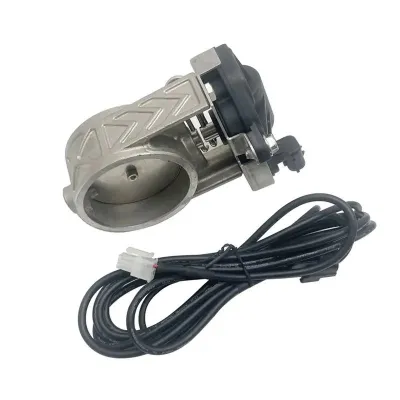
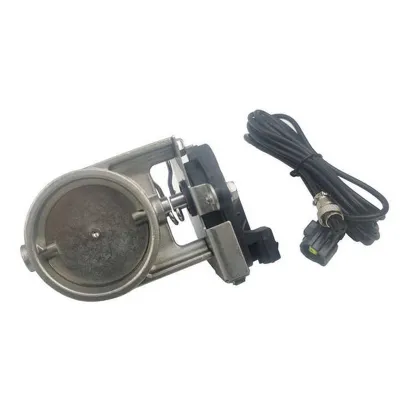
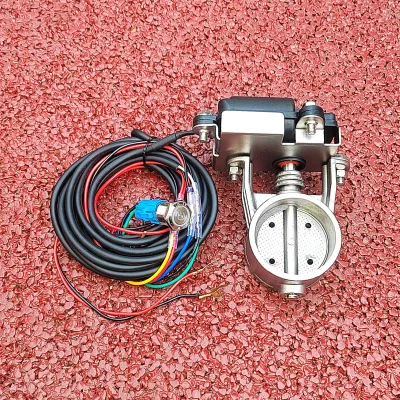
Prices are valid at publication and may change. Please refer to the product page for the latest price.
The system relies on three core physical components to function properly. First is the specialized exhaust pipe section, which houses the internal butterfly valve. This valve acts as a gatekeeper within the pipe, rotating to block or allow gas flow. Second is the electronic servo actuator, a high-torque electric motor mounted on the outside of the pipe that physically turns the valve shaft. Third is the control interface, which can range from a simple wireless remote control key fob or a Bluetooth-enabled smartphone application to a sophisticated engine control unit (ECU) link.
For many riders, the primary benefit of installing a valvetronic exhaust module is ultimate versatility. You can maintain a quiet, street-compliant tone to avoid disturbing your neighbors or attracting unwanted law enforcement attention in quiet residential areas. Once you reach the track or an open highway, you can instantly open the valve to unleash a louder, high-performance exhaust note without needing to physically swap out any exhaust components.
How the Electronic Valve Controls Exhaust Sound
The magic of a valvetronic system lies in how it redirects exhaust gases to manipulate sound waves. When the valve is closed, the system operates in “quiet mode.” In this state, the butterfly valve blocks the direct, high-volume path through the exhaust pipe. This restriction forces the exhaust gases to travel through a secondary, longer route containing heavily baffled chambers, mufflers, or resonators. As the sound waves bounce through these internal chambers, their energy dissipates, significantly reducing overall decibels and minimizing the low-frequency drone that can cause rider fatigue during long highway journeys.

Conversely, switching the system to “loud mode” rotates the butterfly valve ninety degrees to its fully open position. This action creates a straight-pipe effect, offering the path of least resistance for escaping gases. By bypassing the restrictive baffled chambers, the exhaust backpressure drops dramatically. The raw, unfiltered exhaust pulses exit the tailpipe directly, maximizing the sound volume and delivering a sharp, aggressive tone that reflects the true firing interval of the engine.
The physical transition between these two modes depends entirely on the actuator mechanics. The electronic servo motor must execute precise, high-torque rotations to overcome the constant pressure of exiting exhaust gases. Because the exhaust system is subjected to intense heat and constant engine vibrations, the actuator’s internal gears and linkage must operate smoothly. Any play or misalignment in the valve shaft can lead to annoying metallic rattling sounds or physical exhaust leaks, which quickly ruin the acoustic experience.
Key Specifications to Evaluate Before Buying
Selecting the right valvetronic exhaust module requires careful evaluation of technical specifications to ensure compatibility and durability. The control interface is your primary point of interaction with the system. Handheld wireless remotes are highly popular for their simplicity, allowing you to open or close the valve with a simple button press. Bluetooth smartphone apps offer more customization, sometimes allowing you to set specific valve angles. The most advanced option is an RPM- or throttle-position-linked controller that connects to your motorcycle’s OBD port or ECU. While these automatic systems offer hands-free operation by opening the valve only under heavy acceleration, they require complex electrical wiring and strict system compatibility checks.
You must also verify the physical dimensions, specifically the valve size and pipe diameter. The module’s internal valve diameter must perfectly match your motorcycle’s existing exhaust header or mid-pipe. Attempting to force a mismatch by using crude adapters can create artificial flow bottlenecks when the valve is open, which can hurt engine performance. Mismatched pipe diameters also increase the risk of exhaust leaks at the joint clamps or weld points.
Material and build quality are critical, especially under the demanding environmental conditions of the Philippines. The intense tropical humidity, heavy seasonal rains, and road salt can quickly corrode inferior metals. Look closely at the product label for premium material claims, such as high-grade 304 stainless steel or titanium. When you receive the product, visually inspect the weld quality along the pipe joints and check for robust heat shielding around the electronic actuator motor. High temperatures radiating from the exhaust pipe can easily cook an unprotected servo motor.
Finally, always check for a reliable fail-safe mechanism. Electronic components can fail, fuses can blow, and wiring can occasionally break. A high-quality valvetronic module should feature a mechanical default position—usually held open or closed by a heavy-duty return spring—should the actuator lose electrical power. This design ensures that if the electronics fail mid-ride, the valve will not get stuck in a semi-closed position that could choke the engine, cause excessive backpressure, and lead to sudden stalling.
Installation, Legal, and Maintenance Boundaries
Installing a valvetronic exhaust module is not a simple plug-and-play job. Because these systems often require cutting a section out of your original exhaust pipe, welding new mounting flanges, and routing electrical wires close to hot engine components, professional installation is highly recommended. Properly wiring the actuator to your motorcycle’s battery or ECU requires clean routing to prevent electrical shorts, wire melting, or fire hazards. Before beginning any work, always consult your motorcycle’s original manufacturer instructions and review the module’s installation manual. If these instructions conflict, stop and seek help from a certified motorcycle technician.
Riders must also weigh the warranty and road legality implications of this modification. Modifying your factory exhaust system can void your motorcycle manufacturer’s powertrain warranty. Furthermore, you must verify local traffic regulations in your area, such as those enforced by the Land Transportation Office (LTO) in the Philippines. Many cities enforce strict decibel limits on public roads, and operating an excessively loud exhaust with the valve open in designated quiet zones can result in heavy fines or vehicle impoundment. Ensure your system’s quiet mode complies with local noise limits before riding on public streets.
Keeping the system functional requires basic, low-risk routine maintenance. Periodically inspect the external valve hinge and clean away any road grime or carbon buildup that could cause the valve to stick. Check that the actuator wiring harness remains securely fastened and routed away from the hot exhaust pipes. While riding, listen closely for any unusual metallic rattling or whistling sounds, which could indicate a loose valve plate or a failing seal. If you notice the valve sticking, sluggish operation, or an error light on your controller, do not attempt to force the mechanism open; stop riding and consult a qualified mechanic to diagnose the issue.
Frequently Asked Questions (FAQ)
Can I install a valvetronic exhaust module on any motorcycle?
While universal weld-in valvetronic kits are widely available on online marketplaces, they are not truly universal in practice. Proper fitment depends entirely on your motorcycle’s specific pipe diameter, the physical clearance available around the mid-pipe to mount the bulky actuator motor, and whether your electrical system can handle the additional power draw of the servo. Always verify the manufacturer’s specific fitment guide or consult a professional fabricator before making a purchase.
Does opening the valve increase horsepower?
Opening the valve reduces exhaust backpressure and improves high-RPM gas flow, but this does not automatically guarantee a noticeable increase in horsepower. Real-world performance gains depend heavily on your engine’s internal tuning, fuel mapping, and overall exhaust design. To unlock actual performance benefits from the increased airflow, you will typically need to perform a corresponding ECU remapping or install a fuel controller to optimize the air-fuel mixture.
Community discussion
Share your experience or ask a question. Comments are reviewed before publication.