
Quick Answer: Which Car Phone Holder Mount is Right for You?
Selecting the right holder for car use depends on your vehicle’s interior layout, your phone’s physical characteristics, and your daily driving environment. There is no single mount type that suits every driver, but matching your specific cabin conditions to the correct mounting mechanism ensures both safety and convenience on the road.
- Choose a vent clip mount if you want to keep your dashboard and windshield completely clear, prefer to keep your phone cool using your vehicle's air conditioning airflow, and have standard, rigid horizontal vent blades.
- Choose a suction cup mount if you prefer high-visibility placement on your windshield or a flat section of your dashboard, require a highly adjustable telescopic arm for precise positioning, and have smooth, non-porous surfaces available.
- Choose a magnetic mount if you prioritize rapid, one-handed mounting and removal, want a low-profile aesthetic that does not clutter your dashboard, and do not mind attaching a metal plate or using a magnetic-compatible phone case.
Ultimately, your final decision must account for your vehicle’s specific dashboard texture, the structural design of your air vents, and local traffic safety regulations regarding device placement.
Vent Clip Mounts: Best for Airflow and Dash Clearance
Vent clip mounts attach directly to the slats of your vehicle’s air conditioning vents. This design keeps your dashboard and windshield completely unobstructed, preserving your forward field of view. For drivers operating in tropical climates, such as the humid environment of the Philippines, this mounting style offers a distinct advantage: the continuous stream of cool air from the air conditioner helps counteract the high thermal load generated by smartphones running GPS navigation and charging simultaneously.
Products mentioned in this guide
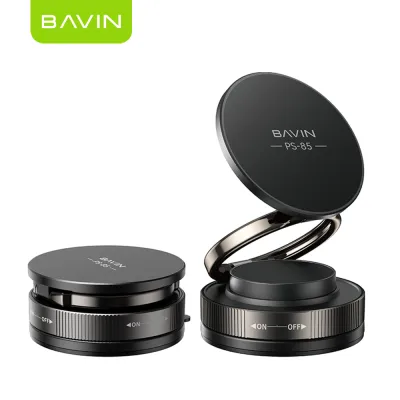
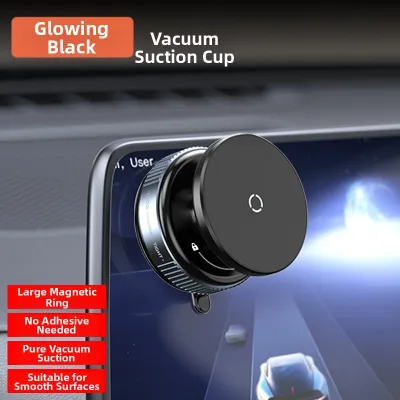
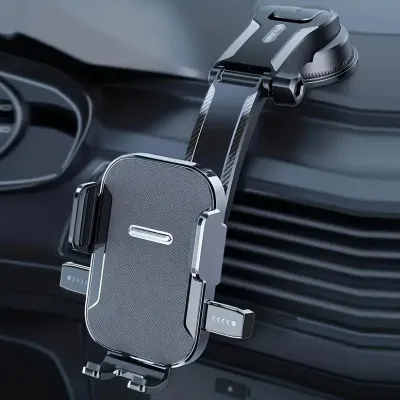
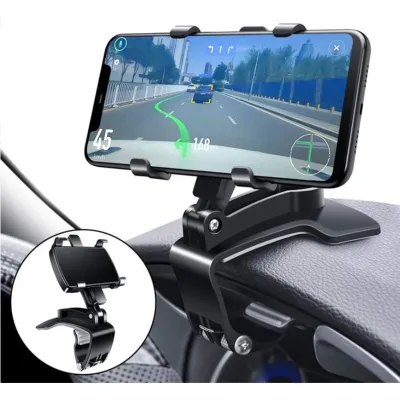
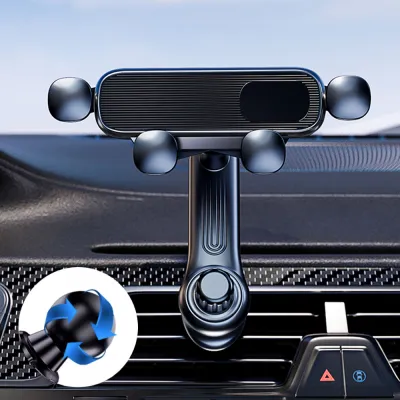
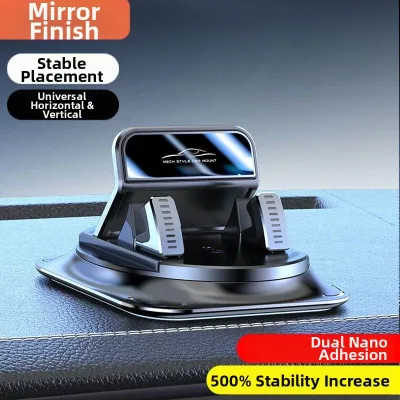
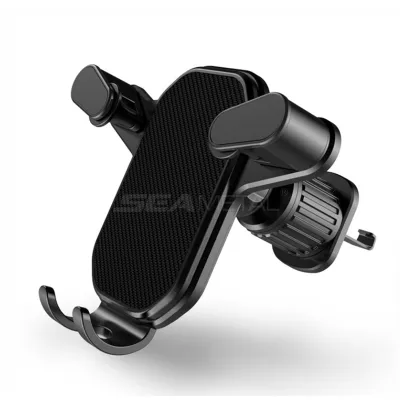
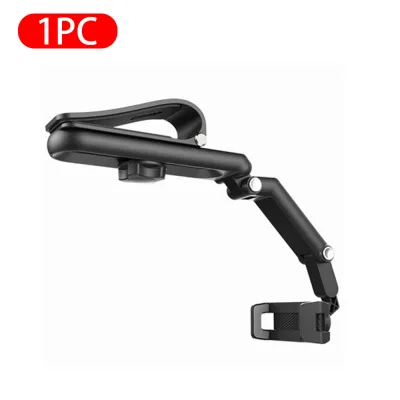
Prices are valid at publication and may change. Please refer to the product page for the latest price.

However, the stability of a vent mount depends heavily on the design of your vehicle’s vent blades. Standard horizontal blades that are rigid and deep provide the most secure foundation. If your vehicle features circular, vertical, or highly angled vent designs, standard clips may slide, sag, or fail to grip entirely. Heavy smartphones can also cause the vent blades to point downward under the weight, requiring a mount with an auxiliary support kickstand or brace to distribute the load against the surrounding dashboard trim.
Another critical consideration is how the mount affects your cabin comfort. A vent-mounted phone inevitably blocks a portion of the airflow from that specific register. While this is highly beneficial for cooling down a hot device, it reduces the direct air reaching the driver or passenger. Additionally, if you travel to colder regions or use your vehicle’s heater during chilly rainy-season nights, you must close the specific vent holding the phone to prevent hot air from blowing directly onto the device, which can cause rapid battery degradation or thermal shutdown.
Installation and removal of vent clip mounts are exceptionally straightforward. Most designs use either a spring-loaded tension clip or a manual screw-tightening hook that clamps onto a single blade. Because they do not rely on adhesives or suction, they leave absolutely no sticky residue or marks behind. This makes them highly portable and an excellent choice for drivers who frequently switch between different vehicles or use rental cars.
Suction Cup Mounts: Best for Windshield and Flexible Positioning
Suction cup mounts offer unparalleled flexibility in where you can position your device. By utilizing a vacuum seal, these mounts can attach to your windshield or flat, non-porous sections of your dashboard. Many modern suction mounts feature a telescopic arm that extends and pivots, allowing you to bring the phone closer to your reach or adjust the angle to eliminate distracting glare from the tropical sun.
Adhesion reliability is the primary challenge for suction cup systems, particularly in hot climates. When a vehicle is parked outdoors under direct sunlight, interior cabin temperatures can rise dramatically. This extreme heat can cause the air inside the suction chamber to expand, breaking the vacuum seal. Furthermore, many suction cups feature a sticky polyurethane gel pad designed to fill the microscopic gaps in textured dashboards. Over time, intense heat and humidity can degrade this gel, making it gooey or reducing its structural integrity, which leads to the mount falling off unexpectedly.
Visibility is another crucial factor when choosing a suction cup mount. Placing a large smartphone directly on the windshield can create a significant blind spot, especially near the A-pillars or the center of the glass. Drivers must carefully position the mount to ensure it does not obstruct their view of pedestrians, intersections, or side mirrors. It is generally safest to mount the base low on the windshield or on the dashboard so the phone sits just above or level with the instrument cluster.
To maintain a secure grip over time, the mounting surface must be meticulously prepared. Before installation, clean the glass or dashboard thoroughly with isopropyl alcohol to remove dust, oils, and dashboard protectants. If the mount begins to sag or lose its grip, the suction pad itself must be cleaned and restored rather than simply pressed back onto a dirty surface.
Magnetic Mounts: Best for Quick Access and Minimalist Setup
Magnetic car phone mounts are favored for their minimalist design and unmatched ease of use. Instead of adjusting mechanical side clamps or cradle arms every time you enter or exit your vehicle, you simply place your phone against the magnetic faceplate. The magnetic force instantly aligns and secures the device, allowing for seamless one-handed operation in both portrait and landscape orientations.
The holding power of a magnetic mount depends on three main variables: the strength of the magnets inside the mount, the weight of your smartphone, and the thickness of your phone case. Standard magnetic mounts require a thin metal plate to be adhered directly to the back of your phone or tucked inside your case. If you use a thick, heavy-duty protective case, the distance between the metal plate and the magnetic mount increases, which exponentially reduces the magnetic attraction. On bumpy roads, rough concrete, or when passing over speed bumps, a weak magnetic connection can cause your phone to slip off and fall into the footwell.
If you use wireless charging at home or in your vehicle, the placement of the metal plate requires careful planning. A solid metal plate placed directly over the phone’s internal induction coils will block wireless charging and can cause the plate to heat up rapidly, posing a safety hazard. To avoid this, you must position the plate near the bottom of the phone, use a case with integrated magnetic alignment rings designed for wireless charging, or opt for a specialized magnetic mount that features built-in wireless charging coils.
Safety is another key consideration when positioning a magnetic mount. Because these mounts are often small and unobtrusive, it can be tempting to place them on various trim pieces around the dashboard. However, you must ensure that neither the mount nor the phone is positioned within the deployment zone of any passenger or driver airbags. In the event of a collision, an airbag deploying at high speed can turn a magnetically attached phone into a dangerous high-velocity projectile inside the cabin.
Head-to-Head Comparison: Stability, Visibility, and Ease of Use
To help you decide which system fits your daily drive, the table below summarizes how these three mounting types perform across key operational categories:
| Feature | Vent Clip Mount | Suction Cup Mount | Magnetic Mount |
|---|---|---|---|
| Primary Mounting Location | Air conditioning vent blades | Windshield glass or flat dashboard | Vents, dashboard, or CD slot |
| Stability on Rough Roads | Moderate (depends on vent rigidity) | High (when vacuum seal is fresh) | High (requires strong magnetic contact) |
| Field of View Obstruction | Extremely low (keeps dash/glass clear) | Moderate to high (can block windshield) | Low (compact footprint) |
| Installation Effort | Very low (tool-free clip or hook) | Moderate (requires surface cleaning) | Low to moderate (requires metal plate) |
| One-Handed Operation | Moderate (requires squeezing clamps) | Moderate (requires mechanical release) | Extremely high (instant tap-and-go) |
| Heat Exposure Risk | Low (cooled by AC airflow) | High (exposed to direct sunlight) | Variable (depends on mounting location) |
| Average Price Range | ₱300 – ₱1,000 | ₱500 – ₱1,500 | ₱400 – ₱1,200 |
While mechanical clamps provide a physical, wrap-around grip that physically prevents the phone from falling even during severe jolts, they require two hands or a mechanical trigger button to release. Magnetic mounts trade away that absolute mechanical security for speed, relying entirely on magnetic flux to hold the device. For most daily city driving, high-quality magnetic mounts provide more than enough holding power, but off-road enthusiasts or drivers navigating heavily potholed roads often prefer the physical security of a mechanical clamp.
There are specific vehicle conditions where standard versions of these mounts may fail to work entirely. For instance, if your vehicle features a highly textured, leather-wrapped dashboard, a suction cup will not be able to form a vacuum seal. Similarly, if your car has circular vents with thin, fragile blades, a vent clip can damage the mechanism or constantly flop downward. In these scenarios, specialized solutions—such as custom-molded dashboard brackets or CD slot mounts—may be required.
How to Verify Vehicle Compatibility and Safety Before Buying
Before purchasing a holder for car use, perform a physical audit of your vehicle’s cabin. Run your hand over your dashboard to check the texture; if it is rough, pebbled, or made of soft leather, rule out dashboard-mounted suction cups unless you plan to use an adhesive mounting disk. Inspect your air vents by gently pressing on the blades to check their sturdiness. If the blades feel flimsy or rotate too freely, a vent clip mount will likely sag and point your phone toward the floor.
Next, consider local traffic safety laws. In the Philippines, the Anti-Distracted Driving Act (ADDA) strictly regulates the placement of mobile devices within a vehicle. Under these guidelines, any device mounted on the windshield or dashboard must not fall within the driver’s direct line of sight. The “line of sight” is generally defined as the area directly above the dashboard line. Placing a tall suction cup mount right in the middle of your windshield can result in significant fines. To stay compliant, look for mounts that allow you to position the phone below the top edge of the dashboard.
Finally, map out your cabin’s safety equipment and controls. Ensure that your chosen mounting location does not block your hazard light button, climate control dials, or the view of your instrument cluster. Most importantly, consult your vehicle’s owner’s manual to locate the exact deployment paths of your dashboard and side-curtain airbags. Never mount a phone holder on or directly adjacent to panels marked “SRS Airbag,” as a deploying airbag will launch the mount and phone directly at cabin occupants.
Frequently Asked Questions (FAQ)
Do magnetic car phone holders damage smartphone internals?
Modern smartphones are highly resilient against the magnetic fields produced by consumer car mounts. These mounts utilize compact neodymium magnets that do not generate enough magnetic force to affect solid-state flash memory or damage internal processors. Your data, applications, and battery life will remain completely unaffected by daily use on a magnetic mount.
However, you may experience temporary interference with specific sensor-based features while the phone is actively attached to the mount. The phone’s internal digital compass (magnetometer) will be temporarily disrupted, which can cause navigation apps to lose track of your precise facing direction until you remove the phone from the magnet. Additionally, some optical image stabilization (OIS) systems in phone cameras can experience minor, temporary jitter if placed near exceptionally strong magnetic fields, though this resolves once the phone is detached.
How do I clean a suction cup mount that has lost its stickiness?
If your suction cup mount keeps falling off the windshield or dashboard, it is usually because microscopic dust, lint, and cabin oils have coated the sticky polyurethane gel pad, preventing it from forming an airtight seal. You can easily restore the adhesion by removing the mount from your car and rinsing the gel pad under warm, running tap water. Gently wash away any debris using your fingers; do not use abrasive sponges, dish soaps, or alcohol-based cleaners, as these can permanently strip or dissolve the sticky gel coating.
Once clean, shake off the excess water and allow the suction cup to air dry completely. Do not wipe it dry with a towel or paper napkin, as this will immediately reintroduce lint to the sticky surface. Once fully dry, the gel pad will regain its original tackiness. If the suction cup has become permanently deformed, cracked, yellowed from UV exposure, or if the gel has begun to liquefy due to extreme tropical heat, the material has degraded past the point of recovery and the mount must be replaced.
Community discussion
Share your experience or ask a question. Comments are reviewed before publication.