
Deciding whether to upgrade from the Voltron NMAX V1 to the V2 accessories for your Yamaha NMAX is a practical decision that hinges on your current gear’s physical condition, your daily riding environment, and your specific commuting requirements. If your existing V1 setup remains structurally sound, securely holds your devices or luggage, and shows no signs of severe wear, keeping it is highly practical. However, if you frequently navigate rough roads, face heavy tropical downpours, or notice excessive vibration that threatens your device’s safety, transitioning to the V2 version can offer valuable improvements. This guide outlines how to evaluate your current setup, verify key specifications, calculate the true cost of upgrading, and maintain your existing gear to ensure a safe and reliable daily ride.
How to Evaluate if Voltron NMAX V2 Fits Your Riding Needs
To make an informed decision, begin by conducting a thorough physical inspection of your existing Voltron V1 accessories. Examine the mounting brackets, joints, and clamping mechanisms for any signs of structural fatigue, such as hairline cracks, stripped threads, or loose fittings. In the Philippines, daily exposure to intense solar heat, high humidity, and sudden torrential rains can accelerate the degradation of plastics and cause low-grade metals to rust. If your V1 phone mount or bracket has developed a noticeable wobble or if the locking mechanism requires constant manual adjustment during your commute, these are clear indicators that the gear is reaching the end of its reliable service life.
Next, identify the specific pain points in your daily commute that your current setup fails to resolve. For instance, if you frequently ride on uneven asphalt or gravel roads, excessive handlebar vibration can damage your smartphone’s internal optical image stabilization system. If your V1 setup lacks adequate vibration isolation, this is a functional gap that directly impacts your expensive personal devices. Additionally, consider your security needs during quick stops; if your current gear lacks a quick-locking or anti-theft mechanism, you may find yourself constantly detaching and reattaching your accessories, adding unnecessary hassle to your daily routine.
Products mentioned in this guide
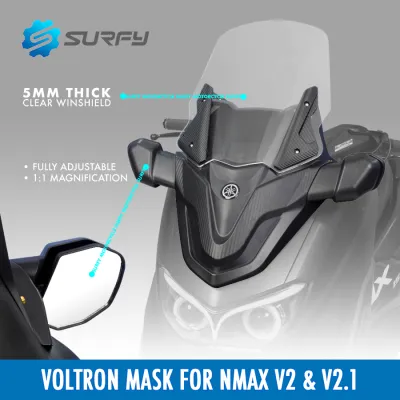
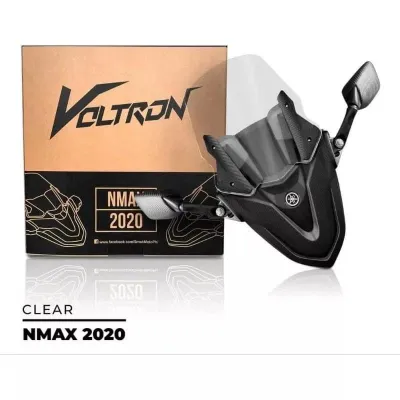
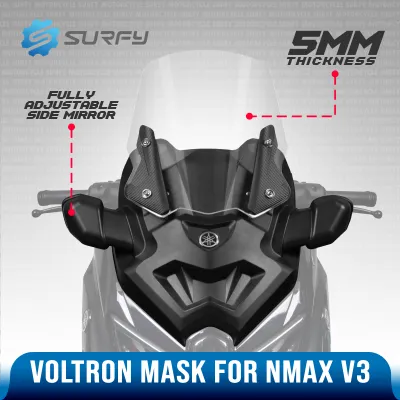
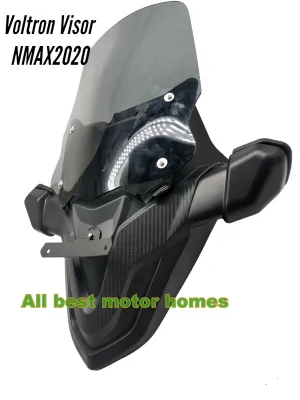
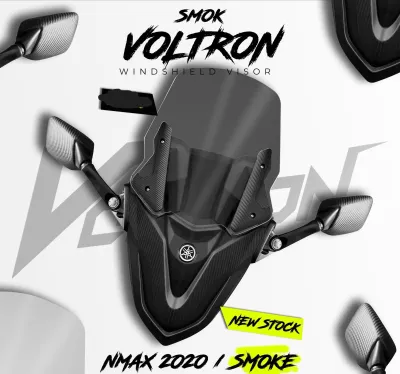
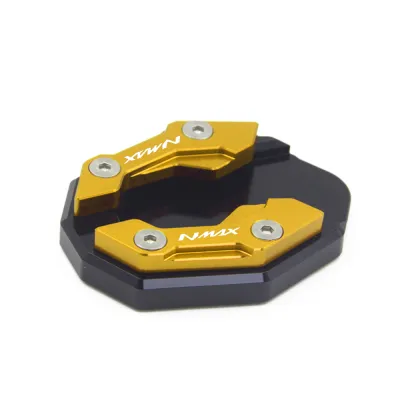
Prices are valid at publication and may change. Please refer to the product page for the latest price.
Finally, establish a clear budget limit and assess your willingness to perform the physical installation yourself. Upgrading to new accessories involves not only the purchase price of the V2 units but also potential costs for mounting adapters, specialized tools, or professional labor. If you prefer a plug-and-play experience and have a limited budget, you must weigh whether the incremental features of the V2 justify the total financial outlay. Conversely, if you enjoy hands-on maintenance and have the necessary tools, the transition may be more straightforward, provided you follow the manufacturer’s installation guidelines closely.
Key Specifications to Verify Before Upgrading to V2
Before purchasing any Voltron V2 accessory, it is essential to verify the exact product specifications on the packaging or the manufacturer’s official store. Pay close attention to the material and build quality documented by the brand. Look for official labels indicating the use of high-grade materials, such as CNC-machined aluminum alloys, stainless steel hardware, or UV-resistant plastics. These material upgrades are critical for enduring the harsh tropical climate of the Philippines, where salt-laden air in coastal areas and heavy monsoon rains can quickly corrode inferior metals and weaken brittle plastics.

Mounting and compatibility must be verified with extreme care to avoid purchasing incompatible parts. The Yamaha NMAX has undergone several design iterations across different model years, and aftermarket accessories must align perfectly with your scooter’s specific fairing shapes and mounting points. Check the product documentation to confirm whether the Voltron V2 accessory is designed for your exact NMAX model year. Verify if the V2 system requires proprietary brackets, different screw sizes, or if it necessitates any permanent modifications, such as drilling into the plastic fairings or altering the original handlebar configuration.
Furthermore, look for manufacturer-stated functional upgrades that address safety and usability. Check if the V2 version features integrated vibration damping technologies, such as high-density rubber inserts or spring-loaded shock absorbers, which help protect sensitive electronics from road-induced shocks. Review the documented load capacity ratings if you are upgrading a top box bracket or luggage rack, ensuring it can safely support your daily cargo. Security mechanisms, such as tamper-resistant screws or dual-locking clamps, should also be verified to protect your accessories from opportunistic theft when parked in public spaces.
Calculating the True Cost and Installation Effort
Transitioning from the V1 to the V2 system requires a realistic calculation of both financial costs and physical effort. Start by comparing the retail price of the V2 accessories against the remaining usable life and market value of your V1 gear. If your V1 accessories are still in excellent condition, selling them to another rider in the local motorcycle community can help offset the cost of the upgrade. However, if the V1 gear is heavily worn or damaged, its resale value will be negligible, meaning you must absorb the full retail price of the V2 system.
Do not overlook the potential cost of professional installation, especially if the V2 mounting system differs significantly from the V1 design. For complex accessories like heavy-duty crash guards, auxiliary light brackets, or integrated electrical mounts, professional installation at a reputable motorcycle shop is highly recommended. A qualified mechanic can ensure that all bolts are torqued to the correct specifications and that any electrical connections are safely integrated without compromising your Yamaha NMAX’s factory wiring harness or voiding its warranty. Budgeting for this professional service ensures a safer installation and peace of mind on the road.
Additionally, consider the time and effort required to safely decommission your old setup. Removing V1 accessories often involves dealing with stubborn adhesives, rusted brackets, or stripped hardware that has been exposed to the elements for months or years. Safely extracting these components without scratching the scooter’s paint or damaging the underlying plastic fairings requires specialized tools, such as heat guns, thread lockers, and plastic-safe adhesive removers. Factoring in these preparation steps will give you a more accurate picture of the total effort required for the upgrade.
When to Keep Your V1 Setup and When to Switch
Deciding whether to stick with your current setup or make the leap to the V2 version comes down to a clear, condition-based assessment. You should confidently stick with your V1 setup if it remains structurally sound, holds your gear securely, and shows no signs of material degradation. If the differences introduced in the V2 version are primarily cosmetic—such as new color options, minor styling tweaks, or non-essential branding updates—the upgrade is unlikely to provide a meaningful return on investment for a practical daily commuter.
On the other hand, upgrading to the Voltron V2 is the correct path when your V1 gear shows signs of irreversible wear or structural compromise. If you observe deep cracks in the plastic mounts, severely rusted joints, or a clamping mechanism that no longer holds your phone or luggage securely, continuing to use the accessory poses a direct safety risk to your belongings and other road users. Upgrading is also justified if the V2 introduces critical, documented safety features that your V1 lacks, such as a secondary locking system or significantly improved vibration isolation that prevents device damage.
If the V2 version has only recently been released, the wisest course of action is often to wait and monitor its real-world performance. Newly launched accessories have not yet been subjected to long-term testing by the wider riding community. By waiting a few months, you can monitor online forums and local rider groups to see how the V2 holds up against the daily rigors of local roads, heavy rains, and prolonged sun exposure. This feedback will help you verify if the manufacturer’s claims translate into actual durability before you spend your hard-earned money.
How to Maintain and Optimize Your Current V1 Gear
If you decide that upgrading is not necessary at this time, you can significantly extend the lifespan and safety of your V1 accessories through regular maintenance. Perform routine cleaning and detailed inspections of all mounting points, screws, and contact surfaces at least once a month. Use a mild soap and warm water solution to wash away road grime, salt residue, and dirt that can trap moisture and accelerate corrosion. Avoid using harsh chemical solvents or abrasive pads, as these can strip away protective anodized coatings or degrade plastic components.
After cleaning, inspect all hardware and re-tighten any loose bolts to the manufacturer’s recommended torque specifications. Over time, engine vibrations and rough roads can gradually back screws out of their threads. To prevent this, consider applying a small drop of medium-strength thread-locking fluid to the bolt threads before reassembly. Additionally, inspect the rubber grommets, washers, and vibration dampers on your mounts; if they appear cracked, dry-rotted, or compressed, replace them immediately with fresh rubber components to restore the mount’s dampening capabilities.
When performing minor cosmetic fixes or removing old adhesive residue from your Yamaha NMAX, always prioritize the safety of your motorcycle’s bodywork. Use a plastic-safe, citrus-based adhesive remover to soften stubborn tape residue, and gently wipe it away with a microfiber cloth. Never use metal scrapers, steel wool, or harsh chemicals like acetone, which can permanently melt ABS plastic fairings and ruin the paint finish. Taking these careful, preventative steps ensures your V1 gear remains secure, functional, and visually appealing for many more kilometers.
Frequently Asked Questions (FAQ)
Can I mix Voltron V1 and V2 accessories on the same Yamaha NMAX?
Mixing different generations of accessories on a single motorcycle is generally not recommended unless the manufacturer explicitly states they are cross-compatible. While some universal components, such as basic handlebar clamps, may share similar dimensions, the structural brackets, interlocking interfaces, and mounting points are often redesigned between versions. Attempting to force a V2 accessory onto a V1 bracket can lead to improper alignment, excessive vibration, or mechanical failure under load. Always consult the manufacturer’s official compatibility charts or contact an authorized dealer to verify if specific parts can be safely mixed before making a purchase.
Does upgrading to V2 void the Yamaha NMAX warranty?
Installing aftermarket accessories like the Voltron V2 generally does not void your Yamaha NMAX’s overall vehicle warranty, provided the installation does not require splicing into the factory electrical wiring or making permanent structural modifications to the frame. However, if an aftermarket accessory is installed incorrectly and directly causes damage to a factory component—such as an overloaded bracket cracking a fairing or an improperly wired auxiliary light causing an electrical short—the warranty coverage for those specific damaged parts will likely be denied. To protect your warranty, always follow the original-vehicle instructions, use non-destructive mounting methods, and consult your local authorized Yamaha dealership if you have any doubts about specific modification policies.
Community discussion
Share your experience or ask a question. Comments are reviewed before publication.