
Achieving crystal-clear, streak-free car glass is a highly satisfying yet challenging part of vehicle detailing. The choice of cleaning cloth plays a decisive role in whether you end up with a flawless view or a windshield covered in hazy residue and distracting lint. While both waffle weave glass cloths and plush microfiber towels have dedicated places in a detailer’s kit, they serve distinct functions based on their physical construction. Understanding how these textures interact with glass cleaners and road grime is the key to choosing the right tool for each specific cleaning task.
Understanding Waffle Weave and Plush Microfiber Textures
To understand why these cloths perform differently, one must look closely at their physical structures. A waffle weave glass cloth features a distinct, repeating grid pattern that resembles a kitchen waffle or honeycomb. This texture is created by weaving polyester and polyamide fibers into raised ridges and recessed channels. The mechanical design of these ridges allows the cloth to glide across glass with minimal surface tension while trapping dirt and moisture within the recessed pockets. Because the fibers are woven tightly and kept relatively flat, there are no loose, exposed yarn tips to shed or snag on glass imperfections.
In contrast, plush microfiber towels are characterized by a high-pile, dense fiber structure. The individual fibers are split and left long, creating a soft, deep cushion that feels exceptionally gentle to the touch. This high-pile design is engineered to lift and hold dust, loose debris, and light contaminants deep within the fabric, away from the surface being wiped. The loft of a plush towel provides a cushioning effect that reduces the risk of scratching delicate surfaces, making it a staple for paint care and interior detailing.
Products mentioned in this guide
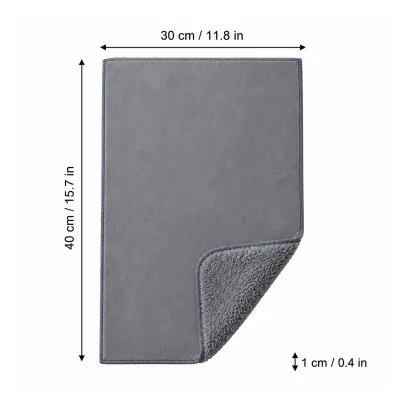
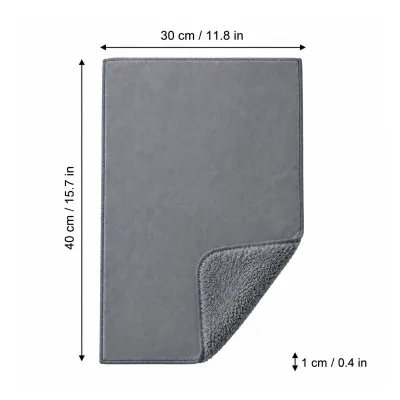
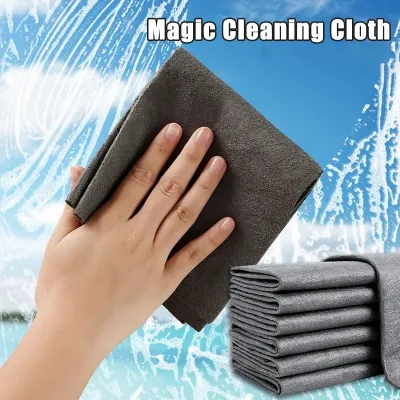
33 Lazada user ratings
This is cheap Looks ordinary
I did not receive this item.
kulang ng isa
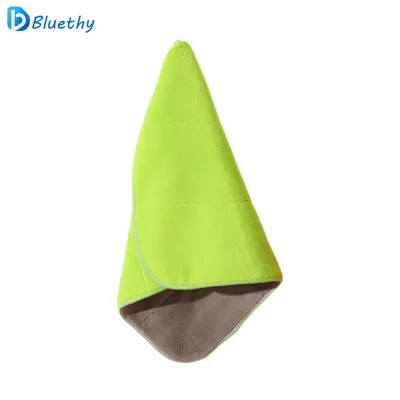
Prices are valid at publication and may change. Please refer to the product page for the latest price.
However, the performance of either cloth is not determined by its texture alone. Manufacturing quality, the specific blend of synthetic fibers—typically a ratio of polyester for scrubbing power and polyamide for water absorption—and the type of edge binding play critical roles. For instance, a towel with rough, heat-cut edges or cheap polyester overlock stitching can scratch delicate window tints or glass coatings. Detailers should verify these specifications on the product label, looking for soft silk, suede, or edgeless designs to ensure safe contact with all automotive surfaces.
Comparing Performance Dimensions on Car Glass
When evaluating these two textures on car glass, several performance dimensions come into play, starting with moisture and solution control. A waffle weave pattern is highly efficient at managing liquid glass cleaners. As you wipe, the raised ridges scrape the liquid across the glass, while the recessed channels draw the excess moisture away from the surface, preventing the pooling that often leads to evaporation lines and streaks. Plush microfiber, while highly absorbent, tends to hold liquid throughout its entire high-pile structure. If a plush towel becomes oversaturated, it can easily release moisture back onto the glass under the pressure of your hand, leaving behind a thin film of cleaner that dries into unsightly streaks.

Linting is another critical factor that determines glass clarity. High-pile plush towels consist of millions of tiny, exposed fiber ends. When dragged across dry glass or rough window seals, these fibers can catch, break off, and leave behind a fine layer of lint that becomes highly visible under direct sunlight. Waffle weave cloths, with their flat, continuous loop construction, are inherently low-lint. They do not have loose fiber tips to shed, making them much more reliable for achieving a truly transparent finish. To minimize linting with either fabric, choosing an edgeless design or a towel with premium microfiber binding is highly recommended.
Agitation and dirt removal require a balance between scrubbing power and surface safety. The textured ridges of a waffle weave cloth provide mild mechanical agitation, which is highly effective at breaking down stubborn road film, bug splatter, and dried water spots on exterior glass. Plush microfiber, on the other hand, lacks this scrubbing texture but offers excellent gentleness. This makes plush towels highly suitable for delicate interior glass, aftermarket window tints, and sensitive infotainment screens where aggressive scrubbing could cause micro-scratches or swirl marks.
Choosing the Right Cloth for Your Detailing Needs
Selecting the right cloth depends on the specific detailing task at hand and the condition of the vehicle’s glass.
Choose a waffle weave glass cloth if you are focusing on exterior glass maintenance, tackling heavy road grime, or performing the final drying phase on large windshields. Its ability to channel moisture and resist linting makes it the ideal choice for clearing away the stubborn film left by road spray and environmental fallout. If you frequently wash your vehicle outdoors or live in an area prone to hard water spots, a waffle weave cloth will help you dry the glass quickly before mineral deposits can form.
Choose a plush microfiber towel if you are working on the vehicle’s interior. Interior glass is rarely subjected to heavy road grime but frequently accumulates dust, off-gassing plastic residues, and fingerprints. A plush towel is perfect for gently lifting these light contaminants without scratching delicate interior plastics, instrument clusters, or sensitive infotainment screens. Furthermore, if your vehicle has aftermarket window tints, the soft, cushioned pile of a plush towel provides a safe barrier against accidental scratching.
Before starting any cleaning process, always verify the specific requirements of your vehicle’s materials. Check the manufacturer’s care instructions for aftermarket window tints, as some films are highly sensitive to abrasive textures and chemical cleaners. Additionally, ensure that the cloth you select is dedicated solely to glass cleaning; using a towel that has previously been used to buff wax, polish, or tire dressing can transfer oily residues to your windows, causing severe smearing that is incredibly difficult to remove.
Techniques for a Streak-Free Finish
Even a high-quality cloth can leave streaks if used with improper technique. To achieve a flawless, crystal-clear finish, professional detailers rely on systematic methods that maximize the efficiency of their towels.
The two-towel method is a highly effective technique for streak-free glass. Start by lightly misting your glass cleaner onto a clean, folded waffle weave cloth or directly onto the window. Use this first towel to agitate and lift the dirt from the surface. Immediately follow up with a second, completely dry waffle weave or low-pile microfiber towel to buff the glass dry. This second towel absorbs any remaining cleaning solution before it has a chance to evaporate and leave streaks.
Proper folding is equally important for maintaining clean contact surfaces. Instead of crumpling the towel into a ball, fold it in half and then in half again to create a neat square. This gives you eight distinct, clean faces to work with. As soon as one side becomes damp or soiled, flip or refold the towel to expose a fresh, dry section. This prevents you from simply spreading lifted dirt and oils back onto the glass.
When selecting a glass cleaner, always check the product label to ensure it is ammonia-free. This is particularly crucial in the Philippines’ hot and sunny climate, where high cabin temperatures can accelerate the chemical breakdown of window tint adhesives when exposed to harsh ammonia. Ammonia can also dry out rubber window seals, causing them to crack prematurely. If you encounter deep physical scratches, severe mineral etching, or failing window tint that is bubbling and peeling, stop cleaning and consult a professional detailing or glass restoration specialist, as these issues cannot be resolved with standard cleaning cloths.
Frequently Asked Questions (FAQ)
Can I use the same microfiber towel for car paint and glass?
It is highly recommended to keep your glass cleaning towels completely separate from those used on car paint. Towels used for paint care often accumulate residues from waxes, sealants, polishes, and quick detailers. Even after a thorough wash, trace amounts of these hydrophobic polymers can remain trapped in the fibers. If you use that same towel on glass, these residues will transfer to the window, creating a greasy smear that becomes highly visible and distracting, especially during night driving or rainy weather. Dedicate a specific set of waffle weave cloths solely for glass maintenance to prevent cross-contamination.
How should I wash and maintain my waffle weave glass cloth?
To maintain the absorbency and structure of your waffle weave glass cloths, wash them separately from other laundry items, especially cotton towels which shed lint. Use a dedicated microfiber wash detergent or a mild, liquid laundry detergent free of perfumes and dyes. Never use fabric softeners or dryer sheets, as these products coat the synthetic fibers with a silicone-based layer that severely reduces their water absorption and leads to immediate streaking on glass. Air dry the cloths in a clean, dust-free environment or tumble dry them on a very low heat setting, as excessive heat can melt the delicate synthetic fibers.

Community discussion
Share your experience or ask a question. Comments are reviewed before publication.