
Driving with a failing brake caliper is highly unsafe and poses an immediate risk to you, your passengers, and other road users. The brake caliper is a critical component of your vehicle’s hydraulic braking system, responsible for pressing the brake pads against the rotors to slow down or stop your vehicle. When a caliper malfunctions, it can cause unpredictable vehicle behavior, severely compromise your stopping power, or even lead to complete brake failure. If you suspect your vehicle has a faulty caliper, you should stop driving it immediately and have it inspected by a qualified professional.
In tropical climates like the Philippines, where heavy rain, high humidity, and flooded streets are common, the braking system is subjected to harsh operating conditions. Water, road grime, and heat can accelerate wear on brake components, making it even more critical to recognize the early warning signs of caliper failure. Understanding these symptoms and the associated safety risks will help you make informed decisions to keep your vehicle safe on the road.
Common Warning Signs of a Bad Brake Caliper
A failing brake caliper typically exhibits several distinct symptoms that you can observe through changes in vehicle handling, unusual sounds, physical sensations, or visual cues. Recognizing these signs early can prevent a minor mechanical issue from turning into a dangerous road hazard.
Products mentioned in this guide
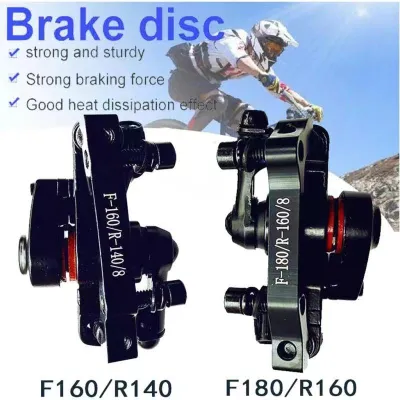
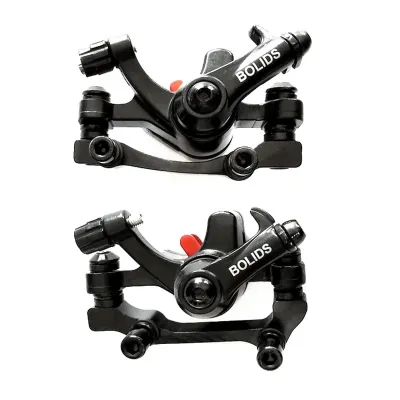
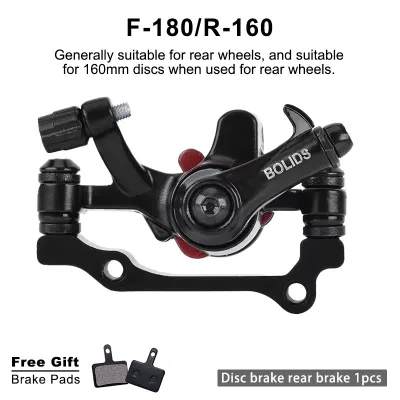
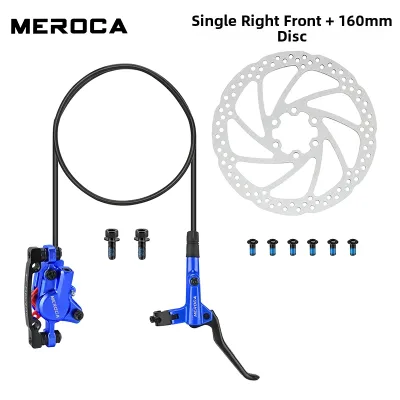
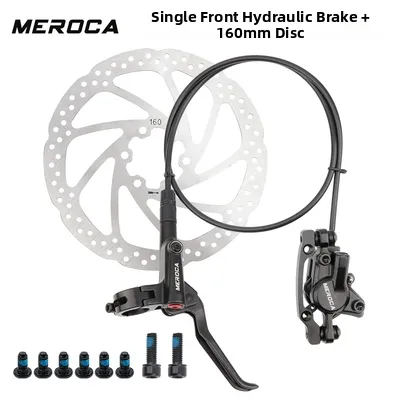
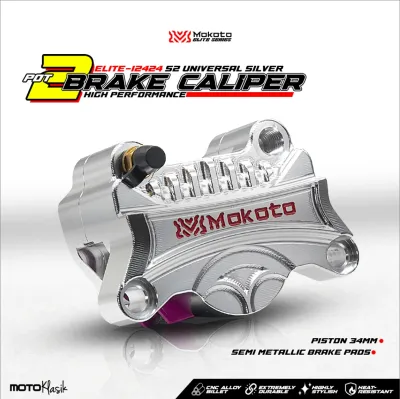
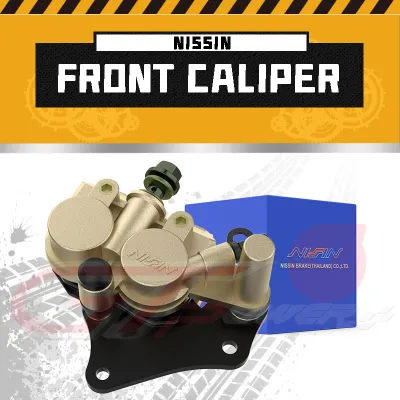
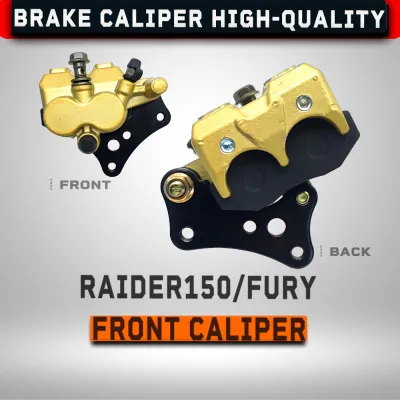
Prices are valid at publication and may change. Please refer to the product page for the latest price.
One of the most common indicators of a bad brake caliper is the vehicle pulling to one side during braking or even while driving normally. If a caliper piston becomes stuck in the extended position, the brake pad on that wheel remains in constant contact with the rotor. This creates continuous drag, causing the vehicle to pull toward the side with the stuck caliper. Conversely, if a caliper fails to engage, the vehicle may pull to the opposite side when you apply the brakes, as only one side is actively slowing the vehicle down.
Unusual noises emanating from the wheel area are another clear warning sign. A stuck caliper that keeps the brake pad pressed against the rotor will generate continuous friction, often resulting in a high-pitched squealing or squeaking sound even when you are not pressing the brake pedal. If the brake pad material has completely worn away due to constant contact, you may hear a harsh metal-on-metal grinding noise. In some cases, loose caliper mounting bolts or worn slider pins can cause a distinct clunking sound when you apply the brakes.
The intense friction generated by a stuck caliper also produces extreme heat, which often leads to a noticeable burning smell. This odor, resembling burnt rubber or hot metal, is a strong indicator that your brake pads or brake fluid are overheating. If you notice a burning smell coming from any of your wheels after driving, it is crucial to stop and inspect the area, as excessive heat can damage other wheel assembly components and degrade brake fluid performance.
Changes in the feel of your brake pedal should never be ignored. A failing caliper can cause the brake pedal to feel unusually spongy, soft, or require you to push it all the way to the floor to slow down. This sponginess often occurs when a caliper seal leaks, allowing brake fluid to escape and air to enter the hydraulic lines. Alternatively, a seized piston might cause the pedal to feel exceptionally stiff, requiring much more physical effort than usual to engage the brakes. You might also experience excessive vibration through the pedal if the constant heat from a stuck caliper has warped the brake rotor.
Visual inspections can provide concrete evidence of caliper failure. During a basic wheel inspection, look for signs of wetness or dripping fluid around the caliper body, piston seal, or bleeder screw. Brake fluid leaks compromise hydraulic pressure, which directly reduces braking efficiency. You should also look through the wheel spokes to check the thickness of your brake pads; if the pads on one side of the axle are significantly more worn than the ones on the other side, it strongly suggests a sticking caliper.
Safety Risks of Driving With a Faulty Brake Caliper
Continuing to drive with a compromised brake caliper introduces severe safety risks that escalate rapidly with every kilometer driven. The mechanical consequences of a failing caliper directly impact your ability to control the vehicle, especially during sudden stops or in adverse weather conditions.

The most immediate risk is a significant increase in stopping distances. When a caliper fails to apply equal pressure to the brake pads, your vehicle loses a portion of its overall braking capacity. In emergency situations where every meter counts, this reduction in braking efficiency can mean the difference between a safe stop and a collision. The problem is compounded on wet or slippery roads, where balanced braking force is essential to maintain traction.
There is also a high risk of complete brake failure on the affected axle. If a caliper piston seizes completely, it may lock the wheel in place or prevent the brakes on that wheel from engaging at all. Furthermore, if a damaged caliper seal leads to a severe brake fluid leak, the entire hydraulic system can lose pressure. While modern vehicles use dual-circuit braking systems to prevent total loss of braking, a major fluid leak will still drastically reduce your stopping power and trigger warning lights on your dashboard.
A failing caliper can cause extensive collateral damage to other components of your braking and suspension systems. The continuous friction from a stuck caliper generates extreme heat that can quickly ruin your brake pads and warp your brake rotors. This heat can also transfer to the wheel hub assembly, damaging the wheel bearings and degrading the rubber seals on nearby suspension components. What could have been a straightforward caliper replacement can quickly turn into an expensive repair bill involving multiple parts of the wheel assembly.
Loss of vehicle control is a major hazard when driving with a faulty caliper. Because a sticking or non-functioning caliper creates uneven braking forces across the axle, applying the brakes can cause the vehicle to swerve unexpectedly. This sudden lateral movement is particularly dangerous at highway speeds or during emergency maneuvers. In wet tropical conditions, uneven braking can easily cause one or more wheels to lock up, leading to hydroplaning or a dangerous skid.
Immediate Actions and When to Stop Driving
If you suspect your brake caliper is failing while you are on the road, taking immediate and correct action is vital to ensure your safety and that of others. You must prioritize getting the vehicle to a safe location without putting yourself or your passengers in danger.
The first step is to safely pull over to the side of the road, away from fast-moving traffic. Avoid high-speed highways or congested routes if you notice any changes in your braking performance. Use your hazard lights to warn other drivers, and bring the vehicle to a gradual stop using gentle, steady pressure on the brake pedal. Avoid sudden, hard braking, which could cause the vehicle to pull violently to one side or lose traction.
Once you have parked the vehicle in a safe spot, you can perform a basic visual check. Look at the wheels to see if there is visible smoke or if you can feel intense heat radiating from one of the wheel wells. Look underneath the vehicle near the wheels for any signs of dripping amber or clear fluid, which indicates a brake fluid leak. Safety warning: Never touch the brake calipers, rotors, or wheels immediately after driving, as they can reach extremely high temperatures and cause severe burns.
There are specific conditions under which you must stop driving the vehicle immediately and call for a tow truck. If your brake pedal feels completely soft and sinks to the floor, if the vehicle pulls violently to one side when you touch the brakes, or if the red brake warning light on your dashboard remains illuminated, the vehicle is not roadworthy. Attempting to drive under these conditions, even for a short distance to a nearby shop, poses an unacceptable safety risk.
For any suspected caliper issue, you must consult a qualified mechanic for a professional diagnosis and replacement. Brakes are critical safety systems, and temporary DIY fixes or ignoring the symptoms can lead to catastrophic failure. Any brake system disassembly, installation, or modification requires qualified professional installation to ensure road legality and safety. Always refer to your vehicle’s owner’s manual or service documentation for specific procedures, torque specifications, and fluid types.
Preventive Maintenance for Brake Calipers
Preventive maintenance is the most effective way to extend the lifespan of your brake calipers and ensure your braking system remains reliable. Regular attention to your brakes can help you catch minor issues before they develop into costly repairs or safety hazards.
Adhering to your vehicle manufacturer’s recommended service intervals for brake fluid flushes is essential. Brake fluid is hygroscopic, meaning it naturally absorbs moisture from the air over time. In highly humid tropical environments, this moisture absorption can occur more rapidly. Accumulated moisture lowers the boiling point of the brake fluid and causes internal corrosion within the calipers, leading to stuck pistons and damaged seals. Regularly flushing and replacing the fluid with the correct specification helps protect these internal components.
During routine tire rotations or oil changes, ask your technician to inspect the brake pads and rotors for uneven wear. Uneven wear is often the earliest sign that a caliper piston or slider pins are beginning to stick. Catching this early allows for simple maintenance, such as cleaning and lubricating the caliper slide pins, which can prevent the caliper from seizing completely and save you from having to replace the entire unit prematurely.
Your driving habits also play a significant role in the health of your braking system. Avoid aggressive driving that requires frequent, hard braking from high speeds. Continuous heavy braking generates excessive heat, which accelerates the degradation of the rubber dust boots and seals on your calipers. Once these rubber seals crack or tear, dirt, water, and road debris can enter the caliper housing, causing the piston to corrode and stick.
When replacing brake components, always use parts that meet or exceed original equipment manufacturer (OEM) specifications. Avoid unverified, low-quality aftermarket alternatives, as they may not withstand the high temperatures and pressures of daily driving. Ensure that any replacement caliper, pad, or rotor is verified for your specific vehicle model, year, and trim level to guarantee proper fitment and safe operation.
Frequently Asked Questions (FAQ)
Can I replace just one brake caliper?
While it is physically possible to replace only one brake caliper, automotive professionals generally recommend replacing them in pairs across the same axle. Calipers wear out at similar rates because they are subjected to the same driving conditions and braking forces. Replacing only one side can create an imbalance in braking performance, as the new caliper may respond more quickly or apply force more efficiently than the older, worn caliper on the opposite side. This imbalance can cause the vehicle to pull to one side during braking. Always consult your vehicle’s service manual or a qualified mechanic to determine the safest course of action for your specific vehicle.
How long do brake calipers typically last?
There is no fixed mileage or expiration date for brake calipers, as their lifespan depends heavily on driving habits, environmental conditions, and maintenance history. In ideal conditions, some calipers can last for the entire lifetime of the vehicle. However, in humid climates, coastal areas with salty air, or regions with heavy rainfall, calipers may fail much sooner due to corrosion, torn rubber dust boots, or neglected brake fluid. Regular visual inspections during routine servicing are the most reliable way to assess the condition of your calipers, rather than relying on a predetermined time or mileage interval.
Community discussion
Share your experience or ask a question. Comments are reviewed before publication.