
Securing a motorcycle in the Philippines requires a security solution that can withstand both determined thieves and the harsh tropical climate. With sudden monsoon downpours, high humidity, and coastal salt air, a standard disc lock can quickly rust or suffer from electrical failure. Finding the ideal waterproof alarm lock involves balancing physical toughness, reliable electronic deterrence, and verified weatherproofing. By understanding how to evaluate ingress protection, material composition, and fitment compatibility, you can protect your investment from both the elements and theft.
Decoding Waterproof Ratings and Build Materials
When shopping on an online marketplace or at a local motorcycle accessory shop, the term “waterproof” is often used loosely. To ensure your alarm lock survives torrential rains, you must look for official Ingress Protection (IP) ratings. An IP rating consists of two digits: the first represents protection against solid particles like dust, while the second indicates liquid resistance. For reliable outdoor motorcycle security, aim for a liquid resistance rating of at least 5 or 6 (e.g., IP65 or IP66), which protects against water jets from any direction. An IP67 rating is even better, signifying that the lock can withstand temporary submersion, ensuring that even the heaviest tropical downpours will not penetrate the internal electronics.
Beyond the IP rating, the physical materials of the lock body and shackle determine its long-term durability. High humidity and salt-laden air in coastal regions of the Philippines accelerate rust and corrosion. Look for locks constructed from high-grade materials such as hardened steel alloys, stainless steel, or heavy-duty zinc alloys. Hardened steel shackles offer excellent resistance to cutting and sawing, while a zinc-alloy body provides natural corrosion resistance. Many high-quality locks also feature an electroplated or powder-coated finish, which adds an extra layer of defense against moisture and oxidation.
Products mentioned in this guide
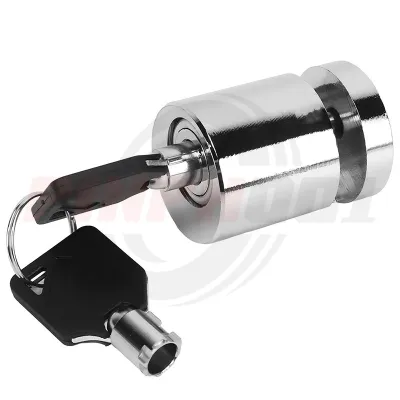
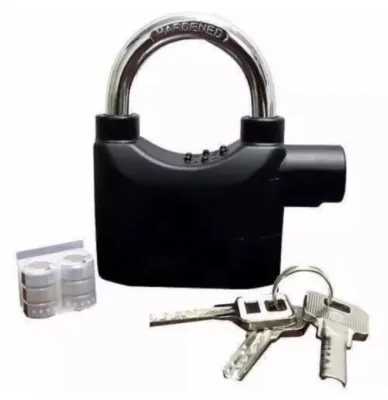
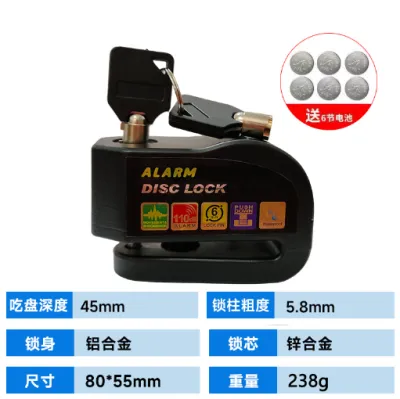
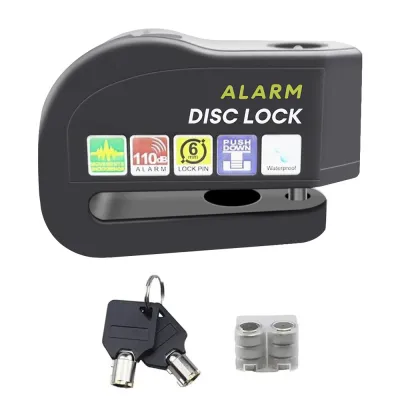
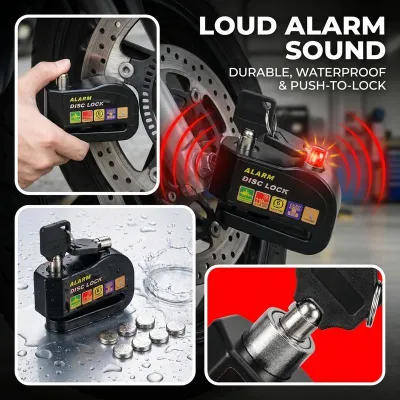
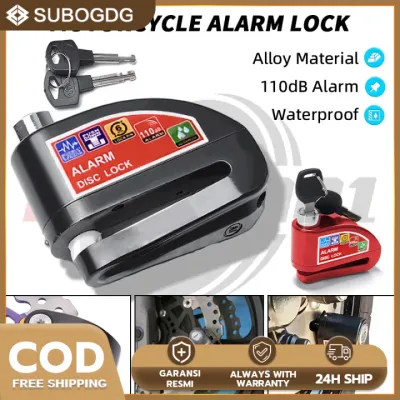
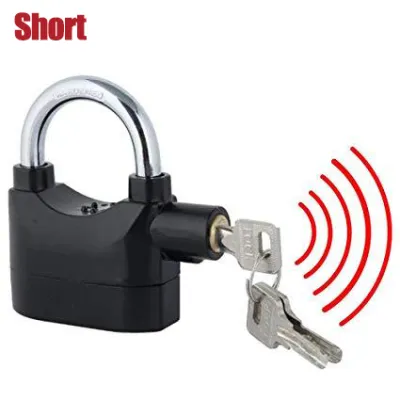
Prices are valid at publication and may change. Please refer to the product page for the latest price.
Inspect the lock’s design for specific weather-sealing features. The alarm speaker and battery compartment are the most vulnerable points for water ingress. Reliable manufacturers use silicone or rubber gaskets to seal these compartments. The speaker grille should feature a water-repellent membrane that allows sound to escape while preventing water droplets from entering. Additionally, if the lock features a USB charging port for a rechargeable battery, ensure it has a tight-fitting, thick rubber cap that seals completely when not in use.
Before finalizing a purchase, learn to recognize visual signs of poor weatherproofing. Avoid locks with exposed wiring, loose-fitting plastic covers, or unsealed seams along the body. If the battery compartment cover does not have a visible rubber seal or gasket along its edge, water will likely seep in during a heavy storm, causing the alarm to short-circuit, fail silently, or trigger continuously.
Evaluating Physical Security and Alarm Deterrence
While the alarm function is a powerful deterrent, the lock must first serve as a formidable physical barrier. The shackle or locking pin is the primary target for thieves using bolt cutters or hacksaws. Measure the shackle thickness and review the manufacturer’s material specifications. A locking pin diameter of 6mm is common for disc locks, but if your brake disc holes allow, opting for a 10mm or 14mm hardened steel shackle significantly increases the force required to cut through the lock. Always verify that the steel has been heat-treated or hardened, as standard mild steel can be cut quickly with basic hand tools.

The electronic alarm must be loud enough to cut through ambient outdoor noise, such as passing traffic, wind, and rain. Manufacturers typically claim alarm decibel (dB) levels ranging from 110dB to 120dB. When evaluating these claims, consider how the sound is projected. A speaker positioned on the underside of the lock may be muffled if it sits too close to the brake disc or wheel rim. Look for designs with multi-directional sound ports that project the alert outward. Keep in mind that decibel ratings are measured at close range; the actual perceived volume will decrease over distance, so a higher rated decibel level is generally preferred for noisy urban environments.
Physical tamper resistance also depends on the internal locking mechanism. Look for locks equipped with double-locking pins, which secure the shackle at both ends, requiring a thief to make two cuts instead of one to remove the lock. Additionally, prioritize locks with anti-drill cylinders and disc detainer keyways. These mechanisms are highly resistant to lock picking and drilling, forcing thieves to rely on noisy, time-consuming power tools that will inevitably trigger the motion-activated alarm.
To verify these security claims, look for independent security certifications printed on the product packaging or detailed in the official documentation. Certifications from recognized testing bodies, such as Sold Secure (Gold or Silver ratings) or ART, indicate that the lock has undergone rigorous physical attacks by professionals. While these certified locks may require a higher investment, they provide verified peace of mind that uncertified, generic locks cannot match.
Managing Alarm Sensitivity and Power Requirements
A high-quality alarm lock must strike a balance between sensitive theft detection and practical daily usability. If the motion sensor is too sensitive, natural occurrences like strong winds, heavy rain, or a passing truck can trigger false alarms, annoying your neighbors and draining the battery. Look for locks that offer adjustable sensitivity settings or feature smart movement sensors. These advanced sensors often require a continuous or dual-stage trigger—such as an initial warning beep upon a light touch, followed by the full alarm only if the movement continues—to differentiate between a harmless bump and an active theft attempt.
Power management is another critical factor to consider before purchasing. Alarm locks generally utilize either replaceable standard button cells (such as LR44 or CR2 batteries) or built-in rechargeable lithium-ion batteries. Replaceable batteries are convenient because you can carry spares in your under-seat compartment, but they can be expensive over time and require you to unscrew the weatherproof compartment to change them. Rechargeable models eliminate battery replacement costs, but you must remember to charge them periodically. If choosing a rechargeable lock, verify the charging time and ensure the charging port is heavily protected against water.
To prevent the lock from failing silently when the battery runs low, check the manufacturer’s specifications for low-battery warning indicators. Many models feature an audible warning, such as a series of distinct chirps when arming the lock, or a flashing LED light. Without these indicators, you risk leaving your motorcycle unprotected if the battery dies without your knowledge.
Always check the user manual for the expected battery life under normal standby conditions. A reliable lock should offer several months of standby battery life on a single charge or set of batteries. Keep in mind that frequent alarm triggers will drain the battery much faster, so proper sensitivity management directly extends your lock’s operational lifespan.
Ensuring Fitment and Riding Safety
Before purchasing any disc lock, you must ensure it physically fits your motorcycle’s braking system. Not all disc locks are universal. Start by measuring the diameter of the cooling holes on your brake disc; the lock’s pin must be small enough to slide easily through these holes. Next, measure the distance from the edge of the disc to the cooling holes to ensure the lock’s throat depth is deep enough to reach. Finally, check the caliper clearance to confirm that the lock body will not press against the brake caliper or wheel spokes when installed, which could scratch your bike or prevent proper locking.
When installing the lock, position it carefully to avoid interfering with other critical components. Ensure the lock body does not press against the suspension forks, speed sensor cables, or brake lines. If you have a scooter with small wheels, clearance is often limited, making compact disc locks or dedicated chain locks a more practical choice.
Always consult your motorcycle owner’s manual before installing aftermarket security accessories on your braking system. Some manufacturers provide specific guidelines or warnings regarding where and how to attach locks to avoid damaging the brake discs or ABS sensors.
Riding off with a disc lock still attached to your wheel can cause catastrophic damage to your front forks, brake calipers, and discs, and will almost certainly result in a fall. To prevent this, establish a strict pre-ride safety checklist. Always use a highly visible, brightly colored reminder cable that stretches from the lock to your handlebar grip. This serves as a constant visual cue that the lock is engaged. Make it a habit to stow the lock securely in your under-seat compartment or tank bag before inserting your key into the ignition.
Matching Lock Features to Your Parking Environment
Your daily routine and where you park your motorcycle should dictate the specific features you prioritize in a waterproof alarm lock.
High-Traffic Urban Parking: If you frequently park on busy streets in Metro Manila or outside crowded shopping malls, your primary concern is quick, opportunistic theft. For these environments, prioritize locks with highly sensitive motion sensors and loud, directional alarm projection (110dB or higher) to cut through the urban din. A compact, lightweight design is also beneficial, allowing you to quickly deploy and remove the lock during short stops.
Long-Term Outdoor Storage: If your motorcycle is parked outside your home overnight or for extended periods, especially during the rainy season, weather resistance and physical toughness are paramount. Focus on locks with maximum IP ratings (IP66 or IP67) and heavy-duty, corrosion-resistant materials like hardened steel. Since the lock will face prolonged exposure to the elements, low standby power consumption and a robust battery system are essential to ensure the alarm remains active week after week.
Daily Commuting and Quick Stops: For riders who make multiple stops throughout the day, convenience is key. Look for lightweight models that feature rapid arming mechanisms—such as push-down locking systems that do not require the key to lock. A lock that is easy to carry in a pocket or a small frame-mounted bracket will ensure you actually use it every time you park, rather than leaving your bike vulnerable during “quick” errands.
By cross-referencing these environmental scenarios with your motorcycle’s physical dimensions and your budget, you can create a personal shortlist of compatible locks. Whether you are looking at entry-level options or premium security systems, focusing on verified waterproof specifications and robust physical construction will ensure your motorcycle remains secure in any weather.
Frequently Asked Questions (FAQ)
Can I use a standard alarm lock in heavy rain?
Standard electronic alarm locks that lack verified IP ratings are highly vulnerable to heavy rain. Without proper weather seals, water can easily seep into the internal circuitry, causing short circuits that either trigger the alarm continuously or disable it entirely. Over time, moisture trapped inside the lock body will corrode the battery contacts and electronic components, rendering the alarm useless. If you must park in wet conditions, always verify that the lock has a designated waterproof or highly water-resistant rating from the manufacturer before exposing it to rain.
How do I prevent the alarm from triggering falsely?
To minimize false alarms caused by wind, heavy rain, or passing vehicles, start by adjusting the vibration sensitivity to a lower setting if your lock supports this feature. Additionally, pay close attention to how you position the lock on the brake disc. Mount the lock firmly and ensure it is seated as close to the brake caliper as possible. This limits the physical play and movement of the lock on the disc, reducing the likelihood that minor vibrations or wind gusts will shift the lock and trigger the motion sensor.
What should I do if the alarm lock battery dies while engaged?
If your alarm lock’s battery dies while it is locked onto your brake disc, do not panic or attempt to force it open with heavy tools, as this can easily warp your brake disc or damage your wheel. Instead, refer to your user manual to locate the mechanical override key. High-quality alarm locks are designed to operate mechanically even when the electronic alarm has no power. Simply insert the physical key to unlock and remove the device. If the lock mechanism is seized or the key fails, contact the manufacturer’s support line or hire a qualified locksmith to safely cut the lock off without damaging your motorcycle’s braking system.
Community discussion
Share your experience or ask a question. Comments are reviewed before publication.