
Quick Answer: Essential Features for Heavy Tropical Rain
To protect a vehicle from the intense downpours of the Philippine wet season, a truly waterproof cover must go beyond basic water resistance. The most reliable covers feature a multi-layer construction utilizing high-density base fabrics paired with polyurethane (PU) or thermoplastic polyurethane (TPU) barrier coatings. Furthermore, the cover must feature heat-sealed or tape-sealed seams rather than standard needle stitching, which easily lets water seep through under pressure. Finally, any access points, such as door zippers or mirror pockets, must be shielded by wide storm flaps or specialized waterproof zippers to prevent wind-driven rain from penetrating the interior.
Material and Coating Specifications to Check
When shopping for a vehicle cover, it is crucial to distinguish between the base fabric and the protective coating, as many products labeled “waterproof” only offer temporary water resistance. The base fabric, typically made of polyester or Oxford weave, provides the structural strength, tear resistance, and UV protection necessary to withstand tropical sun. Oxford fabric is generally categorized by its denier rating (such as 300D or 600D), where a higher number indicates a thicker, more durable weave. However, the base fabric itself is inherently porous; the true waterproofing comes from the internal coating applied to the underside of the material.

Polyurethane (PU) and thermoplastic polyurethane (TPU) are the industry standards for reliable, flexible waterproofing. TPU coatings offer superior flexibility and resistance to cracking under high temperatures compared to traditional polyvinyl chloride (PVC) coatings, which can become brittle and degrade rapidly under intense tropical sunlight. When evaluating product specifications on packaging or manufacturer guides, look for a hydrostatic head rating, which is measured in millimeters (mm). A rating of 2,000 mm to 3,000 mm indicates that the fabric can withstand the pressure of heavy, wind-driven tropical downpours without leaking.
Products mentioned in this guide
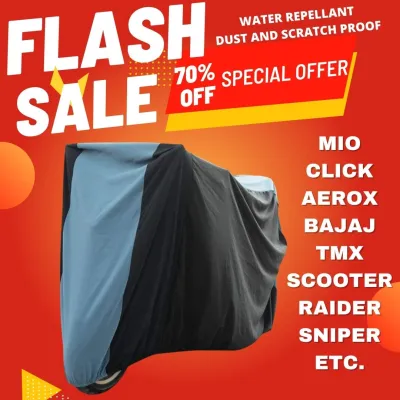
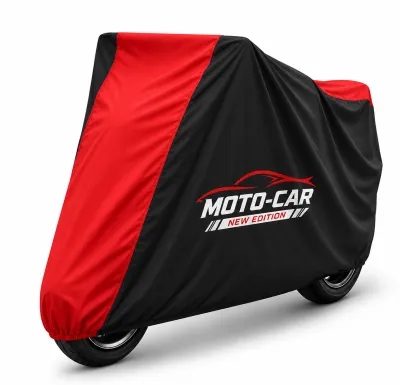
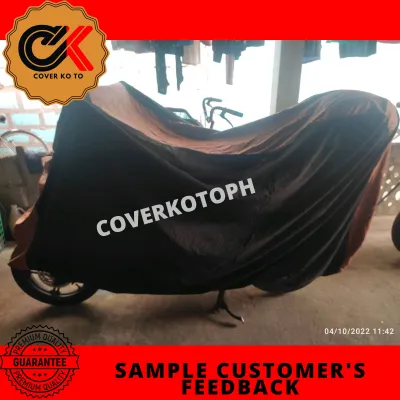
Prices are valid at publication and may change. Please refer to the product page for the latest price.
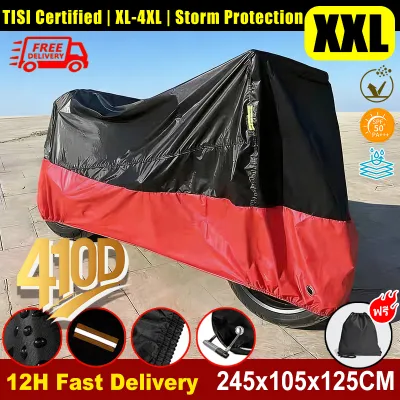
Another common material found in local markets is Polyethylene Vinyl Acetate (PEVA). PEVA covers are lightweight, highly water-resistant, and budget-friendly, making them easy to deploy quickly on a scooter like a Honda Click. However, PEVA lacks the tensile strength and long-term durability of heavy-duty Oxford fabric with a PU coating. Over time, exposure to intense heat followed by sudden downpours can cause PEVA to stretch, thin, or tear, especially at high-tension areas like handlebars or side mirrors. For long-term outdoor storage during the typhoon season, a multi-layer Oxford cover with a robust PU or TPU backing provides much better resistance to wear and tear.
Structural Features That Prevent Water Seepage
Even the most advanced waterproof fabric will fail if the cover’s construction allows water to bypass the material. The primary point of failure on cheap covers is the stitching. Standard sewing needles create thousands of tiny punctures along the seams of the cover. Under the pressure of a heavy downpour, water pools in these areas and slowly drips onto the vehicle’s paintwork. To prevent this, high-quality covers utilize heat-sealed, welded, or tape-sealed seams. This manufacturing process applies a waterproof adhesive tape over the stitched seams on the underside, completely sealing the needle holes and ensuring a continuous barrier against moisture.
Access points and design contours represent another vulnerability. Many car covers feature zippered driver-side doors for easy cabin access, while scooter covers often have dedicated pockets for side mirrors. If these zippers are standard nylon coils, water will easily pass through the teeth. Genuinely waterproof covers feature specialized water-resistant zippers or, more commonly, thick, overlapping storm flaps that cover the zipper track entirely. These flaps use hook-and-loop fasteners to stay pinned down, forcing rainwater to run down the exterior of the cover rather than penetrating the zipper line.
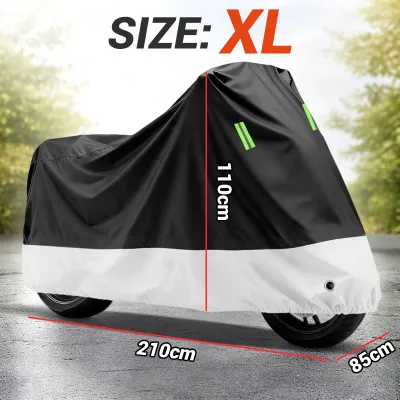
Wind is a constant companion to heavy rain in the Philippines, especially during tropical depressions. A loose cover can act like a sail, lifting off the vehicle and exposing it to the elements, or flapping violently and scratching the clear coat. To secure the cover, look for robust anchoring systems. This includes heavy-duty elastic hems at the front and rear to hug the bumpers or fenders, adjustable under-body straps with windproof buckles, and reinforced grommets. For scooters like the Click, mid-body straps that buckle beneath the footboard are essential to keep the cover taut and prevent wind from lifting the fabric.
Fit and Breathability: Balancing Waterproofing and Condensation
While keeping rain out is the primary goal, trapping moisture inside can be just as damaging to a vehicle. The tropical climate of the Philippines is characterized by high humidity, and when a hot sun emerges immediately after a heavy downpour, the ground moisture evaporates rapidly. If a cover is completely sealed and non-breathable, this rising moisture becomes trapped underneath, creating a high-humidity greenhouse effect. This trapped condensation can lead to mold growth on interior upholstery, corrosion of electrical components, rust on exposed metal parts, and even paint blistering or clouding over time.
To combat this, high-quality waterproof covers incorporate strategic ventilation systems. These vents are typically designed as downward-facing mesh panels located under the side-mirror pockets or along the upper sides of the cover. The downward angle and protective hoods over these vents allow hot air and moisture vapor to escape from underneath the cover while preventing falling rain from entering. When selecting a cover, verify that these ventilation flaps are structured to remain open rather than collapsing flat against the fabric, which would block airflow.
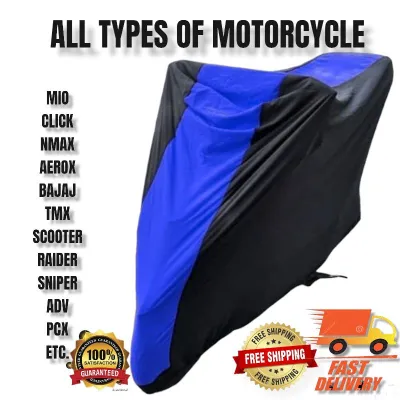
Achieving a proper fit is also critical to preventing water accumulation. A cover that is too large will sag, creating deep pockets where rainwater can pool. The weight of pooled water stretches the fabric, degrades the waterproof coating, and eventually forces moisture through the material. For popular scooters like the Honda Click, choosing a cover specifically patterned for compact scooters ensures the fabric remains taut over the seat and handlebars, allowing water to shed off the sides naturally. For cars, semi-custom sizing based on the vehicle’s length and body style (sedan, SUV, or hatchback) is highly recommended over generic “one-size-fits-all” options.
Maintenance and Drying Practices for Tropical Climates
Proper maintenance is essential to preserve the integrity of a waterproof cover and protect your vehicle’s finish. When removing a wet cover, avoid dragging it across the vehicle’s surface, as any trapped dirt, grit, or fallen leaves can act like sandpaper against the paint. Instead, carefully fold the cover inward, keeping the wet exterior side away from the clean interior lining. Store the cover in a dry, shaded area when not in use, and never leave it crumpled in a wet heap inside a trunk or utility box, as this encourages mold growth and accelerates the breakdown of the waterproof coating.
Cleaning the cover must be done with care to avoid stripping the protective PU or TPU layers. Always refer to the manufacturer’s care label for specific instructions. As a general rule, avoid using harsh household detergents, bleach, or high-pressure washers, which can degrade the waterproof backing and damage the seams. Instead, clean the cover while it is fitted on the vehicle by gently spraying it with a garden hose and wiping it down with a soft microfiber cloth or sponge using mild, diluted car shampoo. Rinse thoroughly to ensure no soap residue remains, as dried soap can attract dirt and compromise water repellency.
Before storing the cover long-term or placing it back on the vehicle, ensure it is completely dry. Hang the cover in a well-ventilated, shaded area to air-dry. Avoid leaving it in direct, intense midday sunlight for extended periods solely for drying, as prolonged UV exposure can prematurely age the fabric. By establishing a routine of regular cleaning, careful handling, and thorough drying, you can significantly extend the lifespan of your cover and ensure reliable protection throughout the wet season.
Frequently Asked Questions (FAQ)
Can I use a standard indoor cover with a waterproof spray for the rainy season?
No, standard indoor covers are typically made of highly breathable, woven fabrics like cotton or soft polyester blends that lack the structural density required to repel water. Applying an aftermarket waterproof spray may provide temporary water resistance against a light drizzle, but it cannot withstand the high hydrostatic pressure of heavy tropical rain. The spray coating will quickly wash away, and the porous fabric will absorb water, trapping moisture directly against your vehicle’s paint and accelerating rust and mold.
How do I know if my current cover has lost its waterproofing?
You can identify a failing cover through several visual and physical signs. During rain, water should bead up and roll off the surface of a healthy waterproof cover; if the fabric darkens and absorbs water instead, the outer water-repellent treatment has failed. On the inside of the cover, inspect the PU or TPU coating for signs of peeling, flaking, or cracking, particularly along high-tension areas and seams. If you notice damp spots on your vehicle’s surface after a rainstorm, the barrier has been compromised and the cover should be replaced.
Is it safe to put a waterproof cover on a wet vehicle?
It is highly discouraged to cover a wet vehicle, as doing so traps moisture directly against the paintwork and metal components. In the warm, humid climate of the Philippines, this trapped water quickly heats up under the sun, creating a humid chamber that promotes rapid rust formation, electrical corrosion, and mold growth on seats or interiors. Always dry your vehicle thoroughly with a clean chamois or microfiber towel before applying the cover, ensuring that hard-to-reach areas like door jambs and engine bays are free of standing water.
Community discussion
Share your experience or ask a question. Comments are reviewed before publication.