
Choosing the right footwear is one of the most critical decisions a rider can make, especially when facing unpredictable weather. When selecting motorcycle boots waterproof membranes and construction details dictate how well your feet stay dry, comfortable, and protected. The ideal choice depends heavily on whether your daily routine consists of short, stop-and-go city trips or hours of sustained highway cruising.
For urban commuters, the priority rests on flexibility, ease of use, and off-bike walkability. These riders need footwear that transitions smoothly from a wet street to an office or store without causing discomfort or looking out of place. Conversely, long-distance tourers require maximum weather sealing, rigid ankle support, and stiff soles to withstand hours of continuous wind, heavy rain, and vibrations on the footpegs. Understanding these distinct design goals ensures you invest in gear that matches your actual riding habits.
Daily Commuting: Features for Urban Stop-and-Go
Urban riding presents a unique set of challenges that demand highly adaptable gear. Commuters frequently transition between riding and walking, navigate unpredictable city traffic, and step directly into puddles or onto slick surfaces. In these environments, heavy and rigid boots often become a liability rather than an asset.
Products mentioned in this guide
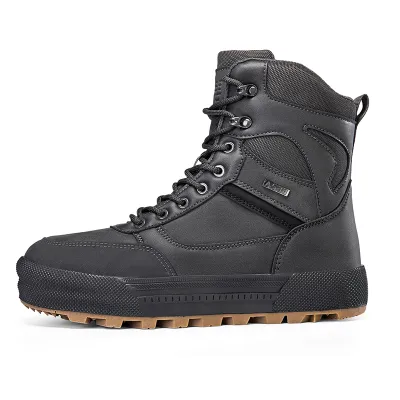
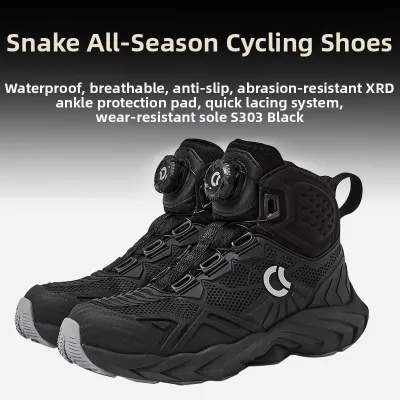
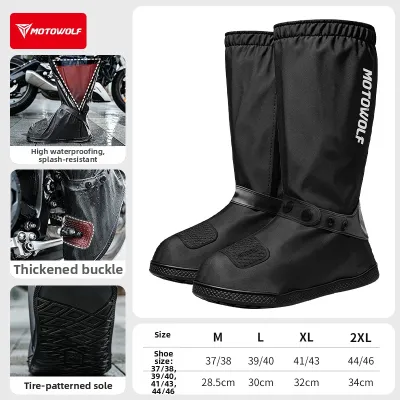
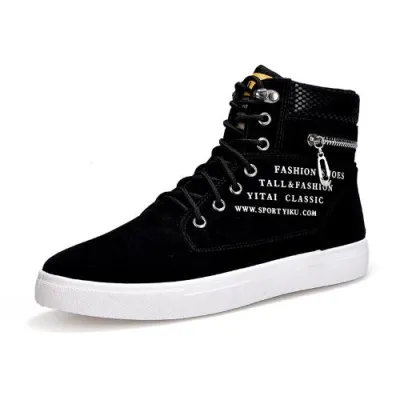
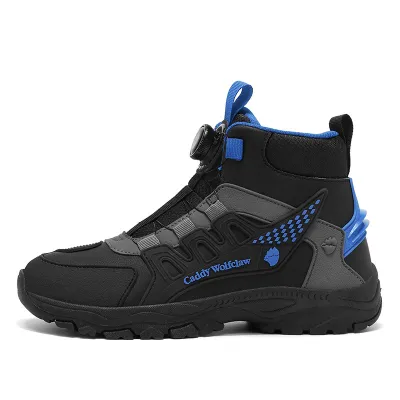
Prices are valid at publication and may change. Please refer to the product page for the latest price.
For those prioritizing motorcycle boots waterproof features are essential to survive sudden tropical downpours without arriving at work with soaked feet. However, a commuter boot must also accommodate the physical demands of walking, standing, and quick stops at intersections. Balancing protection on the bike with comfort off the bike is the primary objective for the daily city rider.
Breathability, Walkability, and Casual Styling
In hot and humid tropical climates, a fully sealed boot can quickly turn into a sauna. Without adequate breathability, sweat accumulates inside the boot, leaving your feet just as wet as they would be from the rain. Commuters should look for advanced, moisture-wicking waterproof membranes that allow microscopic sweat vapor to escape while blocking larger liquid water droplets from entering.
Walkability is another non-negotiable factor for daily travel. Commuter-focused footwear often utilizes flexible midsoles made from materials like ethylene-vinyl acetate (EVA) paired with vulcanized rubber outsoles. This construction provides the necessary flex to walk naturally down office hallways or through shopping malls without the stiff, clunky gait associated with traditional riding boots.
Styling also plays a major role in commuter selection. Many modern options are designed to mimic casual high-top sneakers, work boots, or low-profile shoes. These designs allow you to step off your motorcycle and blend into professional or social settings immediately, eliminating the need to carry an extra pair of shoes in your backpack or top box.
Quick Entry, Low-Profile Protection, and City Grip
Time is often limited during a morning commute, making quick-entry systems highly desirable. Boots featuring side zippers with waterproof inner gussets, hook-and-loop straps, or mechanical dial-lace systems allow you to slip your footwear on and off in seconds. These systems provide a secure fit without the hassle of traditional laces, which can untie and catch on your bike’s footpegs or shift lever.
Protection in commuter boots is typically low-profile but highly targeted. Look for integrated ankle cups made of impact-absorbing materials like D3O, along with reinforced toe boxes and heel counters. These components shield your feet from common urban impacts, such as low-speed drops or minor collisions, without adding unnecessary bulk or stiffness to the shoe’s overall silhouette.
Finally, the outsole must be engineered for slippery city infrastructure. Wet asphalt, painted pedestrian crossings, metal manhole covers, and oily patches near intersections become incredibly slick during rain. Commuter boots require soft rubber compounds with deep siping—grooves designed to channel water away from the contact patch—to ensure your feet stay firmly planted when you stop.
Long-Distance Touring: Features for Highway Endurance
Long-distance touring demands gear that can withstand hours of continuous exposure to high-speed wind, heavy rain, and road debris. On the highway, minor discomforts quickly escalate into painful distractions. Touring boots prioritize structural integrity, absolute weather resistance, and muscular support over casual styling and walking flexibility.

When riding at highway speeds, rainwater is forced against your gear with significant pressure. Any weakness in your boots’ construction will inevitably lead to water ingress. For the touring rider, the focus shifts toward heavy-duty materials, taller designs, and rigid platforms that keep feet dry and stable over hundreds of kilometers.
Extended Weather Sealing and Boot Height
To prevent water from entering during prolonged highway downpours, boot height is critical. Touring boots typically feature a tall shaft that extends mid-calf or higher. This height allows your waterproof riding pants to drape deeply over the boot collar, creating an overlapping barrier that prevents water from running down your legs and directly into your footwear.
Closure systems on touring boots are built for maximum security and weather sealing. They often combine heavy-duty zippers protected by thick storm flaps with adjustable cam-lock buckles or wide hook-and-loop panels. Full-height internal waterproof gussets behind the zippers ensure that even if water manages to bypass the outer closures, it cannot reach your foot.
Additionally, the outer materials are selected for their durability and natural water resistance. High-grade full-grain leather or advanced synthetic microfibers are commonly treated with durable water repellent (DWR) coatings. These materials resist water saturation, preventing the boots from becoming heavy and cold during hours of riding through wet weather.
All-Day Support, Shifting Pads, and Highway Sole Grip
Sustained highway riding requires standing or resting your feet on metal footpegs for extended periods. To prevent arch fatigue and foot cramping, touring boots feature highly rigid soles reinforced with internal steel or nylon shanks. This stiff platform distributes your body weight evenly across the peg, allowing your leg muscles to relax during long stretches.
Repeated gear changes over hundreds of kilometers can quickly wear down the upper surface of a boot. Dedicated touring footwear includes thick, reinforced TPU (thermoplastic polyurethane) shift pads positioned precisely over the toe area. These pads protect the underlying leather or microfiber from abrasion, ensuring the boot retains its structural integrity and waterproof seal over years of use.
While walking comfort is limited in these rigid boots, the sole grip remains specialized for highway scenarios. The tread patterns are often chunkier and deeper than those on commuter shoes, designed to grip muddy roadside pull-offs, gravel parking lots, and wet, vibration-heavy footpegs. The emphasis is on stability, ensuring you can confidently support a fully loaded touring motorcycle on uneven ground.
Cross-Scenario Compatibility: Can One Boot Do Both?
For many riders, owning two separate pairs of specialized boots is not practical due to storage limits or budget constraints. This has led to the popularity of “crossover” or adventure-touring boots. These hybrid options attempt to bridge the gap by blending the walking flexibility of a commuter shoe with the robust protection and taller height of a touring boot.
Crossover boots typically feature a mid-calf height and a moderately stiff sole. They offer significantly better weather sealing and ankle support than casual riding sneakers, making them suitable for weekend road trips. At the same time, they retain enough sole flex to allow for moderate walking, such as exploring a tourist site or walking a short distance to a restaurant.
However, choosing a single boot for both scenarios requires accepting clear trade-offs. A crossover boot will always feel warmer and bulkier during a short city commute than a dedicated riding shoe. Conversely, on a multi-day highway tour, it may lack the extreme rigidity and absolute weather protection of a high-end, full-height touring boot.
To decide if a crossover boot is right for you, consider your riding ratio and budget. If your riding consists of 80% daily commuting and 20% weekend touring, a lightweight, highly breathable commuter boot remains the most practical daily choice. If you frequently split your time equally, investing in a mid-range crossover boot—typically priced between ₱6,000 and ₱12,000—provides a balanced, cost-effective compromise.
Verifying Waterproof Claims and Routine Care
When shopping for waterproof riding gear, it is important to distinguish between vague marketing terms like “water-resistant” or “water-repellent” and true waterproof ratings. Water-resistant boots can handle light drizzle or a brief splash, but they will eventually saturate and leak during sustained rain. Always look for reputable, branded waterproof membranes or specific manufacturer guarantees that explicitly state the footwear is fully waterproof.
To ensure your boots maintain their waterproof performance over time, proper maintenance is essential. Always refer to the specific product label and the manufacturer’s care instructions before applying any treatments. If instructions conflict or are unavailable, contact the manufacturer or a professional gear specialist for guidance.
Routine Maintenance Guidelines:
- Cleaning: Gently wipe away road grime, mud, and salt using a soft cloth dampened with clean, lukewarm water. Avoid using harsh household detergents, solvents, or stiff abrasive brushes, as these can degrade the waterproof membrane and damage delicate seams or glues.
- Drying: Allow wet boots to air dry naturally in a well-ventilated indoor space away from direct sunlight. Never use hair dryers, radiators, or direct heat sources, as excessive heat can warp the sole, melt internal adhesives, and crack leather panels.
- Conditioning: If explicitly recommended by the manufacturer, apply specialized waterproofing sprays or leather conditioners designed specifically for breathable membranes. Avoid heavy oils or grease that can clog the pores of the membrane, destroying the boot's breathability.
Frequently Asked Questions (FAQ)
Are waterproof motorcycle boots too hot for tropical climates?
Waterproof boots inherently run warmer than non-waterproof mesh boots because the internal membrane limits direct airflow. However, modern boots equipped with high-quality, breathable membranes allow moisture vapor from sweat to escape, preventing your feet from becoming clammy. To manage heat in tropical conditions, pair your boots with thin, moisture-wicking synthetic or merino wool socks rather than cotton, and avoid boots with heavy thermal insulation.
How do I know if my waterproof motorcycle boots are failing?
The most obvious sign of failure is dampness on your socks after riding through rain or stepping in a puddle, assuming water did not enter from the top collar of the boot. Other physical indicators include visible seam separation, cracking of the outer leather or synthetic panels, and a noticeable loss of water beading on the boot’s exterior. If the outer material absorbs water quickly rather than letting it roll off, the durable water repellent coating has worn away, which places extra stress on the internal waterproof membrane.
Community discussion
Share your experience or ask a question. Comments are reviewed before publication.