
Finding durable waterproof stickers for your motorcycle in the Philippines requires looking beyond generic product titles and flashy designs. The combination of intense tropical heat, high humidity, and sudden monsoon downpours quickly degrades low-grade paper or basic plastic decals. To ensure your decals survive the road, you must focus on automotive-grade vinyl, UV-resistant protective laminates, and solvent-based acrylic adhesives. This guide will walk you through the technical specifications, material choices, and application techniques needed to select stickers that remain vibrant and secure on your ride.
Quick Guide to Sourcing Waterproof Motorcycle Stickers
When browsing online marketplaces, it is easy to confuse water-resistant stickers with fully waterproof decals. Water-resistant options can withstand light splashes or brief exposure to moisture, but they will quickly peel, fade, or bleed when subjected to heavy rain or routine washing. Fully waterproof stickers utilize non-porous synthetic bases, such as vinyl or polyester, combined with water-insoluble adhesives that maintain their bond even when submerged or sprayed.
To identify high-quality, weather-resistant decals before making a purchase, you must look for three core structural features: UV protection, laminate coatings, and automotive-grade adhesives. A raw printed sticker is highly vulnerable to environmental damage; therefore, a clear over-laminate layer is essential to seal the ink from moisture and physical abrasion. Additionally, pressure-sensitive, solvent-based acrylic adhesives are required to form a durable bond with your motorcycle’s clear coat.
Products mentioned in this guide
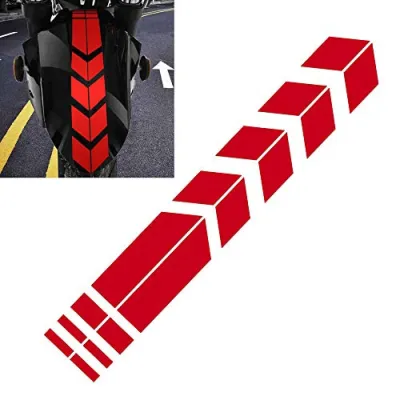
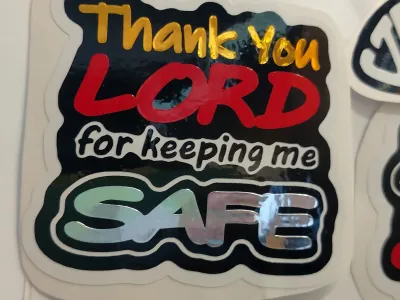
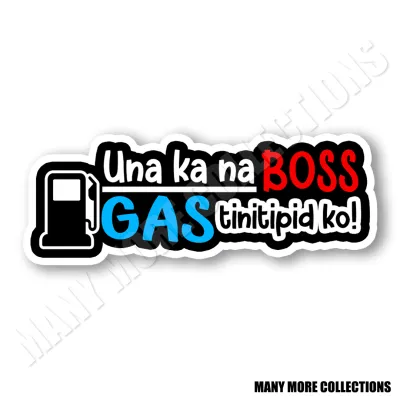


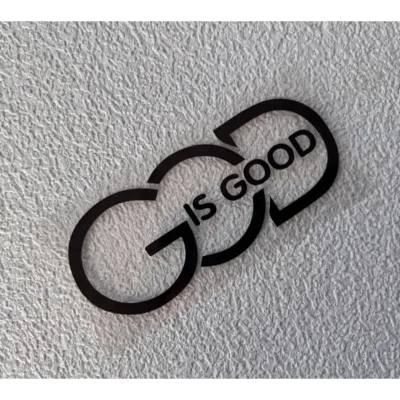
Prices are valid at publication and may change. Please refer to the product page for the latest price.
Verifying these specifications on local e-commerce platforms requires a systematic approach. Start by checking the product description for explicit material names rather than generic buzzwords. Cross-reference these details with customer reviews and photos to verify the thickness, flexibility, and real-world performance of the decals.
Decoding Material Labels and Waterproof Claims
Understanding the differences between common decal materials is crucial for evaluating product listings and avoiding low-quality purchases. The most common materials you will encounter are vinyl, PVC, and polyester, each offering distinct levels of outdoor suitability, flexibility, and durability.

Vinyl is the industry standard for automotive decals, but it comes in different grades. Monomeric calendered vinyl is inexpensive but prone to shrinking, cracking, and peeling when exposed to the hot tropical sun for a few months. Polymeric calendered vinyl offers significantly better stability and resistance to heat, making it a reliable mid-range choice. Cast vinyl is the premium option; it is exceptionally thin, highly conformable, and can stretch over complex curves without lifting or shrinking over time.
PVC (polyvinyl chloride) is a highly durable, naturally waterproof plastic that is excellent for thick, protective decals like tank pads or fender guards. Polyester (PET) stickers offer high heat resistance and dimensional stability, but their stiffness makes them unsuitable for curved fairings, limiting their use to flat surfaces.
When reading product tags and descriptions, look for specific technical indicators:
- Temperature Tolerance: Ensure the material is rated to withstand temperatures up to 80°C, which prevents the sticker from degrading when parked on hot asphalt.
- Adhesive Type: Look for "solvent acrylic" or "permanent acrylic" adhesives, which resist water and chemical breakdown.
- Outdoor Durability: Verify if the listing mentions outdoor durability ratings, typically expressed in years (e.g., "3-5 year outdoor durability").
Red flags in product listings include missing material details, vague claims like “100% high-quality plastic” without specifying the polymer, or a lack of clear coat compatibility warnings. If a seller cannot specify whether the vinyl is monomeric, polymeric, or cast, it is best to assume it is a low-grade material unsuitable for long-term motorcycle use.
Evaluating Durability Features for Outdoor Exposure
The longevity of a motorcycle sticker depends heavily on its ability to withstand constant exposure to sun, rain, and road debris. In tropical climates, ultraviolet (UV) radiation and high humidity are the primary catalysts for decal degradation.
A clear laminate or overcoat layer plays a vital role in protecting the printed design. This layer is a transparent film applied over the printed vinyl, acting as a physical shield against scratches, road grit, and friction from your riding gear. It also prevents water from penetrating the ink layer, which would otherwise cause the colors to bleed or run. Laminates are available in gloss, matte, or satin finishes, allowing you to match the aesthetic of your motorcycle’s paint job.
UV-resistant inks are equally important for preventing premature fading. Standard dye-based inks break down rapidly under direct sunlight, causing vibrant colors to turn dull within weeks. When evaluating listings, look for products printed with UV-curable, latex, or eco-solvent inks. These inks contain specialized pigments that resist ultraviolet degradation, ensuring the graphics remain sharp and colorful over years of outdoor exposure.
The adhesive backing is the final line of defense against the elements. High-quality motorcycle decals utilize strong, automotive-grade solvent acrylic adhesives. Unlike water-based emulsion adhesives, which can soften and fail when exposed to standing water or high humidity, solvent-based adhesives form a permanent, water-resistant bond. This ensures the edges of the sticker remain tightly sealed against the fairing, even during frequent washing or high-speed rides through heavy rain.
Matching Sticker Formats to Motorcycle Surfaces
Selecting the right sticker format and size is essential for achieving a professional, long-lasting application on your motorcycle’s various surfaces.
Decals are generally available in three formats: die-cut, kiss-cut, and roll stickers. Die-cut stickers are cut precisely through both the vinyl and the backing paper to the exact shape of the design, offering a clean look with no excess background. Kiss-cut stickers are cut only through the vinyl layer, leaving the backing paper intact; this makes them easier to peel but requires careful alignment during application. Roll stickers are typically thin, mass-produced labels that lack the thickness and adhesive strength required for outdoor automotive use.
Applying a flat sticker to a compound curve, such as a fuel tank, fender, or helmet, can easily lead to wrinkling, bubbling, or edge lifting. To avoid these issues, follow these measurement and selection guidelines:
- Measure with Flexibility: Use a flexible sewing tape measure to follow the contours of the surface rather than a stiff ruler.
- Select Conformable Materials: For highly curved surfaces, choose cast vinyl decals, which possess the elasticity needed to stretch and conform to complex shapes.
- Plan Relief Cuts: For larger, non-stretchable decals, plan small, strategic relief cuts along the edges to allow the material to overlap slightly without wrinkling.
Reflective or high-visibility materials are excellent for safety-oriented placements, such as on the rear fender, side fairings, or helmet. These materials utilize retroreflective technology, containing microscopic glass beads or microprisms that reflect light back to its source, making you more visible to other motorists at night. To verify their reflective properties, look for compliance with visibility standards (such as ECE or DOT markings) in the product description, or check customer reviews for photos taken with a camera flash.
Building Your Shortlist on E-commerce Platforms
Finding reliable waterproof stickers on local online marketplaces requires a strategic approach to filtering search results and evaluating seller credibility.
Start by using highly specific search terms to bypass low-quality novelty stickers. Instead of searching for generic “motorcycle stickers,” use targeted keywords such as:
- "automotive vinyl decal waterproof"
- "3M reflective motorcycle sticker"
- "polymeric vinyl sticker for motor"
- "weatherproof motorcycle fairing decals"
These terms help filter out paper-based or indoor-use stickers, directing you toward products designed for outdoor automotive applications.
Once you have a list of potential products, analyze customer reviews and uploaded photos critically. Do not rely solely on overall star ratings; instead, look for detailed reviews written after several weeks or months of use. Pay close attention to photos showing the stickers after a wash or parked outdoors in sunny conditions. Look for any evidence of edge lifting, color fading, bubbling, or adhesive residue.
Before adding items to your cart, message the seller to clarify product specifications. Ask specific questions to verify the quality of the materials:
- "Is this decal printed on monomeric or polymeric vinyl?"
- "Does the sticker have a clear laminate top layer?"
- "What brand of adhesive backing is used?"
- "Is this material safe for factory clear coats?"
A reputable seller who specializes in automotive graphics will be able to provide clear, technical answers, whereas sellers of low-grade prints will often give vague or evasive responses.
Surface Preparation and Application Best Practices
Even the highest-quality waterproof sticker will fail to adhere properly if the motorcycle’s surface is not prepared correctly. Proper preparation ensures a strong, chemical bond between the adhesive and the clear coat.
To prepare the surface, gather the following cleaning agents and tools:
- Dedicated Motorcycle Wash: To remove surface dirt, mud, and road grime.
- 70% Isopropyl Alcohol: To strip away remaining grease, wax, polish, or oil residues.
- Lint-Free Microfiber Cloths: To prevent lint or dust from trapping under the sticker.
- Felt-Tipped Squeegee: To smooth out the vinyl and remove air bubbles without scratching the surface.
- Heat Gun or Hair Dryer: To soften the vinyl and activate the adhesive on curved surfaces.
Avoid using household glass cleaners, dish soaps, or degreasers, as many of these products leave behind chemical residues or slick films that prevent proper adhesion.
Follow this step-by-step application process for a secure, bubble-free finish:
- Clean the Area: Wash the surface thoroughly with motorcycle soap, rinse, and dry completely. Wipe the area with isopropyl alcohol and let it evaporate.
- Position the Decal: Use painter's tape to temporarily position the sticker and verify alignment.
- Apply the Sticker: For small decals, peel the backing paper and press the sticker down from the center outward using the squeegee. For larger decals, use the wet application method by spraying a very dilute mixture of water and a drop of baby shampoo onto the surface and the adhesive side of the vinyl. This allows you to slide the decal into position before squeegeeing out the fluid.
- Conform to Curves: Use a heat gun or hair dryer on a low setting to gently warm the vinyl, making it pliable enough to conform to curves. Use the squeegee to press the edges down firmly.
Allow the adhesive to cure completely before exposing the motorcycle to wet conditions or high speeds. Keep the bike out of direct rain and avoid washing it for at least 72 hours post-application. When washing your motorcycle in the future, never point a high-pressure washer nozzle directly at the edges of the sticker, as the intense pressure can force water underneath and lift the decal.
Frequently Asked Questions (FAQ)
Can I apply waterproof stickers over existing scratches or peeling paint?
Applying waterproof stickers over peeling paint or deep, rusty scratches is not recommended. The adhesive requires a smooth, stable surface to bond effectively. If applied over flaking paint, the sticker will pull the loose paint further away from the body, leading to rapid peeling. Furthermore, trapping moisture underneath a sticker applied over a deep scratch can accelerate rust and corrosion on metal parts. Address deep scratches with appropriate touch-up paint or seek professional body repair before applying decals.
Will removing waterproof stickers damage my motorcycle's clear coat?
High-quality automotive vinyl stickers are designed to be removable without damaging factory-cured clear coats, provided proper techniques are used. To remove a sticker safely, use a heat gun or hair dryer to soften the adhesive, then gently peel it back at a sharp angle. Any remaining adhesive residue can be dissolved using a dedicated, paint-safe adhesive remover or isopropyl alcohol. However, low-quality adhesives, prolonged exposure to extreme tropical heat, or applying stickers over aftermarket, poorly cured paint jobs can increase the risk of lifting the clear coat during removal.
Are there legal restrictions on where I can place stickers on my motorcycle?
Yes, there are important safety and legal guidelines regarding sticker placement. Avoid placing any opaque, colored, or highly reflective stickers on headlights, taillights, turn signals, side mirrors, or the license plate, as this can impair visibility and violate local land transportation regulations. Additionally, ensure that decals on your windshield or helmet do not obstruct your line of sight. Always consult the guidelines provided by the Land Transportation Office (LTO) or your local traffic authority to ensure your sticker placements remain fully road-legal.
Community discussion
Share your experience or ask a question. Comments are reviewed before publication.