
Selecting the ideal waterproof riding boots in the Philippines depends on balancing the immediate physical demands of your daily route against the unpredictable tropical climate. If your typical ride consists of navigating congested city streets, you need lightweight, flexible footwear that transitions easily from your motorcycle to the office. Conversely, if you frequently travel across provincial highways, your priority must shift toward maximum impact protection, rigid support, and long-term weather resistance. Choosing the wrong style can leave you with either sweaty, stiff feet during a slow Manila commute or inadequate protection during a high-speed highway slip.
Defining Your Ride: Urban Traffic vs. Provincial Highways
Riding a motorcycle in the Philippines exposes you to highly contrasting environments, each demanding a distinct approach to footwear. Urban commuting—whether in Metro Manila, Metro Cebu, or Davao—is defined by stop-and-go traffic, low speeds, and frequent foot-planting. You must constantly search for balance at intersections, navigate tight lane-filtering scenarios, and walk across slick parking structures or office floors. During the monsoon season, a sudden afternoon thunderstorm can flood streets within minutes, requiring footwear that keeps water out while remaining breathable enough to prevent sweat buildup in 32°C humidity.
In contrast, provincial touring involves sustained speeds along highways like the North Luzon Expressway (NLEX) or winding mountain passes like the Marilaque Scenic Area. On these routes, your feet remain on the pegs for hours, exposed to continuous wind pressure, road debris, and prolonged downpours. A boot that performs well in slow city traffic may flex too much under highway wind pressure, leading to foot fatigue. Meanwhile, the heavy, rigid armor needed to protect against high-speed impacts on provincial roads can make walking through a local mall or office building incredibly uncomfortable. Understanding where you spend the majority of your riding hours is the first step in making a practical investment.
Products mentioned in this guide
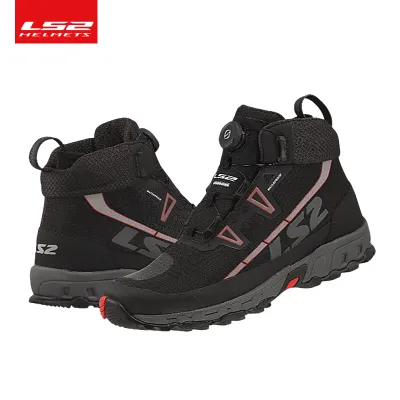
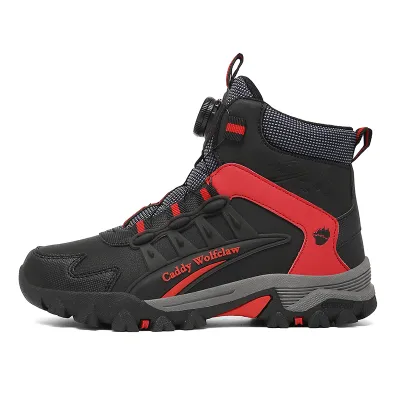
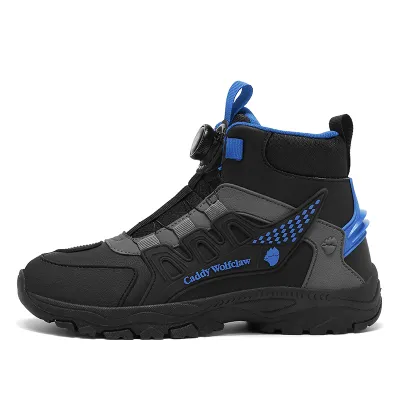
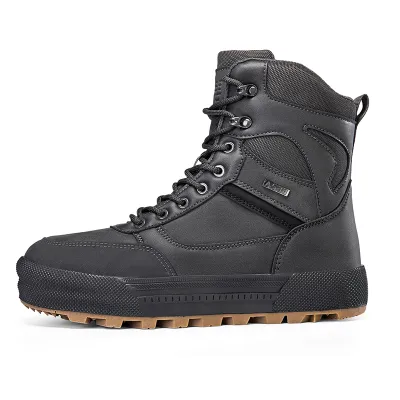
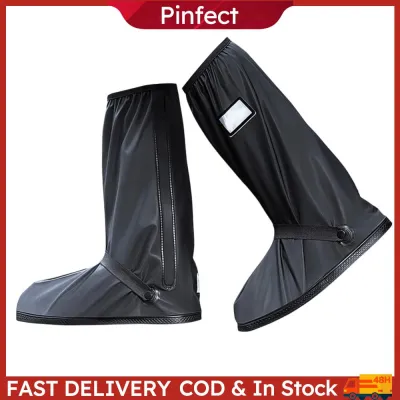
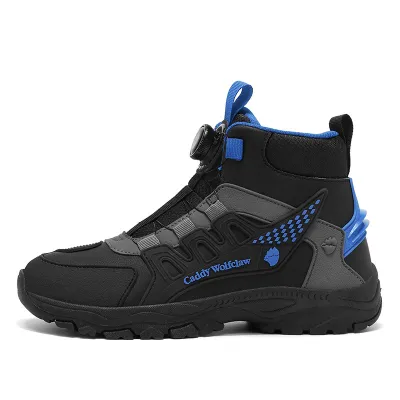
Prices are valid at publication and may change. Please refer to the product page for the latest price.
Top Priorities for Daily City Commuting Boots
For riders who use their motorcycles primarily for work or daily errands, the best waterproof riding boots prioritize convenience, walking comfort, and temperature regulation. Because you must repeatedly put your boots on and take them off throughout the day, look for closure systems that simplify this process. Side zippers with waterproof gussets, quick-lace systems, or sturdy hook-and-loop straps allow you to secure your boots in seconds without struggling with traditional laces that can untie and catch on your bike’s footpegs or chain.

The sole of a commuting boot must strike a careful balance between safety and flexibility. It needs to be stiff enough to protect your foot from crushing forces, yet flexible enough to allow a natural walking gait. Look for slip-resistant rubber outsoles that provide a reliable grip on oil-slicked city asphalt, wet metal expansion joints, and painted road markings. Additionally, lightweight materials like reinforced canvas, microfiber, or split leather help reduce leg fatigue during long shifts at work or school.
In the intense heat and humidity of Philippine cities, breathability is just as important as waterproofing. Commuting boots should feature lightweight waterproof membranes that allow sweat vapor to escape while blocking external rainwater. To prevent premature wear from constant gear shifting in heavy traffic, ensure the boot has a reinforced TPU or rubber shift pad over the toe box. This extra layer protects the boot’s outer material from tearing and distributes the pressure of gear changes across your foot.
Non-Negotiable Features for Long-Distance Touring Boots
When you leave the city limits for multi-day tours, the safety margins must increase significantly. Long-distance touring boots must offer comprehensive impact protection, which means choosing a high-cut design that covers the ankle and extends up the shin. The shin guard protects against flying stones, road debris, and direct impacts with the motorcycle or guardrails in a slide. Look for boots that carry clear safety certifications, such as the CE EN 13634 standard, which verifies that the footwear has undergone rigorous testing for abrasion resistance, impact cut, and transverse rigidity.
Support is another critical factor for long hours on the road. Touring boots require a highly rigid sole plate, often reinforced with a steel or composite shank. This prevents the boot from bending excessively, reducing arch strain while standing on the footpegs over rough terrain or during long highway stretches. Reinforced heel cups and toe boxes are essential to protect your foot’s structural integrity during a collision or drop.
The outer shell of a premium touring boot is typically constructed from thick full-grain leather or high-density synthetic textiles. These materials provide superior abrasion resistance and act as the first line of defense against continuous rain. Because you cannot easily stop to dry your footwear during an inter-province trip, the internal waterproof lining must be capable of keeping your feet dry through hours of relentless downpours. Before purchasing, always check the manufacturer’s documentation to verify the boot’s specific waterproofing limits and care guidelines to maintain its protective seals.
The Compromise: Can One Boot Handle Both Scenarios?
If your budget or storage space limits you to a single pair of boots, finding a middle ground is essential. Mid-height adventure boots or sport-touring shoes serve as excellent compromises for riders who split their time evenly between urban commuting and weekend tours. These hybrid options typically offer more robust ankle and toe protection than standard city riding shoes, while remaining significantly lighter and more flexible than full-length, rigid touring boots.
However, choosing a hybrid boot requires accepting specific trade-offs. A mid-height boot will not offer the complete shin protection of a dedicated touring boot, leaving you slightly more vulnerable during high-speed highway incidents. On the other hand, while they are easier to walk in than full touring gear, they can still feel overly warm and heavy during a slow, humid commute through city traffic.
To decide which direction to lean, apply the 80/20 rule to your riding habits. If 80 percent of your weekly mileage is spent commuting to work, prioritize a lighter, more breathable urban boot, accepting that you must ride more defensively and cautiously on your occasional weekend trips. If you spend most of your saddle time on long-distance provincial tours, prioritize maximum safety and weather protection, and simply pack a spare pair of lightweight walking shoes in your top box or backpack for when you arrive at your destination.
How to Verify Waterproof Claims and Ensure the Right Fit
Not all waterproof labels are created equal, and understanding the technology behind your boots can prevent a soaked ride. When shopping, look for boots that feature integrated waterproof and breathable membranes, such as Gore-Tex, Drystar, or proprietary brand equivalents, which are built into the boot’s lining. Avoid relying solely on external “water-resistant” coatings or sprays, as these superficial treatments quickly wear off under constant friction, gear shifts, and heavy downpours.
Ensuring the correct fit is equally vital for both safety and comfort. When trying on riding boots, do so in the afternoon or evening, as your feet naturally swell throughout the day due to heat and activity. Always wear the specific style of riding socks you plan to use on the road. A boot that feels perfectly snug with thin everyday socks may pinch your toes or restrict blood circulation when paired with thicker, moisture-wicking motorcycle socks.
Ensure there is enough room to wiggle your toes freely, while your heel remains securely locked in place without lifting when you walk. If your toes press firmly against the front of the boot, or if your heel slips excessively, the boot is the wrong size or shape for your foot. Restricted blood flow can cause numbness on long rides, reducing your ability to operate the rear brake or gear shifter safely. If you are ordering online from an online marketplace or local distributor, carefully measure your feet and consult the brand’s specific sizing chart, as sizing standards can vary significantly between European, American, and Asian manufacturers.
Frequently Asked Questions (FAQ)
Are waterproof riding boots too hot for the Philippine dry season?
Modern waterproof riding boots designed with breathable membranes allow sweat vapor to escape while preventing liquid water from entering. While they will naturally feel warmer than highly ventilated mesh boots, you can manage the heat by pairing them with high-quality, moisture-wicking synthetic or merino wool riding socks. Avoid cotton socks, which trap moisture and heat, leading to discomfort and blisters.
How do I maintain the waterproofing of my riding boots?
To preserve the waterproof barrier, regularly clean your boots by gently brushing off dried mud and wiping the exterior with a damp cloth. Allow them to air-dry naturally in a well-ventilated indoor space, keeping them away from direct sunlight or artificial heat sources like hair dryers, which can crack leather and damage internal adhesives. For specific care, always check the manufacturer’s instructions before applying any aftermarket waterproofing sprays or leather conditioners to ensure compatibility with your boot’s materials.
Community discussion
Share your experience or ask a question. Comments are reviewed before publication.