
Navigating the daily motorcycle commute in the Philippines during the monsoon season requires gear that can handle sudden, torrential downpours while keeping you safe on unpredictable roads. Standard raincoats or plastic ponchos might offer temporary relief in a light drizzle, but they quickly fail when subjected to highway-speed winds and heavy tropical rain. For a daily rider, the ideal waterproof riding jacket must serve a dual purpose: it must act as an impenetrable barrier against water ingress while providing robust impact and abrasion protection in the event of a slide.
Choosing the right gear involves understanding the technical specifications on product labels rather than relying on vague marketing claims of being water-resistant. A truly effective commuting jacket must balance waterproofing, breathability, and safety features to ensure you arrive at your destination dry, comfortable, and unharmed. By evaluating material ratings, construction quality, and tropical-specific design elements, you can select a jacket that withstands the harshest weather the rainy season has to offer.
Decoding Waterproof Ratings and Material Labels
When shopping for waterproof riding gear, the first details to inspect are the technical specifications listed on the garment’s tag or manufacturer datasheet. Waterproofing is scientifically measured using a hydrostatic head rating, which determines how much water pressure a fabric can withstand before moisture penetrates the fibers. This rating is expressed in millimeters; for example, a fabric rated at 10,000mm can support a ten-meter-tall column of water before leaking. For daily commuting in heavy monsoon downpours, look for a minimum rating of 10,000mm, though 15,000mm to 20,000mm is highly recommended to resist the added pressure of wind-driven rain at speed.
Products mentioned in this guide
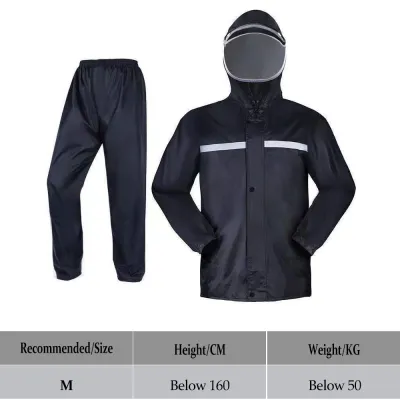
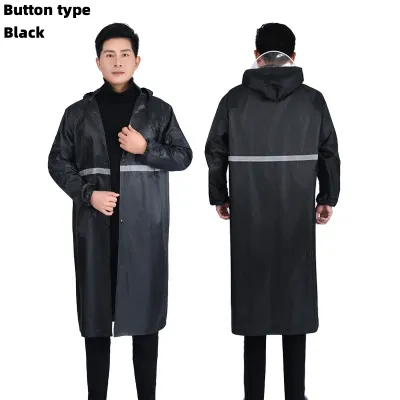
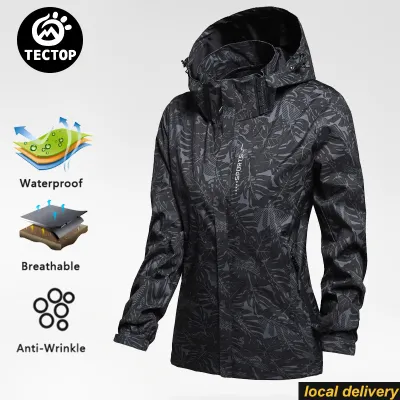
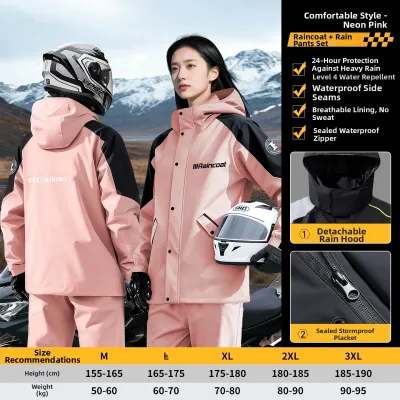
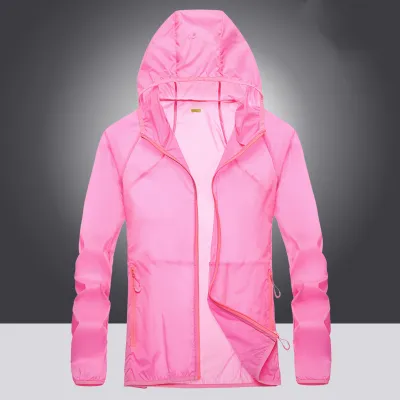

Prices are valid at publication and may change. Please refer to the product page for the latest price.
It is crucial to understand the difference between water-resistant coatings, waterproof membranes, and waterproof-breathable fabrics. Water-resistant garments typically feature a surface-level Durable Water Repellent (DWR) chemical treatment that causes water to bead and roll off, but this coating easily saturates under heavy pressure or prolonged exposure. True waterproof jackets utilize an internal polyurethane coating or a laminated membrane. While a basic polyurethane coating is highly effective at blocking water, it traps heat and sweat inside. High-performance gear uses microporous membranes, which feature pores that are too small for liquid water droplets to pass through but large enough to allow hot water vapor from sweat to escape, keeping you dry from both the rain and your own body heat.
Even the most advanced waterproof fabric will fail if the garment’s construction is subpar. Water easily penetrates through the tiny needle holes created during the sewing process, making fully taped seams an absolute necessity. Inspect the interior of the jacket to verify that a flexible, waterproof tape has been heat-sealed over every single seam. Additionally, look for water-resistant zippers, which are typically coated with a polyurethane layer to seal the zipper teeth. Because zippers are primary failure points, high-quality commuting jackets feature double storm flaps—strips of waterproof fabric that fold over the zipper and secure with snaps or hook-and-loop fasteners to block wind-driven rain.
Critical Design Features for Tropical Monsoon Commuting
Riding in a tropical climate like the Philippines presents a unique challenge: high ambient temperatures combined with near-total humidity. Wearing a completely sealed waterproof jacket in warm weather can quickly lead to overheating and excessive sweating, leaving you just as wet inside the jacket as you would be outside. To combat this, look for jackets equipped with specialized ventilation systems. Effective designs feature zippered intake vents on the chest or underarms and corresponding exhaust vents on the upper back. These vents must be engineered with protective fabric hoods or water-resistant zippers, allowing you to crack them open to let air circulate without letting rain water seep inside.

Visibility is another critical safety factor during heavy monsoon storms, where dark skies and sheets of rain drastically reduce a driver’s line of sight. Commuting in low-light conditions or during sudden afternoon downpours requires a jacket with high-visibility elements. Opt for jackets that incorporate bright fluorescent colors, such as neon yellow or high-visibility orange, on key panels. Furthermore, ensure the jacket features retroreflective piping or panels on the chest, shoulders, and back. These reflective materials bounce light from car headlights directly back to the driver, making your presence known on dark, water-logged roads.
A secure fit at all openings is essential to prevent water from riding up or blowing into the jacket at speed. When riding at highway speeds, wind pressure can easily force water through loose cuffs or an open collar. Look for adjustable closures, such as hook-and-loop straps at the wrists and a secure snap or cinch cord at the collar. The waist should also feature adjustable straps or a drawcord to seal the bottom hem against the wind. A soft, moisture-wicking lining on the inside of the collar can also prevent skin irritation and chafing when the collar is tightly fastened against the elements.
Comparing Rain Gear Styles: Textile Jackets, Over-Suits, and Ponchos
Motorcycle commuters generally choose between three primary styles of wet-weather gear, each offering distinct advantages and trade-offs. The first option is an all-in-one waterproof textile riding jacket. Constructed from heavy-duty, abrasion-resistant fabrics like 600-denier polyester or nylon, these jackets feature integrated impact armor and a built-in or removable waterproof membrane. They offer the highest level of convenience and safety, as you do not need to carry separate rain gear. However, because the waterproof layer is often situated beneath the outer textile shell, the outer fabric can eventually become waterlogged—a phenomenon known as wetting out—which makes the jacket heavy, cold, and slow to dry.
The second option is a dedicated, lightweight waterproof over-suit or rain jacket designed to be worn over your standard protective riding gear. These garments are typically made of thin, packable nylon or polyester with a polyurethane backing. They are highly effective at keeping your primary riding gear completely dry and can be easily folded and stored under your motorcycle seat or inside a top box when the sun is shining. The primary drawback is the inconvenience of having to pull over and struggle into the over-suit on the side of the road when a sudden downpour begins. Additionally, because they lack built-in armor, they must never be worn as a standalone jacket over regular clothing, as they offer zero slide protection.
The third style, which is common but highly discouraged for safety reasons, is the motorcycle poncho or loose-fitting plastic raincoat. While ponchos are inexpensive and easy to throw on, they pose severe safety hazards on a moving motorcycle. At speed, the loose, unanchored fabric flaps violently in the wind, which can distract the rider, obscure side mirrors, or even snag on passing vehicles or roadside obstacles. More dangerously, loose fabric can easily become caught in the motorcycle’s rear wheel, chain, or sprocket, leading to a catastrophic loss of control. Ponchos also offer absolutely no abrasion or impact protection, making them unsuitable for daily commuting.
Evaluating Fit, Armor Integration, and Riding Safety
Regardless of how waterproof a jacket is, it must never compromise your physical safety in a crash. When selecting a waterproof riding jacket, verify that it includes dedicated pockets for CE-certified impact armor at the shoulders, elbows, and back. CE Level 1 or Level 2 protectors absorb and disperse impact energy during a fall. The jacket’s cut must keep this armor firmly positioned over your joints; if the sleeves are too loose, the elbow protectors can easily shift away during a slide, leaving your joints completely unprotected. Look for adjustment straps on the forearms and bicep areas to cinch the sleeves tight and keep the armor locked in place.
Sizing requires careful consideration, especially for daily commuters who must wear school uniforms, office attire, or light sweaters underneath their gear. When trying on a jacket, wear the thickest layer you plan to commute in to ensure the jacket does not restrict your movement. You must be able to reach forward to the handlebars comfortably and turn your head fully to perform blind-spot checks without the fabric binding across your shoulders or throat. If the jacket is too tight, it will restrict blood circulation and cause premature fatigue; if it is too loose, it will billow in the wind and allow water to pool in the folds of the fabric.
Ergonomic design features greatly enhance comfort during long, wet commutes. Look for jackets with pre-curved sleeves that naturally mimic the shape of your arms when holding the handlebars. This reduces the effort required to hold a riding posture and prevents the sleeves from riding up your wrists and exposing your skin to the rain. Articulated joints, such as accordion stretch panels at the elbows and shoulders, allow for a full range of motion. Additionally, ensure the back of the jacket features a dropped tail—a longer rear hem that keeps your lower back covered and prevents water from seeping into your pants when you lean forward.
Maintenance Routines to Extend Waterproof Lifespan
Proper maintenance is essential to preserve the waterproof integrity of your riding jacket and prevent premature wear. Always consult the manufacturer’s care label before cleaning your gear. Standard household laundry detergents and fabric softeners contain harsh chemicals and surfactants that leave a residue on the fabric, which clogs breathable membranes and strips away the outer DWR coating. Instead, wash your jacket using a specialized tech wash formulated for waterproof outdoor gear. Hand washing in cool water is generally the safest method, as the aggressive agitation of a washing machine can damage internal seam tape and armor pockets.
Over months of daily use, exposure to road grime, engine oil, and acid rain will degrade the jacket’s water-repellent properties. You can easily identify when the DWR coating has failed: instead of forming neat beads that roll off the surface, rainwater will soak directly into the outer fabric, making it look dark and heavy. When this occurs, you can restore the water-repellency by applying an aftermarket spray-on or wash-in DWR treatment. After thoroughly cleaning the jacket, spray a uniform layer of the treatment onto the damp outer fabric, paying close attention to high-wear areas like the shoulders and chest, and allow it to air dry according to the product instructions.
In the humid climate of the Philippines, improper storage can quickly ruin high-quality gear. Never pack a damp jacket into a tight under-seat compartment, top box, or plastic bag, as the trapped moisture creates a breeding ground for mold, mildew, and bacteria. This organic growth not only causes persistent, unpleasant odors but can also chemically break down the polyurethane coatings and cause the waterproof membrane to delaminate. After every wet ride, hang your jacket on a wide, heavy-duty hanger in a well-ventilated, shaded indoor area. Allow it to dry completely away from direct sunlight, which can degrade the nylon fibers and weaken the protective armor over time.
Frequently Asked Questions (FAQ)
Can I use a regular hiking rain jacket for motorcycle commuting?
While a hiking rain jacket is excellent for walking, it is not designed to handle the unique demands of motorcycle riding. Hiking jackets are constructed from lightweight, thin materials that lack the abrasion resistance needed to protect your skin during a slide on asphalt. They also lack dedicated pockets for impact armor, leaving your shoulders, elbows, and spine completely vulnerable. Furthermore, the lightweight fabric of a hiking jacket will flap violently at motorcycle speeds, which causes rapid rider fatigue, distracts your attention, and can eventually tear the seams or damage the zippers under high wind pressure.
How do I know if my waterproof jacket needs to be replaced?
You should inspect your jacket regularly for physical signs of wear that indicate it can no longer provide reliable weather or impact protection. Check the interior lining for membrane delamination, which appears as peeling, cracking, or a white, powdery residue flaking off the fabric. Inspect the seams to see if the waterproof tape has begun to lift, bubble, or peel away from the stitching, as these areas will leak immediately in a downpour. Finally, if water continues to saturate the outer fabric and leak through to your clothes even after you have thoroughly cleaned the jacket and reapplied a fresh coat of DWR spray, the internal waterproof barrier has failed, and the jacket must be replaced.
Community discussion
Share your experience or ask a question. Comments are reviewed before publication.