
The primary difference between wet and dry detailing wipes lies in their moisture content and physical cleaning mechanisms. Wet detailing wipes are pre-saturated with liquid chemical formulations—such as surfactants, lubricants, polymers, or mild solvents—designed to chemically dissolve, loosen, and lift bonded contaminants from vehicle surfaces. Dry detailing wipes, conversely, are dry, highly absorbent cloths or sheets, typically composed of split microfiber or specialized non-woven fabrics, that rely on physical texture, capillary action, and electrostatic charge to trap loose dust, absorb moisture, and buff surfaces to a clean finish. Choosing the correct wipe depends entirely on the type of contamination you need to address: wet wipes are necessary for breaking down sticky residues, oils, and organic grime, while dry wipes are the appropriate choice for routine dusting, moisture removal, and final polishing.
Understanding how these two tools operate is essential for maintaining your vehicle’s appearance without causing accidental damage. Using a dry wipe on heavy, sticky grime can smear the contamination and scratch delicate surfaces, while using a wet wipe on a dusty dashboard can create a muddy slurry that is difficult to clear. By matching the wipe’s design to the specific detailing task, you can achieve a cleaner finish while preserving the integrity of your car’s interior and exterior materials.
Core Differences in Composition and Cleaning Mechanism
The performance of any detailing wipe is determined by its material composition and cleaning mechanism. Wet detailing wipes are manufactured by treating a substrate material—often a polyester and wood pulp blend—with a specific liquid solution. These formulas are engineered for targeted tasks: interior wet wipes often contain mild surfactants to break down oils, plastic conditioners, and UV inhibitors, while exterior wet wipes are formulated with slick lubricants and polymers that encapsulate dirt particles to minimize friction. The primary cleaning action of a wet wipe is chemical dissolution and lubrication, which suspends contaminants in a liquid layer so they can be safely wiped away.
Products mentioned in this guide
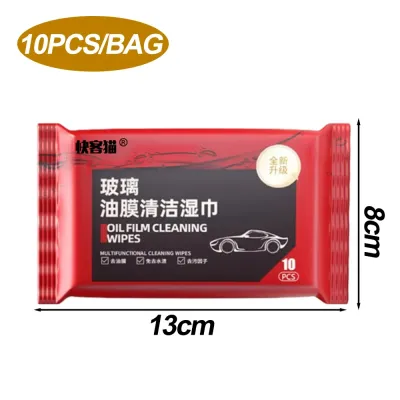
38 Lazada user ratings
Streak-free glass finish, Deep clean windshield, waiting for rains so we can see the effect of the glass degreasing wet wipes.
👌Ease of Use:perfect for cars ✨Effectiveness:usable for everyday car thingd 💰Value for Money:cheaper than other stores
thank you so much sana effective hehehehe💖💖💖💖💖💖💖💖💖💖💖💖💖💖💖💖💖💖💖💖💖💖💖💖💖💖
to be tested
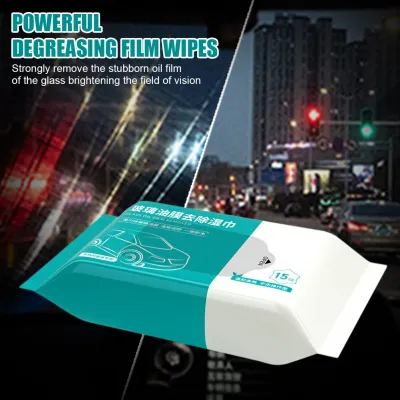
648 Lazada user ratings
Gentle on the windshield, Efficiently removes oil film, Great value for money, Leaves no streaks on glass, Convenient for on-the-go cleaning…Read full reviewShow less
Gentle on the windshield, Efficiently removes oil film, Great value for money, Leaves no streaks on glass, Convenient for on-the-go cleaning, Perfect for maintaining clear visibility, High-quality material used, No need for additional cleaning products,
Convenient for on-the-go cleaning, Efficiently removes oil film, Efficiently removes oil film, Efficiently removes oil film, Leaves no strea…Read full reviewShow less
Convenient for on-the-go cleaning, Efficiently removes oil film, Efficiently removes oil film, Efficiently removes oil film, Leaves no streaks on glass, High-quality material used, Convenient for on-the-go cleaning,
Fast shipping and delivery. I haven’t tried it yet. But i will update once I have. So far, I received the item in good condition.
Great value for money, Compact and easy to carry, No need for additional cleaning products,
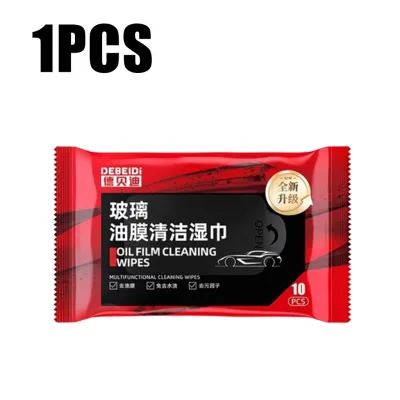
289 Lazada user ratings
I haven’t tried it yet. Ive just received the product due inclement weather condition this past few weeks. Thank you for delivering it as so…Read full reviewShow less
I haven’t tried it yet. Ive just received the product due inclement weather condition this past few weeks. Thank you for delivering it as soon as possible. I will be sending other review after i tried it on my car.
works well even during trips. no need to car wash. just apply to remove road grease on windshield.
Great value for money. Quick cleaning tissue. Not that effective but it works.
Thanks LEX Fast delivery Thanks seller - CartoYou Will try to use on my car
Effective oil film removal, Safe for glass surfaces,
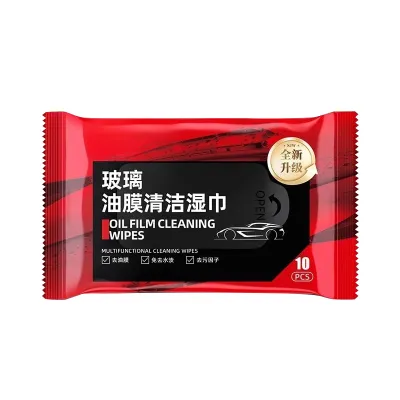
448 Lazada user ratings
👌Ease of Use:yes 🔨Durability:nice 🔒Safety:yes 💪Effectiveness:very effective for acid rain removal ✨Effectiveness:very effective Absorbs inse…Read full reviewShow less
👌Ease of Use:yes 🔨Durability:nice 🔒Safety:yes 💪Effectiveness:very effective for acid rain removal ✨Effectiveness:very effective Absorbs insect residue easily, 💰Value for Money:worth it for money
The package was recieved in good condition. It was well wrapped. The product removes oil film and made the wind shield clear Thanks
very good & nice quality haven't tried yet? but I know it's good coz my friend recommended thanks lasada and delivery man
wag niyo na subukan mag order wala g kwentang product Buti nalang ta 10pcs lang in order ko use less
Non-sticky and non-clumping, Absorbs insect residue easily,
22 Lazada user ratings
Walang kweta yang produto nyo sayang pera ko wag na kayong omurder pangit talaga
Will try it first
Prices are valid at publication and may change. Please refer to the product page for the latest price.
Dry detailing wipes operate on a physical principle. Most high-quality dry wipes are made from microfiber, a synthetic material composed of polyester and polyamide. During manufacturing, these fibers are split, creating microscopic hooks and channels. Sliding a dry microfiber wipe across a surface generates a mild electrostatic charge that pulls loose dust, lint, and pet hair into the fibers, trapping them deep within the fabric structure rather than pushing them around. Additionally, the polyamide content gives dry wipes exceptional capillary action, allowing them to absorb liquids and moisture rapidly without chemical assistance.
These distinct mechanisms dictate the baseline effectiveness of each wipe type. Wet wipes excel at tackling bonded contaminants that require chemical breakdown, such as dried soda, grease, or bird droppings, but they require drying time to prevent spotting. Dry wipes are highly effective for dry, loose debris and moisture removal, but they lack the chemical power to dissolve hardened or sticky substances. Attempting to clean a sticky spill with a dry wipe will only saturate the fibers and spread the residue, highlighting why both types are necessary in your detailing toolkit.
Surface Compatibility and Finish Residues
Before applying any detailing wipe, consider how it interacts with different materials and what kind of finish it leaves behind. Wet wipes, due to their chemical saturation, carry a risk of leaving visible residues or causing compatibility issues if used on the wrong surface. For instance, wet wipes formulated for vinyl and plastic trim often contain conditioning agents, silicone, or protective polymers designed to leave a satin or high-gloss sheen. If used on interior glass, mirrors, or instrument clusters, these conditioning agents leave a greasy, hazy film that impairs visibility. Furthermore, some wet wipes contain alcohol or mild solvents that can dry out untreated leather, degrade sensitive anti-glare coatings on infotainment screens, or cause discoloration on delicate matte finishes.

Dry wipes are generally much safer across a wider variety of sensitive surfaces because they do not introduce foreign chemical agents. A clean, dry microfiber wipe is highly compatible with glass, chrome, clear plastics, and painted surfaces, leaving a completely streak-free finish. However, dry wipes have their own limitations. If a dry wipe is used on a surface contaminated with heavy oils, greases, or waxes, it cannot dissolve these substances. Instead, the dry fibers will smear the grease across the surface, creating a cloudy residue. Additionally, because dry wipes lack chemical lubricants, using them with excessive pressure on delicate, scratch-prone surfaces—such as piano black interior trim or soft clear coats—can lead to fine scratches and marring if any abrasive particles are present.
To prevent permanent damage, always check the product manufacturer’s label for specific surface warnings and authorized uses. A material name alone does not guarantee safety; for example, a wipe labeled generally for ‘interiors’ may not be safe for delicate leather seats or sensitive electronic displays. Verify that the product is explicitly rated for the specific material you intend to clean, whether it is leather, soft-touch plastics, glass, or exterior paint. When dealing with sensitive or aftermarket materials, testing the wipe on a small, inconspicuous area first is a prudent step to ensure compatibility.
Ideal Use Cases for Interior and Exterior Detailing
Selecting the right wipe depends heavily on the specific detailing task, the type of soil present, and the environmental conditions under which you are working. Wet detailing wipes excel in scenarios where contaminants have bonded to the surface and require chemical intervention to break their hold. On the vehicle’s exterior, wet wipes are highly suitable for spot-cleaning localized, organic messes such as fresh bird droppings, tree sap, or squashed insects. The liquid lubricants in the wipe soften these acidic substances, allowing you to lift them away before they can etch into the clear coat. Inside the cabin, wet wipes are the ideal choice for cleaning high-touch areas that accumulate body oils, sweat, and grime, such as steering wheels, gear shifters, door handles, and cup holders. They are also indispensable for cleaning up sticky liquid spills, muddy footprints on door sills, and ground-in dirt on vinyl floor mats.
Dry detailing wipes are best reserved for routine maintenance, dust control, and finishing steps where moisture is undesirable. Inside the vehicle, dry wipes are highly effective for dusting the dashboard, steering column, and climate control vents, as they trap the dust without leaving a wet residue that can attract more dust later. They are also the preferred tool for cleaning interior glass, mirrors, and infotainment screens, where they can easily buff away light fingerprints and dust without leaving streaks or risking liquid intrusion into sensitive electronics. On the exterior, dry wipes are excellent for absorbing water droplets after a wash to prevent water spotting, dusting off light, non-abrasive pollen or dust from a garaged vehicle, and buffing away dried wax or quick detailer spray to reveal a high-gloss shine.
Environmental factors also play a significant role in deciding which wipe to use. Working in direct sunlight or high ambient temperatures can cause the liquid solutions in wet wipes to evaporate almost instantly upon contact with hot car panels or glass. This rapid evaporation leaves behind concentrated chemical residues, streaks, and spots that are incredibly difficult to buff out. In contrast, dry wipes are unaffected by temperature and sunlight, making them a much more reliable option for quick dust-downs or glass cleaning during hot, sunny days. If you must use wet wipes in warm conditions, it is advisable to work in small, shaded sections and immediately follow up with a dry wipe to buff the surface clean before the liquid can dry on its own.
Decision Framework: Choosing the Right Wipe for Your Needs
To determine which detailing wipe to purchase and keep in your vehicle, evaluate your routine maintenance habits, the typical condition of your car, and your specific cleaning goals.
Choose wet detailing wipes if your primary needs include:
- Tackling sticky messes, spilled drinks, or greasy food residues inside the cabin.
- Cleaning and conditioning vinyl, rubber, and plastic trim to protect them from UV damage.
- Performing quick spot-cleaning on the exterior to remove organic contaminants like bird droppings or bugs before they damage the paint.
- Sanitizing high-touch surfaces and removing accumulated body oils from the steering wheel and door controls.
Choose dry detailing wipes if your primary goals are:
- Performing routine, daily dusting of the dashboard, console, and vents to keep the interior looking fresh.
- Achieving a completely streak-free finish on interior glass, mirrors, and digital displays.
- Buffing away liquid detailing sprays, waxes, or water spots after a wash.
- Absorbing accidental liquid spills quickly before they can soak into carpets or upholstery.
It is important to recognize that neither wet nor dry detailing wipes are suitable for every detailing challenge. If your vehicle is covered in heavy mud, road salt, thick road grime, or abrasive grit, attempting to clean it with any type of wipe can cause severe paint marring, swirl marks, and scratches. These conditions require a traditional, multi-stage wash with running water, car wash shampoo, and a grit guard bucket to safely flush away heavy debris. Similarly, wipes cannot resolve deep paint defects, heavy oxidation, embedded iron fallout, or severe water spot etching; these issues require specialized clay bars, polishing compounds, and machine buffers.
Before using any wipe on specialized materials, verify the vehicle manufacturer’s guidelines. Vehicles equipped with aftermarket matte wraps, ceramic coatings, sensitive anti-glare infotainment screens, or delicate aniline leather require specialized, pH-balanced, or manufacturer-approved cleaning products. Standard detailing wipes may contain chemicals or physical textures that can degrade these sensitive surfaces, so always consult your vehicle’s documentation and the product labels to ensure a safe, compatible clean.
Frequently Asked Questions (FAQ)
Can I use wet detailing wipes on my car's infotainment screen?
You should avoid using standard wet detailing wipes on your car’s infotainment screen unless the product label explicitly states it is safe for electronic displays. Many automotive wet wipes contain alcohol, ammonia, or harsh solvents that can permanently degrade the delicate anti-glare, anti-reflective, or oleophobic coatings applied to modern screens. Additionally, excess liquid from a highly saturated wet wipe can seep into the edges of the screen bezel, potentially causing short circuits or permanent damage to the underlying electronics. For safe cleaning, consult your vehicle owner’s manual. Generally, a dry, clean microfiber wipe is the safest option for removing dust and light fingerprints. If a liquid cleaner is necessary, use a dry microfiber cloth lightly pre-sprayed with a dedicated, alcohol-free electronics cleaner, ensuring no liquid is applied directly to the screen itself.
Do dry detailing wipes scratch car paint?
Dry detailing wipes can scratch your car’s paint if they are used incorrectly or on a surface contaminated with abrasive dirt. While high-quality dry microfiber wipes are soft, they require a lubricant to safely glide over painted surfaces without causing micro-scratches or swirl marks. If your paint has a layer of road grit, sand, or heavy dust, wiping it with a dry cloth will drag those abrasive particles across the clear coat, acting like fine sandpaper. Dry wipes should only be used on paint for absorbing clean water droplets after a wash, buffing off dried wax, or removing very light, non-abrasive dust from a vehicle that has been kept indoors. If the surface has any visible road grime or grit, you must use a wet wipe formulated with high-lubricity polymers, a quick detailer spray, or a proper water-based wash to safely encapsulate and lift the dirt away from the paint.

Community discussion
Share your experience or ask a question. Comments are reviewed before publication.