
When maintaining your vehicle, selecting the correct engine oil 10w40 gasoline formulation is one of the most critical decisions you can make to ensure long-term reliability. Motor oil is the lifeblood of your engine, reducing friction, dissipating heat, and preventing metal-on-metal wear. However, navigating the numbers on the bottle can be confusing if you do not know what physical properties they represent.
Using the wrong viscosity can lead to sluggish performance, increased fuel consumption, or even severe internal engine damage over time. This guide breaks down exactly what the 10W-40 rating means, how it behaves under different driving conditions, and how to determine if it is the correct choice for your specific vehicle.
Decoding the 10W-40 Viscosity Rating: What the Numbers Actually Mean
The alphanumeric code on an oil bottle represents its viscosity grade, established by the Society of Automotive Engineers (SAE). This system tells you how the fluid flows at both freezing cold and normal operating temperatures. Because modern motor oils are multi-grade, they are engineered to change their flow characteristics dynamically as temperatures shift.
Products mentioned in this guide
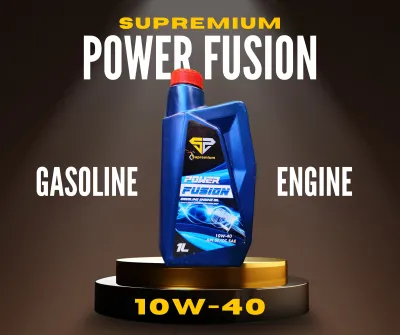
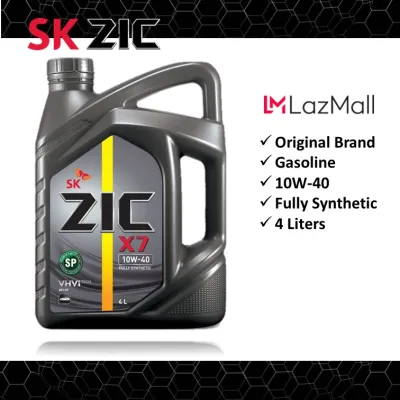
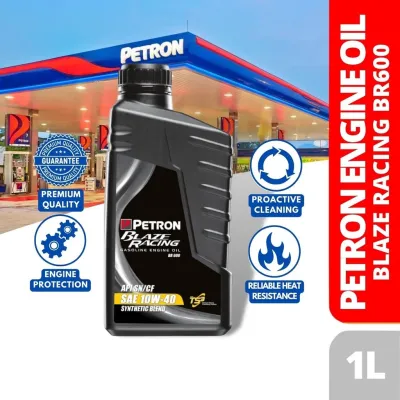
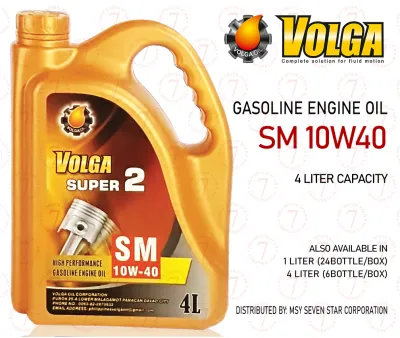
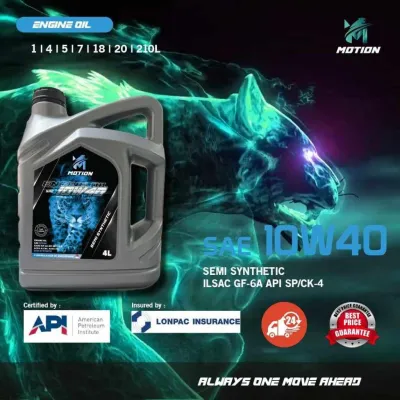
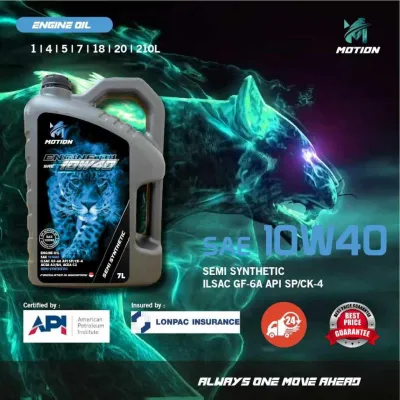
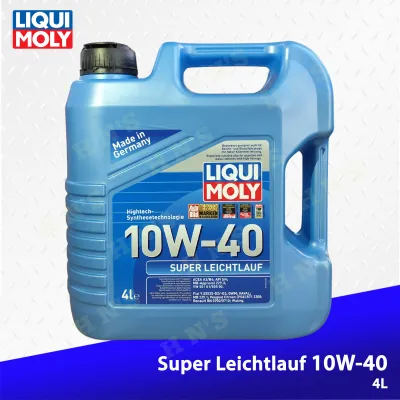
Prices are valid at publication and may change. Please refer to the product page for the latest price.
The “10W” portion of the rating stands for Winter. The number preceding the “W” is a cold-flow rating, indicating how easily the oil pumps and circulates when you first start the vehicle after it has been sitting idle. A lower winter number means the oil remains thinner and flows faster in cold weather, protecting critical moving parts from dry-start wear during the initial seconds of operation.
The “40” represents the oil’s operating viscosity, measured at a standardized engine temperature of 100°C. This number indicates the oil’s thickness and its ability to maintain a protective film under intense heat and mechanical load. A higher second number means the oil resists thinning more effectively when the engine reaches its fully warmed-up state.
Multi-grade oils achieve this versatility through the use of viscosity index improvers, which are polymers that expand as temperature rises. It is a common misconception that a higher operating number is universally better for every car. In reality, a thicker oil film is only beneficial if your engine’s internal clearances are designed to accommodate it; otherwise, it simply creates unnecessary internal resistance.
How 10W-40 Motor Oil Performs in Tropical Climates
Operating a vehicle in tropical environments like the Philippines presents unique thermal challenges for internal combustion engines. Ambient temperatures regularly exceed 30°C, and high humidity levels place continuous stress on cooling systems. In these conditions, understanding how your motor oil behaves under sustained heat is crucial.

Because freezing temperatures are virtually non-existent in tropical regions, the cold-start protection offered by a “10W” rating is more than sufficient. While a 0W or 5W oil is critical in freezing climates to prevent the fluid from turning gel-like, a 10W oil flows exceptionally well at typical tropical morning temperatures. It quickly reaches the overhead cams and valve train without hesitation.
During heavy urban traffic, prolonged idling, or long highway drives under the midday sun, the “40” high-temperature rating becomes highly relevant. The thicker viscosity helps maintain stable oil pressure when the engine compartment becomes heat-soaked. This robust oil film protects main bearings, piston rings, and cylinder walls from scuffing under extreme thermal loads.
However, you must remember that an engine’s internal operating temperature is regulated by its thermostat and cooling system, usually hovering between 90°C and 105°C regardless of external weather. While ambient heat does influence how quickly an engine warms up and how hot the underhood area gets, the vehicle’s internal design tolerances remain the primary factor in choosing a viscosity grade.
How to Tell If Engine Oil 10W40 Gasoline Formulas Are Right for Your Vehicle
The absolute golden rule of vehicle maintenance is to verify the exact viscosity and performance specifications required by your vehicle manufacturer. Always consult your owner’s manual or check the oil filler cap under the hood before purchasing. Look for specific performance standards such as the American Petroleum Institute (API) SP or SN ratings to ensure the oil meets modern deposit and sludge control requirements.
An engine oil 10w40 gasoline specification is typically ideal for older gasoline engines or high-mileage vehicles that have surpassed 100,000 kilometers. As an engine accumulates mileage, the physical clearances between moving parts like bearings, pistons, and journals gradually widen due to natural wear. A slightly thicker 40-grade oil helps fill these larger gaps, restoring lost oil pressure and reducing physical vibration.
Older engine designs also benefit from the sealing capabilities of a 10W-40 formula. If your vehicle has started consuming thinner oil (such as 5W-30) between service intervals, or if you notice minor oil weeping around gaskets, switching to a 10W-40 can help minimize oil consumption. The thicker film is less likely to slip past worn piston rings or valve stem seals into the combustion chamber.
If you are choosing between brands in the local market, reputable options like Shell Helix, Castrol Magnatec, and Motul offer reliable 10W-40 formulations. These brands typically range from budget-friendly mineral oils to mid-range semi-synthetics, which generally cost between ₱350 and ₱700 per liter. Always check with a qualified mechanic to assess your engine’s physical wear state if you are considering stepping up to a thicker viscosity than what was originally recommended.
When to Avoid 10W-40: Modern Engines and Fuel Economy
While 10W-40 is highly effective for older designs, using it in a modern, precision-engineered gasoline engine can lead to serious mechanical issues. Modern passenger cars are built with incredibly tight tolerances, often requiring ultra-low viscosity oils like 0W-16, 0W-20, or 5W-30. These engines rely on rapid oil circulation to function correctly.
If you put a thicker 10W-40 oil into an engine designed for a 0W-20, the fluid will struggle to pass through the micro-passages of the oil gallery. This restriction causes oil starvation at startup, leading to accelerated wear on the camshafts and bearings. Furthermore, modern Variable Valve Timing (VVT) and variable valve lift systems rely on precise hydraulic oil pressure to adjust timing; thick oil can slow down these actuators, triggering check engine lights and poor performance.
Fuel economy is another major trade-off when using a thicker oil. A 40-weight oil creates more fluid drag inside the engine than a 20-weight or 30-weight oil. This extra resistance forces the engine to work harder to spin the crankshaft, which directly translates to lower fuel efficiency and increased fuel expenses over time.
Finally, using a non-approved viscosity grade can have severe financial consequences. If your vehicle is still covered by a manufacturer warranty, using an oil viscosity that deviates from the approved list in your owner’s manual can completely void your powertrain warranty. Always prioritize the manufacturer’s specified standards to protect both your engine and your wallet.
Frequently Asked Questions (FAQ)
Is 10W-40 good for high-mileage gasoline engines?
Yes, 10W-40 can be highly beneficial for older, high-mileage engines that exhibit signs of wear, such as low oil pressure or minor oil consumption. The thicker operating film helps seal the wider clearances between worn internal components, reducing the amount of oil that bypasses the piston rings and burns off. However, you should only make this transition if your vehicle’s manufacturer lists 10W-40 as an acceptable alternative viscosity, or if a professional mechanic recommends it after assessing your engine’s physical condition.
Can I mix 10W-40 with a different oil viscosity?
It is highly recommended to avoid mixing different oil viscosities, as doing so alters the carefully engineered flow characteristics and additive packages of the fluids. Mixing a thin oil with a thick oil results in an unpredictable intermediate viscosity that may not properly protect your engine under load. If you find yourself in an emergency where your oil level is dangerously low and the correct grade is unavailable, adding a small amount of a different viscosity is better than running the engine dry; however, you should perform a complete oil and filter change as soon as possible to restore the correct specification.
Community discussion
Share your experience or ask a question. Comments are reviewed before publication.