
When maintaining a diesel-powered vehicle in a tropical climate, choosing the correct engine oil is paramount to ensuring longevity and performance. If you have ever looked at a bottle of engine oil, you have likely noticed the alphanumeric rating printed on the front. One of the most common and trusted options for diesel engines is 15W-40, such as the widely used delo 15w40 diesel oil. This multi-grade viscosity rating, established by the Society of Automotive Engineers (SAE), indicates how the oil behaves under different temperature conditions. The “15W” indicates the oil’s cold-start flow capabilities, while the “40” represents its thickness at high operating temperatures. It serves as a highly versatile, reliable choice for both heavy-duty and light-duty diesel engines, making it particularly suited for the warm, humid, and demanding driving conditions of the Philippines.
Decoding the 15W-40 Viscosity Rating
Understanding what these numbers mean on a practical level helps you make informed decisions about your vehicle’s maintenance. The SAE rating system is designed to show how an oil flows at both the lowest and highest temperatures your engine is likely to experience.
What "15W" Means for Cold Starts
The letter “W” in 15W-40 stands for “Winter,” not weight. The number preceding it, 15, indicates the oil’s flow characteristics and pumping ability at low temperatures. While a 15W rating is not formulated for sub-zero, freezing environments where extreme cold-flow properties are mandatory, it is highly adequate for tropical and subtropical regions. Even during cooler early mornings or when driving through high-altitude areas like Baguio, a 15W oil flows quickly enough to lubricate critical engine components upon startup, preventing dry friction and premature wear before the engine reaches its optimal operating temperature.
Products mentioned in this guide
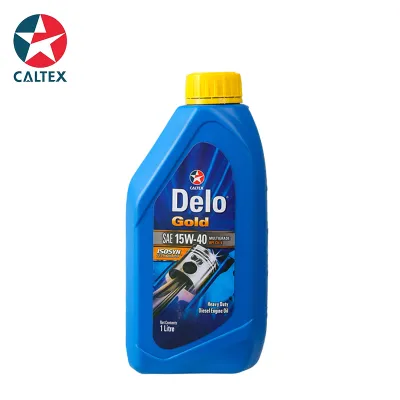
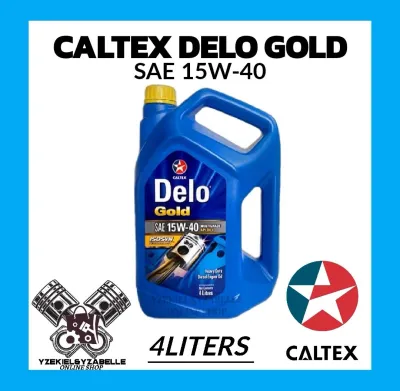
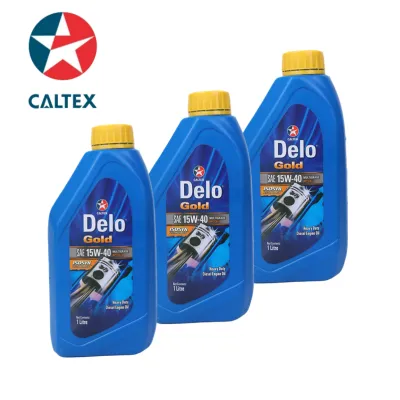
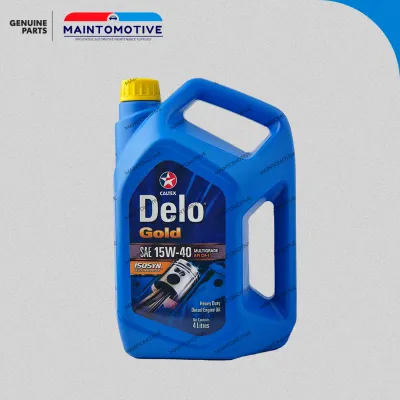
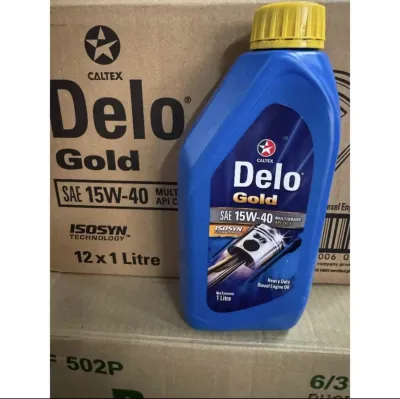
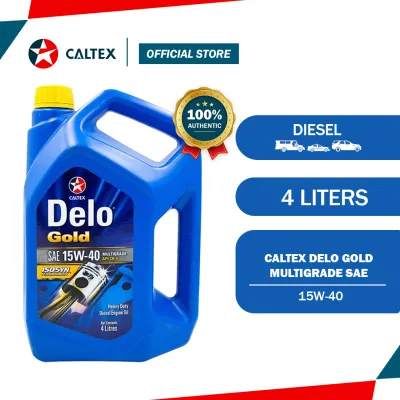
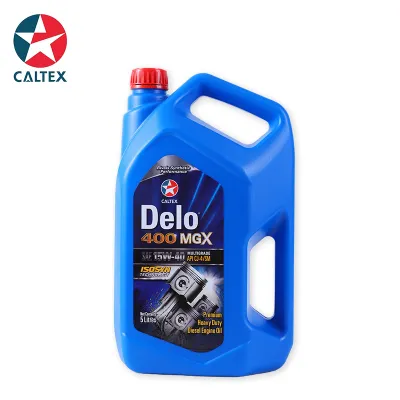
Prices are valid at publication and may change. Please refer to the product page for the latest price.
What "40" Means for High-Temperature Protection
The second number, 40, measures the oil’s kinematic viscosity at standard engine operating temperatures, typically measured at 100°C. This number indicates the oil’s thickness and resistance to flow when the engine is fully warmed up. A 40-weight oil provides a robust, stable lubricating film between moving metal parts, such as pistons, crankshafts, and camshafts. Under heavy loads and intense heat, this protective film prevents metal-on-metal contact, minimizes friction, and helps seal the combustion chamber to maintain optimal engine compression.
Why Diesel Engines Benefit from Delo 15W-40 Diesel Oil and Other Standard Formulations
Diesel engines operate under significantly different mechanical and thermal stresses compared to gasoline engines. Consequently, they require a robust oil formulation that can withstand these unique demands over long drain intervals.

Handling Higher Compression and Soot
Diesel engines operate with much higher compression ratios than gasoline engines, which puts immense mechanical stress on internal components like engine bearings. Additionally, the combustion process of diesel fuel naturally produces soot and acidic byproducts. A high-quality 15W-40 oil relies on a robust 40-weight film combined with specialized diesel additive packages. These additives work to suspend soot particles, preventing them from clumping together and causing abrasive wear, while also neutralizing harmful acids before they can corrode sensitive engine parts.
Heat and Shear Stability in Warm Climates
In the Philippines, vehicles frequently face a combination of high ambient temperatures, heavy payloads, and prolonged stop-and-go traffic. These factors dramatically increase the thermal load on an engine. Under such extreme conditions, lower-viscosity oils can suffer from “shearing”—a process where mechanical stress permanently thins the oil. A 15W-40 oil offers excellent shear stability, maintaining its structural integrity and viscosity under high-stress conditions. This ensures consistent oil pressure and reliable protection throughout the entire service interval.
Comparing 15W-40 to Other Common Viscosity Grades
To determine if 15W-40 is the right choice for your vehicle, it helps to compare it with other common viscosity grades available on the auto supply shelves.
15W-40 vs. 5W-40
Both 15W-40 and 5W-40 share the same high-temperature protection rating of “40,” meaning they offer identical film strength once the engine reaches its standard operating temperature. However, 5W-40 is typically a full synthetic oil that flows much better in freezing or near-freezing temperatures. While 5W-40 is excellent for cold climates or modern engines requiring rapid oil circulation at startup, 15W-40 remains a highly cost-effective and perfectly adequate choice for regions where temperatures rarely drop near freezing, providing excellent hot-weather protection at a lower price point.
15W-40 vs. 20W-50
A 20W-50 oil is significantly thicker than 15W-40 at both cold starts and high operating temperatures. Historically, thicker oils like 20W-50 were favored for older, high-mileage diesel engines to help reduce oil consumption and seal minor internal clearances. However, modern diesel engines are engineered with much tighter internal tolerances. Using an oil that is too thick, such as 20W-50, can restrict oil flow during cold starts, increase internal drag, and reduce the engine’s cooling efficiency. For most modern and mid-generation diesel vehicles, 15W-40 provides the ideal balance of flow and protection.
How to Choose the Right 15W-40 Diesel Oil
Selecting the correct oil involves looking beyond the viscosity numbers on the front of the bottle. You must also ensure the oil meets the specific performance standards required by your vehicle’s manufacturer.
Checking API and OEM Specifications
Before purchasing any engine oil, always consult your vehicle owner’s manual to identify the required specifications. Look for the American Petroleum Institute (API) service categories on the oil label, such as CK-4 or CJ-4, which are designed for modern low-emission diesel engines. Reputable brands like Delo, Shell, and Castrol offer various 15W-40 products, but matching the exact OEM (Original Equipment Manufacturer) specification or API standard is the most critical step to ensure warranty compliance and complete engine protection. If the instructions in your owner’s manual conflict with the oil bottle label, prioritize the vehicle manufacturer’s guidelines or consult a certified mechanic.
Synthetic vs. Conventional Blends
Within the 15W-40 category, you will find conventional mineral oils, synthetic blends, and full synthetic options. Full synthetic and synthetic blend oils offer superior resistance to oxidation, better thermal stability, and enhanced soot-handling capabilities, making them ideal for severe operating conditions or extended drain intervals. Conventional mineral oils, on the other hand, provide a highly budget-friendly solution for standard duty cycles and older engine designs. Regardless of the base oil type you choose, always adhere to the vehicle manufacturer’s recommended service intervals and oil life monitoring alerts.
Frequently Asked Questions (FAQ)
Here are answers to some of the most common questions regarding the use and maintenance of 15W-40 diesel engine oil.
Can I use 15W-40 diesel oil in a gasoline engine?
While some diesel engine oils carry dual API ratings (such as API CK-4/SN) indicating they are safe for certain gasoline engines, using a strictly diesel-formulated 15W-40 in a modern gasoline passenger car is generally not recommended. Dedicated diesel oils contain higher concentrations of anti-wear additives, such as zinc and phosphorus. Over time, high levels of these additives can poison and permanently damage the catalytic converters and oxygen sensors in gasoline emissions systems. Always check the product label for gasoline compatibility before use.
How often should I change 15W-40 diesel oil?
The ideal oil change interval depends heavily on your vehicle manufacturer’s specifications, your driving habits, and whether you use conventional or synthetic-blend oil. Severe driving conditions—such as constant idling in city traffic, short trips, or hauling heavy loads—will require more frequent oil changes. Refer to the maintenance schedule in your vehicle owner’s manual for precise mileage or time limits, and make it a habit to check your oil level and condition using the dipstick at least once a week to ensure your engine remains properly lubricated.
Community discussion
Share your experience or ask a question. Comments are reviewed before publication.