
Selecting the correct engine oil is one of the most critical decisions you can make to ensure the longevity and efficiency of your diesel vehicle. Among the various viscosity grades available on the market, 15W-40 is arguably the most common and widely utilized for heavy-duty applications, utility vehicles, and older passenger diesel engines. At its core, the 15W-40 rating indicates a multigrade oil designed to flow adequately at lower temperatures while maintaining a robust protective barrier when the engine reaches its full operating temperature.
In tropical environments like the Philippines, where engines face the dual challenges of intense ambient heat and severe stop-and-go traffic, understanding what these numbers mean is vital. The right oil prevents premature component wear, controls soot buildup, and maintains internal cleanliness. Conversely, choosing an incorrect viscosity or specification can lead to accelerated engine wear, reduced fuel economy, or even catastrophic component failure. This guide breaks down the science behind the 15W-40 rating, explains why diesel engines demand this specific formulation, and outlines how to verify if options like Delo Gold 15W-40 are suitable for your specific vehicle.
Decoding the 15W-40 Viscosity Rating
To understand 15W-40, you must first look at how the Society of Automotive Engineers (SAE) classifies engine oils under the SAE J300 standard. The “15W” portion of the label designates the oil’s low-temperature or winter performance. The letter “W” stands for winter, not weight. The number preceding it indicates how easily the oil can pump and flow at sub-zero temperatures, as well as how much resistance the starter motor will encounter during a cold crank. A lower number before the “W” means the oil remains more fluid in extreme cold, allowing it to circulate rapidly to critical engine components immediately after startup.
Products mentioned in this guide
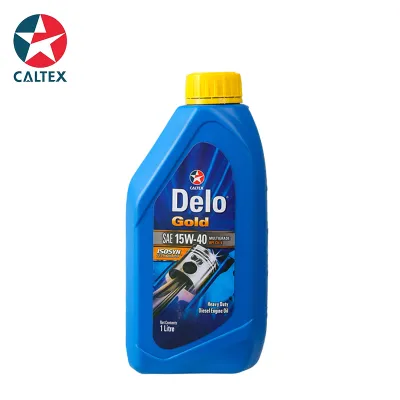
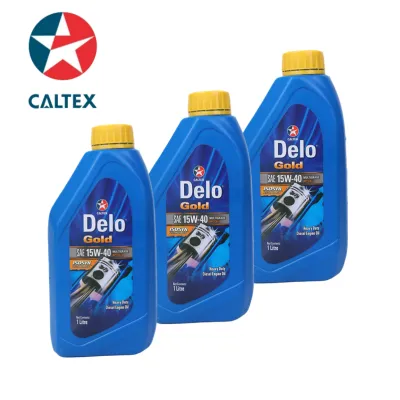
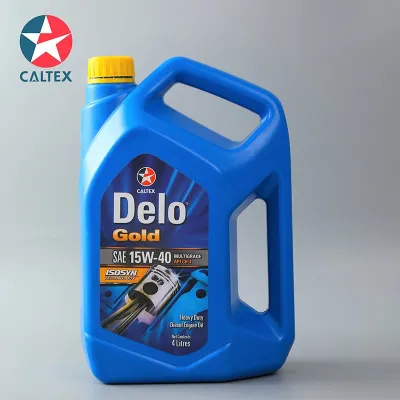
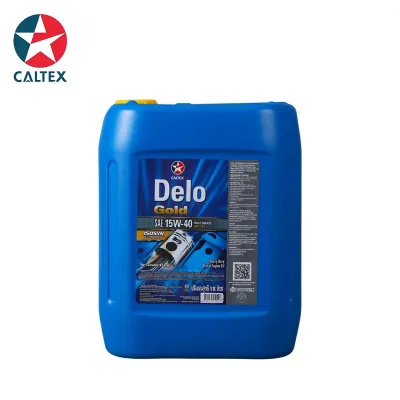
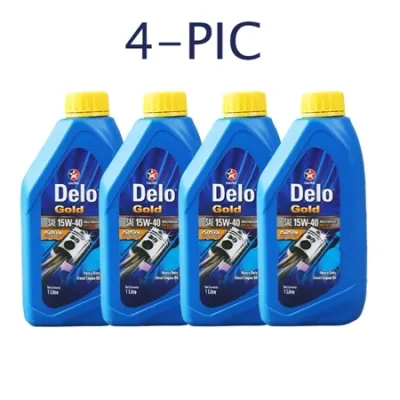
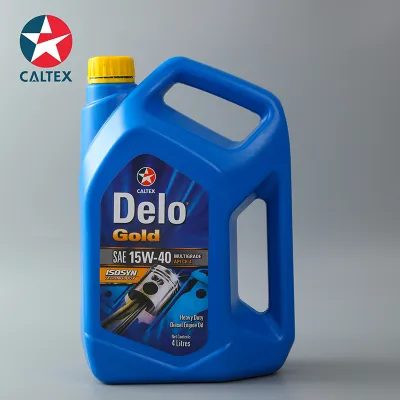
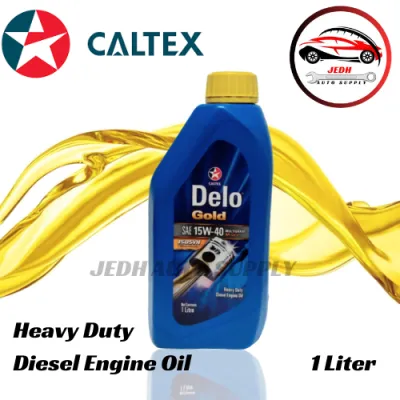
Prices are valid at publication and may change. Please refer to the product page for the latest price.
The second number, “40,” represents the oil’s kinematic viscosity at normal engine operating temperatures, which is standardized at 100°C. At this elevated temperature, the oil must retain enough thickness—measured in centistokes (cSt)—to keep moving metal parts from directly contacting one another. A 40-grade oil provides a thicker hydrodynamic film than a 30-grade oil under the same thermal conditions, offering robust protection for components subjected to high mechanical stress.
It is crucial to clarify a common misconception among vehicle owners: viscosity is solely a measure of the oil’s resistance to flow at specific temperatures, not a direct indicator of overall oil quality, base oil refinement, or additive sophistication. Two different oils can both be rated as 15W-40, yet one might utilize highly refined mineral base stocks while the other incorporates advanced synthetic technology. The physical thickness of the oil does not tell you how long the oil will last or how effectively it will clean your engine; those attributes are determined by the base oil group and the chemical additive package.
Why Diesel Engines Rely on 15W-40 Oil
Diesel engines operate under significantly harsher internal conditions than their gasoline counterparts. Because they rely on compression ignition, diesel engines generate immense cylinder pressures and compression ratios, often exceeding 16:1 or higher. These extreme forces exert massive downward pressure on the pistons, connecting rods, and crankshaft bearings. A 15W-40 oil provides the necessary film strength (the “40” hot rating) to withstand these severe boundary lubrication conditions, preventing metal-on-metal wear under heavy loads.

Furthermore, the combustion process in a diesel engine inherently produces high volumes of particulate matter, commonly known as soot, along with acidic byproducts from fuel sulfur. If left unchecked, soot particles will agglomerate, forming larger, abrasive carbon structures that can scratch cylinder liners and increase oil viscosity to dangerous levels. A high-quality 15W-40 diesel oil is formulated with robust dispersant additives that bind to individual soot particles, keeping them suspended in the fluid and preventing them from clumping together or settling as sludge.
While the physical thickness of a 15W-40 oil provides the necessary mechanical barrier, the chemical additive package is the true engine protector. Diesel engine oils contain high concentrations of detergents to neutralize acidic combustion byproducts, anti-wear agents like zinc dialkyldithiophosphate (ZDDP) to shield high-friction zones, and shear-stability polymers that prevent the oil from thinning out permanently under mechanical stress. When selecting an oil, you must verify these chemical capabilities by looking at industry specifications rather than relying on the viscosity numbers alone.
Assessing Delo Gold 15W-40 Diesel Oil for Your Vehicle
When searching for a dependable lubricant, you will frequently encounter Delo Gold 15W-40 diesel oil, which is a highly prominent heavy-duty engine oil in the Philippine market. It is widely used in commercial fleets, utility vehicles, and older diesel SUVs. However, simply recognizing a trusted brand name and matching the 15W-40 viscosity is not enough to guarantee that the oil is safe or appropriate for your specific vehicle.
To perform a proper compatibility check, you must physically inspect the product label on the back of the bottle or consult the manufacturer’s official technical datasheet. Look for the American Petroleum Institute (API) service symbol, often called the API Donut. For diesel engines, these classifications begin with the letter “C” (e.g., CK-4, CJ-4, CI-4). If your vehicle is equipped with modern exhaust aftertreatment systems, such as a Diesel Particulate Filter (DPF) or Selective Catalytic Reduction (SCR), you must use a low-SAPS (sulfated ash, phosphorus, and sulfur) oil like API CK-4 to avoid clogging or poisoning the emissions equipment. Using an older standard like API CI-4 in a modern DPF-equipped engine can lead to costly exhaust system failures.
Before purchasing, cross-reference the API or European Automobile Manufacturers’ Association (ACEA) specifications printed on the oil bottle with the requirements listed in your vehicle owner’s manual. Many manufacturers also require specific OEM approvals (such as Cummins CES 20086, MB-Approval 228.31, or Volvo VDS-4.5). The brand name and viscosity grade are merely the starting point; the precise chemical certifications and manufacturer approvals printed on the packaging are the only definitive sources for ensuring a safe, warranty-compliant purchasing decision.
Operating Conditions: When 15W-40 is Ideal and When to Switch
The environmental and operational context of your vehicle plays a decisive role in determining if 15W-40 is the optimal choice. In tropical countries like the Philippines, ambient temperatures typically range from 25°C to over 38°C. Because the climate never drops to sub-zero levels, the low-temperature flow limitations of a 15W rating (which is rated for safe cranking down to -20°C) are practically irrelevant. The oil will flow easily upon morning startup, while the “40” hot rating ensures that the oil film remains thick and protective even during prolonged idling in heavy metropolitan traffic or when hauling heavy cargo up steep mountain passes.
However, there are scenarios where transitioning away from 15W-40 is highly recommended or mandatory. Modern, light-duty diesel engines—such as the high-pressure common-rail (CRDi) engines found in newer pickup trucks and mid-sized SUVs—are engineered with incredibly tight internal clearances. Many of these newer powerplants specifically mandate lower viscosity oils, such as 5W-30 or 5W-40, to ensure rapid oil pressure buildup upon startup and to reduce internal parasitic drag, thereby improving fuel efficiency and meeting stringent emission standards.
To make an informed decision, establish a clear evaluation framework:
- Consult the OEM Manual: Always treat the vehicle manufacturer's recommended viscosity chart as the primary authority.
- Assess Vehicle Age and Wear: Older, high-mileage diesel engines with wider tolerances or minor oil consumption issues often benefit from the robust sealing properties of a traditional 15W-40 mineral oil.
- Evaluate Operating Load: Vehicles subjected to continuous heavy hauling, commercial transport, or extreme heat are prime candidates for 15W-40, provided the engine design permits it.
- Seek Professional Guidance: If you are uncertain about transitioning between mineral, semi-synthetic, or fully synthetic options, or if you are changing viscosity grades, consult a certified mechanic to inspect your engine's condition first.
Frequently Asked Questions (FAQ)
Can I mix 15W-40 with a different viscosity grade?
Mixing 15W-40 with another viscosity grade, such as 5W-30 or 10W-40, is highly discouraged. Doing so alters the physical flow characteristics of the oil, making it difficult to predict how the lubricant will perform at extreme temperatures. Furthermore, different oil formulations utilize distinct chemical additive packages; mixing them can dilute or destabilize these critical additives, reducing the oil’s ability to combat soot, wear, and acid buildup. You should only mix different oil grades in an absolute roadside emergency when the oil level is critically low, and you should perform a complete oil and filter change as soon as you reach a service station.
Does a higher rating like 15W-50 mean better protection for my diesel engine?
No, a higher viscosity rating like 15W-50 does not automatically translate to superior protection, and it can actually harm an engine designed for a lighter oil. If your engine’s internal clearances are designed for a 15W-40 or 10W-30 oil, using a thicker 15W-50 oil will increase internal fluid resistance. This extra drag forces the engine to work harder, which reduces fuel efficiency and raises operating temperatures. Additionally, an excessively thick oil may not circulate quickly enough through tight bearing clearances during initial startup, leaving critical components temporarily starved of lubrication and accelerating engine wear.
Community discussion
Share your experience or ask a question. Comments are reviewed before publication.