
When selecting motor oil, seeing “5W-30 Fully Synthetic” on a bottle indicates a highly versatile, chemically engineered lubricant designed to protect modern engines across a wide range of operating conditions. For vehicle owners seeking the optimal balance of fuel efficiency, wear protection, and thermal stability, choosing a 5W-30 fully synthetic gasoline engine oil is one of the most common and effective decisions. This specification tells you two critical things: how the oil flows at extreme temperatures (its viscosity rating) and how the oil was manufactured (its base stock formulation).
Understanding these terms is essential for maintaining your vehicle’s health. Motor oil is the lifeblood of your gasoline engine, preventing metal-on-metal contact, dissipating heat, and keeping internal components clean. Using the wrong oil can lead to accelerated wear, reduced fuel economy, or even catastrophic engine damage. By breaking down the technical details of the 5W-30 rating and the benefits of synthetic engineering, you can make an informed decision for your vehicle’s specific needs.
Understanding the 5W-30 Viscosity Rating
The alphanumeric code “5W-30” is established by the Society of Automotive Engineers (SAE) to classify motor oils by their viscosity, which is a measure of a fluid’s resistance to flow. Because engine temperatures fluctuate drastically from a cold start to high-speed highway driving, modern motor oils are formulated as “multi-grade” lubricants. This means they can flow easily when cold yet remain thick enough to protect components when hot.
Products mentioned in this guide
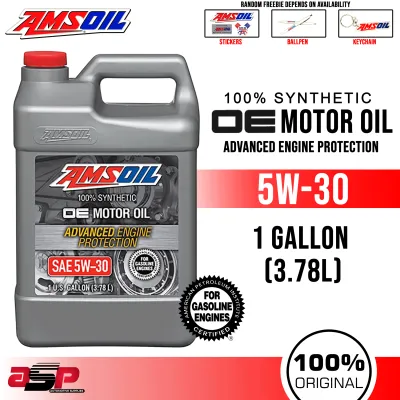
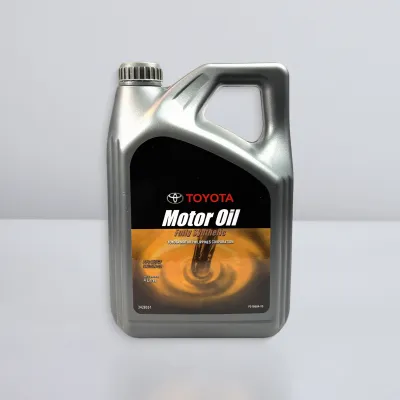
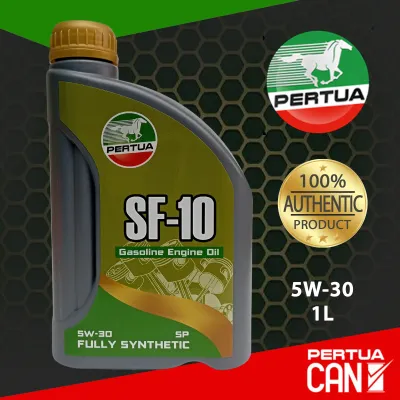
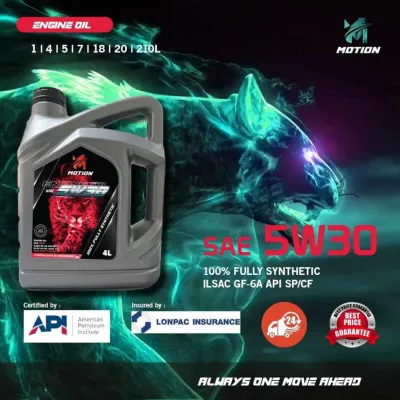
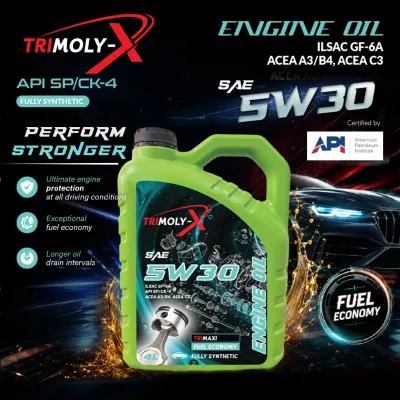
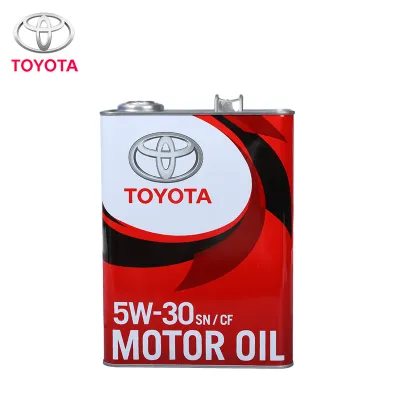
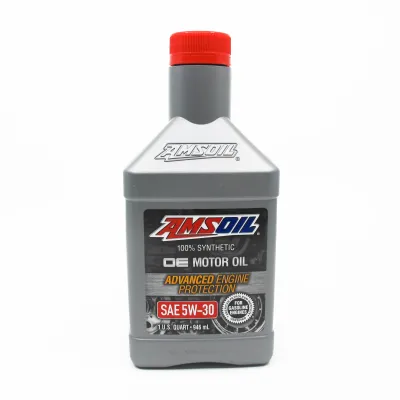
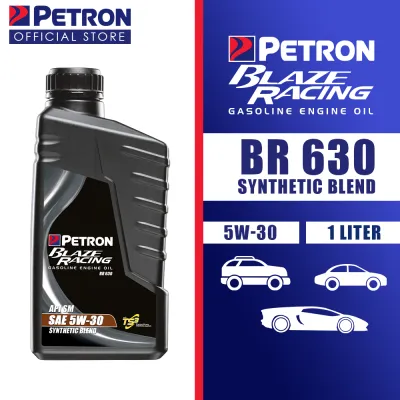
Prices are valid at publication and may change. Please refer to the product page for the latest price.
The “5W” portion of the rating designates the oil’s low-temperature viscosity, where the “W” stands for winter. In laboratory testing, a lower number before the W indicates that the oil remains fluid at sub-zero temperatures, resisting thickening. While a tropical climate like the Philippines rarely experiences freezing weather, this rating remains highly relevant. When an engine sits overnight, the oil settles into the oil pan. Upon startup, the oil pump must rapidly distribute the lubricant back to the overhead camshafts and valve trains. A 5W rating ensures the oil flows swiftly during these critical initial seconds, minimizing dry-start wear even in warm ambient temperatures.
The “30” represents the oil’s kinematic viscosity at normal engine operating temperatures, measured at 100°C. This number indicates the oil’s thickness once the engine is fully warmed up. A 30-weight oil provides a balanced oil film that is thick enough to cushion high-load components, such as bearings and pistons, while remaining thin enough to minimize fluid drag. This balance helps reduce internal friction, which directly supports fuel economy without sacrificing wear protection.
It is important to recognize that a higher or lower viscosity number is not inherently superior. Modern engines are designed with incredibly tight internal clearances, often requiring thinner oils to navigate narrow passages. If you use an oil with a viscosity that is too high, the lubricant may not flow quickly enough through these tight spaces, leading to localized overheating. Conversely, an oil that is too thin may fail to maintain a protective barrier under high loads. Always match the viscosity to the exact requirements of your engine’s oil pump and variable valve timing (VVT) systems.
What "Fully Synthetic" Actually Means for Your Engine
The term “fully synthetic” refers to the origin and manufacturing process of the base oil used in the lubricant. Unlike conventional mineral oils, which are refined directly from crude oil, fully synthetic lubricants are synthesized from highly purified chemical compounds. This fundamental difference in manufacturing translates to a superior molecular structure and enhanced performance.

At a molecular level, conventional mineral oil consists of hydrocarbon chains of varying shapes and sizes, along with natural impurities like sulfur and wax. Under high heat and pressure, these irregular molecules break down at different rates, leading to uneven lubrication. In contrast, fully synthetic base oils are engineered to have uniform molecular sizes and structures. This molecular uniformity allows the oil to slide over engine parts with minimal internal friction, providing predictable flow characteristics and exceptional shear stability under extreme thermal stress.
This molecular stability makes fully synthetic oil highly resistant to oxidation and thermal degradation. When gasoline engines operate under demanding conditions—such as the intense heat of tropical climates or the stop-and-go traffic of major metropolitan areas—oil temperatures can spike. Under these conditions, conventional oils can oxidize quickly, leading to the formation of harmful sludge, varnish, and carbon deposits. Fully synthetic formulations resist this breakdown, keeping the engine clean and preventing oil passages from becoming clogged.
While the base oil provides the foundation, a fully synthetic motor oil’s overall performance is heavily dependent on its additive package. Additives make up a significant portion of the finished product, providing crucial properties like detergent action to disperse soot, anti-wear agents to protect metal surfaces, and corrosion inhibitors. When purchasing 5W-30 fully synthetic gasoline engine oil, you are paying for both the premium synthetic base stock and a highly engineered additive package designed to maximize engine longevity.
How to Verify if 5W-30 Fully Synthetic Fits Your Engine
Choosing the right motor oil requires verifying compatibility with your specific vehicle. While 5W-30 fully synthetic is an incredibly popular and versatile specification, it is not a universal solution for every gasoline engine. To ensure you are protecting your investment, follow a structured verification process.
Your first and most important step is to consult your vehicle’s owner’s manual. The manufacturer specifies the exact viscosity grades approved for your engine under various ambient temperature ranges. Additionally, the manual will outline specific performance standards that the oil must meet. If your vehicle is still under warranty, using an unapproved viscosity or an oil that lacks the required manufacturer certifications can void your coverage.
Next, inspect the labels on the oil bottle for industry certifications, specifically those from the American Petroleum Institute (API) and the International Lubricant Standardization and Approval Committee (ILSAC). For modern gasoline engines, look for the latest standards, such as API SP and ILSAC GF-6A. These modern specifications are specifically formulated to address the challenges of direct-injection and turbocharged gasoline engines. They provide critical protection against Low-Speed Pre-Ignition (LSPI)—an abnormal combustion event that can cause severe piston damage—and offer enhanced protection against timing chain wear.
Finally, evaluate your typical driving conditions and maintenance habits. If your daily commute involves short trips, heavy stop-and-go traffic, or carrying heavy loads in hot weather, your vehicle operates under what manufacturers define as “severe driving conditions.” In these scenarios, the robust thermal stability of a fully synthetic oil is highly beneficial. However, remember that using a premium fully synthetic oil does not grant permission to neglect maintenance. You must still adhere to the oil change intervals recommended by the vehicle manufacturer, whether determined by mileage, time, or the vehicle’s onboard oil life monitoring system.
Frequently Asked Questions (FAQ)
Can I mix 5W-30 fully synthetic with conventional oil?
In emergency situations where your engine’s oil level is dangerously low, you can mix 5W-30 fully synthetic oil with conventional or synthetic blend oil of the same viscosity. Doing so will not cause immediate chemical reactions, gelling, or engine failure, as modern motor oils are designed to be compatible with one another. However, mixing these oils will significantly dilute the performance benefits of the fully synthetic lubricant. The mixture’s thermal stability, oxidation resistance, and overall protective qualities will drop closer to the level of the conventional oil. If you must top up your engine with conventional oil, it is highly recommended to schedule a complete oil and filter change at your earliest convenience to restore the full protection of a pure synthetic lubricant.
Does 5W-30 fully synthetic oil guarantee longer drain intervals?
While fully synthetic oils possess superior chemical stability and resist breaking down far longer than conventional oils, they do not automatically guarantee extended drain intervals. The lifespan of the oil in your engine is influenced by several factors beyond the base oil type, including the capacity and efficiency of the oil filter, the amount of fuel dilution, and the accumulation of combustion byproducts like soot and moisture. Over time, even synthetic oil becomes saturated with contaminants that can accelerate engine wear. To prevent damage, always follow the oil change intervals prescribed in your vehicle’s owner’s manual. Whether your manufacturer recommends changes based on a fixed mileage limit or an electronic oil life monitor, these guidelines remain the safest authority for protecting your engine.
Community discussion
Share your experience or ask a question. Comments are reviewed before publication.