
When you look at a bottle of motor oil on a service station shelf, the alphanumeric code on the front label is the most critical piece of information you need to understand. The designation 5W-30 represents a multi-grade viscosity rating established by the Society of Automotive Engineers (SAE). In simple terms, this rating tells you how easily the oil flows at freezing startup temperatures and how effectively it protects your engine when running at full operating heat. Selecting the correct rating ensures that internal metal components remain shielded from friction, preventing premature engine wear and costly mechanical failures.
Choosing the right motor oil requires looking past brand marketing to understand these standardized numbers. Whether you are performing a routine oil change or topping up a low reservoir, knowing how 5W-30 behaves inside your engine helps you maintain your vehicle’s performance and longevity. This guide breaks down the science behind viscosity ratings, explains how they perform in real-world driving conditions, and helps you determine if this common oil grade is the correct choice for your vehicle.
What the 5W-30 Viscosity Grade Actually Means
To understand 5W-30, you must first understand engine oil viscosity, which is a measure of a fluid’s resistance to flow. A low-viscosity fluid is thin and flows quickly like water, while a high-viscosity fluid is thick and moves slowly like honey. Inside an internal combustion engine, oil must be thin enough to flow instantly during a cold start, yet thick enough to maintain a strong protective barrier between rapidly moving parts when the engine reaches its hot operating temperature.
Products mentioned in this guide
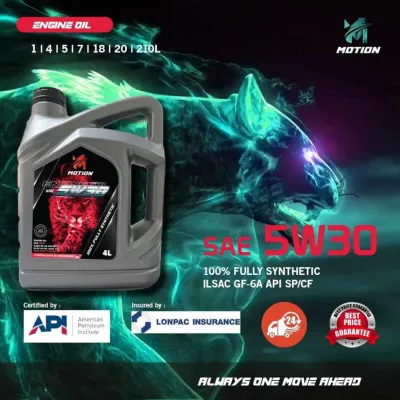
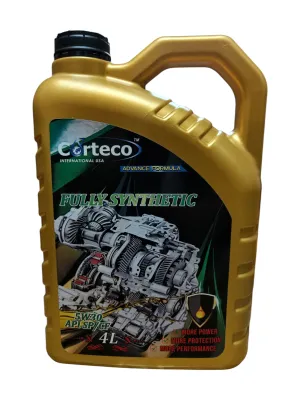
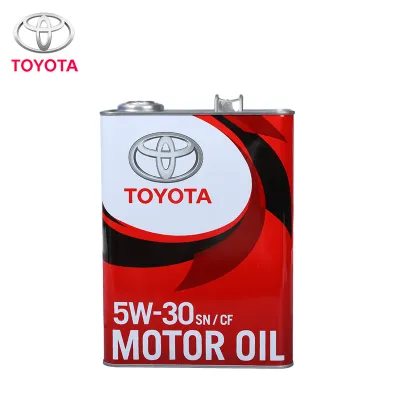
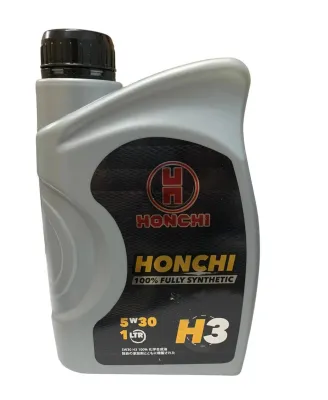
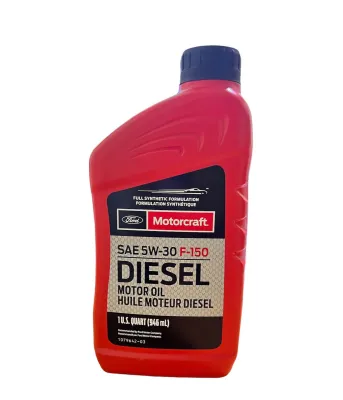
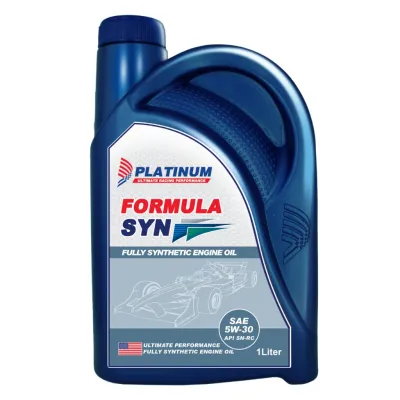
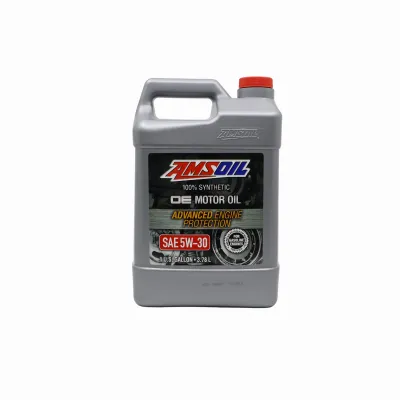
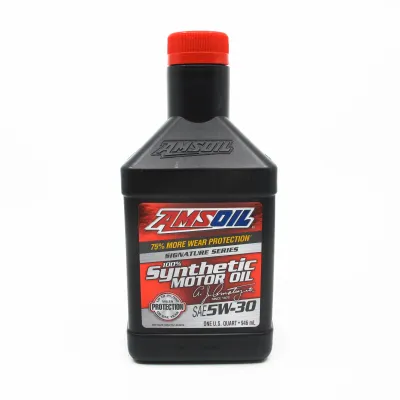
Prices are valid at publication and may change. Please refer to the product page for the latest price.
The “5W” portion of the rating refers to the oil’s low-temperature performance. Contrary to a common misconception, the “W” stands for “Winter,” not weight. The number preceding the W indicates the oil’s flow and cranking performance at sub-zero temperatures. A lower number before the W means the oil remains more fluid in extreme cold, allowing the starter motor to turn the engine over with less resistance and enabling the oil pump to distribute lubrication rapidly to the valvetrain and bearings.
The “30” in 5W-30 represents the oil’s kinematic viscosity at standard engine operating temperature, which is measured at 100°C (212°F). This rating indicates the thickness and film strength of the oil under normal driving conditions. A 30-grade oil is engineered to provide a balanced lubricating film that minimizes friction without creating excessive drag, which would otherwise reduce fuel efficiency and strain internal components.
These ratings are defined by the SAE J300 standard, a globally recognized classification system. This standardization ensures that any bottle labeled as 5W-30 meets identical viscosity parameters, regardless of whether it is a budget conventional oil or a premium synthetic formulation. This consistency allows vehicle manufacturers to prescribe exact viscosity targets with confidence that retail products will meet those operational requirements.
Real-World Performance: 5W-30 in Hot and Cold Climates
During a cold start, an engine experiences its highest rate of mechanical wear because gravity has pulled the oil down into the oil pan, leaving upper engine components temporarily dry. The 5W rating ensures that upon ignition, the oil pump can quickly draw the fluid through the pickup tube and pressurize the oil passages. This rapid circulation minimizes the brief window of metal-on-metal contact, protecting critical components like piston rings, camshafts, and cylinder walls from scoring.

Once the engine reaches its stable operating temperature, the oil must withstand intense heat and mechanical shearing. The 30-grade rating ensures that the oil maintains a stable, continuous film over hot bearing surfaces. If the oil thins out too much under high heat, this protective barrier can rupture, leading to direct metal contact, localized overheating, and accelerated component degradation.
In warm, tropical environments like the Philippines, ambient temperatures routinely exceed 30°C to 35°C, and vehicles frequently face severe stop-and-go city traffic. While extreme sub-zero cold starts are not a concern in this climate, the 5W rating still provides a benefit by ensuring rapid flow during morning starts when the engine is at ambient temperature. More importantly, the “30” high-temperature rating provides the necessary thermal stability and resistance to thinning under the intense heat of urban commuting and highway driving.
However, standard 5W-30 oils have operational limits. While highly versatile, standard formulations are designed for passenger vehicles under normal commuting loads. If you use your vehicle for heavy-duty towing, commercial hauling, or high-performance track driving, the extreme thermal stress may demand specialized heavy-duty additive packages or a higher viscosity grade to prevent film breakdown. Always consult your vehicle’s documentation to verify if severe operating conditions require a different service interval or oil specification.
Is 5W-30 the Right Oil for Your Engine?
The absolute authority on whether you should use 5W-30 is your vehicle owner’s manual. Manufacturers spend thousands of hours testing engines to determine the exact viscosity that balances wear protection, fuel economy, and component clearances. You can also find this recommended grade printed directly on the engine oil filler cap under the hood of most modern vehicles.
Generally, 5W-30 is one of the most widely specified viscosity grades globally. It is commonly recommended for modern gasoline and light-duty diesel passenger cars, crossover SUVs, and light trucks. Its balanced profile makes it highly compatible with multi-valve engines, variable valve timing (VVT) systems, and turbochargers, which require precise hydraulic pressure and rapid oil delivery.
In some cases, high-mileage vehicles may benefit from evaluating their oil selection. As an engine accumulates hundreds of thousands of kilometers, internal clearances between bearings, pistons, and cylinder walls can naturally widen due to gradual wear. If an older engine was originally designed for a very thin oil, switching to a slightly thicker grade like 5W-30 under professional guidance can help maintain oil pressure, reduce oil consumption, and quieten mechanical noise.
Conversely, guessing or arbitrarily changing your oil viscosity carries significant risks. Using an oil that is too thick can restrict flow through tight clearances, increase parasitic drag, reduce fuel economy, and cause sluggish performance in VVT systems. Using an oil that is too thin can fail to provide adequate film strength, leading to accelerated wear. Unapproved viscosity changes can also void your vehicle’s manufacturer warranty.
How 5W-30 Compares to Other Common Viscosity Grades
When shopping for motor oil, you will likely see several different grades on the shelf. Understanding how 5W-30 compares to these alternatives along key performance dimensions helps clarify why a manufacturer specified a particular grade for your engine.
5W-30 vs. 0W-20 / 5W-20
Thinner oils like 0W-20 and 5W-20 are engineered primarily to maximize fuel efficiency in modern, tight-tolerance engines. They reduce internal fluid drag, allowing the engine to turn with less resistance. However, 5W-30 provides a thicker, more robust protective film at operating temperatures. While 5W-30 offers slightly more resistance to flow, it provides enhanced protection under high-load or high-heat scenarios where a thinner 20-grade oil might risk film breakdown.
5W-30 vs. 10W-30
Both of these grades share the same high-temperature viscosity rating of 30, meaning they perform similarly once the engine is fully warmed up. The difference lies in their cold-start characteristics. A 5W-30 oil flows more freely at startup than a 10W-30 oil. Even in tropical climates where freezing temperatures do not occur, the superior cold-flow properties of 5W-30 ensure faster lubrication to the upper engine during initial startup, making it the generally preferred choice for modern passenger vehicles.
5W-30 vs. 5W-40
While both oils share the same 5W cold-flow rating, 5W-40 is thicker at engine operating temperatures. This higher viscosity makes 5W-40 highly suitable for European passenger cars, turbocharged engines, and vehicles subjected to sustained high-stress driving. The trade-off is that 5W-40 introduces slightly more fluid drag, which can marginally lower fuel economy compared to 5W-30 in engines designed for a thinner profile.
Actionable Steps to Verify and Choose Your Engine Oil
Selecting the correct motor oil requires a systematic approach to ensure compatibility and maintain engine health. Follow these practical steps before purchasing your next bottle of oil:
- Step 1: Check the Owner's Manual. Locate the engine lubrication section in your vehicle's manual. Note the exact SAE viscosity grade (e.g., 5W-30) and any specific manufacturer performance standards required for your engine model and year.
- Step 2: Verify Certification Standards. Examine the back label of the oil bottle for industry certifications. Look for current standards such as the American Petroleum Institute (API) SP rating or the International Lubricant Standardization and Approval Committee (ILSAC) GF-6 specification. These standards guarantee the oil meets modern requirements for oxidation control, wear protection, and deposit prevention.
- Step 3: Select the Formulation Type. Choose between conventional, synthetic blend, or full synthetic oil. Full synthetic oils generally offer the best performance, but you must match this choice to your manufacturer's explicit requirements and your budget. Full synthetic oils in the Philippine market typically range from ₱450 to ₱950 per liter, while synthetic blends and conventional options are more economical.
If your vehicle’s owner’s manual is missing, if the engine exhibits unusual mechanical noises, or if you are operating under severe conditions, consult a qualified mechanic or the authorized vehicle distributor before changing your oil grade. Never rely solely on generic retail advice or category terms to determine compatibility.
Frequently Asked Questions (FAQ)
Can I mix 5W-30 with 5W-20 or 10W-30 in an emergency?
Mixing different oil viscosities should only be done in an emergency to prevent engine damage from oil starvation. While mixing them is far better than running your engine dry, doing so alters the carefully engineered viscosity profile and can dilute the effectiveness of the additive packages. If you must mix grades to top up a low reservoir, you should schedule a complete oil and filter change as soon as possible to restore the uniform, recommended grade.
Does 5W-30 improve fuel economy compared to thicker oils?
Yes, 5W-30 can provide a marginal improvement in fuel economy when compared to thicker viscosity grades like 10W-40 or 20W-50. Because it is thinner, it reduces the fluid resistance within the engine, allowing moving parts to operate with less energy loss. However, you should never switch to a thinner oil solely for fuel economy benefits unless that specific grade is explicitly approved by your vehicle’s manufacturer.
Is full synthetic 5W-30 better than conventional 5W-30?
Full synthetic 5W-30 is superior to conventional 5W-30 in terms of thermal stability, resistance to oil breakdown, and cold-flow performance. Synthetic oils are chemically engineered to have uniform molecular structures, allowing them to resist oxidation under extreme heat and prevent sludge buildup. Many modern turbocharged or high-performance engines strictly require full synthetic formulations to protect sensitive components and preserve the manufacturer’s warranty.
Community discussion
Share your experience or ask a question. Comments are reviewed before publication.