
Selecting the correct engine oil is one of the most critical decisions you can make to maintain the performance and longevity of your Ford vehicle. The alphanumeric code “5W-30” printed on oil bottles represents a standardized viscosity rating established by the Society of Automotive Engineers (SAE). For a Ford engine, this specific rating indicates how the oil behaves under different thermal conditions, ensuring that internal components remain lubricated from the moment you turn the key to the peak of a long highway drive.
Understanding this rating helps you make informed decisions at the auto shop, especially when balancing manufacturer recommendations with local driving conditions. While it is easy to view engine oil as a generic consumable, the precise viscosity grade directly influences fuel efficiency, engine wear, and overall operating temperature. By decoding these numbers, you can better appreciate why Ford engineers specify this grade and how it protects your vehicle’s powertrain.
Decoding the 5W-30 Viscosity Rating
The “5W” portion of the rating designates the oil’s low-temperature viscosity, where the “W” stands for winter. This number indicates how easily the oil flows when the engine is cold, such as during an initial morning start. A lower number before the “W” means the fluid remains thinner and more pumpable at low temperatures, allowing it to travel rapidly through the engine block to protect critical components like the camshaft and bearings immediately after ignition.
Products mentioned in this guide
![Ford Fully Synthetic Engine Oil 5W-30 [4 quarts + Oil Filter] for Gasoline Ecosport | Fiesta | Focus](https://img.lazcdn.com/g/p/92a494ad1990a001fc88f57d47fe1fa2.png_400x400q80.png_.webp)
![Ford 5W-30 Fully Synthetic Engine Oil [4 Quarts + Oil Filter] Change Oil Package for Gasoline Ecosport | Fiesta | Focus](https://img.lazcdn.com/g/p/a69b649140da00d8d9a6b62a201a1d38.png_400x400q80.png_.webp)
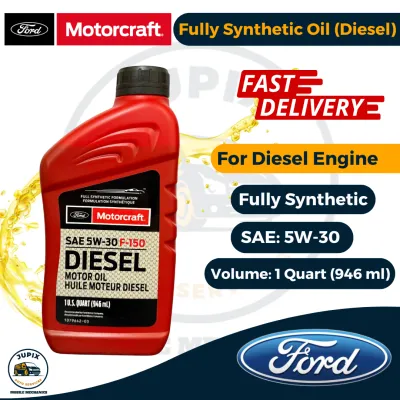
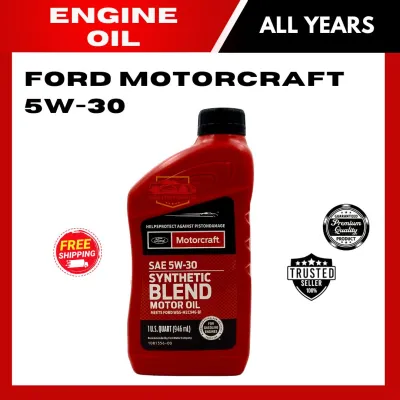
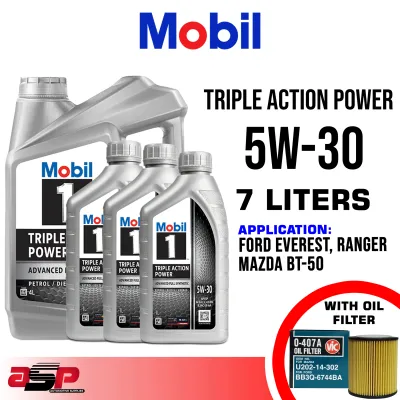
Prices are valid at publication and may change. Please refer to the product page for the latest price.
Conversely, the “30” in 5W-30 represents the oil’s operating viscosity, measured at standard engine operating temperatures of approximately 100 degrees Celsius. This number indicates the oil’s resistance to flow and its ability to maintain a protective film under high heat. A higher hot rating signifies a thicker oil film, which provides robust protection against metal-on-metal contact but can introduce more fluid drag within the engine.
Multi-grade oils like 5W-30 utilize specialized polymer additives known as viscosity index improvers to adapt to temperature fluctuations. Unlike single-grade oils that thin out rapidly as heat rises, multi-grade formulations expand and contract molecularly to maintain a stable viscosity profile. This adaptability ensures that the oil is thin enough to flow quickly during cold starts yet thick enough to shield internal components under intense operating heat.
Why Ford Engineers Specify 5W-30 for Their Engines
Ford engineers design modern engines with incredibly tight internal clearances between moving parts, such as the pistons, crankshaft, and valve train. These precise tolerances require an oil that can easily penetrate tiny gaps without causing excessive resistance. A 5W-30 viscosity grade is specifically chosen because its flow characteristics perfectly match the hydraulic demands of Ford’s oil pumps and variable valve timing systems.

Using the recommended 30-weight operating viscosity allows Ford to strike an optimal balance between engine protection and fuel efficiency. An oil that is too thick increases parasitic drag, forcing the engine to work harder and consume more fuel to move the internal components. Conversely, an oil that is too thin may fail to maintain a sufficient lubricating barrier, leading to accelerated wear on high-load components.
It is crucial to recognize that while 5W-30 is a widely recommended standard, exact oil specifications can vary significantly across different Ford models, engine types, and production years. For instance, a turbocharged EcoBoost engine may have different formulation requirements compared to a naturally aspirated Duratec engine or a diesel-powered Ranger. Always consult your specific owner’s manual to verify the exact viscosity and performance standards required for your vehicle.
Driving Conditions and 5W-30 Performance in the Philippines
In a tropical climate like the Philippines, drivers often wonder if the cold-start “5W” rating is relevant since temperatures rarely drop to freezing. However, a “cold start” in automotive terms refers to any time an engine is started after sitting idle long enough to cool down to ambient temperature. Even in warm tropical weather, ambient temperatures are significantly lower than an engine’s operating temperature, meaning the rapid-flow characteristics of a 5W oil still play a vital role in minimizing startup wear during morning commutes.
Furthermore, the intense heat and severe stop-and-go traffic characteristic of urban areas like Metro Manila place immense thermal stress on vehicle engines. Prolonged idling in high ambient temperatures causes engine bay heat to rise rapidly, which can thin out inferior lubricants. The “30” rating of a high-quality 5W-30 oil ensures that the fluid maintains its structural integrity and film strength, preventing oil shearing and protecting your Ford’s engine during demanding traffic conditions.
If you operate a high-mileage Ford vehicle that shows signs of oil consumption, or if you use your vehicle for heavy towing and commercial hauling, you might be tempted to switch to a thicker oil grade. Before making any adjustments to the recommended viscosity, it is highly advisable to stop and consult a qualified professional. A certified mechanic can inspect your engine’s health and determine if an alternative viscosity is safe or if underlying mechanical issues need to be addressed first.
How to Choose the Right 5W-30 Oil for Your Ford
When shopping for 5W-30 engine oil, the first step is to look for industry-standard certifications on the product label. The American Petroleum Institute (API) and the International Lubricant Standardization and Approval Committee (ILSAC) provide clear symbols, such as the API “donut” or the ILSAC “starburst.” These markings verify that the oil has undergone rigorous testing to meet modern standards for wear protection, sludge control, and fuel economy.
Beyond general industry standards, Ford establishes its own proprietary oil specification codes, which typically begin with “WSS-M2C” followed by a series of numbers and letters. These specifications dictate precise chemical compositions and performance thresholds tailored to Ford’s unique engine metallurgy and emissions systems. Before purchasing any oil, check the back label of the bottle to ensure it explicitly states compliance with the specific Ford specification code listed in your owner’s manual.
You will also need to choose between conventional, synthetic blend, and full synthetic formulations within the 5W-30 grade. Full synthetic oils offer superior resistance to thermal breakdown, better low-temperature flow, and longer service life, making them highly recommended for modern turbocharged Ford engines. Synthetic blends offer a balanced, cost-effective alternative for standard driving habits, while conventional oils are generally less suited for the demanding requirements of modern Ford powertrains.
Frequently Asked Questions (FAQ)
Can I mix 5W-30 with other viscosity grades in my Ford engine?
Mixing 5W-30 with other viscosity grades is generally not recommended because it alters the carefully engineered flow characteristics and chemical balance of the oil. While doing so in an emergency to top up a critically low oil level is better than running the engine dry, it can compromise the protective qualities of the lubricant. If you must mix grades, have the oil changed to the correct single viscosity as soon as possible, or consult a qualified mechanic to ensure your engine remains protected.
How often should I change my 5W-30 engine oil?
The ideal oil change interval depends heavily on your specific Ford model, driving habits, and environmental conditions. Many modern Ford vehicles are equipped with an Intelligent Oil-Life Monitor (IOLM) that calculates oil depletion based on actual driving patterns and alerts you when service is required. If your vehicle does not have this system, or if you frequently drive in severe conditions—such as heavy traffic, dusty roads, or short trips in tropical humidity—you may need to change your oil more frequently. Always refer to your owner’s manual for the manufacturer’s recommended service intervals.

Community discussion
Share your experience or ask a question. Comments are reviewed before publication.